
国补贷

Search documents
民生银行:2025年普惠型小微贷款累放近7000亿元
Cai Jing Wang· 2026-03-30 14:00
Core Insights - Minsheng Bank reported a year-end balance of inclusive small and micro enterprise loans at 677.6 billion yuan, with a year-on-year growth of 2.25%, surpassing the average growth rate of all loans [1] - The balance of inclusive corporate loans reached 190.4 billion yuan, showing a significant increase of 28.05% [1] - The cumulative amount of inclusive small and micro enterprise loans issued was 691.8 billion yuan [1] Group 1: Financial Services Enhancement - The bank is focusing on the core needs of industrial chains and the pain points of small and micro enterprises, enhancing financial services through chain marketing to expand supply chain clientele [1] - New products such as "National Subsidy Loan" and "Easy Innovation E-Loan" have been launched to strengthen comprehensive financial services for industrial clusters, industrial parks, and small and micro enterprises in technology and foreign trade [1] Group 2: Service Quality Improvement - The bank is advancing an integrated customer management system for small, medium, and micro enterprises, continuously improving the classification and management of small and micro clientele [1] - The "Minsheng E-Home" digital service platform has been enhanced to provide differentiated functional modules for small and micro enterprises, addressing their digital transformation needs [1] - By the end of 2025, the proportion of small and micro loan clients increased by 23.01% compared to the previous year [1] Group 3: Support for Technological Innovation - The bank is increasing support for technology innovation enterprises, particularly early-stage and hard-core tech firms, through 18 key branches and 80 specialized technology financial branches [2] - The bank is optimizing products such as intellectual property loans, R&D loans, merger loans, and technology innovation bonds to provide comprehensive services throughout the lifecycle [2] - The bank is enhancing its digital service capabilities and deepening the construction of an investment and financing ecosystem, offering a one-stop service that includes equity, debt, loans, and insurance [2]



交通银行:金融活水润民生 多维赋能促消费
Sou Hu Cai Jing· 2026-03-05 03:15
Group 1 - The 2026 Spring Festival holiday in China saw a significant boost in consumer spending, with key retail and catering enterprises reporting a daily sales increase of 5.7% and a 30.8% rise in duty-free shopping in Hainan compared to the previous year [2] - Financial institutions, particularly large state-owned banks like Bank of Communications, are playing a crucial role in enhancing consumer experience and activating market potential through innovative products and services [2] - The introduction of consumer loan fiscal subsidies has led to a notable increase in the proportion of funds directly used for consumption, with Bank of Communications signing fiscal subsidy agreements with nearly 1.7 million customers, amounting to approximately 19 billion yuan [3] Group 2 - Bank of Communications has launched a series of promotional activities around the "old-for-new" consumption scenario, providing various financial products and subsidies to stimulate market activity, especially in Hainan [4] - The bank's "National Subsidy Loan" product is designed to meet the funding needs of merchants participating in the subsidy program, facilitating the transmission of policy benefits to the market [5] - The domestic travel market reached record highs during the Spring Festival, with 596 million domestic trips and total spending of approximately 803.5 billion yuan, highlighting the growing importance of cultural and tourism consumption [6] Group 3 - Bank of Communications is enhancing cross-border financial services to cater to the growing demand for inbound consumption, including the launch of the Qingdao Pass digital RMB product for foreign tourists [8] - The bank has implemented a comprehensive cross-border payment service system, improving the overall consumer experience and promoting spending across various sectors [10] - The bank's initiatives align with the "14th Five-Year Plan" to enhance people's livelihoods and stimulate consumption, aiming to inject more financial momentum into the economy [10]


交通银行 金融活水润民生 多维加力促消费
Jing Ji Ri Bao· 2026-03-04 22:07
Core Viewpoint - The Bank of Communications is actively promoting consumption and enhancing people's livelihoods through targeted financial actions, embodying the responsibility of state-owned banks to serve the public [2] Group 1: Consumption Growth and Financial Support - During the 2026 Spring Festival, a nine-day holiday sparked a nationwide consumption boom, with key retail and catering enterprises reporting a daily sales increase of 5.7% [2] - The bank has launched a personal consumption loan with a fiscal subsidy feature, signing agreements with nearly 1.7 million customers and facilitating approximately 19 billion yuan in subsidized consumption [3] Group 2: Policy Implementation and Market Impact - The new round of government subsidies for replacing old consumer goods has benefited over 31.13 million people, generating sales exceeding 207 billion yuan, showcasing the multiplier effect of the "national subsidy" policy [4] - The bank has introduced various financial products and promotional activities to amplify the effects of the "old-for-new" policy, particularly in the Hainan Free Trade Port [4] Group 3: Innovative Financial Products - The bank has developed an online pure credit product called "National Subsidy Loan" to support merchants participating in the subsidy program, enhancing the flow of policy benefits to the market [5] - The bank's financial support extends to small and micro enterprises in the tourism sector, providing tailored products like "Homestay Loan" and "Fireworks Loan" [7] Group 4: Integration of Financial Services and Tourism - The bank is focusing on integrating financial resources into the tourism sector, launching various themed financial products in collaboration with local governments to enhance consumer experiences [6] - The bank has established partnerships with numerous tourist attractions and traditional brands, with a public loan balance in the tourism sector exceeding 110 billion yuan [7] Group 5: Cross-Border Payment Solutions - The bank has upgraded its cross-border financial services to enhance the payment experience for inbound tourists, including the launch of the "Qingdao Pass" digital RMB product [9] - The bank's comprehensive cross-border payment service system aims to improve the reception of inbound tourists and stimulate consumption across various sectors [9] Group 6: Commitment to Consumer Welfare - The bank's initiatives are aligned with the "14th Five-Year Plan" to enhance public welfare and stimulate consumption, aiming to inject robust financial momentum into the economy [10]
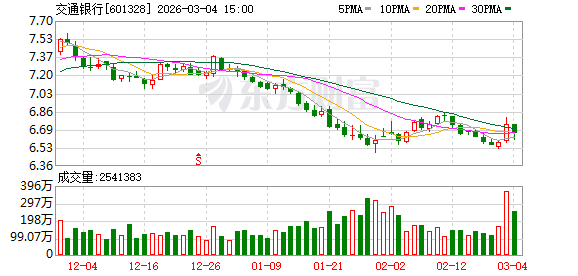
金融活水精准滴灌 春节消费热潮涌动
Shang Hai Zheng Quan Bao· 2026-02-11 17:53
Core Viewpoint - The article highlights the significant role of financial support in boosting consumer spending during the Spring Festival, with a focus on the "old-for-new" subsidy program and innovative financial products like "Guo Bu Loan" [1] Supply Side - The "Guo Bu Loan" has been introduced to alleviate the financial pressure on merchants, allowing them to increase inventory levels for the Spring Festival [2] - Easy Information Technology Co., a long-established 3C retailer, has benefited from the "old-for-new" policy, which offers a subsidy of up to 15% on 3C products, but faces challenges with upfront funding [2][3] - The company secured a loan of 3 million yuan through the "Guo Bu Loan" with an annual interest rate of only 1.5% to 2%, which has helped stabilize cash flow and increase inventory [3][4] - As of now, over 800 million yuan in credit has been issued through the "Guo Bu Loan" program, significantly improving merchants' cash flow and operational efficiency [4] Demand Side - The demand side is seeing a surge in consumer spending driven by low-interest and interest-free installment options, which are becoming key financial tools for enhancing mid-to-high-end consumption [5][6] - The Ministry of Commerce and the People's Bank of China have encouraged merchants to offer more low-interest and interest-free installment promotions, extending support for credit card installment payments until the end of 2026 [5][6] - The integration of national subsidy policies into installment payment scenarios has led to over a 20% increase in transaction volumes across various sectors, including apparel and home appliances [6][7] - Platforms like Taobao and JD.com are actively promoting products eligible for national subsidies, resulting in increased consumer engagement and spending [6][7] Financial Innovations - The introduction of AI-driven solutions for invoice management is enhancing consumer engagement by transforming invoices into versatile consumption vouchers, thereby maximizing the impact of government financial support [8] - Financial institutions are leveraging their extensive service networks to ensure that both merchants and consumers benefit from the available financial products, particularly during the peak consumption period of the Spring Festival [8]
从一个家电卖场看国补新账
Ren Min Ri Bao· 2026-02-02 03:08
Core Viewpoint - The new national subsidy policy for 2026 aims to stimulate consumer spending by focusing on energy-efficient and smart products, with a more targeted approach to subsidies and a shift towards higher-quality goods [3][15]. Policy Changes - The 2026 subsidy policy has narrowed its focus from 12 categories in 2025 to 6 key categories: televisions, refrigerators, water heaters, computers, washing machines, and air conditioners [3]. - The subsidy standard has been reduced from 20% to 15%, and the maximum subsidy per item has decreased from 2000 yuan to 1500 yuan, indicating a shift towards more efficient use of fiscal funds [3][15]. - New categories such as smart glasses have been included in the subsidy program, reflecting the government's responsiveness to emerging consumer demands [3]. Implementation and Market Response - The Chongqing Municipal Commerce Committee quickly implemented the subsidy policy following its announcement, demonstrating effective coordination between government and businesses [5][6]. - Initial consumer interest was high, with a significant increase in foot traffic at retail locations, but there were issues with the redemption rate of subsidy vouchers [8][9]. - Adjustments to the voucher system were made to enhance liquidity and ensure that consumers could utilize their subsidies more effectively [10]. Consumer Behavior and Sales Trends - The introduction of the subsidy policy has led to a notable increase in sales of smart products, with sales in this category rising by over 85% since the policy's implementation [12][15]. - Consumers are increasingly prioritizing energy efficiency, as evidenced by a shift in purchasing behavior towards products with higher energy ratings [14]. - The average transaction value at retail locations has increased by over 40% compared to the previous year, indicating a trend towards purchasing higher-quality goods rather than just seeking discounts [15]. Financial Support and Policy Synergy - Financial institutions have collaborated with government bodies to provide support for businesses facing cash flow challenges due to the subsidy program, enhancing the overall effectiveness of the policy [11]. - New financial products, such as the "National Subsidy Loan," have been introduced to assist retailers in managing their operational costs during the subsidy rollout [11]. Market Outlook - The 2026 subsidy policy is expected to foster a more advanced, intelligent, and environmentally friendly domestic market, with a focus on quality and sustainability [16].
1月门店销售额环比增长超30% 其中智能产品销售额环比增长超85% 从一个家电卖场看国补新账(财经深一度)
Ren Min Ri Bao· 2026-02-01 21:58
Core Viewpoint - The new national subsidy policy for 2026 aims to stimulate consumer spending by focusing on energy-efficient and smart products, with a more targeted approach to financial support [3][15]. Policy Changes - The 2026 subsidy policy narrows the focus from 12 categories in 2025 to 6 key categories: televisions, refrigerators, water heaters, computers, washing machines, and air conditioners [3]. - The subsidy standard has been reduced from 20% to 15%, and the maximum subsidy per household appliance has decreased from 2000 yuan to 1500 yuan [3][15]. - The policy emphasizes support for first-level energy efficiency products, indicating a shift towards green and low-carbon products [3]. Market Response - The implementation of the subsidy policy has led to a significant increase in foot traffic at retail locations, with a doubling of visitors reported at the JD MALL Yangjiaqiao store [8]. - Sales of smart products, particularly smart glasses, have surged, with a reported 150% increase in sales for emerging categories since the policy's implementation [12][15]. - The average transaction value at retail locations has increased by over 40% compared to 2024, indicating a shift towards higher-quality purchases rather than just lower prices [15]. Operational Adjustments - Retailers have had to adapt quickly to the new subsidy rules, including system updates and staff training to ensure smooth operations [6][5]. - The Chongqing Municipal Commerce Committee has been proactive in addressing issues such as low coupon redemption rates, leading to adjustments in the rules to enhance consumer engagement [9][10]. Financial Support Mechanisms - Financial institutions are collaborating with local governments to provide support for businesses facing cash flow pressures due to the subsidy program, including the introduction of new financing products [11]. - The integration of financial services with subsidy programs is seen as crucial for maintaining stability and enhancing the effectiveness of the subsidy policy [11]. Consumer Behavior Trends - Consumers are increasingly prioritizing energy efficiency and quality in their purchasing decisions, reflecting a shift in market dynamics due to the new subsidy policy [14][15]. - The focus on high-quality, energy-efficient products is expected to contribute to the formation of a more advanced and sustainable domestic market [16].
深耕普惠金融沃土 做小微金融领军者
Jin Rong Shi Bao· 2026-01-28 01:02
Core Viewpoint - The article emphasizes the importance of inclusive finance as a requirement for commercial banks to serve the real economy and contribute to high-quality social development, highlighting China Minsheng Bank's commitment to small and micro enterprises over the past 18 years [2][3]. Group 1: Development of Inclusive Finance - China Minsheng Bank has focused on small and micro finance since 2008, providing services to over 20 million small enterprises, establishing itself as a leader in this sector [2][3]. - The bank's innovative approach began post-2008 financial crisis, introducing the "Shangdai Tong" loan product in 2009, which addressed the financing needs of small enterprises [3]. - By 2011, the bank expanded its services from single credit offerings to comprehensive financial services, significantly increasing its business scale and service quality [3]. Group 2: Digital Transformation and Service Innovation - With the rapid development of information technology, the bank has shifted its small micro finance services from offline to a hybrid online-offline model, utilizing big data and mobile internet [4]. - In 2021, the bank initiated a transformation of its small micro finance model, enhancing service channels and integrating personal and corporate services [4]. - The bank has developed a digital platform, the Minsheng Small Micro App, which supports various online services for small enterprises, including financial management and loan applications [12]. Group 3: Case Studies of Support for Small Enterprises - The article shares a success story of a small retail enterprise that grew from a family business to a regional brand with the support of China Minsheng Bank, highlighting the bank's role as a reliable financial partner [6][7]. - The bank provided timely financing solutions, including a 3.19 million yuan loan to support the opening of new stores, demonstrating its responsiveness to client needs [7]. - Another example includes the bank's support for a new type of elderly care enterprise, providing a 10 million yuan credit facility to enhance service quality and meet the growing demand in the aging population sector [9][10]. Group 4: Comprehensive Financial Services and Risk Management - China Minsheng Bank has established a comprehensive service ecosystem for small enterprises, integrating financing, account management, and cash management into a single service model [13]. - The bank has implemented an intelligent risk management system to enhance credit assessment and approval efficiency for small enterprises [14]. - The bank's focus on serving key customer groups includes innovative financial products tailored for technology-driven and export-oriented small enterprises, enhancing their access to financing [15][16].

提质、升温 精耕区域惠民生
Bei Jing Wan Bao· 2025-12-11 07:25
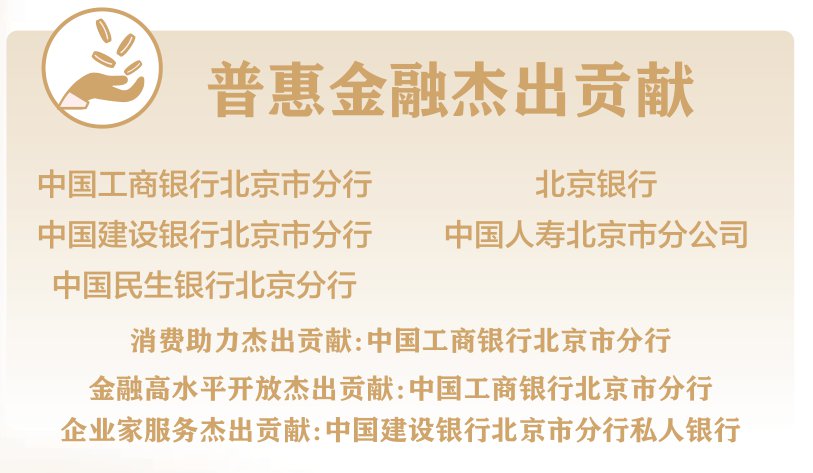
Group 1: Financial Services Development - The high-quality development level of inclusive finance in China is continuously improving, with the balance of inclusive microloans reaching 32.93 trillion yuan by the end of 2024, a year-on-year increase of 14.6%, which is 7 percentage points higher than the growth rate of all loans [1] - Beijing's inclusive finance development focuses on serving the real economy and improving people's livelihoods, creating a financial service ecosystem with regional characteristics and inclusive attributes [1] - The Industrial and Commercial Bank of China (ICBC) Beijing Branch emphasizes online, intelligent, and ecological development paths for inclusive finance, utilizing digital technology to address financing difficulties for small and micro enterprises [1][2] Group 2: Consumer Demand and Financial Services - ICBC Beijing Branch actively expands emerging consumption areas and provides customized financial service solutions for key promotional activities, leveraging its global layout and comprehensive operational advantages [2] - China Construction Bank (CCB) Beijing Branch enhances the quality and efficiency of inclusive finance by upgrading its services and providing comprehensive service plans to meet diverse customer needs [2] - CCB has provided over 20.5 billion yuan in credit to nearly 12,100 enterprises by the end of October 2025, focusing on small and micro enterprises [2] Group 3: Support for Small and Micro Enterprises - Minsheng Bank Beijing Branch has conducted over a hundred "thousand enterprises and ten thousand households" visits to understand and address the needs of small enterprises, covering nearly 10,000 businesses [3] - Beijing Bank implements a combination of credit resource tilt and policy tools to enhance financial services for key industries such as foreign trade and technology [3][4] Group 4: Elderly Financial Services - The elderly population in Beijing has surpassed 5.14 million, accounting for 23.5% of the total population, making pension finance a core focus for financial institutions [6] - Various banks, including China Merchants Bank and Shanghai Pudong Development Bank, are developing specialized pension financial services and products to cater to the needs of the elderly population [6][7][8] - Beijing Rural Commercial Bank is enhancing its pension financial product offerings and establishing dedicated financial service points in numerous locations to support the elderly community [8][9] Group 5: Insurance and Pension Products - Ping An Life Beijing Branch is integrating technology with elderly services to create a comprehensive pension protection system, including smart policies and rapid claims services [9] - Beijing Life is actively participating in the construction of the third pillar of pension finance, offering diverse pension financial products tailored to different customer needs [9]
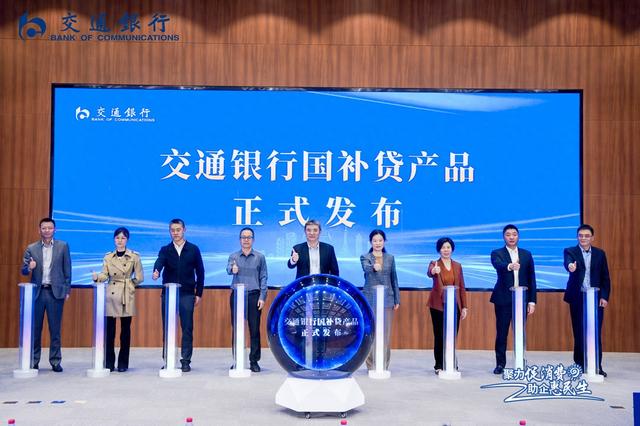
“聚力促消费、助企惠民生” 交通银行“国补贷”产品在郑州发布
Huan Qiu Wang· 2025-11-04 02:29
Core Insights - The launch of the "Guo Bu Loan" by Bank of Communications aims to stimulate consumption and support businesses, aligning with national policies to promote economic growth [1][3][6] Group 1: Product Overview - "Guo Bu Loan" is an online credit product developed by the Bank of Communications' Henan branch, focusing on the "old-for-new" national subsidy initiative to enhance consumer spending [3][5] - The product has already been implemented in multiple branches and is set for nationwide rollout to benefit more merchants [3][5] Group 2: Financial Innovation - The bank utilizes big data risk control to assess the financing needs of merchants involved in the national subsidy program, creating a digital service ecosystem centered around closed-loop scenarios [4][5] - A one-stop digital service area for "old-for-new" initiatives has been established on the mobile banking platform, integrating policy interpretation, merchant search, and coupon redemption [5] Group 3: Collaborative Ecosystem - The launch of "Guo Bu Loan" exemplifies collaboration among government, enterprises, banks, and merchants, creating a synergistic ecosystem [6] - The partnership between Bank of Communications and China UnionPay has led to a combined discount system for consumers, enhancing the effectiveness of the subsidy program [6] Group 4: Future Directions - The bank plans to continue its commitment to serving the real economy by expanding its range of credit products tailored to the needs of private enterprises [7] - Future efforts will focus on deepening collaborations with local governments and UnionPay partners to innovate in payment, data connectivity, and scenario building [7]
缓解消费产业链上小微企业融资难 云南省昭通市通过政银企高效协作实施“国补贷”
Jin Rong Shi Bao· 2025-10-16 02:12
Core Insights - The implementation of the "National Subsidy Loan" aims to support small and micro enterprises in the consumption sector by providing targeted financial assistance [1][3][4] Group 1: Policy Implementation - The local government, in collaboration with financial institutions, is actively promoting the "National Subsidy Loan" to alleviate funding challenges faced by small businesses [1][4] - A total of 651 small and micro businesses have been identified for participation in the national subsidy program, with their financing needs being addressed through precise financial navigation [2][3] Group 2: Financing Support - The Industrial and Commercial Bank of China (ICBC) in Zhaotong has initiated a special financing support program, providing credit of 28.66 million yuan to 33 national subsidy enterprises and issuing loans of 15.73 million yuan to 24 businesses [3] - The ongoing efforts are projected to result in over 150 million yuan in credit and approximately 80 million yuan in loans for participating merchants [3] Group 3: Service Expansion - The Zhaotong Municipal Bureau of Commerce is working with local guarantee institutions to provide guarantees for eligible enterprises lacking fixed collateral, thereby enhancing access to financing [4] - The bank plans to expand its services to cover various sectors, including accommodation, catering, and retail, to further address the financing difficulties faced by businesses [4]