土家鲜肉饼

Search documents
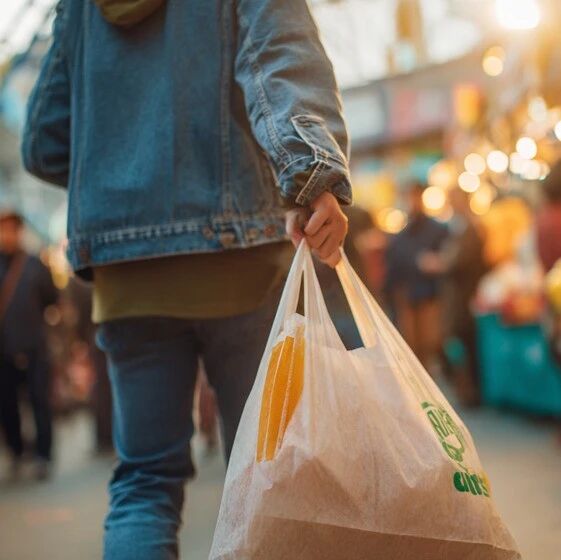
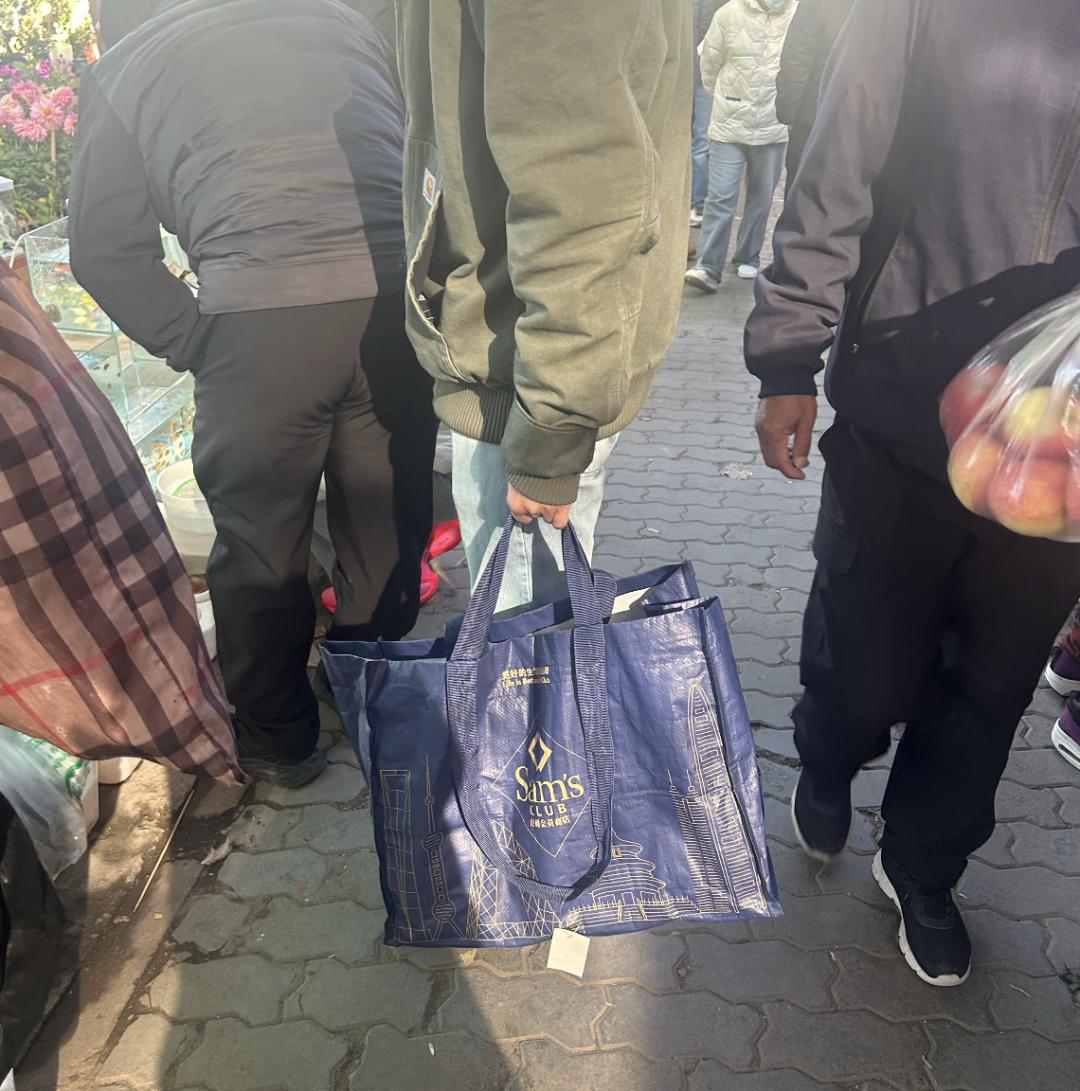
这届年轻人,背着山姆购物袋重返大集
虎嗅APP· 2025-11-23 23:56
Core Viewpoint - The article discusses the resurgence of traditional markets, or "daji," in urban areas, highlighting how young entrepreneurs are revitalizing these spaces through innovative business models and social media engagement [5][6]. Group 1: New Functions of Traditional Markets - Traditional markets are evolving to offer a diverse range of products, including fresh produce and trendy food items, at competitive prices, often lower than online platforms [9][10]. - The market experience includes interactive elements like free samples, which enhance customer engagement and satisfaction [9][10]. - The speed at which trendy food items are introduced in traditional markets surpasses that of many e-commerce platforms, allowing for rapid adaptation to consumer preferences [11][12]. Group 2: Young Entrepreneurs Transforming Markets - An increasing number of young individuals are entering the market scene, using it as a stepping stone to entrepreneurship, often starting with minimal investment [14][15]. - These new vendors are leveraging social media to build their brands and customer bases, creating private communities for direct engagement with consumers [16][17]. - The adaptability of these young entrepreneurs allows them to learn from other markets and adjust their offerings based on consumer feedback [16][18]. Group 3: Consumer Behavior and Market Dynamics - The shift back to traditional markets is influenced by a cycle of consumption where consumers, after experiencing e-commerce, seek the tangible and immediate benefits of in-person shopping [19][20]. - Social media plays a crucial role in shaping consumer perceptions and expectations, leading to increased scrutiny of vendors and their practices [19][20]. - The success of vendors often hinges on their ability to provide immediate gratification and competitive pricing, as consumers weigh the convenience of online shopping against the experience of traditional markets [20][21].

这届年轻人,背着山姆购物袋重返大集
3 6 Ke· 2025-11-22 05:44
Core Insights - The traditional market, or "大集," is experiencing a revival as younger generations engage in both shopping and selling, transforming the market dynamics through social media influence and innovative business models [1][10][14] Group 1: Market Dynamics - The traditional market is attracting younger consumers who prefer its unique offerings over conventional retail options like Sam's Club, highlighting a shift in shopping preferences [2][5] - Prices at the traditional market are significantly lower than those on fresh produce platforms, with examples such as onions priced at 8 yuan for a large bag and bananas at 20 yuan for 16 to 18 pieces, showcasing the cost-effectiveness of this shopping method [5][7] - The market's ability to quickly adapt to trending food items surpasses that of many e-commerce platforms, allowing for rapid introduction of popular products like Tiramisu and "奶皮子糖葫芦" [7][8] Group 2: Young Entrepreneurs - An increasing number of young individuals are starting their own stalls at traditional markets, often as a stepping stone to entrepreneurship, with many aiming to build their own brands [10][12] - Young stall owners are leveraging social media for marketing, sharing their experiences online, and creating private customer communities to enhance customer engagement [12][13] - The shift in consumer behavior reflects a blend of traditional and modern retail practices, where young entrepreneurs are learning from various markets to refine their offerings [10][12] Group 3: Consumer Behavior - The return to traditional markets is influenced by a cycle of consumption where consumers, after experiencing e-commerce, seek the tangible and immediate benefits of in-person shopping [14][15] - Social media plays a crucial role in shaping consumer perceptions, with younger shoppers being more aware of potential pitfalls in traditional market transactions, leading to a demand for transparency and quality [14][15] - The immediacy of traditional market shopping, such as purchasing warm hats for 30 yuan, highlights a preference for instant gratification that aligns with current consumer trends [15][16]
永辉超市完成北京大兴区门店调改
Bei Jing Shang Bao· 2025-09-26 08:37
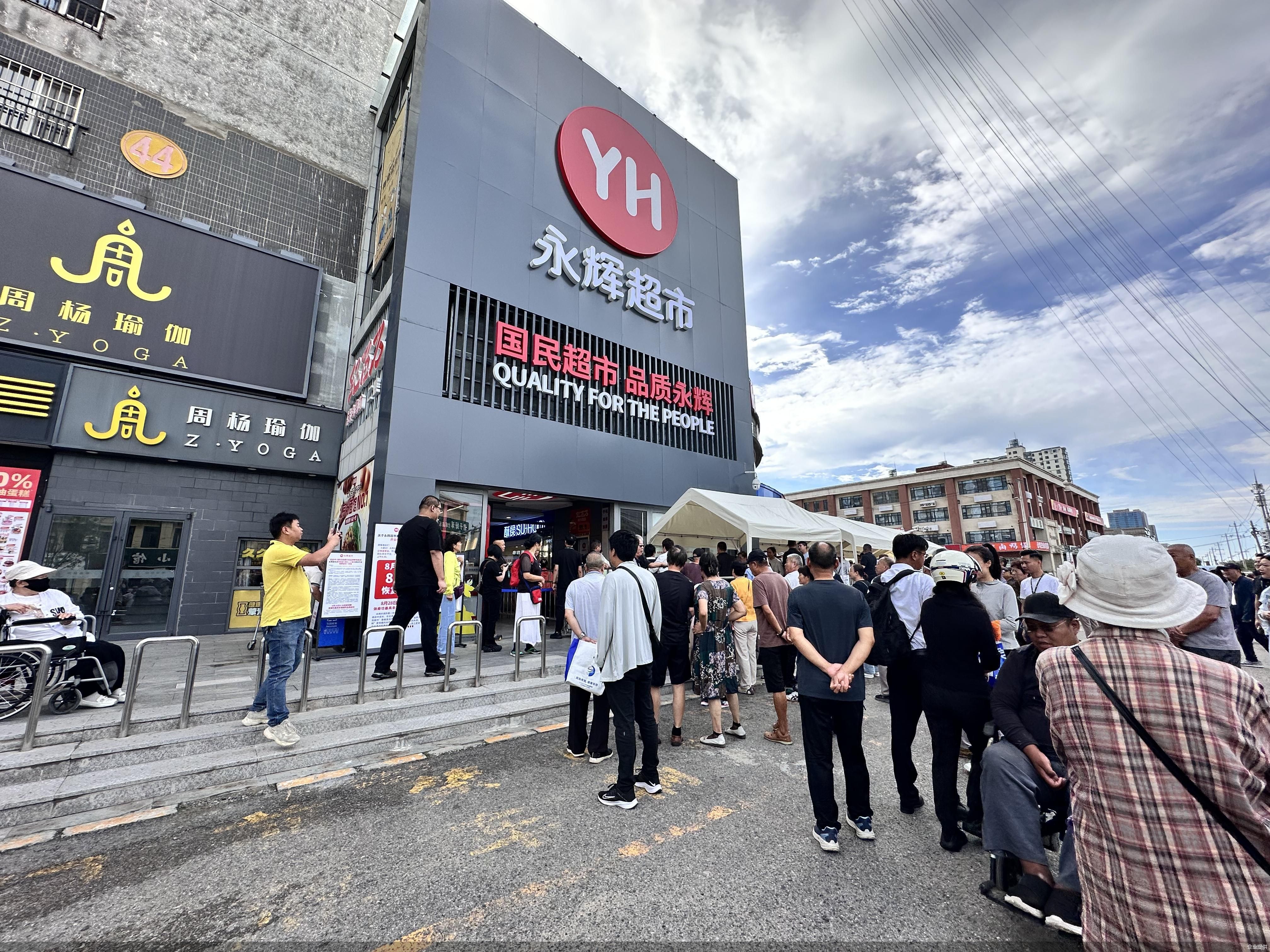
Core Insights - Yonghui Supermarket has completed the transformation of its Daxing Kangzhuang Tianjian Plaza store, marking its 13th transformed store in Beijing and the 5th in Daxing District, indicating the completion of its store transformation efforts in the area [1][2] - The transformed store has achieved profitability within three months of opening, reflecting the success of the new operational model [1] Group 1 - The Daxing Kangzhuang Tianjian Plaza store has undergone a systematic restructuring of its product system, with over 50% of new products in the food and daily necessities category, achieving over 80% of the product structure of the "Fat Donglai" model [1] - The fresh food section features a live kitchen for on-site preparation, introducing popular products such as boneless pig trotters and sweet sausages, while retaining classic flavors like Peking duck and Korean fried chicken [1] - The bakery section collaborates with high-quality suppliers like COFCO and Anchor, and features a dedicated area for "Fat Donglai" branded products, showcasing dozens of items [1] Group 2 - All five transformed stores in Daxing District have been completed, each showcasing distinct regional characteristics in their product offerings [2] - The Hongkun Plaza store is community-oriented, with strong demand for cooked and noodle products; the Kaide Mall Daxing store focuses on Beijing specialty foods and convenient meals; the Yinghai Huanyu Fang store caters to young families with high-quality fruits and seafood; and the Jiugong store serves a mature community with a strong demand for seafood, Western cuisine, and high-quality eggs [2]

永辉唐山首家调改店焕新,特别增加日化旅行装商品
Cai Jing Wang· 2025-09-06 01:18
Core Insights - Yonghui Supermarket has opened its first upgraded store in Tangshan, marking the fifth store in Hebei province to adopt the "Fat Donglai model" [1][2] - The store features a significant product optimization, with nearly 60% new items added, aligning its product structure closely with that of Fat Donglai [1] - The store has expanded its fresh food offerings, with fresh food products now making up 23% of the overall product mix [1] Product and Service Enhancements - The Tangshan store has introduced popular items such as boneless pig trotters and Korean fried chicken, while also maintaining local delicacies [1] - Strategic partnerships with suppliers like COFCO and Anchor have been established for fresh-baked products [1] - The store offers travel-sized personal care products and free luggage storage for tourists, along with promotional shipping services [2] Performance Metrics - The first upgraded store in Shijiazhuang saw a sales increase of over 400% and a nearly 200% rise in customer traffic within two months of opening [2] - The Tianjin store has experienced nearly 200% sales growth and over 80% increase in customer traffic since its opening in January [2] - Yonghui plans to have six upgraded stores in Hebei by the end of September, enhancing its quality retail network in major cities [2]
环京地区首家“胖永辉”落地廊坊 鲜食占比超20%
Bei Jing Shang Bao· 2025-08-28 10:42
Core Viewpoint - Yonghui Supermarket has officially opened its upgraded store in Yanjiao, Hebei Province, adopting the "Pang Donglai model" to enhance its service and product offerings, targeting the commuting population's consumption habits [1][4]. Group 1: Store Features and Services - The new store leverages the commercial aggregation effect of Huadi Plaza, catering to the daily consumption needs of surrounding families and communities [4]. - The store has optimized its product structure, with approximately 80% of the product range meeting Pang Donglai standards, and nearly 20% of imported goods [5]. - The store offers services such as product mailing and luggage storage, along with online delivery options to accommodate the commuting population [9]. Group 2: Product Offerings - The fresh food section emphasizes direct sourcing and quality control, with specialty fruits like Xinjiang dried apricots and plums reaching shelves within 72 hours from the source [5]. - The deli section features a variety of flavors, including Pang Donglai's fried chicken and Beijing roast duck, catering to convenient family dining needs [8]. - The bakery collaborates with suppliers to offer freshly baked products, with an increasing proportion of made-to-order items [8]. Group 3: Customer Experience Enhancements - The store has removed mandatory traffic flows, widened main aisles, and standardized shelf heights to create a more open shopping environment [9]. - New customer service areas have been added, including health measurement tools and facilities for convenience [9]. - The store has optimized operating hours and service processes to better serve the commuting demographic, ensuring consistency between online and offline product offerings [9].