大白菜U盘启动盘

Search documents
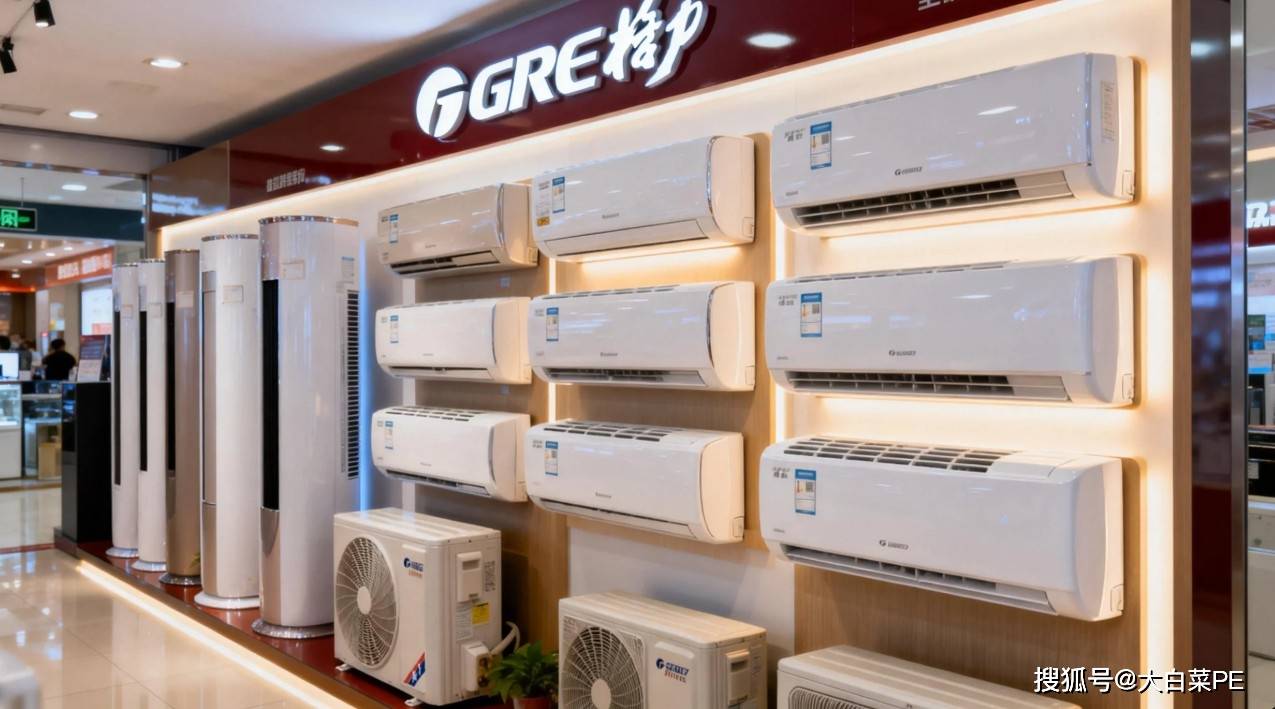
美的没想到,临近年关,董明珠三言两句就让格力实现“口碑激增”
Sou Hu Cai Jing· 2026-02-12 11:06
Core Viewpoint - The home appliance market is experiencing a shift, with Gree gaining positive reputation not through price cuts but through a commitment to product quality and responsibility [2][5]. Group 1: Consumer Concerns - Consumers prioritize long-term reliability over short-term savings when purchasing appliances like air conditioners and refrigerators [4]. - The fear of frequent repairs and energy consumption influences buying decisions, making quality assurance crucial [4]. Group 2: Company Leadership and Responsibility - Gree's CEO, Dong Mingzhu, emphasizes the importance of using and standing behind one's own products, which resonates with consumers seeking transparency and accountability [5][7]. - Dong's straightforward communication style contrasts with the often flashy marketing tactics in the industry, enhancing consumer trust [7][13]. Group 3: Competitive Landscape - Gree and Midea represent two different product philosophies: Gree focuses on quality and durability, while Midea emphasizes efficiency and cost-effectiveness [9]. - Recent discussions in the industry highlight the tension between cost-cutting measures, such as using cheaper materials, and the potential impact on product longevity [11]. Group 4: Brand Image and Consumer Trust - Dong Mingzhu's personal commitment to Gree's products and her simple lifestyle contribute to a consistent brand image that appeals to consumers [14][16]. - Consumers are more likely to trust brands that demonstrate clear values and a willingness to take responsibility for their products [16].



比黄金还猛!白银40年来最大暴涨,美国疯抢,中国直接管控
Sou Hu Cai Jing· 2025-12-25 11:01
Core Viewpoint - Silver has experienced a significant price surge this year, outperforming gold and marking a rare strong market trend driven by financial, industrial, and geopolitical factors [2]. Group 1: Market Dynamics - The price of silver has increased significantly, creating a structural market trend rather than mere speculation [2]. - The first driving force for silver comes from the monetary system, as global assets seek a new "anchor" amid diminishing dollar credit [4]. - Silver's price is more elastic due to its lower cost compared to gold, often leading it to outperform gold in bull markets [6]. Group 2: Industrial Demand - Unlike gold, silver is extensively consumed in modern industries, making it a critical material [8]. - In the photovoltaic sector, silver is irreplaceable, with its demand rising as global energy structures shift and solar installations increase [9]. - The use of silver in electric vehicles is also growing due to the complexity of their electrical systems, which rely on high-conductivity metals [11]. - Artificial intelligence data centers require silver for efficient operation, as they consist of numerous servers and components [12]. Group 3: Supply Constraints - Industrial demand for silver has surpassed half of its total consumption and continues to rise, creating a dual role as both a safe-haven asset and an industrial raw material [14]. - The supply of silver is relatively rigid, with over 80% sourced as a byproduct from copper, lead, and zinc mining, making it difficult to increase production quickly [16]. - Global silver mining output has been declining since reaching a peak in 2016, while demand has consistently increased, leading to a persistent supply gap [19]. Group 4: China's Role - China is a major consumer of silver in industries like renewable energy and AI, yet it has limited domestic silver resources and relies heavily on imports [22]. - Despite being a key player in silver processing and trade, China faces a contradiction between domestic industrial needs and global market demands, leading to tighter export controls [24]. Group 5: Strategic Resource Implications - The current silver market trend signals a deeper shift in global industrial competition, focusing on materials, minerals, and supply chains rather than just technology [26]. - As more raw materials are redefined as strategic resources, market pricing logic will change, necessitating updated investment strategies [28].

明明知道印度是个大坑,为什么还那么多企业过去投资?
Sou Hu Cai Jing· 2025-07-14 10:16
Core Viewpoint - The article presents India as a complex and risky investment environment, likening it to a trap for foreign capital rather than a lucrative market opportunity [1][14]. Investment Environment - India promotes foreign investment with attractive policies, but imposes strict regulations that complicate profit repatriation and operational flexibility [3][12]. - Companies face significant bureaucratic hurdles, including tax audits, approval delays for dividends, and lengthy legal processes for asset liquidation [3][5]. Case Studies - A Chinese smartphone brand experienced severe financial penalties and operational challenges after initially receiving favorable treatment from local officials [5]. - Major corporations like Ford, Walmart, Amazon, Xiaomi, and Vivo have also encountered significant difficulties in the Indian market, highlighting a pattern of adverse experiences for foreign investors [7][8]. Investment Psychology - Investors often enter the Indian market with the hope of being the first to succeed, despite the known risks, reflecting a dangerous overconfidence in their ability to navigate the complexities [10][19]. - The article suggests that many investors are aware of the potential pitfalls but still choose to engage, driven by the desire to profit before facing the consequences [21][22]. Market Perception - There is a widespread belief that India is a high-risk market, with various government agencies and financial commentators warning about the uncertainties of investing there [17][19]. - Despite these warnings, the allure of a large market often blinds investors to the inherent risks, leading to poor decision-making [19][22].