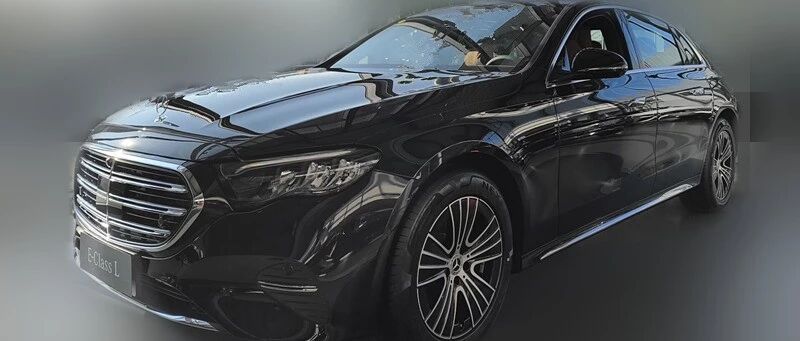
奔驰E300

Search documents
奔驰E级:来买的都是有钱大哥,认牌子但是不喜欢大标
车fans· 2026-02-11 00:32
Core Viewpoint - The article discusses the current sales situation and customer demographics for the Mercedes-Benz E-Class in a local market, highlighting the brand's strong appeal and the sales dynamics in a smaller city context [1][4]. Sales Performance - In the local market, the dealership sold 38 units of the E-Class last month, with a commission range of 1,000 to 2,500 depending on various factors [2]. - Inventory levels are low, with only five units remaining, indicating strong demand as the year-end approaches [2]. Customer Demographics - The primary buyers are business people aged over 30, with a strong preference for the Mercedes-Benz brand due to its prestige [4]. - Customers are typically affluent, and the dealership's service quality enhances the overall buying experience [4][12]. Vehicle Preferences - The most popular configurations are the E260 and E300, with the E300 luxury version being particularly favored [16]. - The dealership does not stock the E300 luxury version frequently, leading to a reliance on pre-orders for this model [16]. Financing Options - Financing options include loans from Ping An Bank and Mercedes-Benz Financial, with a recent shift away from certain loan policies [20][22]. - The dealership offers various financing plans, but the maximum discount available is currently capped at 11,000 [16]. Customer Feedback - Common complaints from customers include difficulties with the vehicle's technology and concerns about future costs related to software updates and features [23]. - Maintenance costs are outlined, with A-service costing 2,000 and B-service costing 5,000, emphasizing the importance of understanding service requirements [25][26]. Market Dynamics - The dealership faces competition primarily from BMW and Audi, with the E-Class being positioned as a premium choice among traditional luxury brands [11]. - The market for luxury vehicles remains stable, with limited price fluctuations, suggesting a consistent demand for the E-Class [28].

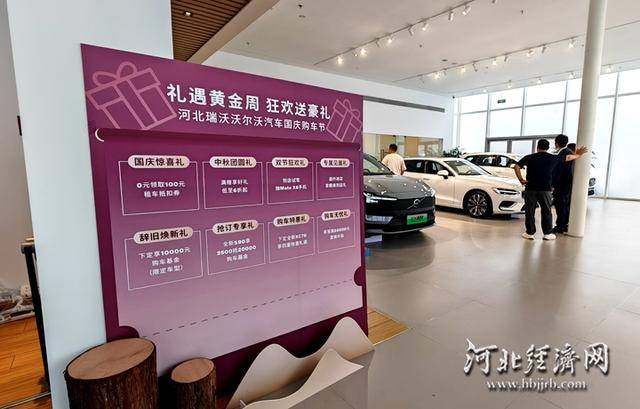
政策消费双驱动 石家庄“十一”车市热度与理性并存
Sou Hu Cai Jing· 2025-10-10 13:29
Core Insights - The automotive market in Shijiazhuang experienced a surge in consumer activity during the National Day and Mid-Autumn Festival holiday, driven by government subsidies and promotional events [1][3] - This year's market showed a combination of enthusiasm and rationality, with consumers making more informed purchasing decisions compared to previous years [1] Group 1: Policy and Promotions - The increase in market activity was initiated by the early release of policy benefits, including a vehicle trade-in subsidy and a promotional event organized by 13 cities in Hebei [1] - From September 26 to October 5, a limited number of vehicle trade-in qualification vouchers were distributed through the "Dongche Di" app, which significantly boosted consumer interest [1] Group 2: Sales Performance - During the holiday, foot traffic in many 4S stores increased dramatically, with some reporting a rise of 30% to 200% compared to pre-holiday levels [3][5] - Certain brands, such as BYD and Great Wall Motors, reported order volumes that exceeded their typical monthly sales, with increases of up to 400% in some cases [5][8] Group 3: Consumer Behavior - Consumers are increasingly taking a rational approach to purchasing, often comparing multiple brands and models before making a decision, with the decision-making period extending from 15-30 days [10][15] - Factors influencing consumer choices have diversified, including price, configuration, range, charging convenience, after-sales service, and resale value [15][17] - Sales strategies have adapted to this shift, with many dealerships offering test drive events and personalized service to meet consumer needs [17]
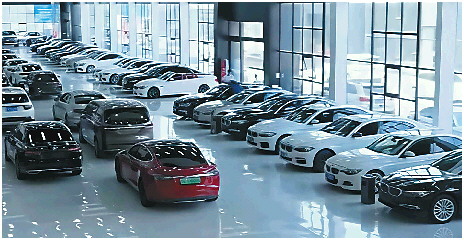
销量减半利润压缩,二手车商困中求变
Qi Lu Wan Bao· 2025-06-09 21:25
Core Insights - The second-hand car market in Linyi is experiencing a significant downturn, with many dealers facing losses and some exiting the market entirely [2][3] - The decline in sales volume is stark, with dealers reporting a drop of nearly 50% in monthly sales compared to two years ago [2] - The average inventory turnover period for second-hand cars has increased to 56 days in 2024, up from 47 days in 2022, indicating a slowdown in sales [4] Group 1: Market Conditions - The once-bustling Linyi second-hand car market is now characterized by low customer traffic and many empty stalls, reflecting a significant decline in business activity [2][3] - Dealers are now selling cars at a loss, with some vehicles being sold for less than their purchase price due to falling market prices [2][3] - The average profit margin for second-hand cars has decreased to around 5%, with many dealers reporting net losses after accounting for operational costs [2][4] Group 2: Causes of Decline - The primary factor contributing to the downturn in the second-hand car market is the price drop in new cars, which has created a challenging environment for second-hand sales [3][4] - The phenomenon of price inversion, where new car prices are lower than those of similar second-hand models, has made it difficult for dealers to maintain profitability [4] Group 3: Adaptation Strategies - In response to the market challenges, many dealers are exploring new sales channels, including online platforms and live-streaming sales, to attract customers [5] - The shift from a "source-driven" to a "management-driven" approach is seen as an opportunity for dealers to enhance operational efficiency and service quality [5][6] - Recent government policies aimed at boosting the second-hand car market, such as facilitating transactions and improving market transparency, are expected to provide support for struggling dealers [6]
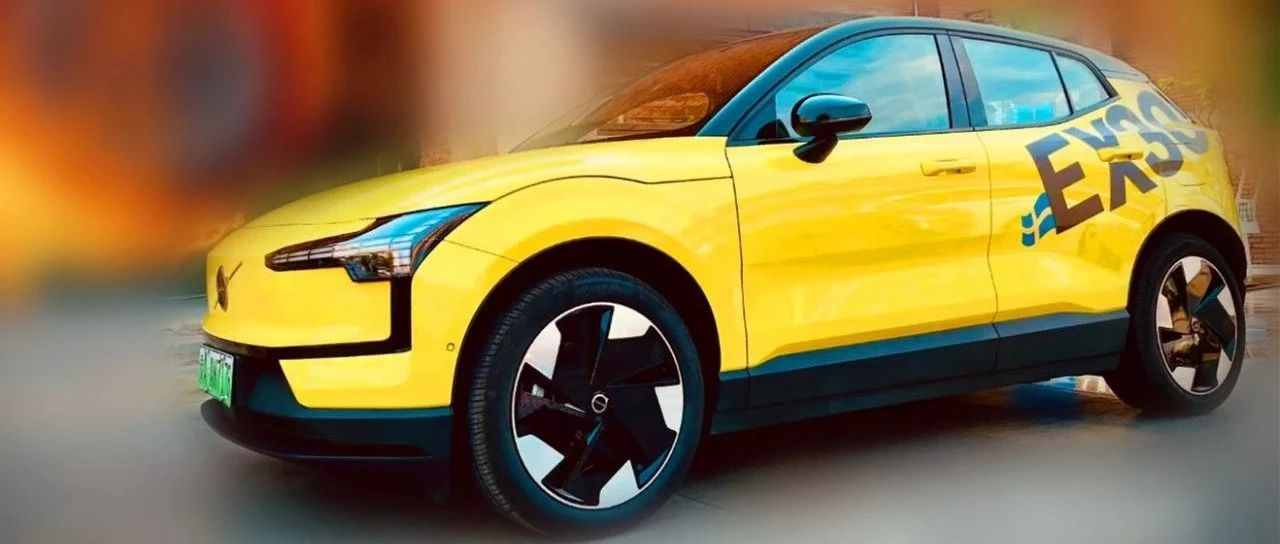
沃尔沃EX30:直售一口价客户都说贵,补贴额度高反而让人不开心
车fans· 2025-05-21 00:29
Core Viewpoint - The article discusses the sales performance and customer demographics of the Volvo EX30, highlighting its appeal to young female buyers and the challenges faced in selling the vehicle in a competitive market [2][17]. Sales Performance - The dealership sold a total of 75 cars last month, with the EX30 performing relatively well, selling 3 units [2]. - The EX30 has a significant commission structure for sales, with a total potential earning of 2,300 yuan per sale [2]. - The dealership has 5 EX30 units in stock, primarily the rear-wheel drive long-range Plus version priced at 219,800 yuan [2]. Customer Demographics - The primary customers for the EX30 are young women, often visiting the dealership while waiting for vehicle maintenance [3]. - Customers tend to have good financial backgrounds, showing a preference for the vehicle's design and safety features, although they are price-sensitive [3][8]. - A notable customer, Ms. Hou, purchased the EX30 as a gift for her father, indicating that existing Volvo owners are likely to consider the brand for new purchases [6]. Customer Feedback - Some customers express concerns about the pricing of the EX30, feeling it does not justify the cost despite being able to afford it [5]. - The EX30's design and safety features are significant selling points, but customers also compare it with other models like the Smart 1, which they find more appealing [14][16]. Competitive Landscape - The EX30 faces stiff competition from other electric vehicles, particularly from brands like Smart and BYD, which are perceived as more desirable by certain customer segments [14][17]. - The sales strategy for the EX30 includes direct sales, but the dealership still manages the invoicing, indicating a hybrid sales approach [10]. Customer Complaints - Customers have raised issues regarding the disparity in trade-in and purchase incentives, feeling that existing Volvo owners receive preferential treatment [21]. - There are complaints about the user interface of the vehicle's central control screen, which some find too rigid and lacking in aesthetic appeal [21][23]. Maintenance and Promotions - The maintenance costs for the EX30 are minimal, primarily involving filter changes, with an estimated cost of around 500 yuan per service [23]. - The dealership offers various promotional incentives, including discounts for trade-ins and additional benefits for existing customers [24].