途观L

Search documents
昂科威Plus:卖别克月入过万不是梦,补贴后16万提车
车fans· 2026-03-11 00:29
Sales Performance - The store sold a total of 24 vehicles last month, with 15 units being the Envision Plus, indicating strong demand for this model [1] - The most popular configuration is the black 28T Platinum version, with 9 out of 10 sales being this color [3] - The 28T all-wheel drive Platinum version is less popular, as customers who can afford it often opt for the higher-end Avenir model instead [3] Customer Demographics - Buyers are primarily divided into two groups: 50% are parents purchasing for their children’s weddings, while the other half are individuals needing a vehicle, often trading in old cars [5] - A specific case involved a 23-year-old buyer, referred to as Wang, who was under budget constraints for his wedding car, ultimately opting for the Envision Plus after trading in his father's old vehicle [7][9] Competitive Landscape - Customers are increasingly informed about competitors, often coming to the dealership with specific questions about discounts rather than comparing models [10] - The implementation of a fixed pricing strategy has reduced price discrepancies between dealerships, making it less common for customers to shop around for better deals [10][12] Purchase Incentives - Current promotional offers include a discount of 1,000 against 6,000, with additional government subsidies up to 15,000 and manufacturer rebates of 10,000 [17] - Financing options include a 3% annual interest rate for a 5-year term, with the possibility of early repayment after 2 years without penalties [18] Customer Feedback - Some customers have expressed dissatisfaction with the rear seat comfort and higher fuel consumption during congested travel periods [19] - Maintenance costs are approximately 600 for oil and filter changes every six months or 5,000 kilometers [21] Market Trends - The recent trend shows that the fixed pricing model has stabilized prices, and current promotional efforts are considered favorable [22]


1月SUV排行:博越L空降第二,神车排名暴跌,小米成传奇耐黑王!
Xin Lang Cai Jing· 2026-02-27 10:37
Core Insights - The January 2026 automotive market did not meet expectations due to reduced subsidies, leading to a significant reshuffling in the SUV rankings [1][20] - The emergence of new models like Xiaomi YU7 and Geely's Boyue L indicates a shift in consumer preferences as traditional "hero cars" decline [1][20] SUV Rankings - Xiaomi YU7 topped the January SUV sales with 37,869 units, marking a notable success despite negative online sentiment [3][12] - Geely's Boyue L followed closely with 34,176 units, making a strong debut after previously being outside the top ten [3][12] - The AITO M7 secured third place with 26,454 units, benefiting from brand strength and competitive pricing [3][13] Market Dynamics - The Tesla Model Y, a long-time best-seller, fell to 12th place with 16,845 units, attributed to pre-ordered sales in December and prioritization of exports [5][15] - Other popular models from BYD, such as Yuan and Song, did not appear in the top twenty, indicating a potential decline in their market presence [7][17] - The overall trend shows a resurgence of traditional gasoline vehicles, with more models entering the top ten compared to December, suggesting a return to familiar market dynamics [10][20]
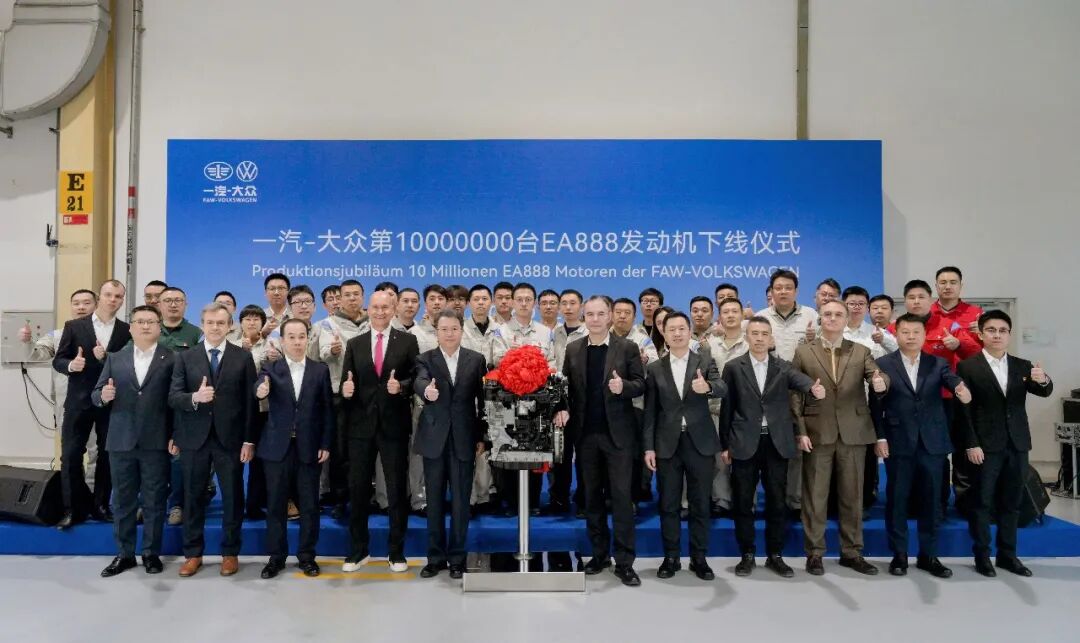
一汽-大众第1000万台EA888发动机在大连基地下线
Zhong Guo Zhi Liang Xin Wen Wang· 2026-01-30 07:50
Core Insights - The 10 millionth EA888 engine from FAW-Volkswagen was produced at the Dalian base on January 20, marking a significant milestone for the engine series which has seen over 20 million units installed globally since its debut in 2006 [1][3] Group 1: Engine Technology - The latest fifth-generation EA888 2.0T engine features advanced technologies including VTG variable geometry turbocharging, a 500bar high-pressure direct fuel injection system, and a full-load Miller cycle [3] - The engine achieves a peak torque of 400N·m at 1500 RPM, extending the high torque range up to 4500 RPM, effectively eliminating traditional turbo lag [3] - The WLTC combined fuel consumption is reduced to 8.35L/100km, with thermal efficiency improved by 40% compared to the third generation, enhancing power output stability under high-speed conditions [3] Group 2: Market Position - The EA888 engine is primarily used in key models from the Volkswagen and Audi brands, including Magotan, Passat, Tayron, Tiguan L, A4L, A6L, Q5L, and Q3, serving as a core power source for German mid-size cars and SUVs in the domestic market [5]
大众第1000万台EA888发动机在大连基地下线
Zhong Guo Zhi Liang Xin Wen Wang· 2026-01-21 04:52
Core Insights - The 10 millionth EA888 engine from FAW-Volkswagen was produced at the Dalian base on January 20, marking a significant milestone for the engine series which has seen over 20 million units installed globally since its debut in 2006 [1][3] Group 1: Engine Technology - The latest fifth-generation EA888 2.0T engine features advanced technologies including VTG variable geometry turbocharging, a 500bar high-pressure direct fuel injection system, and a full-load Miller cycle, enhancing performance and efficiency [3] - The engine achieves a peak torque of 400N·m at 1500 RPM, with a torque plateau extending to 4500 RPM, effectively eliminating traditional turbo lag [3] - The WLTC combined fuel consumption is reduced to 8.35L/100km, with thermal efficiency improved by 40% compared to the third-generation model, and enhanced stability in high-speed power output [3] Group 2: Market Position - The EA888 engine is primarily used in key models from Volkswagen and Audi, including Magotan, Passat, Tayron, Tiguan L, A4L, A6L, Q5L, and Q3, serving as the core power source for German mid-size cars and SUVs in the domestic market [5]
国泰海通:10月乘用车市场价格竞争持续缓和 维持行业“增持”评级
Zhi Tong Cai Jing· 2025-11-13 11:29
Core Insights - The passenger car market is transitioning from price competition to refined operations, with a trend of "anti-involution" expected to continue into Q4 [1] - The overall market shows a stabilization in prices, with the average discount rate for passenger cars at 18.5%, a decrease of 0.3% month-on-month [1][2] - There is a significant structural differentiation within the industry, with domestic new energy brands having a notably lower discount rate compared to joint venture brands [1][2] Market Trends - In October, the average discount rate for traditional energy vehicles remained high at 26.3%, with an average price decrease of 900 yuan month-on-month and an increase of nearly 1600 yuan year-on-year [2] - New energy vehicles maintained a stable discount rate of 12.8%, with average prices showing little change month-on-month and a year-on-year increase of 1300 yuan [2] - The price strategies among different brand camps are increasingly differentiated, with domestic new energy brands like AITO and Xpeng having discount rates below 10% [2] Segment Analysis - The SUV market is experiencing intense competition, with major models like the Volkswagen Tayron and Mercedes-Benz GLC seeing average prices drop to historical lows, with declines ranging from 4200 to 8300 yuan [3] - Average discount rates for popular SUV models such as the Volkswagen Tiguan L and Buick Envision Plus have increased, reaching 25.7% and 29.2% respectively [3]

四季度决战,哪几家完不成年度目标
汽车商业评论· 2025-10-14 23:08
Core Viewpoint - The automotive industry is facing intense competition in the current market, with companies setting higher sales targets than the previous year, leading to potential overproduction and inventory issues [4][5]. Group 1: Sales Targets and Performance - Many automotive companies have set ambitious sales targets for 2025, but achieving these targets is challenging given the current market conditions [5]. - Among the companies analyzed, only XPeng has exceeded a 75% completion rate of its sales target, attributed to its conservative initial target setting [8]. - Companies like SAIC, Geely, BYD, and Xiaomi have also achieved over 70% completion rates [9]. Group 2: Market Trends and Consumer Behavior - The fourth quarter is critical for sales, especially with the upcoming tax incentives, prompting companies to accelerate new vehicle launches [5][12]. - Data from the "TQ Auto Flow" platform indicates a decline in foot traffic to dealerships during the National Day holiday compared to previous years, suggesting a potential decrease in consumer interest [14][16]. - The foot traffic data shows that some dealerships experienced lower visitor numbers than expected, with many consumers opting for travel instead of car shopping [14][19]. Group 3: Company-Specific Insights - For FAW Toyota, the main markets are Guangdong, Shandong, Jiangsu, and Zhejiang, with a notable decline in foot traffic during the holiday period [17][19]. - GAC Toyota's sales are also concentrated in similar regions, with a strong performance from hybrid and electric models, which accounted for about 50% of their total sales [22]. - Both FAW and SAIC Volkswagen reported lower foot traffic during the holiday compared to 2024, indicating challenges ahead for 2025 [24][30]. Group 4: New Energy Vehicle (NEV) Trends - NIO, XPeng, and Li Auto are experiencing growth in brand recognition and sales, with NIO achieving a total delivery of 201,000 vehicles by Q3 2025 [46]. - XPeng reported a significant year-on-year increase in deliveries, reaching 313,000 vehicles, but faces pressure on profitability and cost management [49]. - Li Auto's performance is lagging behind its ambitious target of 640,000 vehicles, with production delays affecting new models [51]. Group 5: Future Outlook - The competition in the NEV market is expected to intensify as traditional automakers introduce new models, potentially leading to price wars and increased mergers and acquisitions [54].

政策消费双驱动 石家庄“十一”车市热度与理性并存
Sou Hu Cai Jing· 2025-10-10 13:29
Core Insights - The automotive market in Shijiazhuang experienced a surge in consumer activity during the National Day and Mid-Autumn Festival holiday, driven by government subsidies and promotional events [1][3] - This year's market showed a combination of enthusiasm and rationality, with consumers making more informed purchasing decisions compared to previous years [1] Group 1: Policy and Promotions - The increase in market activity was initiated by the early release of policy benefits, including a vehicle trade-in subsidy and a promotional event organized by 13 cities in Hebei [1] - From September 26 to October 5, a limited number of vehicle trade-in qualification vouchers were distributed through the "Dongche Di" app, which significantly boosted consumer interest [1] Group 2: Sales Performance - During the holiday, foot traffic in many 4S stores increased dramatically, with some reporting a rise of 30% to 200% compared to pre-holiday levels [3][5] - Certain brands, such as BYD and Great Wall Motors, reported order volumes that exceeded their typical monthly sales, with increases of up to 400% in some cases [5][8] Group 3: Consumer Behavior - Consumers are increasingly taking a rational approach to purchasing, often comparing multiple brands and models before making a decision, with the decision-making period extending from 15-30 days [10][15] - Factors influencing consumer choices have diversified, including price, configuration, range, charging convenience, after-sales service, and resale value [15][17] - Sales strategies have adapted to this shift, with many dealerships offering test drive events and personalized service to meet consumer needs [17]
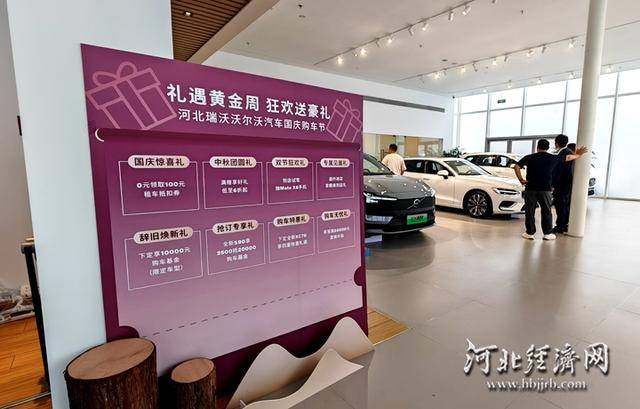
上汽大众油电同进战略稳步推进
Huan Qiu Wang· 2025-09-15 10:12
Core Viewpoint - The Chinese automotive market is transitioning towards a more rational development with a diversified energy landscape, where both fuel and electric vehicles coexist, reflecting a maturation of consumer purchasing behavior [3][6][9]. Group 1: Market Trends - The market share of fuel vehicles is stabilizing, indicating a mature automotive market where consumer decisions are becoming more rational [3][6]. - As of January to August 2025, SAIC Volkswagen's retail sales for the Volkswagen brand reached 662,500 units, with a fuel vehicle market share of 8.76%, maintaining the top position for 14 consecutive months since July 2024 [5][6]. Group 2: Strategic Initiatives - SAIC Volkswagen is implementing a dual-track strategy of "oil and electricity advancing together," focusing on both fuel and electric vehicle development to enhance product competitiveness [6][7][9]. - The company plans to launch six new energy products next year, covering various segments including fuel, pure electric, and hybrid vehicles [7]. Group 3: Consumer Behavior - Consumers are increasingly considering the total lifecycle cost of ownership, making fuel vehicles a stable choice for many users despite the rapid development of electric vehicles [8][9]. - The shift in consumer behavior reflects a broader trend in the Chinese automotive market, where practicality, reliability, and long-term costs are prioritized over merely adopting new technologies [9].

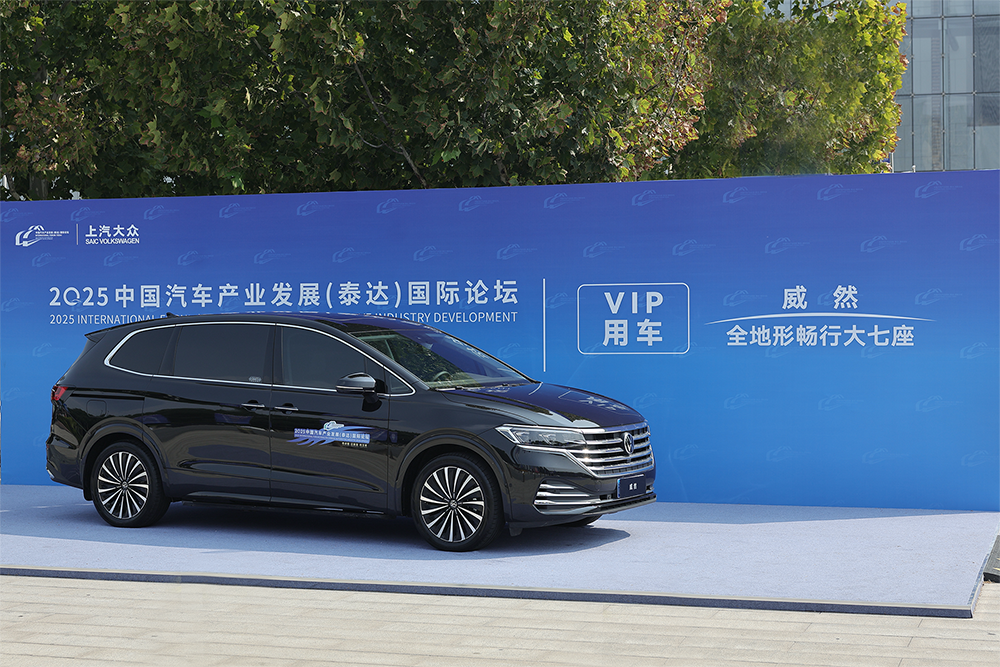
上汽大众:油电同智战略打造“全势能”竞争力
Zhong Guo Qi Che Bao Wang· 2025-09-14 15:09
Core Viewpoint - The traditional fuel vehicle market in China is experiencing a stabilization and growth phase, with companies like SAIC Volkswagen demonstrating resilience and competitiveness through innovation and strategic product offerings [1][3][8]. Group 1: Market Trends - Traditional fuel passenger vehicles have shown positive growth for three consecutive months, indicating a shift in the competitive landscape against new energy vehicles [1]. - The market share decline of fuel vehicles is slowing, reflecting a more mature market where consumers are making rational purchasing decisions [3]. - Fuel vehicles still hold approximately 50% market share, showcasing their ongoing relevance despite the rise of new energy vehicles [3]. Group 2: Company Performance - SAIC Volkswagen's retail sales for the Volkswagen brand reached 662,500 units in the first eight months of the year, with a fuel vehicle market share of 8.76% [4]. - The company has maintained the number one position in fuel vehicle market share for 14 consecutive months, indicating strong brand performance [4]. - The introduction of the fifth-generation EA888 engine and the "Pro family" product series has significantly enhanced the competitiveness and intelligence of fuel vehicles [4]. Group 3: Strategic Initiatives - SAIC Volkswagen employs a comprehensive product strategy, covering nearly every price segment with popular fuel vehicle models [7]. - The company plans to launch six new energy products next year, aiming for a dual-track development approach that encompasses fuel, electric, and hybrid markets [7]. - The "oil-electric synergy" strategy is being implemented to integrate intelligent technologies from electric vehicles into fuel vehicles, enhancing overall product competitiveness [3][8].

再苦一苦Model Y
远川研究所· 2025-07-27 13:06
Core Viewpoint - Tesla's second-quarter financial report indicates a temporary stabilization in its automotive business, despite a significant year-over-year revenue decline, with a focus on the refreshed Model Y helping to mitigate losses [3][4][7]. Group 1: Financial Performance - Tesla reported a quarterly revenue of $22.496 billion, marking the largest year-over-year decline since 2012, but a 16% increase compared to the previous quarter [4]. - Automotive revenue contributed $16.661 billion, down 16% year-over-year but up 19% quarter-over-quarter, exceeding market expectations [4][11]. - The gross margin for automotive improved from 16.2% to 17.2% due to a price increase of over $1,000 for the new Model Y [13]. Group 2: Model Y Impact - The refreshed Model Y has played a crucial role in stabilizing Tesla's automotive sales, with sales increasing from 336,000 units in Q1 to 384,000 units in Q2 [11]. - The average selling price of Tesla vehicles rose from 274,500 yuan to 293,900 yuan, indicating a positive trend in pricing [14]. - Despite criticisms regarding the Model Y's updates, it remains competitive in the market, achieving over 6,000 deliveries in its first week in China and leading the SUV sales chart [19][20]. Group 3: Market Strategy - Tesla's strategy includes continuing to leverage the Model Y's remaining value while facing challenges with the Cybertruck and the delayed Model 2/Q [22][29]. - Plans for a long-wheelbase six-seat version of the Model Y and a budget-friendly Model 2/Q are in the pipeline, aiming to fill gaps in Tesla's product lineup [23][24]. - The company is focusing on artificial intelligence investments, which have impacted its free cash flow, dropping from $2.742 billion to $146 million [34][35]. Group 4: Future Outlook - Tesla's ambitious goals for Robotaxi operations and a new master plan indicate a long-term vision, although skepticism remains regarding the feasibility of these targets [41]. - The automotive business is expected to continue relying on the Model Y for sales, especially in light of setbacks with other models [42].