奥美拉唑肠溶胶囊

Search documents
药物受理最新动态:EUROPHARM LABORATOIRES CO LTD奥美拉唑肠溶胶囊进...
Xin Lang Cai Jing· 2026-02-14 06:23
Group 1 - The application for Omeprazole enteric-coated capsules by EUROPHARM LABORATOIRES CO LTD has been accepted, with acceptance number JYHS2600003 [1] - The drug type is classified as a chemical drug, and the application type is for import registration under category 5.2 [1] - The application was officially accepted on February 14, 2026 [1] Group 2 - The companies involved in the application include EUROPHARM LABORATOIRES CO LTD, JEAN-MARIE PHARMACAL CO. LTD., and U.Bon HealthTech Co., Ltd. [1]
悦康药业股价涨5.2%,红塔红土基金旗下1只基金重仓,持有2.3万股浮盈赚取3.24万元
Xin Lang Cai Jing· 2026-01-09 05:59
Group 1 - The core viewpoint of the news is that Yuyuan Pharmaceutical has seen a significant increase in stock price and trading volume, indicating positive market sentiment towards the company [1] - As of January 9, Yuyuan Pharmaceutical's stock price rose by 5.2% to 28.55 CNY per share, with a trading volume of 204 million CNY and a turnover rate of 1.65%, resulting in a total market capitalization of 12.847 billion CNY [1] - The company, established in August 2001 and listed in December 2020, focuses on the research and production of high-end chemical drugs, with major revenue contributions from cardiovascular, digestive, diabetes, and anti-infection medications [1] Group 2 - Yuyuan Pharmaceutical's main products include Ginkgo biloba extract injection, Tianma extract injection, Lansoprazole injection, Omeprazole enteric-coated capsules, Metformin sustained-release tablets, Cefuroxime sodium injection, and Ceftriaxone sodium injection, which are expected to have significant revenue contributions and growth potential [1] - The revenue composition of Yuyuan Pharmaceutical is as follows: cardiovascular drugs 55.67%, anti-infection drugs 20.88%, raw materials 8.73%, digestive system drugs 6.87%, diabetes drugs 4.85%, and others 2.62% [1] Group 3 - Red Tower Hongtu Fund has a significant holding in Yuyuan Pharmaceutical, with its Red Tower Hongtu Medical Selected Stock Fund A (020331) holding 23,000 shares, accounting for 3.82% of the fund's net value, ranking as the tenth largest holding [2] - The fund has achieved a year-to-date return of 3.15%, ranking 2758 out of 5509 in its category, and a one-year return of 37.37%, ranking 2023 out of 4198 [2]
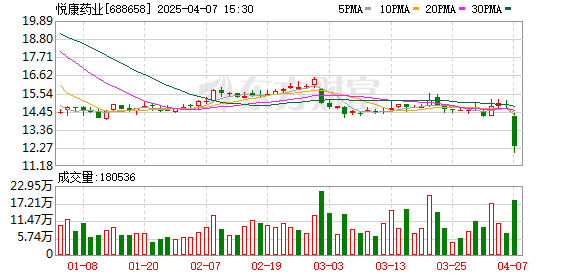
悦康药业跌2.08%,成交额3795.97万元,主力资金净流入83.89万元
Xin Lang Cai Jing· 2025-12-18 03:53
Core Viewpoint - Yuyuan Pharmaceutical experienced a stock price decline of 2.08% on December 18, with a current price of 21.68 CNY per share and a market capitalization of 9.756 billion CNY [1] Financial Performance - For the period from January to September 2025, Yuyuan Pharmaceutical reported a revenue of 1.759 billion CNY, a year-on-year decrease of 41.20%, and a net profit attributable to shareholders of -148 million CNY, a year-on-year decrease of 170.56% [3] - The company has distributed a total of 1.092 billion CNY in dividends since its A-share listing, with 584 million CNY distributed over the past three years [4] Stock Market Activity - Yuyuan Pharmaceutical's stock has increased by 50.45% year-to-date, but has seen a decline of 19.23% over the last five trading days, 3.08% over the last 20 days, and 11.98% over the last 60 days [1] - The company has appeared on the "Dragon and Tiger List" four times this year, with the most recent appearance on August 27, where it recorded a net buy of -105 million CNY [1] Shareholder Information - As of September 30, 2025, Yuyuan Pharmaceutical had 10,700 shareholders, a decrease of 8.39% from the previous period, with an average of 42,095 circulating shares per shareholder, an increase of 9.16% [3] - The top ten circulating shareholders include notable funds such as the Fortune Precision Medical Flexible Allocation Mixed A and the E Fund Healthcare Industry Mixed A, with changes in their holdings noted [4] Business Overview - Yuyuan Pharmaceutical, established on August 14, 2001, and listed on December 24, 2020, focuses on the research and production of high-end chemical drugs, with significant revenue contributions from cardiovascular, digestive, diabetes, and anti-infection medications [2] - The revenue composition includes 55.67% from cardiovascular drugs, 20.88% from anti-infection drugs, and smaller percentages from other categories [2]
药箱里的十五年医保路
Jing Ji Guan Cha Bao· 2025-11-13 08:25
Group 1 - The article highlights the significant reduction in drug prices and the improvement in healthcare coverage for rural residents over the past fifteen years, particularly through the New Rural Cooperative Medical Scheme [1][3] - The reimbursement rate for inpatient care has increased from a low level at the start of the program to around 70% currently, indicating a substantial enhancement in financial support for medical expenses [3][8] - The article provides specific examples of individuals, such as Liu Guiying, who have experienced a decrease in monthly medication costs, with the price of a commonly used drug, Captopril, dropping from 28 yuan to 4 yuan per box, resulting in over a 50% reduction in her monthly drug expenses [2][4] Group 2 - Despite the improvements, there are still challenges faced by patients, such as the withdrawal of certain effective imported drugs from the reimbursement list, leading to increased out-of-pocket expenses for patients like Liu Guiying [4][6] - The disparity in healthcare benefits between different insurance schemes is evident, with urban employees enjoying better coverage compared to rural residents, as seen in the cases of Liu Guiying and Ai Fenglan [7][8] - The funding structure for urban employee insurance is more robust due to contributions from both employers and employees, while rural resident insurance relies heavily on government subsidies and individual payments, resulting in a smaller overall funding pool [8][9]
药店老板们睡不着觉了
Hu Xiu· 2025-08-19 12:24
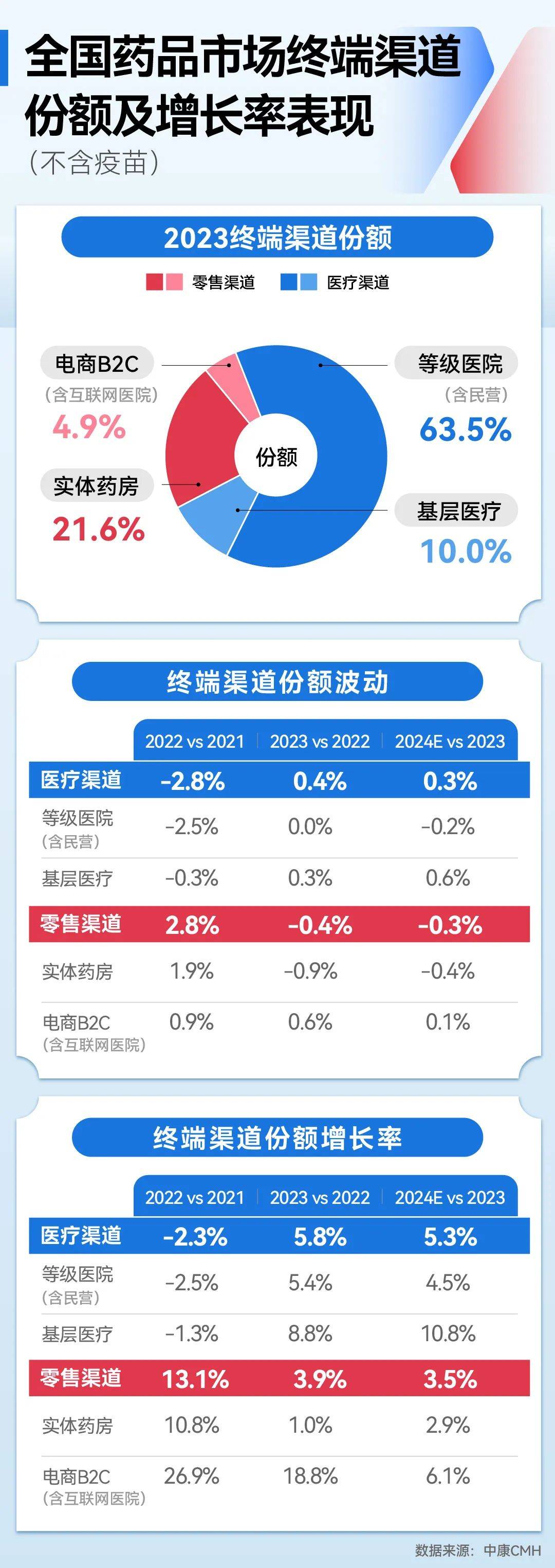
Core Viewpoint - The introduction of self-service medicine vending machines is raising concerns among traditional pharmacies about competition and regulatory compliance, particularly regarding the sale of prescription drugs [5][12][14]. Group 1: Market Trends and Data - The retail pharmacy sector is experiencing a decline in growth, with physical pharmacies projected to see a decrease of 0.4% from 2023 to 2024, following a drop of 0.9% from 2022 to 2023 [3]. - E-commerce B2C channels, including internet hospitals, are showing growth, with a 26.9% increase in 2022 compared to 2021, and an 18.8% increase in 2023 compared to 2022 [4]. - The self-service vending machines can hold over a thousand types of medications and are designed to meet the 24-hour medication needs of consumers, addressing the "last mile" issue in drug purchasing [5][7]. Group 2: Regulatory Environment - The Beijing regulations specify that self-service machines can only sell Class B non-prescription drugs (OTC), which has led to concerns about the potential for these machines to dispense prescription medications without proper oversight [9][10]. - The National Medical Products Administration has stated that self-service machines are not allowed to sell prescription drugs, emphasizing the need for regulatory compliance in the distribution of medications [13]. Group 3: Industry Concerns - Pharmacy operators are worried that self-service machines could operate without licensed pharmacists, leading to potential safety risks in medication dispensing [15][18]. - The operational costs for traditional pharmacies, including the need for licensed pharmacists, are significantly higher compared to the low overhead of self-service machines, which could create an uneven playing field [20][23]. - The rapid deployment of self-service machines could disrupt the traditional pharmacy model, as they can be set up quickly and at a lower cost compared to opening new physical locations [24][26]. Group 4: Economic Implications - The cost of maintaining a licensed pharmacist in a physical pharmacy can add approximately 20,000 yuan per month, while self-service machines do not incur such costs, leading to competitive disadvantages for traditional pharmacies [20][23]. - The profitability of self-service machines is questioned, as some operators report low revenue compared to the initial investment required for the machines [29][30]. - The potential for self-service machines to take over the market raises concerns about the sustainability of traditional pharmacies, especially in densely populated urban areas where competition is already fierce [34][35].

悦康药业: 关于上海证券交易所2024年年度报告问询函的回复公告
Zheng Quan Zhi Xing· 2025-05-27 12:19
Core Viewpoint - The company, Yuekang Pharmaceutical, reported a decline in revenue for 2024, with total revenue of 3.781 billion yuan, a year-on-year decrease of 9.90% [1] Group 1: Operating Performance - The revenue breakdown shows that cardiovascular and anti-infection products generated 2.105 billion yuan and 789 million yuan, respectively, with declines of 20.73% and 22.67% [1][4] - The gross profit margin for the company was 58.76%, with significant differences among product categories; anti-infection products had a gross margin of 6.91%, while cardiovascular products had a margin of 91.08% [1][4] - The company provided a detailed table of sales revenue, volume, unit price, and year-on-year changes for different product types [2][3] Group 2: Revenue Analysis - The decline in cardiovascular product revenue was primarily due to a drop in sales of Ginkgo biloba extract injection, which saw an 8.47% decrease in volume and a reduction in average selling price [5] - The anti-infection product revenue decline was attributed to a shrinking market demand and increased competition, leading to lower sales volumes [5] - Conversely, the digestive system product revenue increased by 123.04% due to improved sales of omeprazole enteric-coated capsules, driven by enhanced marketing strategies [5] Group 3: Gross Margin Analysis - The gross margin differences among product types were influenced by drug classification and centralized procurement impacts [6][7] - Cardiovascular products maintained high margins due to effective market development and production cost management, while anti-infection products faced lower margins due to competitive pricing pressures [7] - The company’s gross margins were compared with industry peers, showing that its margins were generally in line with industry averages [8] Group 4: Sales and Marketing Expenses - The company reported a decrease in marketing and promotion expenses from 1.715 billion yuan in 2023 to 1.242 billion yuan in 2024, a reduction of 27.59% [10][11] - The decrease was attributed to the expansion of centralized procurement, which stabilized sales volumes in public medical institutions, leading to reduced promotional activities [11] - The company’s pricing strategy for major products considered various factors, including R&D costs, market demand, and competition [12] Group 5: Related Party Transactions - The company increased its purchases from Anhui Hengshun Information Technology Co., Ltd. to 221.678 million yuan in 2024, a significant increase from the previous year [18][20] - Anhui Hengshun primarily engages in the production and sale of various pharmaceutical intermediates, and the increase in purchases was due to expanded sales channels and cost advantages [19][20] - The procurement prices from Anhui Hengshun were found to be fair and competitive compared to other suppliers [21]
悦康药业创新突围:技术突破与全球化布局双驱动
Hua Xia Shi Bao· 2025-05-23 08:04
Core Viewpoint - The article highlights the progress of Yuekang Pharmaceutical Group in developing innovative traditional Chinese medicine (TCM) products, emphasizing their commitment to high-quality drug development and the potential market opportunities for their new drugs [2][3][5]. Group 1: Product Development and Clinical Value - Yuekang Pharmaceutical is currently in the New Drug Application (NDA) review stage for three major products targeting cardiovascular, neurological, and respiratory diseases, showcasing the advantages of TCM's multi-target collaborative treatment [3][5]. - Clinical experts have expressed optimism about the three innovative drugs, with specific praise for the multi-target mechanism of Hydroxy Safflower Yellow A, which may improve long-term neurological function in acute ischemic stroke patients [3]. - The compound TCM Tongluo Jianbrain Tablets is noted for its effectiveness in treating vascular dementia, reflecting the TCM principle of addressing both symptoms and root causes [3][5]. Group 2: Market Position and Innovation - The pharmaceutical industry is transitioning from rapid growth to high-quality development, with innovation becoming the core driving force for companies to stand out [4][5]. - Yuekang Pharmaceutical is expected to solidify its industry-leading position through precise market understanding and continuous technological innovation [5]. Group 3: Internationalization and Digital Transformation - The Chinese biopharmaceutical industry is shifting towards high-quality development, with innovation and internationalization as key drivers [6]. - Yuekang Pharmaceutical has established a 500-member international R&D team and developed multiple core technology platforms, achieving significant patent breakthroughs [6][7]. - The company has partnered with Huawei for digital transformation, enhancing efficiency across various operational areas, including R&D and supply chain management [7][8]. Group 4: Commitment to Quality - The company emphasizes a strict quality control philosophy, ensuring high standards in every aspect of drug production, from raw materials to final products [2][3]. - Yuekang Pharmaceutical's commitment to quality is reflected in its extensive quality inspection center and rigorous production standards [2].
悦康药业筑牢质量根基,点燃创新引擎拥抱数字浪潮
Sou Hu Cai Jing· 2025-04-29 10:51
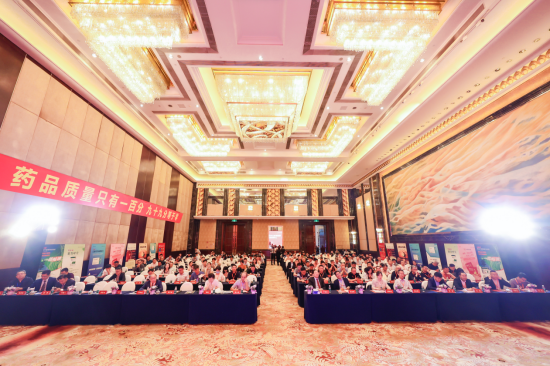
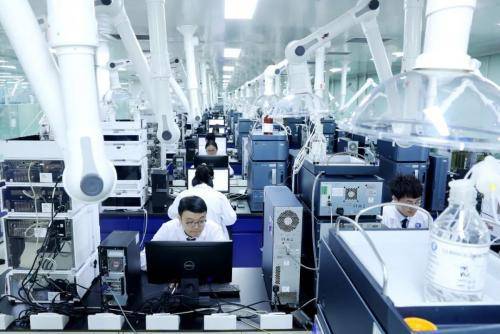
Core Viewpoint - The company, Yuyuan Pharmaceutical Group, is leveraging quality, innovation, and digitalization as its three core driving forces to achieve differentiated high-quality development in the rapidly transforming global biopharmaceutical industry [1]. Group 1: Quality - Quality is the lifeline of Yuyuan Pharmaceutical's development, exemplified by the introduction of new high-end excipients in the production of Metformin sustained-release tablets, which significantly reduced the size of the medication while ensuring efficacy and lowering material consumption [3]. - The "process innovation + quality upgrade" model has been successfully replicated in core products such as Huoxin Pill and Omeprazole enteric-coated capsules, creating a virtuous cycle of "quality improvement - market expansion - R&D iteration" [3]. Group 2: Innovation - The company maintains a high level of R&D investment, with 2024 R&D expenditure reaching 422 million yuan, accounting for 11.16% of its operating revenue [3]. - Yuyuan Pharmaceutical has achieved significant results from its continuous innovation efforts, with 63 new patent authorizations in the year, bringing the total to 317 patents [3]. - The company has broken new ground in various therapeutic areas, including the domestic ED treatment market with its drug Ailisi (Citrus Aidenafil) and advancements in traditional Chinese medicine with Hydroxy Safflower Yellow A for injection [3]. Group 3: Digitalization - Yuyuan Pharmaceutical is actively embracing digital transformation through a comprehensive strategic partnership with Huawei, focusing on building an AI drug development platform that integrates AI algorithms into all stages of drug development [4]. - The company has secured over 10 authorized patents in the field of AI drug development and published two research papers in internationally recognized journals [4]. - The AI-designed innovative drug YKYY018 has garnered significant attention within the industry, showcasing its strong innovative potential [4]. Group 4: Future Outlook - By establishing a composite development system of "quality foundation, innovation-driven, digital support," Yuyuan Pharmaceutical provides valuable insights for biopharmaceutical companies exploring new productive forces [6]. - With its unique competitive advantages, the company is expected to continue making breakthroughs in the global biopharmaceutical market, injecting new vitality into the industry's high-quality development [6].
对话悦康药业董事长于伟仕:创新是公司不变的定位,布局生物药只为闯“无人区”
Mei Ri Jing Ji Xin Wen· 2025-04-07 07:58
Core Viewpoint - The company is celebrating its 40th anniversary in the pharmaceutical industry, marking significant achievements in both generic and innovative drug development, with a clear focus on biopharmaceuticals and internationalization as key strategic directions [2][4][8]. Group 1: Company History and Development - The company was founded in 2001 by Yu Weishi, who aimed to provide affordable and high-quality medicines during a time of rapid growth in the Chinese pharmaceutical market [3]. - Initially focused on generic drug production, the company achieved significant milestones with products like Omeprazole enteric-coated capsules and Ginkgo biloba extract injection, with several products generating annual sales exceeding 1 billion or even 10 billion [3][4]. - By 2012, the company began integrating innovation into its strategy, launching its first Class 1 new drug project and later developing the first domestically produced anti-ED drug [4][5]. Group 2: Research and Development Strategy - The company has established a robust R&D team of over 500 members, collaborating with prestigious institutions to accelerate the translation of research into practical applications [5][6]. - Current R&D strategies focus on innovative drugs targeting cardiovascular diseases, cancer, and infectious diseases, while also developing high-end generic drugs with technical barriers [6][7]. - As of the end of 2024, the company has 42 ongoing research projects, including 21 innovative drugs and 21 generic drugs [4][6]. Group 3: Innovative Drug Pipeline - Several innovative drugs are in the application stage for market approval, including mRNA vaccines and nucleic acid drugs, with significant advancements in clinical trials [7][9]. - The company is actively pursuing breakthroughs in biopharmaceuticals, with a focus on nucleic acid and gene therapy, and aims to have multiple projects entering the application or clinical registration phases annually [7][9]. Group 4: Technological Advancements - The company has invested heavily in new technologies, with R&D expenditures reaching 422 million yuan, accounting for 11.16% of revenue, and has developed eleven major technology platforms [9][10]. - Innovations include breakthroughs in mRNA vaccine technology and AI integration in drug development processes, enhancing efficiency and effectiveness [10][12]. - A strategic partnership with Huawei has been established to advance digital transformation within the pharmaceutical industry [11].