威尔逊

Search documents
从 “世界工厂”到 “全球化玩家”,中国的体育叙事才开始
第一财经· 2026-02-09 06:00
Core Viewpoint - The article discusses the significant acquisition by Anta Group of a 29.06% stake in Puma for €1.506 billion, marking a milestone in the globalization of Chinese sports brands and enhancing Anta's presence in the European market and football category [3][4]. Group 1: Anta's Acquisition and Strategy - Anta Group's acquisition of Puma is seen as a strategic move to fill gaps in the European market and football segment, with a 60% premium reflecting the value of control [3]. - The successful integration of Amer Sports, acquired in 2019, demonstrates Anta's capability in managing high-value acquisitions by respecting brand identities while leveraging Chinese supply chain efficiencies [4]. - Anta's "multi-brand carrier" strategy is highlighted as a key approach in navigating the global sports market, with recent acquisitions positioning the company favorably amidst changing consumer trends [3][4]. Group 2: Other Chinese Brands' Strategies - Li Ning adopts a differentiated approach by integrating Chinese cultural elements into its sports products, aiming to break the homogenization of global sports brands [5][7]. - Xtep focuses on the professional running segment, enhancing its international presence through sponsorships and partnerships in regions with strong running cultures [8]. - Peak has sought to establish itself in overseas markets by focusing on basketball, achieving a 2.1% market share in the basketball category, the highest among Chinese brands [8]. Group 3: Overall Industry Trends - The narrative of Chinese sports brands going global varies, with Anta's acquisition strategy, Li Ning's cultural empowerment, and Xtep and Peak's niche focus collectively shaping a new landscape for Chinese sports brands [8]. - There is a growing belief that the rise of Chinese brands could disrupt the duopoly of global sports giants, although significant revenue gaps still exist [8].


观察|从 “世界工厂”到 “全球化玩家”,中国的体育叙事才开始
Di Yi Cai Jing· 2026-02-08 05:01
Core Viewpoint - Anta Group's acquisition of a 29.06% stake in Puma for €1.506 billion marks a significant milestone in the globalization of Chinese sports brands, enhancing Anta's presence in the European market and addressing its previous shortcomings in football and brand diversity [1][3]. Group 1: Anta's Strategic Moves - Anta's acquisition of Puma is seen as a strategic move to strengthen its position in the global sports market, with a 60% premium reflecting the value of control [1]. - The successful integration of Amer Sports, acquired in 2019, demonstrates Anta's capability in managing international brands while leveraging China's efficient supply chain [3][4]. - Anta's "multi-brand carrier" strategy is highlighted as a key approach, allowing it to capitalize on changing consumer trends in the global sports market [3]. Group 2: Other Chinese Brands' Strategies - Li Ning adopts a "cultural empowerment" strategy, integrating traditional Chinese culture into its sports product designs, which helps differentiate it in the global market [4][7]. - Xtep focuses on the "professional running" segment, expanding its global presence through sponsorships and partnerships in Southeast Asia and Europe [7]. - Peak has established itself as a leading basketball brand internationally, achieving a 2.1% market share in the basketball category, the highest among Chinese brands [8]. Group 3: Industry Outlook - The rise of Chinese sports brands is seen as a potential disruptor to the existing duopoly in the global sports goods industry, indicating a shift in market dynamics [8]. - Despite the current revenue gap between Chinese companies and international giants, the increasing presence of Chinese brands on the global stage reflects the overall growth of China's sports industry [8].
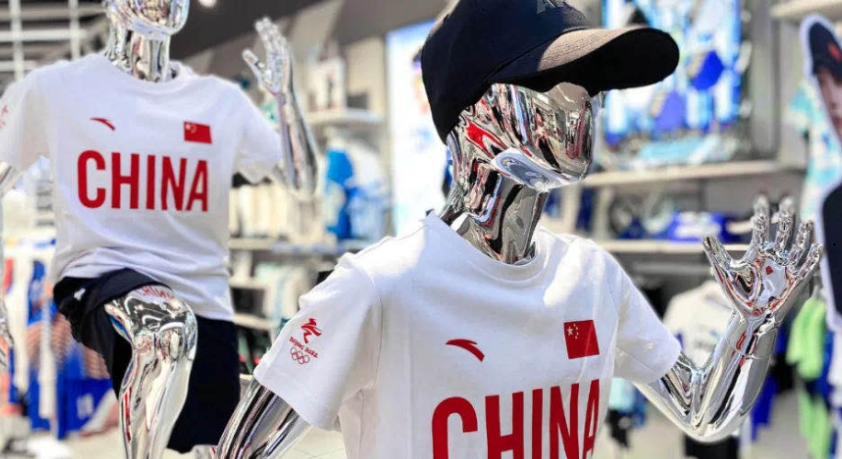
123亿抄底彪马,安踏叫板耐克与阿迪,“晋江鞋王”丁世忠反向拓荒
3 6 Ke· 2026-01-29 10:44
Core Viewpoint - Anta Sports has made a significant move in the global sports brand landscape by acquiring a 29.06% stake in Puma SE for €1.5 billion (approximately RMB 12.3 billion), positioning itself as the largest shareholder of the world's third-largest sports brand [1][2]. Group 1: Acquisition Details - The acquisition agreement was reached with the Pinault family's investment company, marking a strategic entry for Anta into the global sports market [1]. - Following the announcement, Puma's stock price surged over 20%, indicating market optimism about the deal [1]. - Anta's chairman, Ding Shizhong, emphasized the long-term value and potential of the Puma brand, suggesting that its recent stock price does not reflect its true worth [2][5]. Group 2: Strategic Implications - This acquisition is seen as a critical milestone in Anta's strategy of "single focus, multi-brand, globalization," allowing it to deepen its presence in the global sports market [5]. - Anta's approach is not merely a financial investment but a strategic move to gain a foothold in the core narrative of global sports branding, challenging the dominance of Nike and Adidas [2][20]. - The deal is viewed as a counter-cyclical investment, as Puma's stock had dropped 31.87% over the past year, with its market value nearly halved [5][11]. Group 3: Market Context - The global sports market has been characterized by a "three-way battle" among Nike, Adidas, and now Anta with Puma, shifting the competitive dynamics [17]. - Anta's acquisition is expected to enhance its resilience in a volatile global market by leveraging Puma's reputation and market position, particularly in high-growth regions like India [17][18]. - The integration of Puma into Anta's portfolio is anticipated to provide a comprehensive approach to filling key gaps in the global market, combining Anta's scale with Puma's brand equity [18]. Group 4: Operational Challenges - Puma has faced significant operational challenges, including a 10.4% decline in sales in Q3 2025 and a net loss of €62.3 million, highlighting structural issues within the brand [11][12]. - The brand's reliance on a wholesale distribution model, which accounts for about 70% of its revenue, has been criticized for undermining its market positioning and brand perception [13][14]. - Anta's experience in brand management and operational efficiency is expected to address these challenges, potentially revitalizing Puma's market presence [15][19].

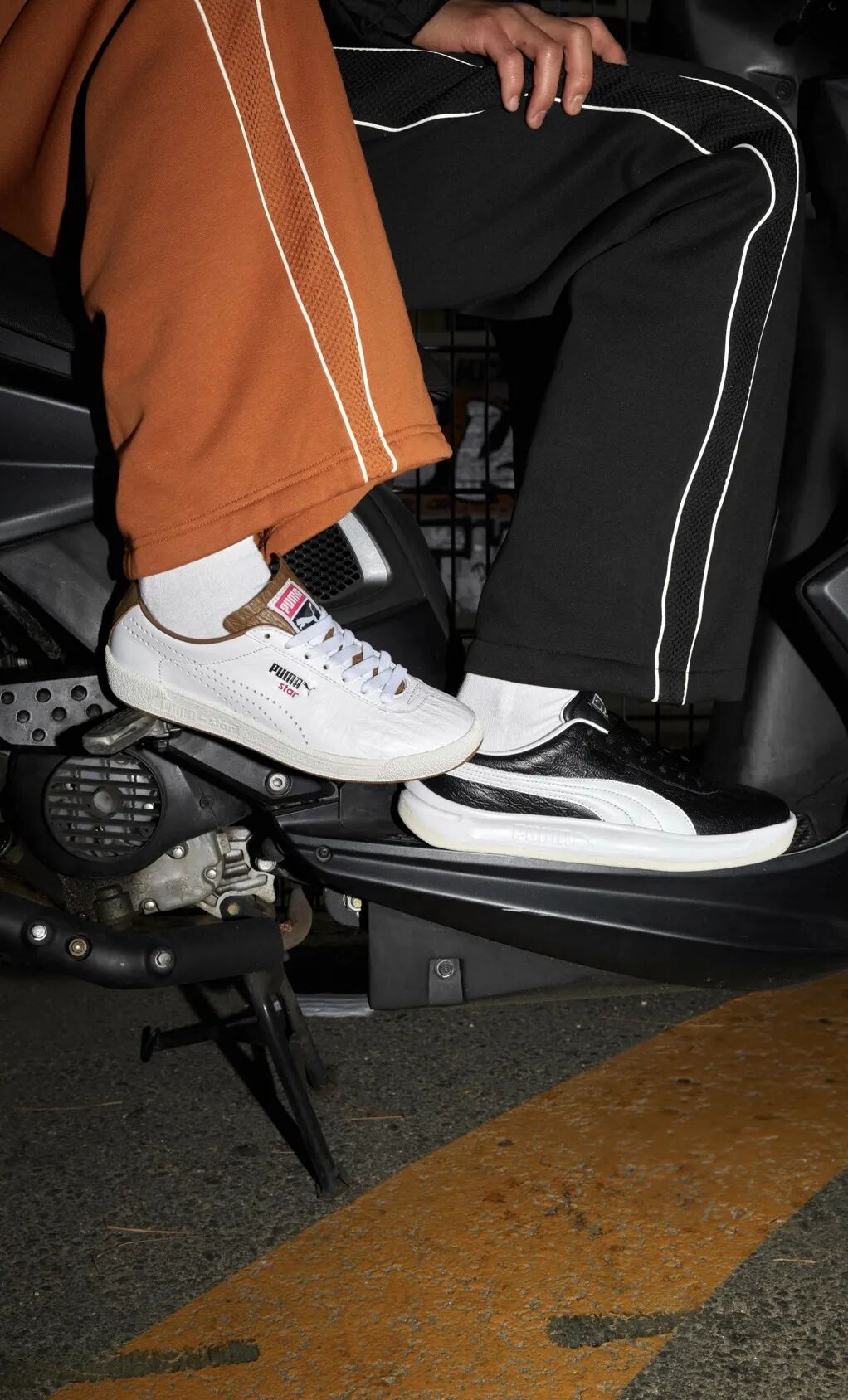
美股异动|始祖鸟“烟花秀”引发争议,母公司亚玛芬体育盘前跌近12%
Ge Long Hui· 2025-09-22 08:20
Core Viewpoint - The parent company of Arc'teryx, Amer Sports, experienced a nearly 12% drop in pre-market trading, with shares priced at $33, following a controversy related to an event in the Himalayas involving artist Cai Guoqiang [1] Company Summary - Arc'teryx, a leading outdoor brand, was founded in Vancouver, Canada in 1989 and was acquired by a consortium led by Anta Group in 2019. It is currently owned by Finnish company Amer Sports, which also owns brands like Salomon and Wilson [1] - On September 21, Arc'teryx issued an apology via its official Weibo account, promising to cooperate with government oversight and the artist team to review the environmental impact of the project, and to engage a third-party environmental organization for assessment [1]

从Amer Sports财报看户外运动行业:Amer Sports财报表现优异,未来指引谨慎乐观
Orient Securities· 2025-03-04 01:24
Investment Rating - The report maintains a "Positive" investment rating for the textile and apparel industry [5] Core Insights - The high-end outdoor sports market remains vibrant both domestically and internationally, with a notable shift in China's consumer market towards a more competitive landscape where strong brands outperform [4][25] - The report highlights the competitive advantages and moats of leading brands, recommending investments in Anta Sports (02020, Buy), Li Ning (02331, Buy), and Xtep International (01368, Buy), while suggesting to pay attention to Biyinlefen (002832, Buy) and Baoxini (002154, Buy) [4][25] Summary by Sections Financial Performance - Amer Sports reported a revenue of $5.183 billion for 2024, an 18% year-on-year increase, exceeding the guidance of 16-17% [7][8] - The adjusted operating profit margin for 2024 was 11.1%, up 1.3 percentage points year-on-year, also above the guidance of 10.5-11% [7][8] - In Q4 2024, revenue reached $1.636 billion, a 23% increase year-on-year, with a gross margin of 56.1%, up 3.7 percentage points [9][19] Segment Performance - Functional apparel drove overall revenue growth in Q4 2024, with revenue of $745 million, a 33% increase year-on-year [12][14] - Outdoor apparel revenue was $594 million, up 13% year-on-year, primarily driven by Salomon brand [12][14] - Revenue from ball sports and racquet sports reached $296 million, a 22% increase year-on-year [13][14] Regional Insights - The Greater China region remains a key growth engine, with Q4 revenue increasing by 54% year-on-year, followed by the Asia-Pacific region at 52% [16][19] - The Americas and EMEA regions saw revenue growth of 15% and 8% respectively [16][19] Future Guidance - For 2025, Amer Sports projects a revenue growth rate of 13-15%, with specific guidance for functional apparel at 20%, outdoor apparel in the low double digits, and ball sports in the low to mid double digits [21][22] - The company anticipates an operating profit margin of 11.5%-12% for 2025, leaning towards the lower end of the range due to macro uncertainties [21][22] Store Expansion Plans - Amer Sports plans to open 200 stores for the Arc'teryx brand in North America, 75-100 in Europe, 75-100 in the Asia-Pacific region (excluding China), and 150-200 in China by 2025 [24][22]