
存量商品房

Search documents
房地产专题报告:收储助力房地产市场去库存、优供给
Tai Ping Yang Zheng Quan· 2026-03-30 12:05
Investment Rating - The report suggests a positive outlook for the real estate industry, emphasizing the importance of inventory reduction and the acquisition of existing properties for affordable housing [6][8]. Core Insights - The report highlights the government's increasing support for the acquisition of existing properties, particularly for affordable housing, as a key strategy to stabilize the real estate market [4][6]. - It notes that various cities are actively promoting the acquisition of existing properties, with over 36 key cities issuing clear acquisition announcements and more than 80 cities supporting local state-owned enterprises in purchasing existing housing [15][20]. - The report also discusses the issuance of special bonds to facilitate the acquisition of idle land, with over 5,500 projects planned, covering nearly 300 million square meters and exceeding 750 billion yuan in total value [5][6]. Summary by Sections 1. Progress on Acquiring Existing Properties - Since 2024, the central government has repeatedly emphasized policies supporting the acquisition of existing properties, with the 2026 government work report specifically mentioning the encouragement of such acquisitions for affordable housing [10][12]. - By mid-February 2026, 36 key cities had issued clear acquisition announcements, and over 80 cities had expressed support for local state-owned enterprises to acquire existing housing [15][20]. 2. Case Study: Shanghai - Shanghai has initiated a market-driven approach to acquire existing properties for affordable rental housing, with pilot projects launched in districts such as Pudong, Jing'an, and Xuhui [33][44]. - The report details the specific requirements and types of properties being targeted for acquisition in these districts, highlighting the focus on small-sized, affordable units [33][34]. 3. Progress on Acquiring Idle Land - The report indicates that since 2024, various policies have been implemented to support the acquisition of idle land, with 26 out of 31 provinces announcing plans to use special bonds for this purpose [5][6]. - As of March 26, 2026, the total amount of special bonds issued for acquiring idle land reached approximately 541.56 billion yuan, with Guangdong and Zhejiang provinces leading in issuance [5][6]. 4. Investment Recommendations - The report recommends focusing on local state-owned enterprises and developers involved in the acquisition of existing properties and idle land, as these efforts are expected to stabilize the real estate market and improve living conditions [6][20].
多所高校收购商品房作学生宿舍
第一财经· 2026-01-27 09:51
Core Viewpoint - The article discusses the increasing trend of universities in China purchasing existing residential properties to address student accommodation shortages, particularly in light of recent government initiatives to promote stable and healthy development in the real estate market [3][5]. Group 1: Government Initiatives - The Hunan Provincial Government has issued measures to promote stable economic growth in the first quarter of 2026, including the acquisition of existing residential properties for use as student dormitories and other types of housing [3]. - In 2026, Hunan plans to acquire over 2 million square meters of existing residential properties for various housing needs, including student dormitories [3]. Group 2: University Actions - Since 2025, several universities have begun purchasing existing properties for student accommodation, with notable examples including Hefei University of Technology and China University of Mining and Technology [3]. - The procurement project by Central South University for purchasing existing residential properties for student dormitories has a budget of approximately 295.38 million yuan [4]. Group 3: Project Details - Hubei University has acquired 352 existing residential units for student accommodation, with a total construction area of 37,048.04 square meters, providing 2,800 new student beds at an estimated investment of 198 million yuan [4]. - This project is recognized as the first nationwide initiative to convert existing residential properties into student dormitories [4]. Group 4: Industry Analysis - The National Development and Reform Commission has highlighted the ongoing challenges in student accommodation, including insufficient bed supply and the need for improved living conditions [5]. - The strategy of purchasing existing properties is seen as beneficial for alleviating accommodation pressure and improving living conditions for students, aligning with the "14th Five-Year Plan" goals [5]. - The acquisition of existing properties significantly reduces construction time and mitigates delivery risks, while current property price adjustments may make this approach more cost-effective compared to new construction [5].

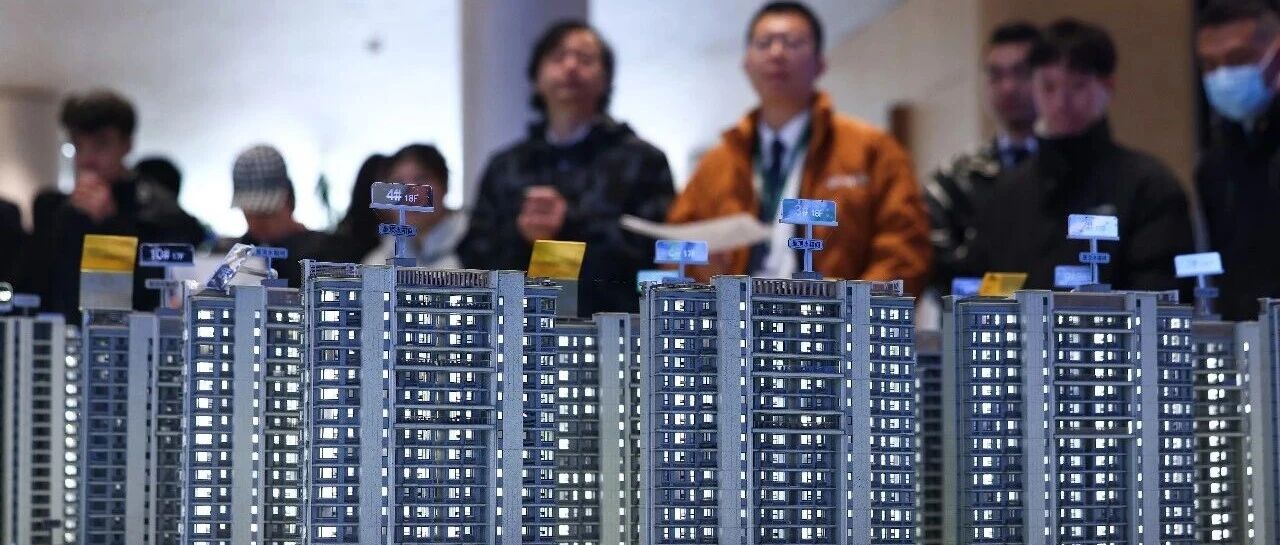
多所高校收购商品房作学生宿舍 湖南发文推进
Di Yi Cai Jing· 2026-01-27 08:56
Group 1 - The core viewpoint of the articles highlights the increasing trend of universities purchasing existing residential properties to address student accommodation shortages, particularly following expansions in student enrollment [1][2][3] - The Hunan Provincial Government has initiated measures to promote stable and healthy development in the real estate market, including the acquisition of existing residential properties for various housing needs, such as student dormitories [1] - In 2026, Hunan plans to acquire over 2 million square meters of existing residential properties for use as affordable housing, relocation housing, and student dormitories [1] Group 2 - In February 2025, Hubei University acquired 352 existing residential units for student accommodation, marking the first project in the country to convert existing residential properties into student dormitories [2] - The project at Hubei University involves a total building area of 37,048.04 square meters, providing 2,800 new student beds, with an estimated investment of 198 million yuan [2] - The National Development and Reform Commission has issued guidelines encouraging universities to supplement dormitory resources through the purchase or lease of nearby residential properties [2][3] Group 3 - The purchase of existing residential properties for student accommodation is seen as a way to alleviate accommodation pressure and improve living conditions for students, aligning with the "14th Five-Year Plan" recommendations [3] - Acquiring existing properties significantly shortens construction timelines and mitigates delivery risks, while current property price adjustments may make this approach more cost-effective compared to new construction [3]
多所高校收购商品房作学生宿舍,湖南发文推进
Di Yi Cai Jing· 2026-01-27 08:56
Group 1 - Hunan plans to acquire over 2 million square meters of existing commercial housing in 2026 for various purposes including affordable housing, resettlement housing, dormitories, and talent housing [1] - The initiative is part of measures to promote stable and healthy development in the real estate market, as outlined in a recent government document [1] - Several universities have already begun purchasing existing real estate for student dormitories since 2025, addressing accommodation shortages due to increased enrollment [1] Group 2 - The budget for the procurement of existing real estate for student dormitories at Central South University is set at 29.538 million yuan, with the supplier being Hunan Wangdefu Investment Development Co., Ltd [2] - Hubei University has also gained attention for acquiring 352 units of existing commercial housing for student accommodation, with a total building area of 37,048.04 square meters and an estimated investment of 198 million yuan [2] - This project is noted as the first nationwide initiative to convert existing housing into student dormitories, highlighting a trend in addressing student accommodation needs [2] Group 3 - The National Development and Reform Commission's guidelines emphasize the need for improved student dormitory conditions and encourage universities to supplement accommodation resources through purchasing or leasing nearby properties [3] - The purchase of existing housing for student dormitories is seen as a way to alleviate accommodation pressure and enhance living conditions for students, aligning with national planning goals [3] - Acquiring existing properties significantly reduces construction time and mitigates delivery risks, while current market conditions may make this approach more cost-effective compared to new construction [3]
广州:加快推动存量商品房去库存 继续推进收购存量商品房用于保障性住房、城中村改造安置房等
Guang Zhou Ri Bao· 2026-01-21 02:12
Core Viewpoint - The Guangzhou Housing and Urban-Rural Development Bureau emphasizes the need to implement central government policies to stabilize and improve the real estate market by 2026, focusing on managing current and long-term relationships, controlling new supply, reducing inventory, and optimizing supply [1] Group 1: Market Management Strategies - The strategy includes controlling new housing demand, scientifically arranging land supply, and guiding financial resource allocation to achieve a balance between supply and demand in the market [1] - The approach to reducing inventory involves accelerating the removal of existing housing stock, promoting the acquisition of existing homes for affordable housing, and enhancing policies that support trading of existing homes [1] - The optimization of supply will focus on orderly development of high-quality housing, establishing standards for "good houses," and encouraging real estate companies to develop various sizes and price points of quality housing [1]
广州:加快推动存量商品房去库存继 续推进收购存量商品房用于保障性住房、城中村改造安置房等
Guang Zhou Ri Bao· 2026-01-20 06:53
Core Viewpoint - The Guangzhou Municipal Housing and Urban-Rural Development Bureau emphasizes the need to implement central government policies to stabilize and improve the real estate market by managing supply and demand effectively [1] Group 1: Market Development Strategy - In 2026, the focus will be on balancing current and long-term needs, as well as managing both incremental and existing housing stock [1] - The strategy includes "controlling increment, reducing inventory, and optimizing supply" to enhance market expectations and promote stable development [1] Group 2: Controlling Increment - The bureau plans to rationally determine housing demand and scientifically arrange land supply while guiding financial resource allocation to achieve market equilibrium [1] Group 3: Reducing Inventory - Efforts will be made to accelerate the reduction of existing housing inventory, including the acquisition of existing properties for affordable housing and urban village redevelopment [1] - Policies such as "selling old for new" will be supported to facilitate transactions in existing housing [1] Group 4: Optimizing Supply - There will be a systematic push for the construction of "good houses," with the establishment of a standard system to guide real estate developers in creating diverse housing options [1] - The initiative aims to create demonstration communities featuring "good houses" [1]
稳楼市需在政策和改革上做出突破
2 1 Shi Ji Jing Ji Bao Dao· 2025-12-16 22:59
Core Viewpoint - The central economic work conference emphasizes stabilizing the real estate market through city-specific policies, controlling new supply, reducing inventory, and optimizing supply, while encouraging the acquisition of existing properties for affordable housing [1][2]. Group 1: Market Stabilization - The focus for 2026 will remain on stabilizing the real estate market, with significant efforts made previously to alleviate market pressures, yet there is a need for better balance in supply and demand across various cities [1]. - The inventory cycle for new and second-hand homes varies by city, with some areas experiencing prolonged inventory clearance periods [1]. - The development of high-quality projects is ongoing, but issues of scale and homogeneity persist, leading to pressure on new home sales [1]. Group 2: Housing Demand Dynamics - Housing demand is diversifying, with varying potential and supply gaps across different urban areas, influenced by population and employment shifts [1][2]. - The rental market and second-hand housing are absorbing some of the new housing demand, indicating a shift towards a dual rental and purchase model [2]. - In 30 key cities, nearly 70% of housing transactions are for second-hand homes, highlighting a significant shift in consumer behavior [2]. Group 3: Affordable Housing Initiatives - The acquisition of existing properties for affordable housing is a response to the growing demand from new urban residents, with a focus on low-cost housing solutions [3][4]. - The financial burden on local governments necessitates innovative approaches to mobilize existing housing stock for public benefit [3]. - The integration of policies supporting both existing and new housing initiatives is crucial for effective market management [3]. Group 4: New Housing Models - Encouragement of diverse participation from developers, long-term rental companies, and other stakeholders is essential for revitalizing the housing market [4]. - The exploration of new usage models for acquired properties, such as transforming them into long-term rentals or community spaces, is being prioritized [4][5]. - The aim is to elevate the overall quality of housing supply, creating a dynamic balance between high-quality supply and demand [5].
划重点:中央鼓励收房
Xin Lang Cai Jing· 2025-12-12 14:20
Core Viewpoint - The central economic work conference emphasizes the need to stabilize the real estate market, with a focus on "controlling increment, reducing inventory, and optimizing supply" as a targeted deployment based on the assessment of market trends [1][11]. Group 1: Market Conditions - As of the end of October, the total unsold commercial housing area in China has decreased for eight consecutive months, yet still stands at 75,606 million square meters, indicating that inventory reduction remains crucial for stabilizing the market [4][14]. - The current urban development landscape in China has shifted from building on a "blank slate" to updating the "existing map," marking 2025 as a critical phase for deep adjustment and structural reshaping in the real estate market [3][13]. Group 2: Inventory Management Strategies - Future inventory reduction strategies will focus on "optimizing existing stock and controlling new supply." Encouraging the acquisition of existing commercial housing for use as affordable housing is expected to be a key measure to activate inventory, improve supply-demand relationships, and address housing difficulties for certain groups [5][15]. - Local governments, such as Guangzhou, are actively promoting the acquisition of existing commercial housing for affordable housing purposes and are increasing their acquisition efforts [5][15]. Group 3: Policy and Structural Reforms - The conference highlights the need to deepen the reform of the housing provident fund system to enhance its role and release market potential. Since 2025, over 260 policies related to the provident fund have been introduced nationwide, with expectations for further deepening of measures in 2026 to inject more "vitality" into housing consumption [7][17]. - The approach to controlling new supply is not merely about reducing land supply but involves optimizing the structure under total control, closely aligning with the construction of "good houses" [8][18]. Group 4: Quality Housing Development - The conference calls for the orderly promotion of "good house" construction, which has emerged as a key focus for high-quality development in the real estate sector. This involves not only product upgrades but also a reshaping of the industry value chain [9][19]. - The standard for "good houses" is expected to shift real estate companies from scale expansion to quality cultivation, emphasizing green low-carbon, smart home, and age-friendly design, thereby accelerating transformation and upgrading [10][20]. - The transition in the real estate sector is clear: moving away from high turnover and high leverage models towards a new phase focused on inventory operations and quality-first approaches, which is essential for fostering healthy industry development [10][21].
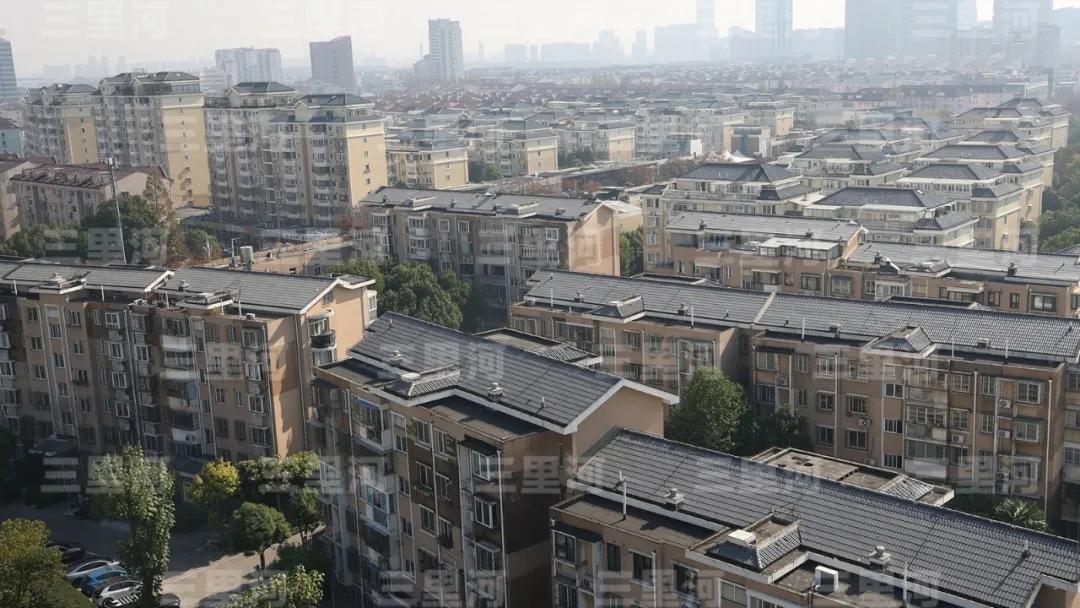
中央鼓励收房
Zhong Guo Xin Wen Wang· 2025-12-12 06:16
Core Viewpoint - The central economic work conference emphasizes the need to stabilize the real estate market, focusing on policies tailored to specific cities to control new supply, reduce inventory, and improve supply quality [1][3]. Group 1: Market Trends and Adjustments - The real estate market in China is entering a critical phase of deep adjustment and structural reshaping in 2025, with a significant decrease in unsold housing inventory for eight consecutive months, totaling 75.606 million square meters [3]. - The current urban development landscape indicates that real estate construction is no longer on a "blank slate" but rather involves updating existing conditions [2]. Group 2: Inventory Management Strategies - The primary strategy for reducing inventory involves "optimizing existing stock and controlling new supply," with a focus on encouraging the acquisition of existing properties for use as affordable housing [4]. - Local governments, such as Guangzhou, are actively pursuing the acquisition of existing properties to be repurposed for affordable housing, increasing their acquisition efforts [5]. Group 3: Policy Initiatives and Market Support - The conference highlights the need to deepen housing provident fund reforms to enhance its role in the market, with over 260 policies introduced nationwide since 2025, aimed at increasing loan limits and expanding usage [6]. - The approach to controlling new supply is not merely about reducing land supply but involves optimizing the structure under total control, aligning with the construction of "good houses" [6]. Group 4: Quality Development Focus - The emphasis on "good house" construction is seen as a key aspect of high-quality development in the real estate sector, shifting focus from scale expansion to quality enhancement, including green, smart, and elderly-friendly designs [6]. - The industry is transitioning from a model characterized by high turnover and leverage to one focused on inventory operation and prioritizing quality, marking a significant shift in the real estate development paradigm [6].
多所高校买房“爆改”学生宿舍,改善学生住宿条件
2 1 Shi Ji Jing Ji Bao Dao· 2025-12-02 01:01
Core Insights - Several universities in China are purchasing existing residential properties to convert them into student dormitories, addressing the shortage of accommodation while revitalizing surrounding real estate [1] Group 1: University Initiatives - China University of Mining and Technology (Xuzhou) plans to invest 293 million yuan to acquire existing real estate for student dormitories [1] - Hubei University was the first to implement this strategy, proposing to spend nearly 200 million yuan to purchase 352 units of existing residential properties for dormitory use [1] - The newly converted dormitory at Hubei University has added 2,800 student beds, alleviating the issue of tight accommodation [1] Group 2: Alternative Solutions - In addition to purchasing properties, universities are also exploring leasing existing residential units to address dormitory shortages [1] - Zhejiang University and China University of Political Science and Law are among those planning to lease surrounding properties for student accommodation [1]