
宽体客机

Search documents
得罪全欧洲后,特朗普马上转向,对我们送双重大礼,大事有得求中国办
Sou Hu Cai Jing· 2026-01-22 17:39
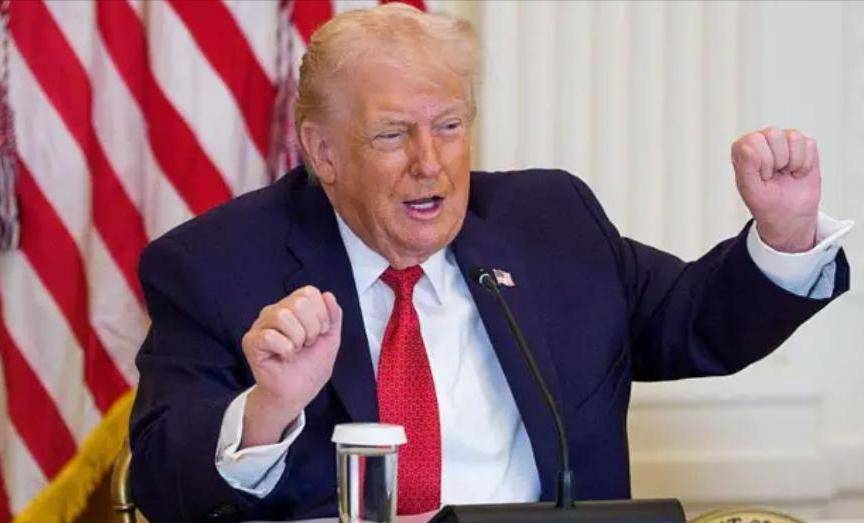
Group 1 - The U.S. is shifting its diplomatic stance towards China after facing backlash from European allies and internal pressures, indicating a need for cooperation to manage escalating tensions [1][5][11] - The announcement of a 10% tariff on eight European countries by the Trump administration led to immediate retaliatory measures from the EU, including a €93 billion countermeasure list, highlighting the fragility of U.S.-Europe relations [1][3] - The U.S. financial markets reacted negatively to the tariff announcements, with significant declines in stock and bond markets, and a surge in gold prices, indicating investor anxiety and the economic repercussions of the tariffs [1] Group 2 - The U.S. military is stretched thin, with a notable decrease in aircraft carrier deployments, which has raised concerns about its operational capabilities across multiple regions [5] - American businesses are under pressure due to their reliance on the Chinese market, with ongoing trade tensions threatening their stability and profitability [6] - China's response to U.S. overtures has been measured, emphasizing the importance of maintaining its own economic interests and leveraging its strong market position, as evidenced by a 12% increase in exports to Belt and Road countries [8] Group 3 - The U.S. is attempting to alleviate geopolitical pressures by softening its stance on trade negotiations with China, proposing a tiered approach to discussions while simultaneously imposing restrictions on Chinese technology [9] - The U.S. strategy appears to be a mix of cooperation and coercion, as it seeks to negotiate trade terms while maintaining a hardline stance on issues like semiconductor supply chains [9][11] - China's advancements in renewable energy and 5G technology position it favorably in the global market, reducing its dependency on U.S. security guarantees and dollar transactions [11]

特朗普神助攻!欧洲终于做出选择,马克龙之后,又有欧洲政要访华,美欧同盟名存实亡?
Sou Hu Cai Jing· 2025-12-09 08:26
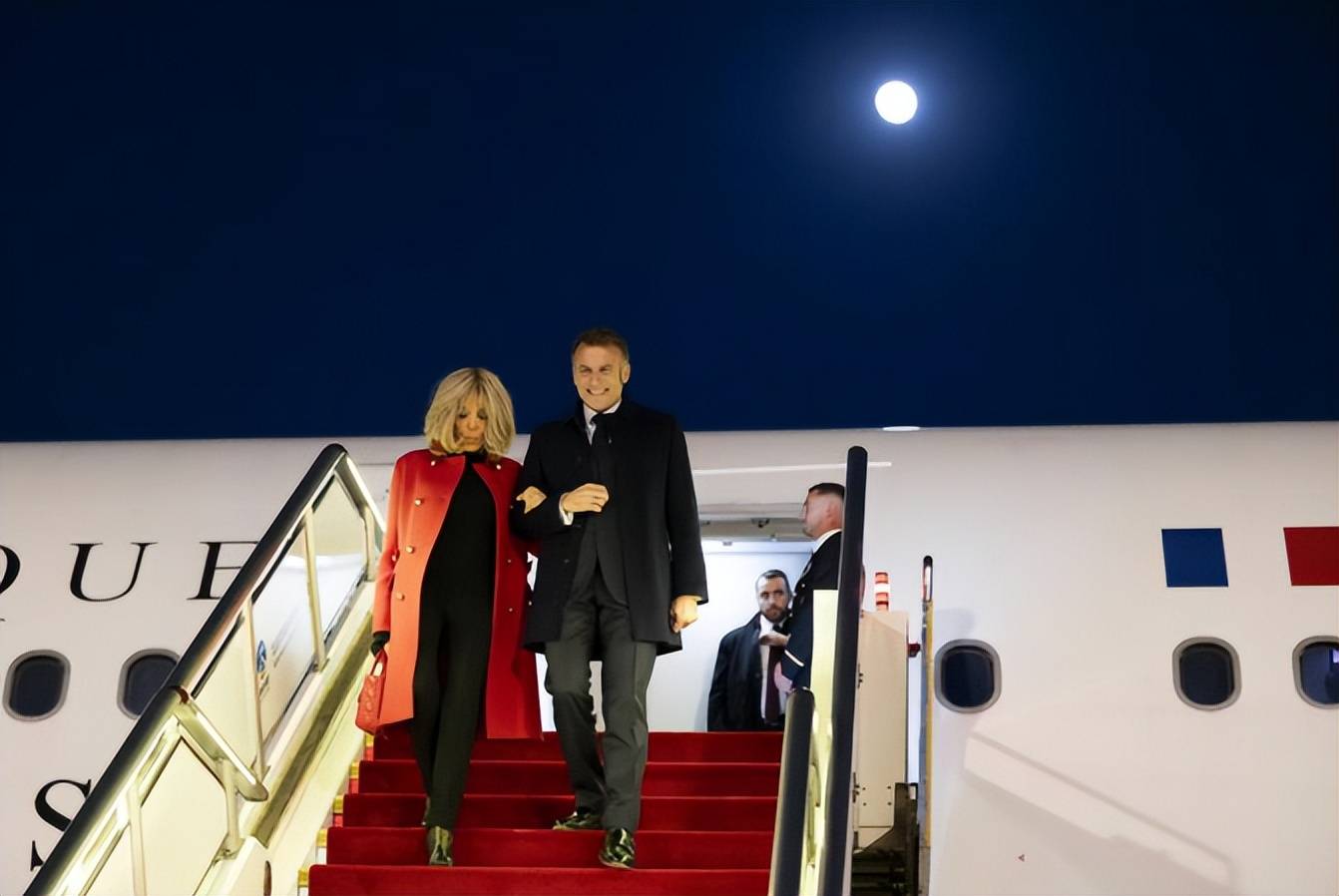
Core Viewpoint - European countries are collectively shifting their focus towards China, driven by dissatisfaction with the United States' recent policies and actions, particularly under the Trump administration [1][3][10]. Group 1: European Shift Towards China - The recent visits by European leaders to China, including French President Macron and German Foreign Minister Baerbock, signify a strategic pivot towards China as a response to perceived neglect and hostility from the U.S. [1][7] - The U.S. has imposed tariffs on European goods, including a 25% tariff on EU steel and aluminum products and a 32% punitive tariff on Italian leather goods, which has strained trade relations [3][4]. - The economic outlook for the EU is bleak, with projected GDP growth of only 1.4% by 2025, exacerbated by U.S. tariffs affecting key industries like automotive and chemicals [4]. Group 2: Strengthening Sino-European Relations - During Macron's visit, significant cooperation agreements were signed, including joint development of wide-body aircraft and operational contracts for nuclear power, indicating a deepening economic relationship [5][7]. - Germany's focus has shifted from market access to supply chain security, highlighting the importance of Chinese technology and support for European industries [7]. - The EU's desire for "strategic autonomy" reflects a collective sentiment to avoid being subservient to U.S. interests, with leaders emphasizing the need for equal partnerships [7][10]. Group 3: Future Implications - The ongoing cooperation between China and Europe is expected to expand beyond trade to include digital economy and green transition initiatives, as evidenced by the resumption of the EU-China investment agreement negotiations [8]. - The shift towards China is not a rejection of the U.S. but rather a rational choice in a multipolar world, as European leaders seek to balance their interests amid U.S. protectionism [10].
环球市场动态:低基数效应主导内地社融增长
citic securities· 2025-05-15 03:22
Market Overview - Chinese stock market sentiment improved, with major financial sectors like banking and insurance experiencing significant gains, while the European markets generally declined due to cautiousness over the Russia-Ukraine negotiations[3] - U.S. stock performance was mixed, with technology stocks leading gains, particularly following President Trump's Middle East visit which resulted in substantial chip orders[3] Economic Indicators - China's April social financing growth accelerated, primarily due to low base effects from last year, with government bond issuance and credit demand both contributing to this[5] - U.S. crude oil inventories unexpectedly rose, leading to a decline in international oil prices from two-week highs, while gold prices hit a one-month low amid easing trade tensions[4][28] Fixed Income Market - U.S. Treasury yields rose as market participants reduced expectations for Federal Reserve rate cuts, with the 10-year yield closing above 4.5% for the first time since February[4][31] - Asian investment-grade bonds showed resilience, with spreads narrowing by 2-4 basis points, particularly driven by demand in the TMT sector[31] Stock Performance - The Hang Seng Index and the National Enterprises Index rose by 2.3% and 2.47% respectively, driven by strong performances in technology and financial sectors[10] - Tencent's Q1 revenue increased by 12.9% year-on-year, with net profit rising by 18.3%, highlighting strong growth in online gaming and advertising[14] Currency and Commodity Trends - The U.S. dollar index stabilized after initial declines, closing at 101.039, while gold prices fell by 1.83% to $3,188.3 per ounce[28][27] - Brent crude oil prices decreased by 0.81%, closing at $66.09 per barrel, reflecting market reactions to inventory data[28] Sector Insights - The semiconductor sector showed mixed results, with companies affected by tariffs experiencing volatility, while AI and semiconductor software sectors remained relatively insulated[7] - The white liquor industry is facing pressure on earnings growth due to weak consumer demand, but shareholder returns are being enhanced through increased dividends and buybacks[20]