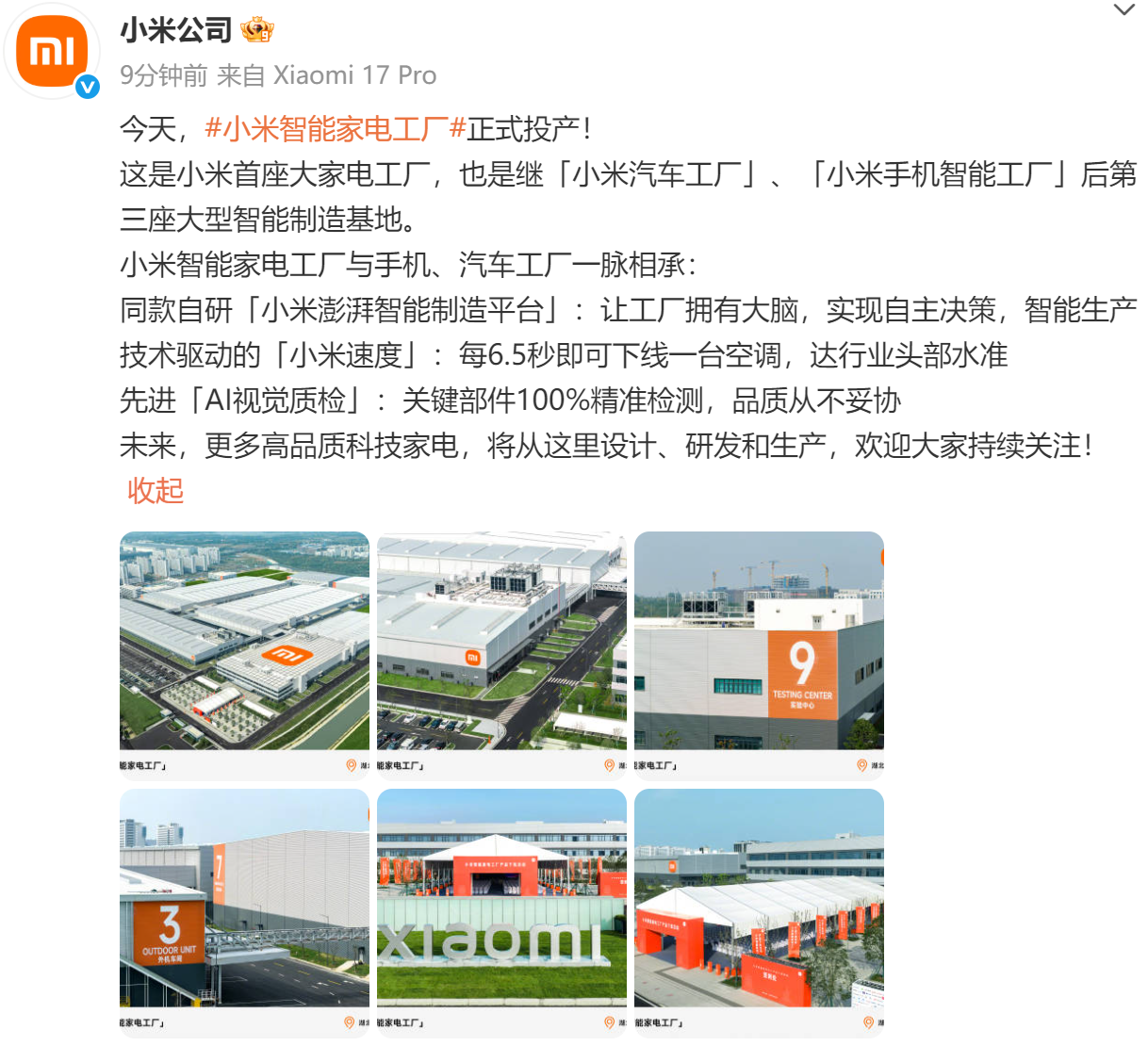
小米澎湃智能制造平台

Search documents
从数“字”到数“智”,一字之变深意何在?
Chang Jiang Ri Bao· 2025-12-31 08:43
Core Insights - The article highlights the emergence of the "smart economy" in Wuhan, emphasizing the integration of artificial intelligence (AI) with various industries, marking a shift from a digital economy to a more advanced stage of economic development [3][4] Group 1: Industry Development - The "smart economy" is defined as a new economic form resulting from the deep integration of AI across different sectors, representing a higher stage of digital economy development [3] - Wuhan's AI industry is projected to reach a scale of 700 billion yuan by 2024, with expectations to surpass 1 trillion yuan this year, indicating rapid growth and a strong presence of over 1,000 AI companies [4][6] - The city has seen significant advancements in AI applications, such as real-time monitoring in manufacturing and urban planning, which enhance operational efficiency and proactive governance [4][8] Group 2: Infrastructure and Talent - Wuhan boasts a robust infrastructure with 40 5G base stations per 10,000 people and over 5,000P of high-performance computing power, facilitating smart economy initiatives [6] - The city is home to more than 90 universities, with 33 having established AI colleges, ensuring a steady supply of talent for the AI sector [6] Group 3: Policy Support - A series of policies aimed at promoting AI industry development have been implemented, positioning Wuhan as a leading hub for AI innovation and industrial growth [7] - The government is focused on creating a collaborative environment where enterprises can address real-world problems through innovation, supported by data-driven mechanisms [9] Group 4: Application Scenarios - Wuhan has released 103 typical AI application scenarios across various fields, including smart manufacturing and healthcare, which are expected to drive the iterative upgrade of the smart economy [8] - Notable examples include Xiaomi's smart appliance factory and Lantu's automotive production, both leveraging AI to enhance production efficiency and reduce costs [8]

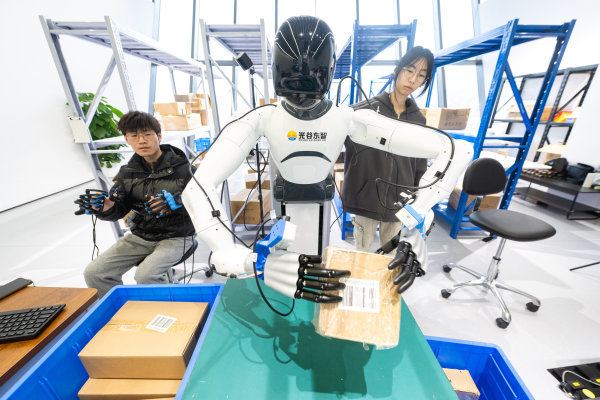
小米登上《人民日报》头版,雷军:小米坚持技术为本
Xin Lang Ke Ji· 2025-12-01 01:43
Core Insights - Xiaomi emphasizes its commitment to technology and innovation, having invested over 100 billion yuan in R&D over the past five years, with plans to invest over 200 billion yuan in the next five years [1][5][6] Group 1: R&D and Innovation - Xiaomi's R&D investment for 2024 is projected to exceed 24 billion yuan, with total expected investment over the next five years surpassing 200 billion yuan [5] - The company employs over 24,000 R&D personnel, accounting for nearly 50% of its total workforce [5] - Xiaomi focuses on three key technology areas: chips, artificial intelligence, and operating systems, aiming to integrate AI into various products [5][6] Group 2: Manufacturing and Production Efficiency - Xiaomi's automotive factory utilizes advanced manufacturing techniques, reducing production time by 45% and manufacturing processes by 80% through the use of integrated die-casting equipment [8][9] - The company has established large smart factories for automotive, smartphones, and smart home appliances, enhancing digital and intelligent production management [9] Group 3: Global Expansion and Market Presence - Xiaomi ranks among the top three smartphone vendors in 57 countries and regions, with significant market shares in Latin America, the Middle East, Europe, Southeast Asia, and Africa [11][12] - The company is expanding its retail presence in Southeast Asia, with plans to open over 130 new stores by the third quarter of 2025 [12] - Xiaomi's global operations have created over 2,000 foreign jobs and established 11 cooperative factories in seven countries, contributing to local economic development [13]
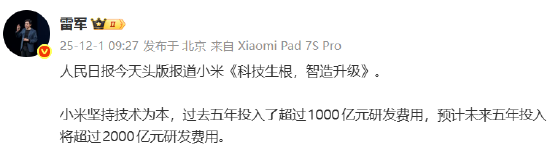
小米集团坚持创新驱动——科技生根 智造升级(走企业,看高质量发展)
Ren Min Ri Bao· 2025-11-30 22:04
Core Insights - Xiaomi is focusing on technological innovation as a key driver for high-quality development, with significant investments in research and development planned for the coming years [3][4]. Group 1: Technological Innovation - Xiaomi's self-developed 3nm processor, the Xuanjie O1, integrates approximately 19 billion transistors, showcasing the company's commitment to advanced technology [2]. - The company plans to invest over 24 billion yuan in R&D in 2024, with a projected total of over 200 billion yuan in the next five years [3]. - Xiaomi's R&D workforce exceeds 24,000, accounting for nearly 50% of its total employees, emphasizing the importance of innovation in its business model [3]. Group 2: Smart Manufacturing - Xiaomi's automotive factory utilizes advanced manufacturing techniques, including a 9,100-ton die-casting machine that reduces manufacturing processes by 80% and production time by 45% [6]. - The company has established three large smart factories for automotive, smartphones, and smart home appliances, implementing a digital and intelligent manufacturing platform [7]. - Xiaomi's smart manufacturing platform connects over 200 manufacturing enterprises, enhancing production efficiency and product quality across various sectors [7]. Group 3: Global Expansion - Xiaomi ranks among the top three smartphone vendors in 57 countries and regions, with significant market presence in Latin America and the Middle East [8][9]. - The company is expanding its retail presence in Southeast Asia, with plans to open over 130 new stores by the first three quarters of 2025, enhancing brand visibility and consumer experience [9]. - Xiaomi's global operations have created over 2,000 foreign jobs and established 11 cooperative factories in seven countries, contributing to local economic development [10]. Group 4: Brand Perception - The emphasis on innovation and quality is reshaping the global perception of Chinese technology companies, with Xiaomi leading this change [11].

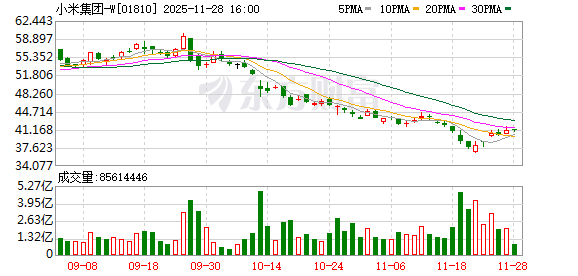
雷军:所有产业都值得用 AI 再做一遍
Sou Hu Cai Jing· 2025-11-28 10:24
Core Viewpoint - The founder of Xiaomi, Lei Jun, emphasizes that the next five years will be a critical window for the profound impact of artificial intelligence (AI) on traditional industries, suggesting that all industries are worth re-evaluating with AI's empowerment [1] Group 1: AI in Manufacturing - Xiaomi's internal operations in its automotive factory reveal how AI addresses previously unsolvable pain points in traditional manufacturing [2] - The introduction of AI visual models and X-ray technology in automotive manufacturing has significantly improved the efficiency of large die-casting part inspections, achieving a tenfold increase in detection efficiency, with full inspections taking only two seconds [3][5] - The precision of these AI-driven inspections is over five times better than traditional methods, marking a new height in manufacturing efficiency and quality control for Xiaomi [5] Group 2: Broader Applications of AI - Xiaomi's smart home appliance factory in Wuhan serves as a testing ground for AI technology, achieving a remarkable production speed of one air conditioner every 6.5 seconds, with key component inspection accuracy at 100% [5] - The early and deep application of AI tools is becoming a watershed for companies to build core competitive advantages [5] Group 3: Market Potential and Collaboration - The deep integration of AI with traditional industries is expected to create a massive market worth trillions, necessitating collaboration among industry leaders to drive systemic upgrades across the supply chain [6] - Lei Jun outlines an aggressive timeline for the large-scale application of humanoid robots in the next five years, which will enhance production efficiency and take on more repetitive or high-risk tasks [7] Group 4: Future Outlook - The potential for humanoid robots in household scenarios is anticipated to surpass that in industrial settings as technology matures, indicating a broader market space [7] - The penetration of AI across various sectors signals that adapting to this new trend is essential for companies to seize opportunities and avoid being eliminated in the upcoming industry reshuffle [8]
武汉成全球巨头青睐的投资热土
Chang Jiang Ri Bao· 2025-11-20 00:34
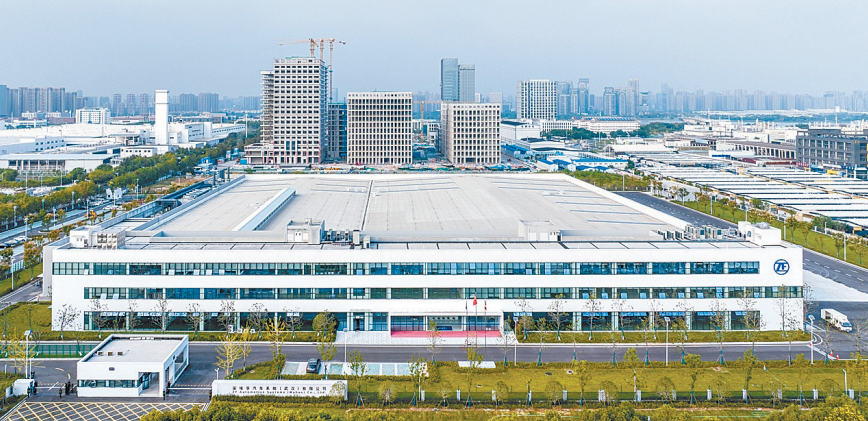
Group 1 - Global automotive electronics company Visteon has signed an agreement to establish its second technology center in Wuhan Economic Development Zone, indicating a strong commitment to the region [1] - ZF Group's new factory in Wuhan has officially commenced production, marking the third major project by the group in Wuhan within two years, highlighting the city's growing appeal to global automotive giants [3] - Xiaomi's smart home appliance factory in Wuhan has achieved a product first-pass yield rate exceeding 99%, with an average production rate of one high-end air conditioner every 6.5 seconds, showcasing advanced manufacturing capabilities [4] Group 2 - The establishment of various AI companies' regional headquarters and R&D centers in Wuhan, including Huawei and ByteDance, signifies rapid growth in the smart economy sector [5] - ZF Group has made its third investment in Wuhan within five years, emphasizing the city as a core engine for global automotive technology innovation [6] - The influx of technology giants is attracting top-tier capital, technology, and high-end talent to Wuhan, creating a "catfish effect" that enhances the local economy and innovation ecosystem [7] Group 3 - Wuhan's comprehensive advantages, including location, talent pool, and supportive policies, have created a favorable business environment that attracts investment [8] - The city has a significant number of higher education institutions, with over 130,000 students graduating annually, contributing to its talent advantage [8] - The rapid project construction pace in Wuhan, exemplified by Xiaomi's factory being built in about one year, reflects the city's efficient operational capabilities [8] Group 4 - Wuhan has launched a 1 billion yuan special fund to support the cultivation of 1,000 technology innovation projects, focusing on seed-stage investments [9] - The city aims to ensure that companies not only establish a presence but also thrive and grow, emphasizing the importance of application scenarios and service-driven support [9]


乘上AI,武汉建造变“智造”
Chang Jiang Ri Bao· 2025-11-01 00:54
Core Viewpoint - The 20th Central Committee of the Communist Party emphasizes the integration of intelligent, green, and collaborative directions in construction, promoting deep integration of technological and industrial innovation [1] Group 1: Intelligent Construction Development - The International (Wuhan) Intelligent Construction Industry Expo showcases new technologies and equipment, highlighting the latest achievements in intelligent construction [1] - Intelligent construction aims to reduce reliance on human labor while increasing efficiency and cost-effectiveness in building processes [1] - The integration of AI in construction allows for more precise and efficient operations, addressing traditional challenges such as site constraints and complex workflows [2][3] Group 2: Innovations and Technologies - The ZD-PLM platform enables seamless data transfer across design, construction, and operation phases, reducing design error rates by over 80% and shortening project timelines by more than 10% [3] - New construction equipment, such as remote-controlled tower cranes and multi-cage elevators, significantly enhance operational efficiency, reducing labor input by 30% and construction labor intensity by up to 80% [5][6] - The introduction of advanced digital platforms and smart machinery is transforming traditional construction into a more intelligent and efficient process [4][5] Group 3: Broader Impacts and Achievements - Wuhan has been recognized as a national pilot city for intelligent construction, achieving excellent performance ratings for two consecutive years [7] - The application of intelligent construction technologies extends beyond traditional building to various industries, including automotive and home appliances, significantly improving production efficiency and quality [8] - The city plans to establish 22 intelligent construction technology innovation platforms and initiate 71 research projects by 2024, further solidifying its position in the intelligent construction sector [9]
湖北省委书记王忠林与雷军交流
证券时报· 2025-10-29 04:15
Core Insights - The article highlights the successful launch of Xiaomi's smart home appliance factory in Wuhan, which is a significant step in the company's smart manufacturing strategy [1][2]. Group 1: Factory Development - The Xiaomi smart home appliance factory in Wuhan covers an area of 500,000 square meters and includes six core air conditioning production lines, an experimental building, and a finished goods logistics warehouse [2]. - The factory has achieved full digitalization and automation in production, with a production rate of one air conditioning unit every 6.5 seconds [2]. - The first phase of investment in the factory amounts to 2.5 billion yuan, with a planned peak annual production capacity of 7 million units [2]. Group 2: Financial Performance - By the second quarter of 2025, revenue from Xiaomi's smart home appliances is expected to reach a historical high, with a year-on-year growth of 66.2% [2]. - The shipment volume of Xiaomi air conditioning products exceeded 5.4 million units, marking a year-on-year increase of over 60% [2]. - Xiaomi's refrigerator and washing machine shipments also saw significant growth, with over 790,000 refrigerators (up 25%) and over 600,000 washing machines (up 45%) shipped [2]. Group 3: Strategic Importance - The factory is a key support for Xiaomi's "human-vehicle-home" strategy and aims to set a benchmark in the smart manufacturing sector [1]. - The local government encourages Xiaomi to accelerate the second phase of the factory's construction to attract more supply chain enterprises and enhance the industrial cluster effect in Hubei [1].
雷军:小米智能家电工厂今天正式投产
Bei Jing Ri Bao Ke Hu Duan· 2025-10-28 05:11
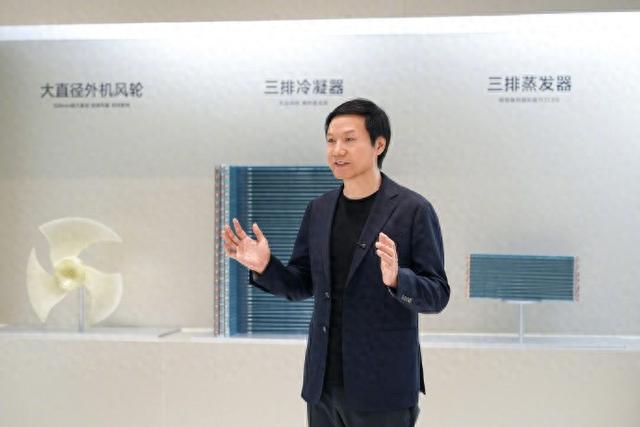
Core Insights - Xiaomi Group's Chairman and CEO Lei Jun announced the official production launch of Xiaomi's smart home appliance factory, marking the company's third large-scale smart factory following its mobile phone and automotive factories [1] - The digital factory is capable of producing a high-end air conditioner every 6.5 seconds, with key components undergoing 100% AI visual quality inspection [1] - The "Xiaomi Surge Smart Manufacturing Platform" enables intelligent control of manufacturing equipment, achieving industry-leading standards in both efficiency and quality [1] Company Developments - The new smart appliance factory represents a significant advancement in Xiaomi's smart manufacturing capabilities [1] - The company emphasizes its commitment to producing high-quality high-end home appliances and invites public visits to the factory [1]
小米公司:小米智能家电工厂正式投产
Mei Ri Jing Ji Xin Wen· 2025-10-28 04:51
Core Insights - Xiaomi has officially launched its first large-scale smart home appliance factory, marking its third major intelligent manufacturing base following the automotive and smartphone factories [1] Group 1: Factory Details - The smart home appliance factory utilizes the self-developed "Xiaomi Surge Intelligent Manufacturing Platform," enabling autonomous decision-making and intelligent production [1] - The factory achieves a production speed of one air conditioner every 6.5 seconds, reaching industry-leading standards [1] Group 2: Technology and Quality Control - The factory employs advanced "AI visual inspection" technology, ensuring 100% precise detection of key components [1]