
巧克力换电

Search documents
【快讯】每日快讯(2026年3月20日)
乘联分会· 2026-03-20 08:52
Domestic News - The Ministry of Industry and Information Technology, the National Development and Reform Commission, and the State Administration for Market Regulation are accelerating efforts to address shortcomings in automotive chips and basic software, aiming to enhance application scale and quality performance [7] - The State Administration for Market Regulation has released the revised "Automotive Recall User Guide (2026 Edition)", which includes a new section for interpreting recall announcements to assist vehicle owners [8] - NIO's self-developed chips have exceeded 550,000 units in mass production, addressing challenges in the automotive semiconductor industry [9] - Xiaomi plans to invest over 60 billion yuan in AI over the next three years [10] - FAW has announced a humanoid robot patent that enhances the robot's adaptability to internal disturbances [11] - Lantu Automotive has officially listed on the Hong Kong Stock Exchange, becoming the first high-end new energy vehicle stock from a central state-owned enterprise [12] - WeRide has entered a strategic partnership with ELEVATE Slovakia to launch Slovakia's first autonomous driving project [13] - CATL has opened 30 battery swap stations in Hangzhou, with plans to expand to nearly 70 stations by the end of the year [14] International News - Infineon has announced an expansion of its collaboration with NVIDIA to advance physical AI system architecture, focusing on humanoid robotics [15] - Stellantis electric vehicles can now access Tesla's Supercharger network in North America, marking a significant milestone for EV brands [16] - Uber has partnered with Rivian, investing up to $1.25 billion to develop a fully autonomous taxi fleet based on Rivian's R2 SUV platform [17] - The Delhi government in India plans to introduce a subsidy policy for scrapping old vehicles in exchange for electric vehicles to accelerate the transition to electric mobility [18] Commercial Vehicles - In 2025, China's commercial vehicle exports surpassed 1 million units for the first time, with a significant increase of 86.8% in new energy vehicle exports [21] - Foton's Thailand factory has begun exporting light trucks to Indonesia, marking a significant step in its localized production strategy [22] - Iveco's natural gas heavy-duty truck has won an international award, highlighting the competitive edge of natural gas technology in the commercial vehicle sector [23] - Weichai has launched its new series of small trucks in Chengdu, aiming to become a leading brand in the new energy commercial vehicle market [24]


今日新闻丨新款小鹏G6超级增程版上市,售价18.68万元!极狐与宁德时代巧克力换电正式合作!新款仰望U7/仰望U8/仰望U8L上市!
电动车公社· 2026-03-07 15:53
Group 1 - The new Xiaopeng G6 Super Extended Range version has been launched with a price of 186,800 yuan [1][2] - The design of the new Xiaopeng G6 largely follows the current model, featuring a seamless LED headlight and a slightly adjusted front and rear design [4] - The interior maintains a simple and stylish design with features like dual-layer soundproof glass and an 800V+5C supercharging platform [6] Group 2 - The Xiaopeng G6 is equipped with a 110kW 1.5T range extender and a 218kW motor, with a CLTC pure electric range of 430 km and a WLTC fuel consumption of 5.9L/100km [8] - Xiaopeng's super range extension technology is being integrated across its product line, offering a comprehensive range of over 1,700 km [10] Group 3 - Extreme Fox has announced a deep cooperation with CATL for "Chocolate Battery Swap," aiming to enhance user charging experiences with a 99-second full charge [11] - More models are joining the "battery swap family," indicating a growing trend in the industry towards efficient charging solutions [14] Group 4 - New models of Yangwang U7, U8, and U8L have been launched, with prices ranging from 658,000 to 1,300,000 yuan [15][17] - The Yangwang U7 features the second-generation blade battery and offers a range of 860 km to 1,006 km, while the U8 has a comprehensive range of 1,205 km [19] - The Yangwang U8L has upgraded safety and privacy features, enhancing data protection for users [21]




春节自驾出行,新能源车如何“满电”出发?
Xin Lang Cai Jing· 2026-02-10 13:52
Core Insights - The article discusses the anticipated surge in electric vehicle (EV) charging demand during the upcoming Spring Festival, with a predicted peak charging volume exceeding 34 million kilowatt-hours per day, representing a 17% increase compared to the previous year [1] Charging Network and Infrastructure - As of the end of 2025, the number of electric vehicles in China is expected to reach 43.97 million, necessitating enhanced charging services during peak travel periods [1] - China's electric vehicle charging infrastructure has surpassed 20 million units, establishing the world's largest charging network capable of supporting over 40 million EVs [1] - More than 98% of highway service areas have charging stations, with 71,500 charging piles installed, and 19 provinces achieving full coverage of charging facilities [1] Measures for Charging Support - Various local departments have proactively implemented charging support measures, including the creation of a list of busy service areas and tailored service plans [2] - In Anhui, a new integrated charging station allows for rapid charging, with capabilities of up to 600 kilowatts, significantly improving charging efficiency [2] - In Fujian, a real-time information linkage mechanism has been established to manage traffic flow and charging demand, enabling quick resource allocation to reduce waiting times [2] Innovations in Battery Swapping - The battery swapping sector is also evolving, with companies like CATL and NIO enhancing their services, including nationwide maintenance and the introduction of new battery options for flexible usage [2] Practical Charging Tips for Users - Users are advised to charge during off-peak hours, plan charging stops strategically, and allow extra time for charging due to potential efficiency drops in cold weather [3] - The transportation department encourages users to utilize the "e Road Smooth" app for real-time updates on charging station availability and to follow staff guidance in case of long queues [3]
市场最前沿丨春节自驾出行,新能源车如何“满电”出发?
Xin Hua Wang· 2026-02-10 10:17
Core Viewpoint - The article discusses the anticipated surge in electric vehicle (EV) charging demand during the upcoming Spring Festival, highlighting the measures taken to ensure sufficient charging infrastructure and services for EV owners [1][2]. Group 1: Charging Demand and Infrastructure - The expected peak daily charging volume for EVs during the Spring Festival is projected to exceed 34 million kilowatt-hours, representing a 17% increase compared to the same period last year [1]. - By the end of 2025, the total number of electric vehicles in China is expected to reach 43.97 million, necessitating enhanced charging service capabilities during peak travel periods [1]. - China's electric vehicle charging infrastructure has surpassed 20 million units, establishing the world's largest network capable of supporting over 40 million EVs [1]. Group 2: Local Measures and Innovations - Various local departments have proactively implemented charging support measures, including the creation of a list of busy service areas and tailored service plans [2]. - In Huangshan, a new integrated supercharging station allows for rapid charging, with a maximum power output of 600 kilowatts, significantly improving charging efficiency [2]. - In Fujian, a real-time information linkage mechanism has been established to monitor traffic and charging demand, enabling the dynamic allocation of mobile charging resources to reduce wait times [2]. Group 3: Charging Tips for EV Owners - Industry experts recommend strategies such as off-peak charging and flexible planning to avoid high-demand periods and reduce waiting times [3]. - EV owners are advised to use the "e Road Smooth" app to check the status of charging stations in real-time and to follow staff guidance if faced with long queues [3].
市场最前沿|春节自驾出行,新能源车如何“满电”出发?
Xin Hua She· 2026-02-10 10:08
Core Viewpoint - The article discusses the anticipated surge in electric vehicle (EV) charging demand during the upcoming Spring Festival, highlighting the preparedness of charging infrastructure to meet this demand [1] Charging Infrastructure - The National Energy Administration reports that the number of electric vehicle charging facilities in China has surpassed 20 million, establishing the world's largest EV charging network capable of supporting over 40 million EVs [1] - Over 98% of highway service areas have installed charging stations, totaling 71,500, with 19 provinces achieving "full coverage" of charging facilities [1] Charging Demand and Solutions - The State Grid predicts that the peak daily charging volume for EVs will exceed 34 million kilowatt-hours during the Spring Festival, representing a 17% increase compared to the same period last year [1] - Various measures have been implemented to enhance charging service, including upgrading supercharging stations, adding mobile charging vehicles, and improving operational inspections [1] Innovative Charging Solutions - In Anhui, a new integrated supercharging station allows for rapid charging, with a maximum charging power of 600 kilowatts, significantly improving charging efficiency [1] - In Fujian, a real-time information linkage mechanism has been established to monitor traffic and charging demand at service areas, enabling timely resource allocation to reduce waiting times [1] Battery Swapping and User Tips - Companies like CATL and NIO are enhancing battery swapping services, with NIO offering flexible battery rental options to support long-distance travel [1] - Industry experts recommend practical charging strategies for users, such as charging during off-peak hours and planning charging stops near highway exits to minimize waiting times [1]
瞄准电车「加油站」,宁德时代再建万亿公共换电生态
36氪· 2026-02-07 10:17
Core Viewpoint - CATL is strategically expanding its battery swapping business through collaboration with various partners, aiming to build a comprehensive energy ecosystem for electric vehicles, with a target of establishing 30,000 battery swapping stations across China by 2025 [5][6][8]. Group 1: Business Expansion and Collaboration - In January, CATL held a low-profile annual partner conference in Xiamen, attended by companies like Sinopec and Didi, indicating a shift towards collaborative competition in building energy infrastructure [3]. - CATL's battery swapping business, operated by its subsidiary, aims to construct over 1,000 stations by the end of 2025, with plans to accelerate the pace of construction significantly [5][6]. - The company has set a long-term goal of establishing 30,000 battery swapping stations nationwide, with the first 1,000 stations completed in a year showcasing its operational efficiency [6][7]. Group 2: Market Position and Competitive Landscape - The current number of battery swapping stations is significantly lower than the over 100,000 gas stations in China, highlighting the potential for growth in this sector [6]. - NIO, a competitor, currently operates around 3,700 battery swapping stations, demonstrating the competitive landscape in the battery swapping market [6]. - CATL's rapid establishment of 1,000 stations within a year reflects its strong execution capabilities and organizational efficiency, which are crucial for competing in the energy infrastructure space [7][8]. Group 3: Technological and Operational Strategy - CATL is focusing on standardizing battery packs to cover 95% of electric vehicle models, which is essential for enhancing operational efficiency and service compatibility [19]. - The company has developed a robust operational model in Chongqing, achieving a high user satisfaction rate and demonstrating the viability of its business model [28][30]. - The integration of technology and quality assurance in its battery swapping stations is aimed at ensuring safety and reliability, with a 99.96% success rate in battery swaps [39]. Group 4: Future Outlook and Market Trends - The electric vehicle market is rapidly growing, with a penetration rate of 52% in 2025, necessitating a sustainable and efficient energy supply system [14]. - CATL's strategy includes expanding into the personal vehicle market with affordable electric models, aligning with the increasing demand for budget-friendly electric vehicles [31][36]. - The company aims to leverage its extensive resources and partnerships to establish a nationwide network of battery swapping stations, contributing to a sustainable energy ecosystem [42][43].

宁德时代与云南签署全面战略协议 迎接全域增量时代
Zheng Quan Ri Bao Wang· 2026-02-04 13:16
Core Viewpoint - CATL has signed a comprehensive strategic cooperation agreement with the Yunnan provincial government, marking the start of deep collaboration in multiple fields focused on "green electricity + advanced manufacturing" [1] Group 1: Strategic Cooperation - The cooperation aims to enhance the development of green energy in Yunnan, cultivate strategic emerging industry clusters, and innovate zero-carbon scenario applications [1] - The partnership is not just a simple project but a systematic layout based on the core advantages of both parties [1] - CATL's chairman expressed confidence in Yunnan's development prospects and aims to leverage this cooperation to contribute to local high-quality development [2] Group 2: Resource and Market Advantages - Yunnan is recognized as a green energy base with over 90% of its installed capacity coming from clean energy, and it has rich reserves of lithium and phosphorus [2] - The region's geographical advantages, such as its role as a gateway to South Asia and Southeast Asia, will help CATL expand its overseas market [2] - The collaboration will enable localizing the entire supply chain of new energy batteries, utilizing Yunnan's abundant resources and green electricity [2] Group 3: Industry Cluster Development - Several battery material manufacturers have already established operations in Yunnan, which could lead to the rapid formation of a lithium battery industry cluster [3] - The completion of production lines at Yunnan Enjie New Materials will enhance its capacity to serve both domestic and Southeast Asian markets [3] Group 4: Innovation and Growth Strategy - The strategic cooperation aligns with CATL's "full-domain incremental" strategy, which aims to create a multi-scenario and full-cycle growth system [4] - CATL's technological innovations, such as the NP3.0 technology and sodium-ion batteries, are key to maintaining its competitive edge [4] - The company is transitioning from a traditional battery manufacturer to an energy service provider, which opens new growth avenues [4] Group 5: Market Outlook - The global lithium battery production is expected to grow by 34.6% year-on-year by 2026, indicating a robust market demand [5] - CATL's collaboration with Yunnan exemplifies the synergy between leading enterprises and resource-rich provinces, positioning it to lead in the global energy transition [5]
建完 1000 个站,宁德时代换电的账终于能算清了
Xin Lang Cai Jing· 2026-02-03 12:47
Core Viewpoint - The company aims to establish a robust battery swapping network, transitioning from a demand-driven approach to a proactive large-scale station construction strategy, which is expected to enhance user trust and operational efficiency [3][5][30]. Group 1: Network Expansion and Strategy - The company plans to build 2,000 battery swapping stations by the end of 2026, marking a significant turning point in its business development [4][36]. - The construction speed of battery swapping stations is a direct demonstration of the company's determination and capability, with 500 stations completed by August of the previous year attracting major automotive manufacturers for collaboration [29][35]. - The company has shifted its strategy from building stations based on vehicle numbers to a large-scale station construction approach, addressing the issue of network density to attract users [5][30]. Group 2: Operational Efficiency and Challenges - The company has optimized the construction process, reducing the time to build a swapping station from nearly three months to just 16 days through improved methodologies [34]. - The rapid expansion of the network has led to positive feedback from automotive manufacturers, shifting negotiations from concerns to detailed discussions [11][35]. - The company faces challenges in matching service capacity with the increasing user demand, particularly in the context of its battery-as-a-service (BaaS) model [39][40]. Group 3: Market Position and User Experience - The company aims to provide certainty to users by ensuring clear battery sourcing, performance, and pricing, which is crucial for building trust in the battery swapping model [44][46]. - The battery swapping model is positioned as a more efficient and convenient option compared to traditional charging, with the goal of making it a standard feature in electric vehicles [22][49]. - The company is working on enhancing its service capabilities, including involvement in the design of new battery swapping vehicles, to ensure a seamless user experience [43][44]. Group 4: Future Roadmap - The company has outlined a three-phase roadmap: first, establishing infrastructure; second, increasing station utilization; and third, expanding ecosystem services such as finance and insurance [50][51]. - The long-term goal is to reach 5,000 stations, which would solidify the network and allow for service diversification, making battery swapping a standard in the electric vehicle market [52].
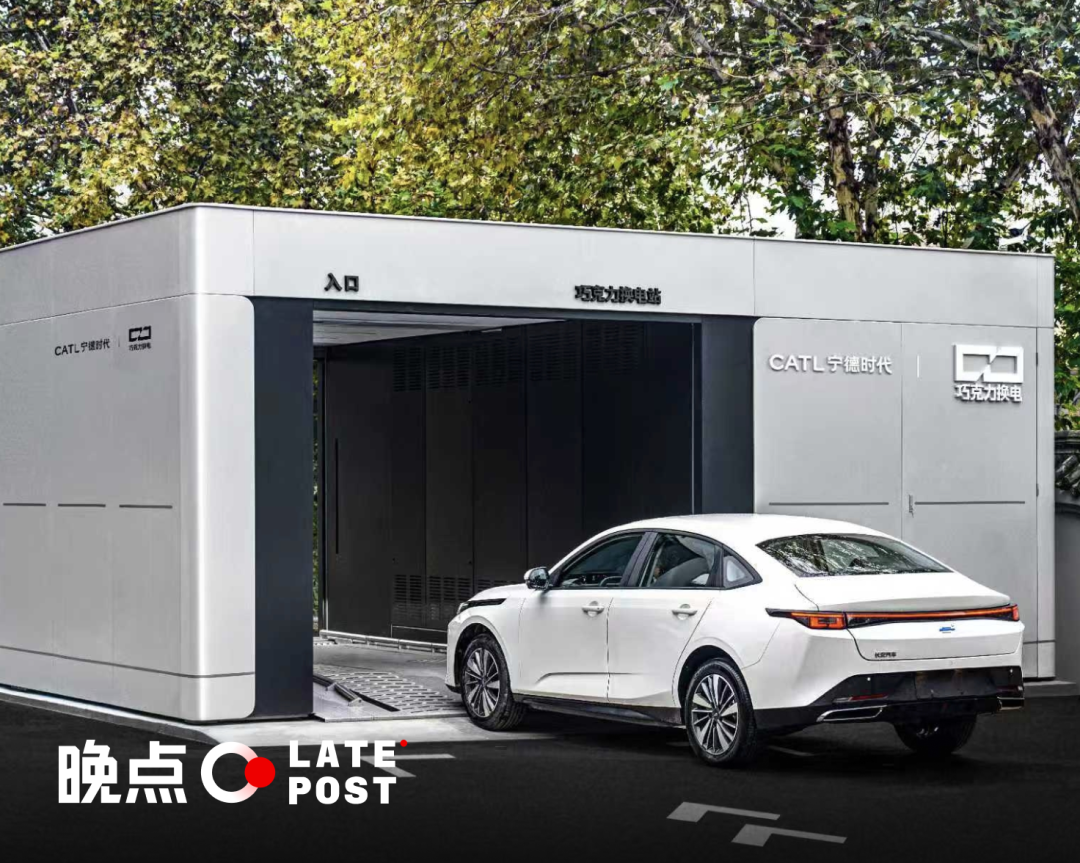
建完 1000 个站,宁德时代换电的账终于能算清了
晚点LatePost· 2026-02-03 12:13
Core Viewpoint - The article discusses the ambitious plans of CATL's energy service division, which aims to build a comprehensive battery swapping network to alleviate the charging anxiety of electric vehicle users and enhance the overall user experience [3][5][19]. Group 1: Network Expansion and Strategy - CATL's energy service division plans to build 2,000 battery swapping stations by the end of 2026, significantly increasing the density of its network to meet growing demand [4][10]. - The strategy has shifted from building stations based on demand to a proactive approach of large-scale construction, which is expected to attract more partnerships with automakers [5][9]. - The rapid expansion of the network has already led to increased interest from major automakers, who are now more willing to collaborate due to the growing infrastructure [4][9]. Group 2: Operational Efficiency and Challenges - The construction process for battery swapping stations has been optimized, reducing the time required from nearly three months to just 16 days [8]. - The team faced initial challenges in site selection and construction quality, but improvements have led to a significant increase in the number of stations built in the latter half of the year [8][9]. - The complexity of building and operating battery swapping stations requires a robust organizational capability, which the company is actively developing [11][13]. Group 3: Market Dynamics and User Experience - The battery swapping model is being validated through real-world applications, with successful implementations in cities like Chongqing demonstrating the potential for high user adoption [9][10]. - The company aims to provide users with a reliable and efficient service, emphasizing safety, convenience, and economic viability as key factors for user acceptance [17][19]. - The introduction of battery leasing options is expected to lower the cost barrier for consumers, making electric vehicles more accessible [13][19]. Group 4: Future Outlook and Goals - The long-term vision includes expanding the network to 5,000 stations, which would solidify the infrastructure and allow for further service enhancements [19][21]. - The company is focused on building trust with users and automakers, as the success of the battery swapping business relies on long-term relationships and consistent service quality [20]. - Future developments may include deeper integration with financial services, insurance, and advertising, creating a more comprehensive ecosystem around battery swapping [21].
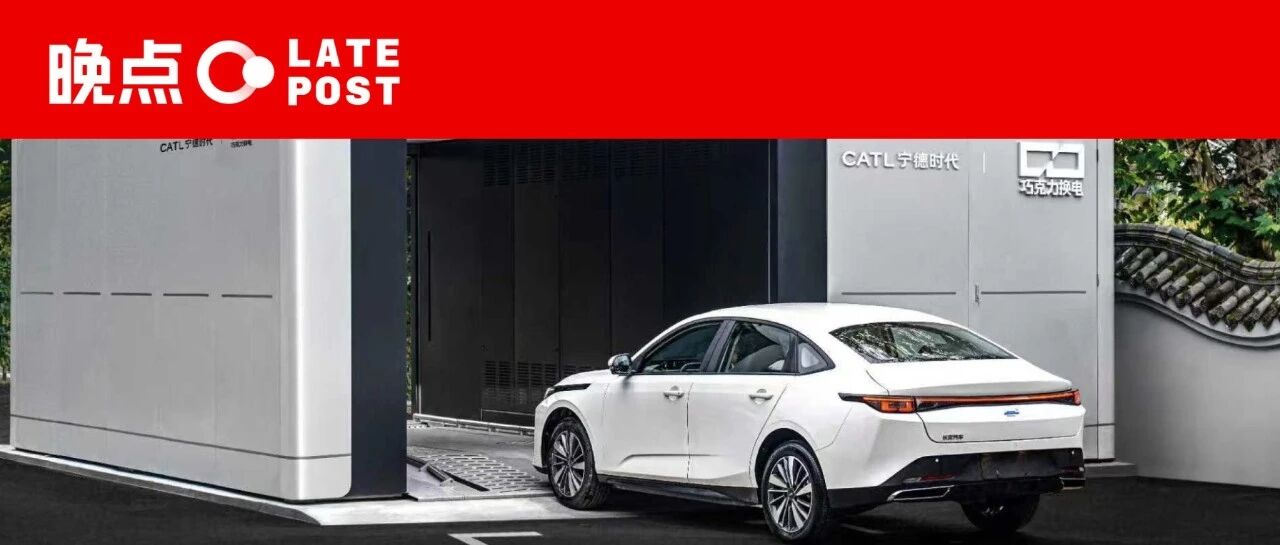
电池标准化是换电规模化的前提
Bei Jing Shang Bao· 2026-01-27 16:46
Core Insights - The electric vehicle battery swapping industry is expected to enter a phase of large-scale development in 2025, but challenges such as non-standardized battery specifications and difficulties in model compatibility still hinder growth [1][2] Group 1: Industry Development - The standardization of battery specifications is deemed essential for the scalability of the battery swapping model, with CATL promoting 20/25 standardized battery packs that enable a rapid 99-second battery swap and compatibility across multiple brands and models [1][2] - As of December 30, 2025, a total of 1,020 battery swapping stations are projected to be built nationwide, covering key economic regions including Beijing-Tianjin-Hebei, Yangtze River Delta, Sichuan-Chongqing, and the Guangdong-Hong Kong-Macao Greater Bay Area [1] - The "Choco Battery Swap" network achieved a record of establishing 1,000 stations within one year, with 41 new stations added and 47 opened between January 8 and 21 [1] Group 2: Business Model and Ecosystem - The battery swapping model not only enhances the energy supply system but also aims to reconstruct the electric vehicle industry ecosystem, allowing users to separate battery costs from vehicle purchases, thereby lowering the initial purchase threshold [2] - The "battery-vehicle separation" model has been implemented in private cars, ride-hailing services, and logistics, with CATL collaborating with JD.com and GAC to launch the first consumer-oriented battery-swappable vehicle [2] - In the commercial vehicle sector, CATL has formed a strategic partnership with SAIC to promote battery swapping in logistics and transportation, achieving a 5-minute battery swap that significantly improves vehicle utilization and operational efficiency [2] Group 3: Future Outlook - Looking ahead to 2026, key themes for the Choco Battery Swap will include "new infrastructure," "standardization," and "full ecosystem," with plans to deepen collaborations with energy companies and open up franchise opportunities for network operation [3]