康复外骨骼

Search documents
AIoT时代的OPC一人公司:重新定义生存法则
3 6 Ke· 2026-01-27 10:22
Core Viewpoint - The article discusses the challenges and potential of One Person Companies (OPC) in the AIoT (Artificial Intelligence of Things) sector, emphasizing that traditional OPC models may not succeed due to the complexities and high failure rates in this field [1][20]. Group 1: Current Landscape of OPC - The Shenzhen Action Plan aims to establish over 10 OPC communities by the end of 2027, fostering more than 1,000 high-growth AI startups [1]. - Major cities like Beijing, Shanghai, Hangzhou, and Nanjing are also implementing supportive policies for OPCs [1]. - The failure rate for AI startups is alarmingly high, estimated at 80% to 90%, compared to about 70% for traditional tech companies, with a median survival time of only 18 months for AI startups [1][6]. Group 2: Challenges in AIoT for OPC - The AIoT sector presents unique challenges, including the complexity of hardware and the necessity for long-term reliability, which contrasts sharply with the rapid iteration possible in software [4][6]. - The delivery complexity in AIoT is significant, as hardware must operate reliably for at least three years, and any failure can lead to severe consequences for OPCs [7]. - Cash flow issues are prevalent in hardware startups, with longer payment cycles and high initial costs, which can lead to financial instability [8]. - Trust is a critical factor, as B2B clients are often hesitant to engage with individual entrepreneurs, preferring established companies [9]. Group 3: Redefining OPC for AIoT - Successful AIoT OPCs must act as system architects rather than mere technical laborers, focusing on organizing complex systems rather than executing every task themselves [11]. - OPCs should target niche markets, leveraging AI to reduce the costs of customization and making previously unprofitable projects viable [13][14]. - The role of OPCs should be as network nodes that can collaborate and scale their capabilities, rather than isolated entities [15]. Group 4: Strategic Insights for OPC Success - The true competitive advantage for AIoT OPCs lies in their supply chain capabilities and their ability to integrate into larger ecosystems, rather than solely relying on AI technology [17][20]. - OPCs should focus on embedding themselves within flexible supply chains and forming partnerships with larger enterprises to enhance their market presence [18][19]. - The article concludes that a successful OPC in the AIoT space must find its place within a system, establishing core competencies that can be amplified through collaboration [21].

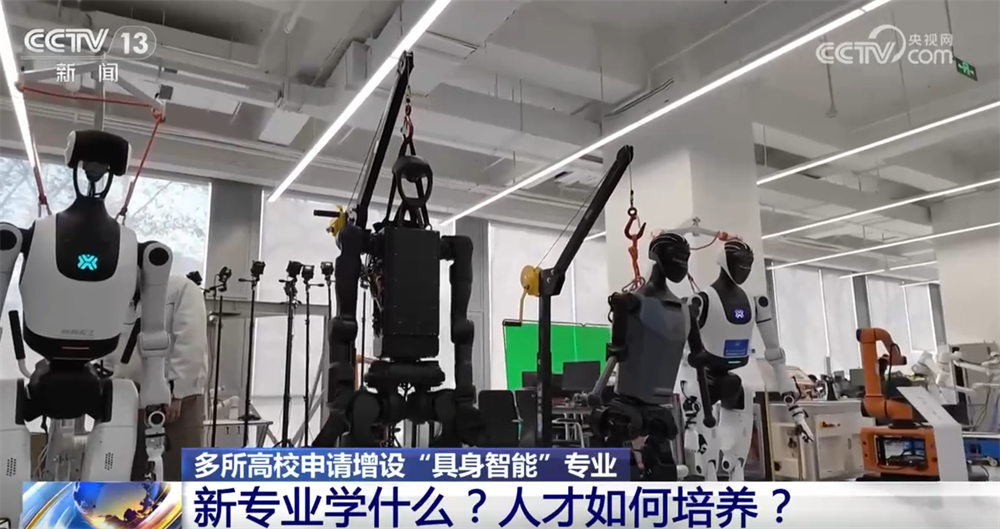
多所高校申请增设“具身智能”专业 “成品”“人才梯队”培养如何布局?
Yang Shi Wang· 2025-12-16 06:15
央视网消息:今年以来,国内多所高校陆续申请增设"具身智能"新专业。根据教育部公示,"具身智能"专业定位为融合人工智能、机器人 学、计算机与控制工程的战略性新兴交叉学科。具身智能专业具体学什么?具身智能领域人才如何培养?我们一起来了解。 具身智能专业并非简单拼合现有学科,而是要重构培养体系。学生需要掌握如何让机器人在复杂环境中通过感知获取信息,运用智能算法 进行决策,并精准控制硬件执行任务。比如,北京航空航天大学为该专业设定的培养目标之一,就是让学生能够自主造出一个人形机器人。 北京航空航天大学机械工程及自动化学院副院长文力称:"要做出一个人形机器人,需要从学生如何从0开始学习,从它'本体'的搭建、机 器人'小脑'的控制,再到'大脑'的这种基于大模型也好或者基于人工智能也好,它的推理规划还有包括其他的一些任务的学习等等。" 为实现课堂与产业同步,多所高校还计划与企业共建联合实验室与实训基地,让学生接触真实产业课题,在解决实际工程问题中提升科研 与实践能力。 南京航空航天大学人工智能学院院长张道强称:"课程整体迁入校企联合实验室,企业将某些正在攻关的工程问题直接交给学生进行方案 的测试,教学进度与研发节奏进行同步 ...
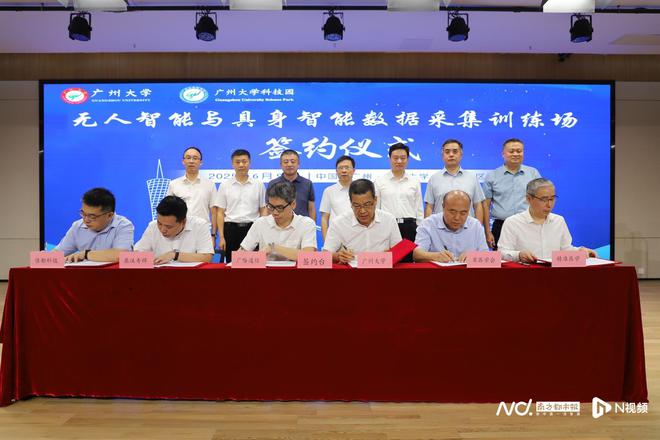
广东省首个无人智能与具身智能数据采集训练场签约共建
Nan Fang Du Shi Bao· 2025-06-10 09:19
南都讯 记者孙小鹏 通讯员广大宣 为推动具身智能关键共性技术研发与产业生态建设,打造具有特色和 影响力的具身智能创新策源地与应用示范高地,广州大学黄埔研究院联合黄埔区,首期携手11家企业共 建广东省首个无人智能与具身智能数据采集训练场。日前,无人智能与具身智能数据采集训练场签约仪 式在广州大学黄埔校区举行。 签约仪式上,广州大学分三批先后与11家单位签署合作协议。其中,与杭州程天科技发展有限公司、广 东省医学会、广东省精准医学应用学会和广东安护通信息科技有限公司合作,共建智慧康复与健康养老 具身智能研发中心,推动康复外骨骼等智能设备的研发与应用,提升康复和养老服务的智能化水平;与 广州汽车集团股份有限公司、广州广哈通信股份有限公司、佳都科技集团股份有限公司、广州鼎汉奇辉 智能科技有限公司合作,聚焦智能制造与汽车具身智能,开展智能装配、智能检测以及汽车驾驶辅助系 统等方面的数据采集与优化研究,助力汽车产业的智能化升级;与广东深信科创信息技术有限公司、蓝 点触控(北京)科技有限公司、集智联机器人(苏州)有限公司合作,开展工业机器人的人机协作与智 能控制方面的数据采集与优化,提高工业生产的自动化和智能化水平。 训练 ...
新消费2025年股权投资前瞻报告
Wind万得· 2025-05-16 22:34
Core Viewpoint - The article highlights a positive economic outlook for 2025, with a focus on the recovery of the new consumption sector driven by diverse consumer demands and supportive policies [3][7][10]. Industry Overview - In Q1 2025, China's GDP reached 31.9 trillion yuan, growing by 5.4% year-on-year, surpassing market expectations [7]. - Final consumption expenditure contributed 51.85% to GDP growth, indicating a rebound in consumer spending [7][9]. - The retail sales of consumer goods totaled 12.4671 trillion yuan in Q1, marking a 4.6% increase year-on-year [8]. Recent Industry Policies - Various policies have been implemented to stimulate consumption, including the "Consumption Promotion Special Action Plan" and measures to enhance service consumption [17][18]. - The government emphasizes increasing income for low- and middle-income groups and developing service consumption to boost economic growth [9][10]. Investment Dynamics - From January to April 2025, there were 128 financing cases in the new consumption sector, totaling 6.89 billion yuan, a decrease of 31.5% and 24.4% year-on-year, respectively [28]. - The food and beverage sector remains a hot spot for investment, with 42 financing cases reported in Q1 2025 [28][32]. - The silver economy and pet economy are gaining traction, with significant investments in areas such as elderly care and pet products [29][32]. Sector Trends - The new consumption landscape is characterized by a shift towards quality and health-oriented products, with personalized and customized offerings gaining popularity [10]. - The "Guzi Economy," centered around the secondary market of anime and gaming culture, is rapidly developing, driven by a growing user base and increasing disposable income among Gen Z consumers [48][49]. Key Financing Events - Notable financing events include Yuanqi Mart's nearly 100 million yuan C round financing and the IPO of Gu Ming Holdings on the Hong Kong Stock Exchange [20][22]. - The first quarter of 2025 saw significant IPO activities, including the successful listings of brands like Mi Xue Ice City and Ba Wang Tea Ji [24][26]. Active Investment Institutions - A total of 135 investment institutions were active in the new consumption sector in the first four months of 2025, with a focus on food and beverage, silver economy, and personal care sectors [43][44].