拉夫劳伦服装

Search documents
拉夫劳伦股价上涨2.18%至373美元,成交额约9027万美元
Xin Lang Cai Jing· 2026-02-24 20:22
公司基本面 根据2025财年(截至2025年3月29日)年报,公司营业收入达70.79亿美元,同比增长6.75%;归母净利 润为7.43亿美元,同比增长14.95%。毛利率保持在65.32%的高位,净资产收益率(ROE)为29.49%,显 示出较强的盈利能力。分区域看,亚洲市场收入占比24.15%,是重要的增长动力。 资金面与技术面 以上内容基于公开资料整理,不构成投资建议。 经济观察网 拉夫劳伦(RL.N)股价于2026年2月24日上涨2.18%,收盘报373.00美元。此次上涨主要受 大盘环境向好及公司稳健的基本面支撑。 板块变化情况 2月24日,美股市场整体表现积极,道琼斯指数上涨0.78%,纳斯达克指数上涨0.94%。拉夫劳伦所属的 服装制造板块当日上涨1.33%,板块普涨为个股提供了良好的外部环境。 2月24日,拉夫劳伦成交量为24.31万股,成交金额约9027万美元,量比为0.52,显示交投活跃度处于正 常水平。当日振幅为2.87%,股价波动相对温和。截至当日,其市盈率(TTM)为25.37倍,估值水平处 于合理区间。 ...
拉夫劳伦2026财年Q2业绩亮眼,亚洲市场扩张战略成效显著
Jing Ji Guan Cha Wang· 2026-02-13 14:30
Core Insights - Ralph Lauren's financial performance for Q2 of fiscal year 2026 shows a net revenue of $2.011 billion, representing a year-over-year growth of 16.6%, and a net profit of $208 million, which is a 40.3% increase compared to the previous year [2] Financial Performance - The company reported a strong revenue growth across global markets, with North America up 13%, Europe up 22%, and China exceeding 30% growth, marking 18 consecutive quarters of double-digit growth [2] Strategic Initiatives - Ralph Lauren has expanded its direct retail stores in Asia to 249, leading all global regions. The management emphasized focusing on female consumers and optimizing store formats to drive growth, with China being highlighted as the most gender-balanced market globally [3] Future Outlook - The company typically releases quarterly earnings reports, and investors should watch for upcoming announcements regarding the fiscal year 2026, although specific dates have not been disclosed. Global macroeconomic factors, such as tariff policies, may indirectly impact the company's operations [4]

“去一趟封关后的海南,我被自己「穷笑了」”
3 6 Ke· 2025-12-27 01:39
Core Insights - The recent closure of Hainan has transformed it into a shopping paradise, particularly for gold and luxury goods, attracting a surge of consumers eager to take advantage of tax exemptions and discounts [1][24][54] Group 1: Gold Market Dynamics - The immediate aftermath of Hainan's closure saw a significant increase in demand for gold, with consumers flocking to duty-free stores to purchase gold jewelry at reduced prices, leading to long queues [4][5] - The price of gold in Hainan's duty-free stores is notably lower than in mainland China, with prices around 1194 RMB per gram compared to over 1368 RMB in mainland stores, allowing consumers to save over 160 RMB per gram [15][47] - Many consumers perceive purchasing gold in Hainan as a profitable investment rather than mere consumption, with reports of individuals buying gold at prices significantly lower than in other regions [21][23] Group 2: Luxury Goods and Consumer Behavior - The demand for luxury items, including the latest iPhone models, has surged, with discounts reaching up to 2000 RMB, making them highly sought after among consumers [27][37] - The influx of consumers has led to record sales figures for duty-free stores, with some reporting sales exceeding 100 million RMB over consecutive days [37] - The shopping frenzy is not limited to gold and electronics; consumers are also purchasing a variety of luxury goods at discounted prices, indicating a broader trend of increased consumer spending in Hainan [31][40] Group 3: Economic Implications - Hainan's transformation into a duty-free shopping hub is expected to contribute significantly to its GDP, driven by the influx of consumers and their spending habits [37][45] - The region is positioning itself as an attractive destination for investment, with favorable tax policies for businesses and high-income individuals, further enhancing its appeal as a commercial hub [47][54] - The strategic implications of Hainan's closure extend beyond consumer goods, as it aims to become a center for various industries, leveraging its tax advantages and increased product offerings [54][62]

台州鸟都嫌贵,年轻人爱上一百块的「始祖马」
36氪· 2025-11-22 01:11
Core Viewpoint - The article discusses the rise of parody brands and their appeal among young consumers, highlighting the tension between imitation and originality in the fashion industry [4][12][29]. Group 1: Brand Imitation and Consumer Behavior - The emergence of parody brands like "始祖马" (Ancestor Horse) and "始祖猫" (Ancestor Cat) reflects a trend where consumers seek to challenge traditional luxury brands by embracing humorous and abstract imitations [7][12]. - Young consumers are increasingly drawn to these parody products as a form of self-expression and to critique blind adherence to mainstream trends [12][29]. - The popularity of these parody items is partly driven by the high visibility and desirability of original luxury brands, such as Ralph Lauren, which reported a 17% increase in net income to $2 billion for Q2 of FY2026 [24]. Group 2: Market Dynamics and Economic Factors - The global economic instability has led to a shift in consumer preferences towards cost-effective options, with 53.6% of consumers perceiving current prices as "high" [28]. - The consumer sentiment report indicates a decline in the consumption willingness index, suggesting a growing market for affordable yet appealing products [28]. - The luxury market is being redefined by younger consumers who prioritize personalization, cultural identity, and sustainability over mere brand recognition [29]. Group 3: Legal Implications and Brand Protection - The rise of parody brands poses potential legal challenges regarding intellectual property rights, as seen in Ralph Lauren's ongoing litigation against counterfeiters [36][38]. - The recent court ruling affirmed Ralph Lauren's "POLO" trademark as a well-known brand, leading to significant penalties for infringers [38]. - The article warns that while parody brands may achieve short-term success, they risk legal repercussions and consumer abandonment without original creative backing [38].
文化何以成为战略
Sou Hu Cai Jing· 2025-09-28 06:45
Group 1 - The core viewpoint emphasizes the need for traditional brands to find new positioning strategies to navigate consumer cycles and for new brands to achieve rapid growth across categories [1] - Cultural strategy has become a key element in brand strategy, especially in the high-end market, where product characteristics alone are insufficient to build brand momentum [2][4] - The Chinese market shows a disparity in brand momentum between local and international brands, with examples like China Red Bull and Austrian Red Bull illustrating different market scales and brand strategies [4] Group 2 - The white liquor industry in China is experiencing a shift from quantity to quality, with market size increasing from 536.4 billion yuan in 2018 to 756.3 billion yuan in 2023, despite production halving [8] - Major liquor brands are adopting cultural strategies to connect with younger consumers, moving from traditional relationship-based consumption to self-expression and cultural values [9] - Successful brands like Moutai and Wuliangye are developing comprehensive cultural systems to enhance their brand value and consumer connection [9] Group 3 - The article discusses the pitfalls of brands that focus solely on product attributes, such as Wanglaoji and Six Walnut, which have struggled to maintain market relevance [4][5] - The case of Nongfu Spring illustrates the importance of evolving brand narratives beyond product quality to include cultural and environmental themes, leading to a resurgence in market leadership [7] - The need for liquor brands to embrace cultural strategies is highlighted, as many still rely on outdated marketing approaches that fail to resonate with modern consumers [12] Group 4 - The article notes that many liquor brands lack a strategic understanding of consumer culture, which hinders their ability to establish effective brand positioning [12] - It emphasizes the importance of emotional and ideological engagement in building brand culture, as seen in successful examples from both domestic and international markets [15] - The competitive landscape necessitates that brands connect consumer culture with added value to differentiate themselves effectively [17]






泰勒·斯威夫特订婚带火拉夫劳伦(RL.US) 泼天流量有望转化为销售额
智通财经网· 2025-08-27 14:09
Core Viewpoint - Jefferies reports that Ralph Lauren (RL.US) is expected to benefit from the publicity surrounding Taylor Swift's engagement to Travis Kelce, which could lead to significant sales growth for the company due to increased consumer interest in its products [1][2] Group 1: Impact of Celebrity Engagement - Taylor Swift's engagement announcement has generated substantial social media buzz, with her engagement post receiving over 16 million likes and 600,000 shares shortly after being published [1] - The engagement photo features both Swift and Kelce wearing Ralph Lauren clothing, which has sparked market interest and discussions about the brand [2] Group 2: Brand Strength and Market Trends - Jefferies analyst Ashley Helgans views the engagement as a positive catalyst for Ralph Lauren, especially with Swift's new album release and Kelce's football season starting soon [2] - Google Trends data indicates a significant increase in consumer searches for "Ralph Lauren dresses" and "Taylor Swift Ralph Lauren," reflecting heightened interest in the brand [2] Group 3: Company Performance and Stock Outlook - Jefferies maintains a "buy" rating on Ralph Lauren stock, which has risen 30% this year, outperforming the S&P 500 index [3] - Ralph Lauren is a global fashion and lifestyle company that designs, markets, and distributes a range of high-end and accessible lifestyle products across five categories: apparel, footwear and accessories, home, fragrances, and dining/hotel services [3]
男性消费反超女性!“他经济”崛起:7大消费新趋势+5大赛道拆解
Sou Hu Cai Jing· 2025-05-02 04:16
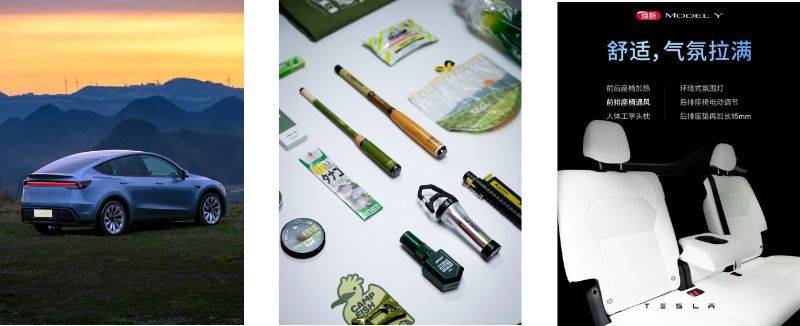
Core Insights - The male consumer market is experiencing significant growth, with male spending growth rate surpassing female for the first time in 2024, particularly in technology, health, and culture sectors, contributing over 60% to the growth momentum [1] - The male consumption market in China is expected to exceed 6 trillion yuan by 2025, with a compound annual growth rate of 9.8% [1] Group 1: Transformation of Male Consumption - Male consumption behavior is shifting from a focus on functionality to a combination of spiritual satisfaction and identity recognition, as seen with Tesla's penetration among middle-class males exceeding 40% [2] - The male demographic is increasingly investing in hobbies and identity-driven activities, with over 80% of the 200 million fishing enthusiasts in China being male, spending an average of 15,000 yuan annually on fishing gear [2][4] Group 2: Emerging Consumer Groups - New consumer groups are reshaping the market, including young town residents awakening to consumption, new middle-class individuals driven by technology, and middle-aged men pursuing quality and social connections [5][6] Group 3: Trends in Male Consumption - The male consumption landscape is characterized by seven key trends, including emotional satisfaction, self-investment, and cultural confidence among different male demographics [10][11][12] Group 4: Market Opportunities - Five key market segments show potential for growth: beauty and grooming, sports, digital technology, apparel, and esports, with significant shifts in consumer preferences and spending patterns [16][23][26][27][28] Group 5: Brand Marketing Strategies - Future brand marketing strategies must focus on emotional value over functional value, emphasizing value-based marketing, community engagement, and product differentiation to build loyalty among male consumers [29][30][31][32]