换电技术

Search documents
蔚来能盈利,是谁的功劳?
雷峰网· 2026-03-13 08:30
Core Viewpoint - NIO has achieved its first quarterly profit with a net profit of 300 million yuan in Q4, marking a significant turnaround from a nearly 7 billion yuan loss in the same quarter last year, raising questions about the sustainability of this profitability into 2026 [2][4][6]. Group 1: Financial Performance - In 2025, NIO delivered a total of 326,000 vehicles, a year-on-year increase of 46.9%, with Q4 deliveries reaching 125,000 units, an increase of 38,000 units from Q3 [4]. - Q4 vehicle sales revenue increased by 12.4 billion yuan, with a single vehicle gross profit of 46,000 yuan, leading to a quarterly gross margin of 18.1%, up 3.4 percentage points from Q3 [6]. - For the entire year, NIO reported revenues of 87.49 billion yuan, a 33.1% year-on-year growth, with a gross profit of 11.92 billion yuan, also reflecting a 33.1% increase [6][7]. Group 2: Business Model and Strategy - NIO's profitability is closely linked to the rapid growth of high-margin models, operational efficiency improvements, and a positive cycle in its business model [4][6]. - Non-vehicle businesses contributed over 10 billion yuan in revenue, accounting for 12% of total income, with a gross margin of 11.9%, indicating a shift in NIO's business model [7]. - The company plans to maintain quarterly R&D investments of 2 to 2.5 billion yuan while achieving efficiency comparable to competitors spending 3 to 4 billion yuan [8]. Group 3: Market Position and Future Outlook - NIO aims for a 40% to 50% increase in sales by 2026, despite a slight decline in the overall Chinese passenger car market, with a focus on electric vehicle growth [16]. - The company is set to launch three key models in 2023, including the ES9, ES7, and L80, to drive sales growth [16]. - NIO emphasizes the importance of maintaining a competitive edge in a market facing increasing product homogeneity and technological convergence [20]. Group 4: Challenges and Competitive Landscape - The automotive industry faces challenges such as raw material shortages and rising costs, which could increase the cost of high-end smart electric vehicles by 6,000 to 10,000 yuan [17][18]. - NIO is committed to managing these cost pressures without passing them onto consumers, focusing on efficiency improvements [18]. - The company recognizes the need to navigate the "new car death valley effect," where new models may not sustain sales momentum post-launch [17].

今日新闻丨新款小鹏G6超级增程版上市,售价18.68万元!极狐与宁德时代巧克力换电正式合作!新款仰望U7/仰望U8/仰望U8L上市!
电动车公社· 2026-03-07 15:53
Group 1 - The new Xiaopeng G6 Super Extended Range version has been launched with a price of 186,800 yuan [1][2] - The design of the new Xiaopeng G6 largely follows the current model, featuring a seamless LED headlight and a slightly adjusted front and rear design [4] - The interior maintains a simple and stylish design with features like dual-layer soundproof glass and an 800V+5C supercharging platform [6] Group 2 - The Xiaopeng G6 is equipped with a 110kW 1.5T range extender and a 218kW motor, with a CLTC pure electric range of 430 km and a WLTC fuel consumption of 5.9L/100km [8] - Xiaopeng's super range extension technology is being integrated across its product line, offering a comprehensive range of over 1,700 km [10] Group 3 - Extreme Fox has announced a deep cooperation with CATL for "Chocolate Battery Swap," aiming to enhance user charging experiences with a 99-second full charge [11] - More models are joining the "battery swap family," indicating a growing trend in the industry towards efficient charging solutions [14] Group 4 - New models of Yangwang U7, U8, and U8L have been launched, with prices ranging from 658,000 to 1,300,000 yuan [15][17] - The Yangwang U7 features the second-generation blade battery and offers a range of 860 km to 1,006 km, while the U8 has a comprehensive range of 1,205 km [19] - The Yangwang U8L has upgraded safety and privacy features, enhancing data protection for users [21]




走出V型曲线,蔚来进入第三阶段
3 6 Ke· 2026-02-25 07:47
Core Insights - NIO has demonstrated resilience and adaptability, emerging from challenging times to reach a new starting point in its development [1][6][18] Group 1: Company Performance - In 2025, NIO delivered a total of 326,000 vehicles, marking a year-on-year increase of 46.9% [6][18] - The company faced significant challenges in early 2025, with deliveries dropping to over 10,000 units in February after a brief surge to over 30,000 units in December 2024 [3][6] - The launch of the L90 and the new ES8 in the second half of 2025 marked a turning point, with the ES8 achieving over 40,000 deliveries within 100 days [5][18] Group 2: Strategic Decisions - Key decisions made during the company's lowest points were crucial for its recovery, including a shift in focus to the ES8, which was identified as a high-margin product [8][10] - NIO's internal analysis revealed that the underperformance of the second-generation ES8 was due to misjudgments regarding market expectations and consumer preferences [7][10] - The company adopted a more user-centric approach, leading to the development of features that cater to the needs of luxury car buyers, such as the "step-in mobile wardrobe" concept [10][11] Group 3: Organizational Changes - NIO has strengthened its Studio system and introduced a CBU (Core Business Unit) mechanism to enhance operational efficiency and decision-making [11] - The company has focused on reducing unnecessary complexity in its product offerings, which has improved cost management and resource allocation [11] - A complete learning loop has been established, allowing NIO to understand what to maintain and what to change in its operations and product strategies [11] Group 4: Technological Commitment - NIO continues to invest in its battery swap technology and overall technical capabilities, which are seen as foundational to overcoming market challenges [12][15] - The successful launch of the L90 and ES8 is attributed to NIO's long-term commitment to technological innovation and product development [16][18] - The company has built 3,683 battery swap stations and 27,720 charging piles, significantly enhancing its infrastructure and reducing consumer anxiety regarding battery charging [15][18]

蔚来公司旗下乐道L60“马到成功版”正式上市同步交付
Zheng Quan Shi Bao Wang· 2026-01-16 06:17
Core Viewpoint - NIO's sub-brand, Le Dao, has launched the L60 "Ma Dao Cheng Gong" edition, priced at 218,900 yuan, with a battery rental option at 161,900 yuan, benefiting from tax exemptions for battery swap models [1] Group 1: Product Launch and Features - The Le Dao L60 features a unique brand logo and Nappa dual-tone interior, with deliveries starting immediately [1] - The vehicle has achieved cumulative deliveries of over 85,000 units since its launch, ranking among the top in its market segment [1] - The energy consumption of the L60 is reported at 11.9 kWh per 100 km [1] Group 2: Battery Swap and Infrastructure Plans - The company plans to double its battery swap stations by January 2026, adding over 8,000 new battery packs to enhance the battery swap network [1] - This initiative aims to meet the anticipated demand for battery swaps during the peak travel season in spring 2026 [1] Group 3: Market Position and Future Plans - The L60 boasts the highest resale value among pure electric mid-size SUVs, attributed to its battery's upgradeable and swappable features [1] - NIO's second brand is officially named Le Dao, with the English name "ONVO," and the L60 is the first model under this sub-brand, set to be officially launched in May 2024 [1]
蔚来全新ES8:新款调整价格后火爆,对比最多的是问界M9
车fans· 2026-01-08 00:31
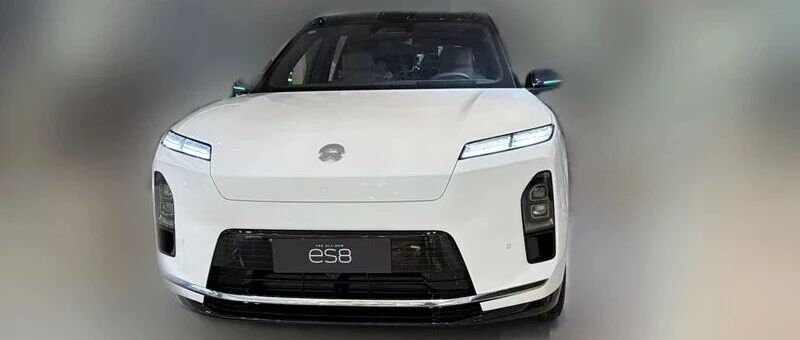
Core Viewpoint - The newly launched NIO ES8 has gained significant popularity due to its competitive pricing and enhanced features compared to the previous generation, leading to a stable order volume despite a waiting period of 4-5 months for delivery [2][3]. Sales Performance - The new ES8 is approximately 100,000 yuan cheaper than its predecessor, which has contributed to its strong market performance [2]. - The best-selling configuration is the six-seat Executive Luxury version priced at 406,800 yuan, followed by the six-seat Executive Signature version at 446,800 yuan [3]. Customer Demographics - The primary buyers of the ES8 are business owners, including those in construction, logistics, and high-level executives, predominantly aged between 40-55 years [5]. - A notable customer profile includes individuals from humble backgrounds who aspire to own luxury vehicles, viewing NIO as a prestigious brand comparable to traditional luxury brands [7][9]. Consumer Preferences - Customers are attracted to the NIO brand for its luxury image and strong business attributes, as well as the mature technology of the third-generation ES8, which offers battery swapping options [11]. - The most frequently compared model is the AITO M9, with buyers often swayed by Huawei's brand reputation and the M9's advanced driving assistance features [12][13]. Purchase Options - The most common financing option is a 5-year plan with 2 years of zero interest, along with a Battery-as-a-Service (BaaS) rental scheme [15]. - For the six-seat Executive Luxury version under the BaaS plan, the monthly battery rental is 1,128 yuan, with the vehicle price set at 298,800 yuan [15]. Customer Feedback - Current customer complaints include the inadequacy of the advanced driving assistance system and the limited availability of battery swap stations in rural areas [21]. - Maintenance costs for the ES8 are relatively low, with the first service free and subsequent services costing between 600-800 yuan [20]. Recent Customer Rights - Recent customer rights include a newly announced trade-in policy for old vehicles [29].
跻身“百万车企俱乐部” 蔚来探寻“第三发展阶段”新坐标
Zheng Quan Shi Bao Wang· 2026-01-06 14:36
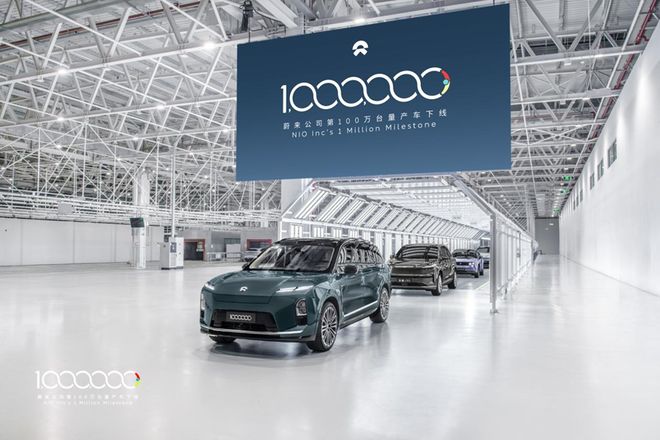
Core Insights - NIO has achieved a significant milestone by rolling out its one millionth electric vehicle, marking an important point in the company's development journey [1] - The company is entering a new phase focused on high-quality growth, with plans to enhance technology, infrastructure, and market share [2] Company Strategy - NIO's founder, Li Bin, outlined a strategic focus on technology and product leadership, aiming for over 10,000 battery swap stations by 2030 and maintaining an annual growth rate of 40%-50% [2] - The company has categorized its development into three phases: rapid growth (2018-2021), adjustment (2022-2025), and a new phase starting in the second half of 2025 [2] - NIO has invested over 65 billion yuan in R&D since its first vehicle delivery in 2018, positioning itself as a leader in pure electric and battery swap technology [2] Operational Performance - In 2025, NIO delivered a total of 326,028 vehicles, a year-on-year increase of 46.9%, with December alone seeing a record delivery of 48,135 vehicles [2] - Li Bin expressed confidence in achieving profitability in Q4 2025, citing improved gross margins and increased deliveries of the new ES8 model [3] Future Product Plans - NIO plans to launch several new models in 2026, including the ES9 and L80, with new vehicle releases scheduled for Q2 and Q3 of this year [4] - The company is accelerating its global expansion strategy, aiming to enter 40 countries and regions, with the Firefly brand leading the charge [4] Industry Outlook - Li Bin believes that the automotive industry will not consolidate to just a few players, predicting at least ten Chinese brands will thrive, with an annual production target of 35 million vehicles [6] - The penetration rate of new energy vehicles in China is expected to exceed 90% by 2030, with pure electric vehicles making up at least 80% of that [6] - NIO's infrastructure strategy, including plans for over 10,000 battery swap and charging stations by 2030, is seen as a critical support for navigating industry cycles [6]

换电第一股来了,800座换电站覆盖60城,三年半亏超20亿
3 6 Ke· 2025-12-16 03:05
Core Viewpoint - Aodong New Energy is aiming to become the first publicly listed company in the battery swapping sector in China, having submitted its listing application to the Hong Kong Stock Exchange with CMB International as the sole sponsor [1][5]. Company Overview - Aodong New Energy, established in 2016, is the largest independent third-party battery swapping solution provider in China based on revenue generated from battery swapping station operations projected for 2024 [5][23]. - As of mid-2025, Aodong New Energy operates 521 battery swapping stations, including 267 owned stations, and manages over 160,000 batteries with more than 130,000 registered electric vehicles [7][24]. Financial Performance - For the first half of 2025, Aodong New Energy reported revenue of RMB 324 million, a 31.7% decline compared to RMB 474 million in the same period of 2024 [8][12]. - The company recorded a net loss of RMB 1.57 billion in the first half of 2025, which is a 44.52% reduction from the RMB 2.83 billion loss in the first half of 2024 [12][46]. - Revenue figures for 2022, 2023, and 2024 were RMB 11.06 billion, RMB 11.55 billion, and RMB 9.26 billion respectively, indicating relatively stable performance over these years [8]. Business Model and Revenue Streams - Aodong New Energy's revenue model is shifting, with income from battery swapping services increasing significantly from 29.0% in 2022 to 69.8% in the first half of 2025, while revenue from equipment sales has decreased from 66.1% to 17.1% [34]. - The company provides battery swapping solutions compatible with various electric vehicle models, catering to a diverse range of vehicles from passenger cars to heavy trucks [26][29]. Research and Development - Aodong New Energy has reduced its R&D expenditures from RMB 77.6 million in 2022 to RMB 27 million in the first half of 2025, attributed to cost optimization measures [19][12]. - The company is focused on enhancing its battery swapping technology, which includes innovations that improve swapping speed and battery module lifespan [29]. Market Position and Competition - The battery swapping industry is still in its developmental phase, with evolving market structures, technical standards, and competitive dynamics. Aodong New Energy acknowledges potential risks from market slowdowns and increased competition from other energy supply models [46]. Shareholding Structure - The major shareholder of Aodong New Energy is Cai Dongqing, who holds approximately 40.10% of the shares, with NIO Capital also being a notable investor with a 5.53% stake [38][45].
瞄准盈利目标 新势力车企多路线突围
Zheng Quan Ri Bao· 2025-11-27 15:59
Core Insights - The performance of four listed new energy vehicle companies in China, namely Leap Motor, Xpeng Motors, NIO, and Li Auto, shows significant divergence in their third-quarter results for 2025, highlighting the competitive landscape in the market [1] Sales Performance - Leap Motor achieved sales of 173,900 units, a year-on-year increase of 101.8%, leading the market - Xpeng Motors sold 116,000 units, up 149.3% year-on-year - Li Auto's sales reached 93,200 units, a decline of 39.0% year-on-year - NIO sold 87,100 units, marking a year-on-year growth of 40.8% [2] Revenue Data - Li Auto led in revenue with 27.4 billion yuan, although this represented a year-on-year decline of 36.2% - NIO reported revenue of 21.79 billion yuan, up 16.7% year-on-year - Xpeng Motors generated revenue of 20.38 billion yuan, a 101.8% increase year-on-year - Leap Motor's revenue was 19.45 billion yuan, reflecting a 97.3% year-on-year growth [2] Profitability - The profitability landscape showed "one profit and three losses" among the four companies - Leap Motor achieved a net profit of 150 million yuan, marking consecutive quarterly profitability - Xpeng Motors reported a net loss of 380 million yuan, significantly reduced from 1.81 billion yuan in the same period last year - Li Auto recorded a net loss of 620 million yuan, down from a profit of 2.8 billion yuan last year - NIO's net loss was 3.48 billion yuan, a decrease of 31.2% from 5.06 billion yuan year-on-year [2] Gross Margin Analysis - Xpeng Motors led with a gross margin of 20.1%, an increase of 4.8 percentage points year-on-year - Li Auto's gross margin was 16.3%, which adjusted for the recall costs of the Li MEGA model, would be 20.4% - Leap Motor reported a gross margin of 14.5%, up 6.4 percentage points year-on-year - NIO's gross margin stood at 13.9%, an increase of 3.2 percentage points year-on-year [3] Technological Innovation - The four companies are actively pursuing technological innovations, particularly in the field of physical AI - Xpeng Motors plans to launch three Robotaxi models by 2026 and aims for mass production of humanoid robots by the end of the year - Li Auto has invested heavily in AI, with a monthly usage rate of its VLA driver model reaching 91% and an expected annual R&D expenditure of 12 billion yuan, with over 6 billion yuan allocated to AI [4] - Leap Motor emphasizes self-research and development, achieving significant advancements in core components and technologies [4] Competitive Strategies - NIO continues to enhance its battery swap technology to create a differentiated competitive advantage and is accelerating its overseas market expansion [5] - Industry experts indicate that the third-quarter financial data reflects a new phase of differentiated development among Chinese new energy vehicle companies, with technology innovation, cost control, and globalization being critical success factors [5]

蔚来李斌:欢迎宁德时代这样的行业巨头进入换电领域
Xin Lang Ke Ji· 2025-11-21 03:53
Core Viewpoint - NIO's founder and CEO Li Bin welcomes more automotive manufacturers and industry giants like CATL to enter the battery swapping sector, viewing it as beneficial for the entire industry [1] Group 1: Industry Collaboration - Li Bin emphasizes the importance of collaboration within the industry, stating that cooperation is always the best option [1] - NIO has established framework collaborations with multiple automotive companies over the past two years, indicating a willingness to open its charging and battery swapping network to the entire industry [1] Group 2: Strategic Partnerships - NIO and CATL have maintained strategic cooperation in various aspects, particularly in resource and technology sharing related to battery swapping networks [1]
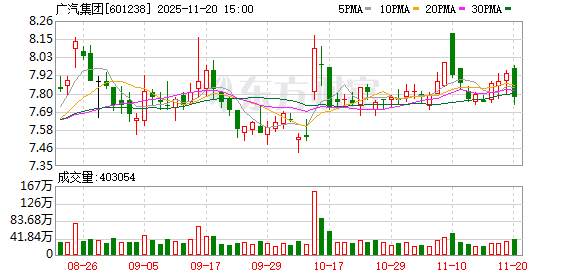
广汽集团冯兴亚直言“狼性”企业入局加剧内卷 閤先庆称要造年轻人的车
Zhong Guo Jing Ying Bao· 2025-11-20 08:51
Group 1 - GAC Group has appointed He Xianqing as the new General Manager, with Wang Dan as Chief Accountant and several others as Vice Presidents [2] - He Xianqing emphasized the significant challenges and pressures he faces in his new role, expressing gratitude for the support he has received [2] - He Xianqing has extensive experience within GAC Group, having held various leadership positions in different subsidiaries [2] Group 2 - He Xianqing outlined the vision for "New GAC," focusing on developing products that meet customer needs and enhancing market insight [3] - The decline in Aion's performance is attributed to its previous focus on the B2B market, with plans to shift towards a B2C model [3] - GAC's collaboration with Huawei aims to create high-tech, high-performance vehicles targeting younger consumers, with two models expected to launch by 2026 [3][4] Group 3 - GAC Group is working with CATL on battery swapping technology, having signed a ten-year strategic agreement to advance smart chassis and battery swap ecosystems [4] - By mid-2026, GAC plans to establish 600 brand stores in lower-tier cities to enhance accessibility to its vehicle lineup, with over 1,000 investors already expressing interest [4] - The automotive industry is undergoing significant changes, with increased competition from agile companies, making transformation essential for survival [4]