搪胶毛绒玩具

Search documents
数据驱动的管理
3 6 Ke· 2026-01-19 03:29
Core Insights - Data has become an indispensable strategic resource for enterprises, often referred to as the "new oil" of business development. Efficient data collection, scientific analysis, and effective utilization are essential for driving decision-making, optimizing operations, and unlocking innovation [1] Group 1: Necessity of Data-Driven Management - The rapid development of IoT, big data, and AI is driving a comprehensive digital transformation in the global economy, resulting in massive data generation across all operational aspects of businesses [2] - Traditional management models relying on experience and intuition are becoming inadequate in the face of explosive data growth and rapidly changing market conditions, leading to slower responses and inaccurate judgments [2] Group 2: Core Elements of Data-Driven Management - **Data Resource Optimization**: Companies are shifting focus from merely pursuing advanced models to deeply optimizing their unique internal data resources, which are crucial for AI application and differentiated innovation [3] - **Technological Empowerment**: Advanced technologies like AI, machine learning, and big data analytics serve as the engine for data-driven management, enabling precise market trend predictions and operational insights [4] - **Talent Development**: There is a growing need for composite talents who understand both business and data, with positions like data scientists experiencing significant growth in demand [6] Group 3: Practical Pathways for Data-Driven Management - **Precision Decision-Making**: Companies should establish data-based decision-making mechanisms, integrating data analysis into strategic planning, market expansion, and product iteration [7] - **Process Optimization**: Businesses should utilize data to identify and eliminate redundant processes, enhancing efficiency in production, supply chain management, and financial operations [8] - **Risk Prevention**: A data risk warning system should be established to capture potential market, credit, and operational risks in real-time [9] - **Value Creation**: Companies need to leverage data as a core driver for innovation in business models and services, enhancing customer engagement and operational efficiency [10] Group 4: Challenges and Responses in Data-Driven Management - **Data Security and Privacy**: Companies must strengthen data security measures to prevent breaches and ensure compliance with legal regulations [11] - **Data Quality and Governance**: Establishing stringent data quality standards and governance frameworks is essential to avoid misleading decisions due to low-quality data [12] - **Technological Iteration and Talent Shortage**: Companies should invest in R&D and collaborate with educational institutions to keep pace with rapid technological advancements and address talent shortages [13] Group 5: Future Outlook for Data-Driven Management - The latest accounting standards require companies to recognize data resources as assets, marking a significant step towards data assetization. Several companies have begun to disclose the monetary value of their data resources [14] - The emergence of financialization cases for data assets indicates new financing channels for businesses, driven by technological advancements and regulatory frameworks [15] - Embracing a data culture and building core competitive capabilities will be crucial for companies to navigate the challenges and opportunities in the digital economy [16]
中国玩具解困:成为乐高,超越乐高
Bei Jing Shang Bao· 2026-01-15 16:32
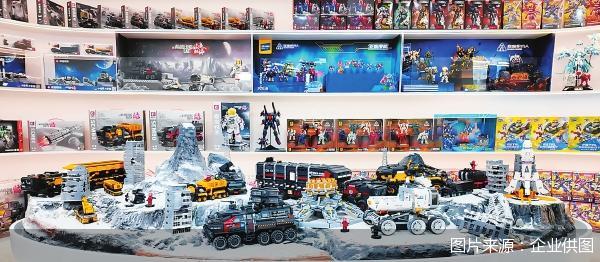
Core Insights - The dominance of the LEGO brand in the consumer's mind highlights the challenges faced by domestic toy companies in China, particularly in the building block segment [1][10] - Domestic brands are struggling with price competition, limiting their profit margins and ability to invest in hardware such as raw materials and molds [1][8] - The rise of collectible blind boxes has transformed toys into emotional carriers and social currency, appealing to consumers of all ages [1][13] Pricing and Market Dynamics - Domestic building block brands are often priced at 1/5 to 1/10 of LEGO's prices, with typical price ranges from 9.9 to 399 yuan [3][7] - The price competition hampers long-term brand building and consumer engagement for many domestic brands [3][8] - The strategy adopted by companies like Senbao focuses on cultural emotional connections through domestic IPs, avoiding direct price competition [3][4] Cultural and Emotional Connection - Domestic brands are leveraging local cultural IPs to resonate with consumers, while LEGO relies on global IPs like Marvel [4][10] - The success of military-themed building blocks reflects a strong emotional connection to national pride among consumers [6][10] - The market for IP toys is projected to grow significantly, with a forecasted increase from 64.4% in 2023 to 74.5% by 2028 [11] Industry Growth and Challenges - The Chinese building block market experienced a compound annual growth rate of 30% to 50% over six years, but growth has slowed to about 5% to 10% recently [12] - Companies are increasingly looking to international markets as a strategic direction to match global growth opportunities [12] - The key challenge for domestic brands is transitioning from a manufacturing advantage to building brand value [12][15] Consumer Behavior and Trends - The adult consumer segment is becoming a significant force in the toy market, with purchases driven by emotional value and social connections rather than just for children [13][14] - The trend of "meaningful consumption" reflects a shift in consumer behavior towards emotional and social engagement through toys [14][15] - The emergence of unique domestic IPs is creating new avenues for consumer engagement and brand differentiation [11][15]

中国玩具解困:不止于“性价比” 押注文化IP与情感价值
Bei Jing Shang Bao· 2026-01-15 05:00
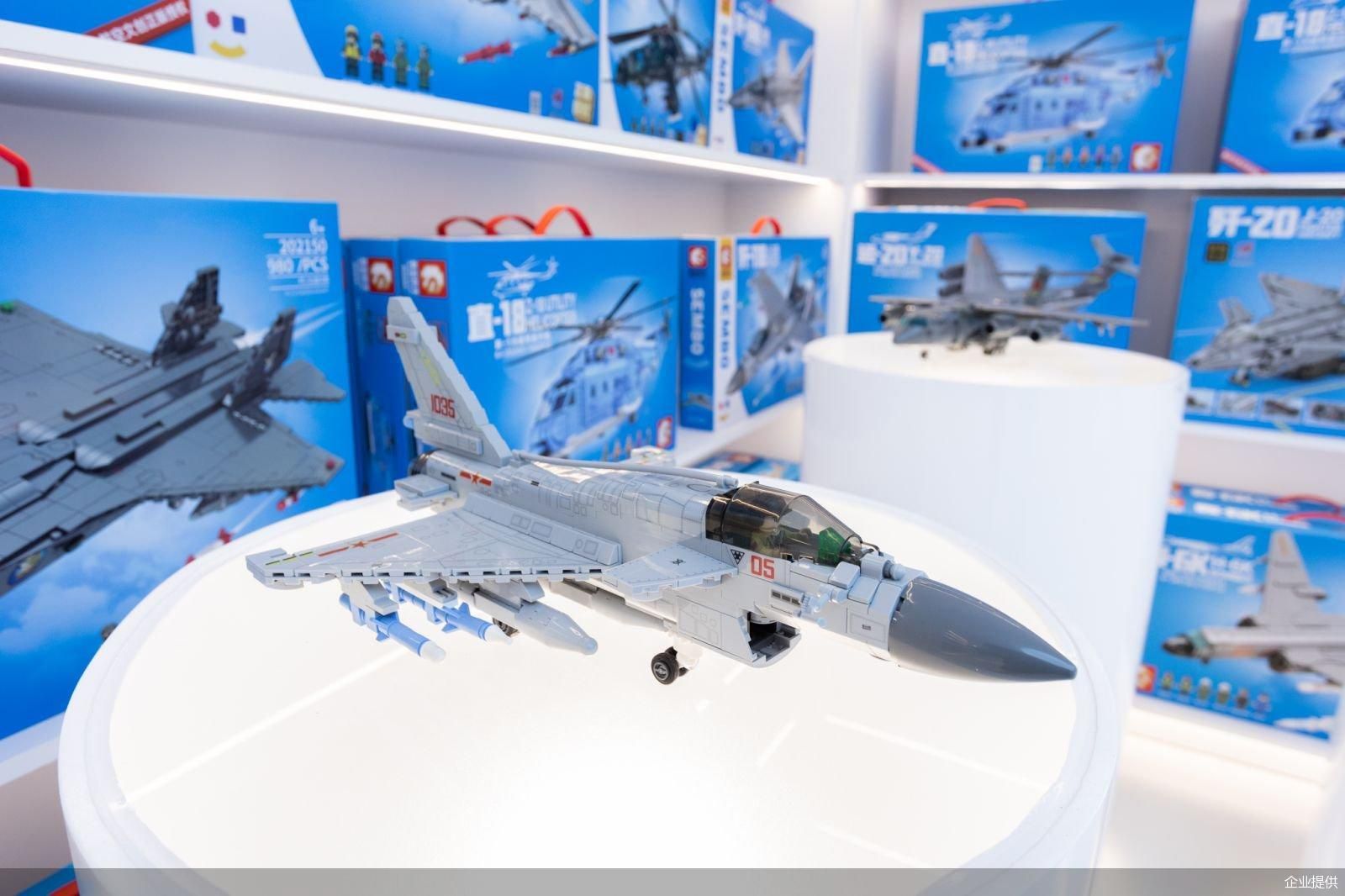
Core Insights - The dominance of LEGO in the toy market highlights the challenges faced by domestic brands in China, particularly in the building block segment, where price competition limits profit margins and investment capabilities [1][9] - Domestic brands are shifting focus towards cultural emotional connections and IP development to differentiate themselves from LEGO and establish a competitive edge [2][3] Market Dynamics - The toy market is experiencing significant growth, driven by adult consumers and the rise of collectible trends, with domestic brands facing intense competition on pricing, design, and branding [2][12] - The price range for domestic building blocks typically falls between 9.9 yuan and 399 yuan, significantly lower than LEGO's pricing, which can be three to five times higher [2][6] Brand Strategy - Domestic brands like Senbao are adopting strategies centered around cultural IP, such as military themes and local cultural narratives, to connect emotionally with consumers and avoid direct price competition [2][3] - The success of military-themed products, such as the Shandong aircraft carrier model, demonstrates the market potential for culturally resonant IP [4][10] Production Challenges - The primary hardware gap between domestic brands and LEGO lies in raw material quality, with domestic brands facing a 20%-30% cost difference in materials, impacting their ability to compete on quality [6][7] - While domestic brands have made advancements in injection molding technology, the precision of molds remains a challenge, with costs significantly lower than LEGO but quality still lagging [7][8] Consumer Behavior - The shift in consumer demographics towards adults has transformed toys into emotional and social commodities, with a growing trend of collecting and personal expression through toys [12][14] - The emergence of unique domestic IPs, such as LABUBU and wakuku, reflects a growing consumer desire for personalized and culturally relevant products [10][12] Future Outlook - The Chinese toy market is entering a golden period, with government support for local IP development and innovative design, indicating a favorable environment for domestic brands to enhance their market presence [15] - The transition from manufacturing advantages to brand value is crucial for domestic brands to establish a strong foothold in both local and international markets [11][15]
中国玩具解困:不止于“性价比”,押注文化IP与情感价值
Bei Jing Shang Bao· 2026-01-15 04:22
Core Insights - The dominance of LEGO in the toy market is evident, as consumers often equate "buying building blocks" with "buying LEGO," highlighting the brand's strong association with the category [1][13] - Domestic brands face significant challenges, including price competition and limited profit margins, which hinder their ability to invest in materials and innovation [1][12] Market Dynamics - The rise of collectible blind boxes has transformed toys into emotional and social currency, appealing to consumers of all ages [1][16] - The domestic building block market is characterized by a wide price range, with products priced between 9.9 yuan and 399 yuan, often significantly lower than LEGO's prices [3][12] Brand Strategy - Domestic brands like Senbao are focusing on cultural emotional connections and leveraging local IPs to differentiate themselves from LEGO, which relies on global IPs like Marvel [4][12] - Senbao's strategy includes a clear focus on "national trend IPs" and military-themed products that resonate with local consumers [4][7] Production and Quality - The gap in quality between domestic brands and LEGO is primarily due to differences in raw materials, with domestic brands facing a 20%-30% cost disadvantage [8][11] - While domestic companies have made strides in injection molding technology, they still lag in mold precision, which affects product quality [11][12] Consumer Trends - The adult consumer segment is becoming increasingly important, with purchases driven by emotional connections and the desire for collectibles rather than just children's toys [18][19] - The trend of "meaningful consumption" is emerging, where consumers are willing to pay a premium for innovative designs and limited editions [19][20] Future Outlook - The Chinese IP toy market is projected to grow significantly, with expectations of reaching 74.5% market share by 2028 [15] - Domestic brands are encouraged to shift from a manufacturing focus to building brand value, which requires time and a clear differentiation in product innovation and consumer engagement [15][20]
高端酸奶的“泡沫” ,破了
3 6 Ke· 2026-01-06 12:13
Core Insights - The high-end consumer goods industry has entered a "deep winter" in 2025, leading to widespread price reductions across various brands, including luxury cars, beauty products, and alcoholic beverages, with price drops exceeding 20% from peak levels [1] - The dairy industry, particularly high-end products, has also experienced significant price cuts, with reductions ranging from 30% to 50%, and some products seeing drops as high as 70% [1][3] Group 1: Market Dynamics - The decline in demand for high-end dairy products is not due to a general aversion to premium goods, but rather a failure of traditional brands to engage consumers effectively [4][5] - Consumers have become more rational and discerning, focusing on product quality and effectiveness rather than marketing narratives [5][6] Group 2: Marketing Strategies - Traditional marketing approaches, such as high-profile sponsorships and storytelling, are becoming less effective in reaching today's consumers, who are more skeptical and have diverse media consumption habits [9][10] - Brands like 越秀辉山 and Blueglass have struggled with outdated marketing strategies, leading to penalties and diminished brand reputation [7][8] Group 3: Product Differentiation - The dairy sector faces challenges in product differentiation, as many offerings are similar in taste and nutritional content, making it difficult to justify premium pricing [13][14] - To succeed, brands must find ways to enhance perceived value, such as emphasizing unique nutritional benefits or superior sourcing practices [17][27] Group 4: Future Opportunities - The aging population is expected to increase demand for high-quality nutritional products, presenting a cyclical opportunity for brands like 越秀辉山 to innovate and improve their offerings [28][29] - Companies should focus on modernizing marketing strategies and ensuring product quality to remain competitive in a changing market landscape [18][26]



财经聚焦丨安全标准修订 对玩具产业影响几何?
Xin Hua She· 2025-11-19 23:18
Core Viewpoint - The newly revised mandatory national standards for toy safety will be implemented starting November 1, 2026, addressing emerging safety risks in the rapidly growing toy industry [1][5]. Industry Development - The toy industry in China is experiencing rapid growth, with projections indicating that the domestic retail sales of toys will exceed 100 billion yuan by 2025 [3]. - The "14th Five-Year Plan" has accelerated the transformation and upgrading of the toy industry, focusing on increasing variety, improving quality, and creating brands [3]. Safety Risks - New materials and technologies in the toy industry have introduced safety hazards, including toxic substances in popular toys like "crystal mud" and "magnetic beads," which pose risks of choking and poisoning [4]. - Experts have noted that some trending toys lack clear material specifications and quality control, leading to potential health risks for children [4]. Standard Enhancements - The revised standards include comprehensive upgrades to safety requirements and testing methods, enhancing the enforceability and applicability of national standards [5]. - New limits on ten categories of harmful substances, including formaldehyde and volatile organic compounds, have been added to prevent health hazards [5]. - The standards now include specific technical requirements for new product categories, such as flame-retardant properties for headwear toys and safety measures for food-shaped toys [5][6]. Implementation and Compliance - Companies are proactively adapting to the new standards, with some already initiating the transition process to ensure compliance [8]. - The transition period for the new standards includes a 12-month production phase and an additional 12-month sales phase to facilitate the orderly exit of existing inventory [8]. Regulatory Actions - A joint three-year action plan has been launched by six government departments to enhance the safety of children's products, with extensive inspections conducted on toy manufacturers [9]. - The goal is to effectively address safety hazards and significantly improve the quality of children's products by 2027 [9].

安全标准修订,对玩具产业影响几何?
Xin Hua Cai Jing· 2025-11-19 10:08
Core Insights - The newly revised mandatory national standards for toy safety will be implemented on November 1, 2026, aiming to enhance safety measures in the toy industry [1] Industry Development - The toy industry in China is experiencing rapid growth, with projections indicating that the domestic retail sales of toys will exceed 100 billion yuan by 2025 [2] - The "14th Five-Year Plan" has focused on transforming and upgrading the toy industry, emphasizing the strategy of increasing variety, improving quality, and creating brands [2] Safety Concerns - The application of new materials and technologies has exposed new safety risks in toys, including toxic substances in popular items like "crystal mud" and "magnetic beads" [3] - Experts have highlighted that some toys have design flaws that pose mechanical and physical safety hazards, such as small parts that can be swallowed [3] Standard Enhancements - The revised standards include comprehensive upgrades to safety requirements and testing methods, enhancing the enforceability and applicability of national standards [4] - New limits on ten categories of harmful substances, including formaldehyde and volatile organic compounds, have been added to protect children's health [4] - Technical requirements for new product categories, such as flame-retardant properties for masks and toys, have been introduced to improve fire safety [4][5] Implementation and Compliance - Many toy companies are proactively adapting to the new standards, with some already completing over 90% of their product line compliance [6] - The transition period for the new standards includes a 12-month production phase and an additional 12-month sales phase to ensure a smooth transition [6] Regulatory Actions - The State Administration for Market Regulation has initiated a three-year action plan to safeguard the safety of children's products, inspecting over 18,000 batches of toys and addressing issues in nearly 2,000 companies [6][7] - Future efforts will focus on strengthening quality supervision and enhancing safety levels for children's products by 2027 [7]
泡泡玛特(09992):1H25利润预增350%+,迈向全球IP龙头
HTSC· 2025-07-16 01:55
Investment Rating - The report maintains a "Buy" rating for the company with a target price of HKD 348.00, reflecting a significant upside from the current closing price of HKD 263.20 [6]. Core Views - The company is expected to achieve a revenue increase of no less than 200% for 1H25, translating to approximately RMB 13.67 billion, with Q2 growth potentially exceeding 220% [1]. - The group's profit is projected to increase by no less than 350%, indicating strong operational performance and market demand [1]. - The company is establishing itself as a global leader in the IP (Intellectual Property) space, leveraging product innovation to enhance IP value [1]. Summary by Sections Financial Performance - The company anticipates a significant profit increase of no less than 350% for H1, corresponding to approximately RMB 4.34 billion and a net profit margin of 31.7%, an increase of over 10 percentage points year-on-year [4]. - Revenue forecasts for 2025-2027 have been adjusted upwards by 56.9%, 68.9%, and 68.4% to RMB 10.2 billion, RMB 15.2 billion, and RMB 19.7 billion respectively [5]. Market Dynamics - The domestic market continues to show strong momentum, with average store efficiency increasing by 60% in Q2, and online sales on platforms like Tmall, JD, and Douyin growing over 170% [2]. - The company’s IP, particularly the Labubu plush series, has gained significant traction, leading to high demand and premium pricing [2]. Global Expansion - The company has seen a rapid increase in its global fan base, with North American and European followers growing by over 1400% and 600% respectively in Q2 [3]. - The establishment of over 30 new overseas stores in H1, with a focus on high-efficiency regions, indicates a robust international expansion strategy [3]. Innovation and Product Development - Continuous product innovation, particularly in the plush category, is expected to drive sales growth and enhance brand value [2]. - The company is diversifying its offerings through various business models, including merchandise stores and animated content, which are anticipated to further enhance revenue streams [4].

名创暴跌? 没有IP魂,搬不来下一个“泡泡玛特”
海豚投研· 2025-05-23 13:43
Group 1 - The core viewpoint of the article indicates that while Miniso's Q1 2025 revenue met expectations, the significant increase in marketing expenses led to core operating profits falling short of market forecasts [1][4][6] Group 2 - Overall revenue for Q1 2025 reached 4.43 billion RMB, a year-on-year increase of 19%, aligning with expectations. Domestic revenue was 2.84 billion RMB, up 13.3%, while overseas revenue was 1.59 billion RMB, growing 30% [2][14] - The company has slowed its store opening pace, with a net decrease of 111 domestic stores, marking the first decline in total store count. Closures were primarily in lower-tier cities, while first-tier cities focused on optimizing store locations [3][17] - Same-store sales growth in China showed a narrowing decline, while overseas performance remained flat. New product categories and partnerships with Meituan enhanced store efficiency [24][25] - Gross margin remained stable at 44%, despite rising overseas procurement costs. The increase in IP licensing fees (up 40%) and significant rent and depreciation costs (up 71%) led to a marketing expense ratio of 23.1% [27][29] - Core operating profit and adjusted EBITDA were 710 million RMB and 1.04 billion RMB, respectively, both below market expectations [4][29] Group 3 - The article highlights that Miniso's strategy of relying on IP licensing has resulted in a lower premium compared to competitors with stronger original design capabilities, indicating a potential risk in profitability [6][7] - The increase in rental costs is attributed to the expansion of overseas direct stores, particularly in North America, raising concerns about the profitability of these operations [8][26] - Future performance is expected to improve as same-store sales in major markets, including the U.S., have turned positive since April, suggesting potential for marginal improvement in upcoming quarters [8][6]