数字影视

Search documents
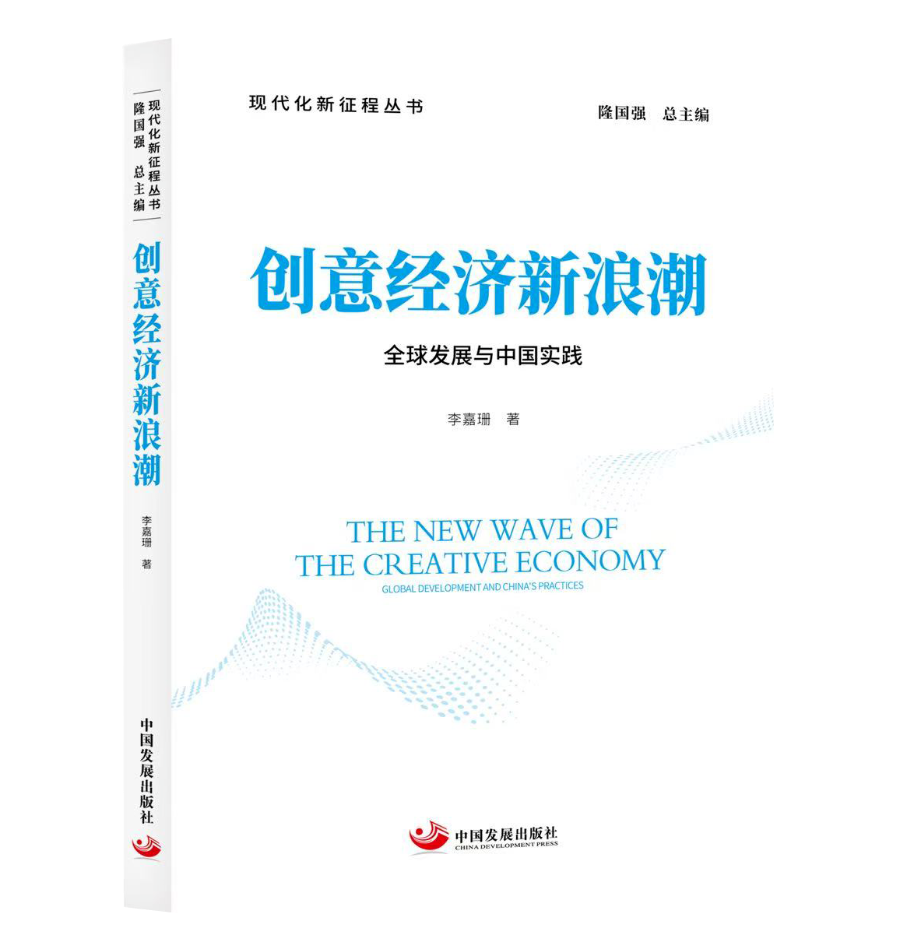
21书评|创意经济“出海”:需有针对性突破贸易壁垒
2 1 Shi Ji Jing Ji Bao Dao· 2026-01-12 08:05
Core Insights - The creative economy has become a significant driver of global economic growth, accounting for 6.8% of global economic value added, with notable performance in countries like the UK, US, and South Korea [1][5] - China's creative industry is rapidly expanding in international markets, facing challenges in statistics, policy support, and data capabilities [1][5] Group 1: Growth of China's Creative Industry - China's cross-border trade in creative industries has shown strong growth, with the number of key cultural export enterprises increasing from 142 in 2007 to 404 by 2025, reflecting an annual growth rate of 12.1% [5] - The total value of China's cultural trade has surged from $16.64 billion in 2007 to approximately $194.33 billion by 2024, representing a growth of over ten times [5] - In 2024, China's cultural trade accounted for 19.4% of the global total, with an annual growth rate of 12.7% from 2007 to 2024, significantly surpassing the international average [5] Group 2: Digital Transformation and Investment - The integration of digital technology is driving the growth of China's creative industries, particularly in digital content and cultural technology sectors, with areas like animation, online literature, and digital film becoming investment hotspots [6] - The number of digital culture-related enterprises among key cultural export companies increased from 15 (10.6% of the total) in 2007 to 144 (35.6%) in 2025, highlighting the impact of digital technology on cultural trade [5][6] Group 3: Challenges and Barriers - China's creative industries face several barriers in the globalization process, including digital trade restrictions, cultural recognition differences, and conflicts in international regulations [6][7] - The debate over "cultural exception" within the WTO framework presents challenges, as countries like France advocate for protecting local cultures while the US supports free trade principles for digital cultural products [7] - To navigate these challenges, Chinese cultural enterprises are encouraged to develop comprehensive risk management systems, utilizing big data for real-time monitoring and analysis of investment environments [7] Group 4: Cultural Exchange and Development - High-quality development of cultural trade requires a balance between exports and imports, promoting both the outbound flow of Chinese culture and the import of foreign cultural products [8] - Significant progress has been made in China's cultural trade through top-level design, the establishment of cultural free trade zones, and interdisciplinary talent cultivation [8]

学习规划建议每日问答丨如何理解创新发展数字贸易
Xin Hua Wang· 2025-12-26 00:38
Core Viewpoint - The article emphasizes the importance of "innovative development of digital trade" as outlined in the Central Committee's suggestions for the 15th Five-Year Plan, highlighting digital trade as a key component of international trade and economic growth [1] Group 1: Current State of Digital Trade in China - China's digital trade has rapidly developed and is now one of the "three pillars" of trade power alongside goods and services trade [1] - The scale of digitally deliverable services imports and exports is projected to reach 2.9 trillion yuan in 2024, with a year-on-year growth of 6.5% [1] - The total import and export volume of cross-border e-commerce is expected to reach 2.7 trillion yuan, reflecting a year-on-year increase of 14% [1] - Key sectors such as digital films, online games, and digital technology trade are gaining global popularity, with a strong foundation provided by China's second-largest digital economy and vast consumer market [1] Group 2: Challenges in Digital Trade Development - Challenges include the need for improved openness in the digital services market, the necessity for a more robust digital governance system, and the fragmentation of international digital trade rules [2] Group 3: Strategies for Innovation in Digital Trade - The first strategy is to expand foreign access to the digital sector by relaxing market entry restrictions and encouraging foreign investment [2] - The second strategy focuses on developing new business models and enhancing the quality of digital content, particularly in sectors like digital films, online education, and digital finance [3] - The third strategy involves creating high-level open platforms for digital trade, including establishing national digital trade demonstration zones and enhancing the competitiveness of digital service exports [3] - The fourth strategy emphasizes deepening international cooperation in digital trade, participating in rule-making, and expanding partnerships with countries in ASEAN, Central Asia, BRICS, and the Shanghai Cooperation Organization [4]
如何理解创新发展数字贸易
Xin Lang Cai Jing· 2025-12-25 19:23
Core Viewpoint - The article emphasizes the significance of innovating and developing digital trade as a new trend in international trade and a new growth point for the economy, as outlined in the recommendations for the 15th Five-Year Plan by the Central Committee of the Communist Party of China [1]. Group 1: Current State of Digital Trade - China's digital trade has rapidly developed and has become one of the "three pillars" of trade power construction alongside goods and service trade, with a projected scale of digital service imports and exports reaching 2.9 trillion yuan in 2024, a year-on-year increase of 6.5% [1]. - The total import and export volume of cross-border e-commerce is expected to reach 2.7 trillion yuan, reflecting a year-on-year growth of 14% [1]. - Key sectors such as digital films, online games, and digital technology trade are gaining global popularity, with significant growth potential in digital service trade [1]. Group 2: Challenges in Digital Trade - The development of digital trade in China faces challenges, including the need for improved openness in the digital service market, a more refined digital governance system, and fragmented international digital trade rules [2]. Group 3: Strategies for Innovation in Digital Trade - The article outlines four key areas for enhancing digital trade: 1. Expanding foreign access to the digital sector by relaxing market entry restrictions and promoting foreign investment in telecommunications, internet, and cultural sectors [2]. 2. Developing new business models and applications in digital trade, focusing on enhancing the quality of digital content and expanding export channels for digital products [3]. 3. Establishing high-level open platforms for digital trade, including the creation of national digital trade demonstration zones and enhancing the competitiveness of digital service exports [3]. 4. Deepening international cooperation in digital trade by participating in the formulation of relevant rules and expanding partnerships with ASEAN, Central Asian countries, BRICS nations, and members of the Shanghai Cooperation Organization [4].
学习规划建议每日问答 | 如何理解创新发展数字贸易
Xin Hua She· 2025-12-25 12:20
Core Viewpoint - The article emphasizes the importance of "innovative development of digital trade" as outlined in the Central Committee's suggestions for the 15th Five-Year Plan, highlighting digital trade as a key production factor and a new growth point in international trade [1] Group 1: Current State of Digital Trade in China - China's digital trade has rapidly developed and is now one of the "three pillars" of trade power construction alongside goods and service trade [1] - The scale of digitally deliverable service imports and exports is projected to reach 2.9 trillion yuan in 2024, with a year-on-year growth of 6.5% [1] - The total import and export volume of cross-border e-commerce is expected to reach 2.7 trillion yuan, reflecting a year-on-year increase of 14% [1] - Various digital products such as digital films and online games are gaining global popularity, while digital technology trade in AI and cloud services is steadily growing [1] Group 2: Challenges in Digital Trade Development - The development of digital trade faces challenges such as the need for improved market openness in digital services, a more refined digital governance system, and fragmented international digital trade rules [2] Group 3: Strategies for Innovation in Digital Trade - Expanding foreign access in the digital sector by relaxing market entry restrictions and encouraging foreign investment in telecommunications, internet, and cultural sectors [2] - Developing new business models in digital trade, enhancing the quality of digital content production, and expanding export channels for digital products [3] - Establishing high-level open platforms for digital trade, including the construction of national digital trade demonstration zones and enhancing the competitiveness of digital service exports [3] - Deepening international cooperation in digital trade by participating in the formulation of bilateral and multilateral trade rules and expanding partnerships with ASEAN, Central Asian countries, BRICS nations, and members of the Shanghai Cooperation Organization [4]
浙江聚力发展数字贸易
Jing Ji Ri Bao· 2025-09-14 05:59
Group 1 - Zhejiang Province is actively building a global digital trade center, with significant growth in digital technology, services, and cross-border e-commerce [1][2] - In the first half of this year, Zhejiang's digital trade imports and exports reached 414.95 billion yuan, marking a year-on-year increase of 13.2% [1] - The digital trade volume in Zhejiang has achieved double-digit growth for six consecutive years, with comprehensive advancements in policies, platforms, and standards [1] Group 2 - The "1+3+N" development layout includes one global digital trade expo, three centers in Hangzhou, Ningbo, and Yiwu, and encourages other cities to create distinctive digital trade projects [1] - The upcoming fourth Digital Trade Expo will focus on leading enterprises and new technologies, showcasing cutting-edge innovations like generative AI and embodied intelligent robots [1] - Hangzhou is developing a core area for digital trade, integrating high-end exhibitions, headquarters economy, and service sectors, aiming for a digital trade volume of 440 billion yuan by 2027 [2]
完善规划布局 用好展会平台 江聚力发展数字贸易
Jing Ji Ri Bao· 2025-09-14 02:04
Group 1 - The core viewpoint is that Zhejiang Province is actively building a global digital trade center, with significant growth in digital services and products, leading to a 13.2% year-on-year increase in digital trade imports and exports, totaling 414.95 billion yuan in the first half of the year [1] - Zhejiang's digital trade has achieved double-digit growth for six consecutive years, with comprehensive advancements in policies, platforms, and standards [1] - The "1+3+N" development layout includes one global digital trade expo, three centers in Hangzhou, Ningbo, and Yiwu, and encourages other cities to create distinctive digital trade projects [1] Group 2 - Hangzhou is developing a core area for digital trade, leveraging the digital trade expo and three free trade zones, with a focus on six digital trade bases [2] - The Xiaoshan area has become a model zone for digital trade in Zhejiang, fostering a number of exemplary enterprises [2] - The goal for Hangzhou is to achieve a digital trade volume of 440 billion yuan by 2027, integrating high-end exhibitions, headquarters economy, and digital services [2]
完善规划布局 用好展会平台 浙江聚力发展数字贸易
Jing Ji Ri Bao· 2025-09-13 22:10
Group 1 - Zhejiang Province is actively building a global digital trade center, with significant growth in digital technology, services, and cross-border e-commerce, leading to a digital trade import and export value of 414.95 billion yuan in the first half of the year, a year-on-year increase of 13.2% [1] - The digital trade value in Zhejiang has achieved double-digit growth for six consecutive years, with comprehensive progress in policies, platforms, and standards [1] - The "1+3+N" development layout proposed in the "Implementation Plan for the Reform and Innovation of Digital Trade in Zhejiang Province" includes one global digital trade expo, three centers in Hangzhou, Ningbo, and Yiwu, and encourages other cities to develop distinctive digital trade projects [1] Group 2 - Hangzhou is developing a core area for digital trade centered around the digital trade expo, with three free trade zones and six digital trade bases, aiming to achieve a digital trade value of 440 billion yuan by 2027 [2] - The Xiaoshan district has become one of the first digital trade demonstration zones in Zhejiang, fostering a number of exemplary digital trade enterprises [2] - The Qiantang district will focus on cross-border e-commerce and biomedicine, implementing five major enhancement projects including the construction of a comprehensive bonded zone [2]
城市24小时 | 不甘“赶晚集”,浙江“出手”了
Mei Ri Jing Ji Xin Wen· 2025-07-07 14:24
Group 1 - The 2025 Zhejiang Province Urban Basketball League ("Zhe BA") is the largest grassroots basketball event in Zhejiang, running from July 2025 to February 2026, involving 11 cities and 90 counties [1] - The league consists of two phases: a preliminary round in July to determine 11 champion teams, and a city championship from August 8, 2025, to February 2026, featuring 22 teams [1] - The event aims to boost consumption and integrate sports with cultural and tourism sectors, with local governments actively preparing to leverage the event for economic growth [3][5] Group 2 - Zhejiang media highlights the need for the province to learn from Jiangsu's successful sports events, indicating a potential for transformation in Zhejiang's sports landscape [2] - The "Zhe BA" requires participants to be non-professional players, aiming to engage grassroots talent and enhance community involvement [2] - Local governments are implementing strategies to convert event attendance into economic benefits, including promotional packages and enhancing service consumption [5] Group 3 - The event is seen as a catalyst for increasing retail sales, with Zhejiang's retail sales reaching 1.55 trillion yuan in the first five months of the year, a 5.3% increase [5] - The integration of sports with cultural and tourism initiatives is emphasized as a way to create a festive atmosphere and drive local economies [2][3]