
网游

Search documents
商务部部长王文涛:“西方不亮东方亮”是中国外贸的底气所在
21世纪经济报道· 2026-03-06 11:46
Core Viewpoint - The article emphasizes the importance of stabilizing foreign trade in China amidst a complex external environment, highlighting the government's initiatives to enhance trade through three main pillars: goods trade, service trade, and digital trade [3][5]. Group 1: Trade Performance - In 2022, China's foreign trade reached over 45 trillion yuan, growing by 3.8%, marking nine consecutive years of growth [3]. - Service trade exceeded 8 trillion yuan, maintaining a leading position globally [3]. - The export of mechanical and electrical products surpassed 60% for the first time, indicating a shift towards high-end, intelligent, and green products [3]. Group 2: Trade Structure and New Models - The article notes the emergence of new trade models, with cross-border e-commerce imports and exports reaching 2.75 trillion yuan [3]. - Over 780,000 enterprises engaged in import and export activities, with nearly 60% being private enterprises [3]. - The diversification of trade partners is highlighted, with trade with Belt and Road Initiative countries accounting for over 51.9% of total trade [3]. Group 3: Strategies for Stabilizing Trade - The government plans to optimize policy support to address new challenges in trade, focusing on intermediate goods, supply chain cooperation, and financial policies [5][6]. - There is a push for balancing imports and exports, with an emphasis on expanding imports of agricultural products, quality consumer goods, and advanced technology [6]. - The development of service trade is prioritized, with a projected growth rate of 7.4% by 2025, outpacing goods trade growth [6][7].


关注文化“新三样”出海本土化议题 共建“数字丝绸之路”研讨会在京举行
Zhong Zheng Wang· 2026-01-12 11:29
Group 1 - The seminar on building the "Digital Silk Road" highlighted substantial progress in digital cooperation between China and ASEAN, with Chinese companies like Huawei and Tencent actively participating in telecommunications infrastructure in ASEAN countries [1] - Tencent Cloud has established 56 available zones overseas and successfully supported Indonesia's largest internet company, GoTo Group, in a significant cloud migration project [1] - The integration of technology with various industries is essential for driving global innovation and industrial upgrades [1] Group 2 - The "new three forms" of cultural export, including web dramas, online games, and digital literature, have significantly enhanced the overseas dissemination of Chinese culture [2] - Research indicates that overseas consumers' trust in Chinese brands is increasingly influenced by diverse factors, with "honesty and openness in communication" now ranking among the top five drivers [2] - Experts agree that deepening digital cooperation and fostering cultural resonance and brand trust are key to the high-quality development of the "Digital Silk Road" [2]

数览“十四五” 解码杭州超8000亿元的外贸突围与丝路动能
Mei Ri Shang Bao· 2025-12-23 23:36
Core Insights - The expansion of the Hangzhou Comprehensive Bonded Zone is a key initiative to enhance the city's high-level opening-up and boost the outward-oriented economy, providing new momentum for economic and social development [1] - Hangzhou's foreign trade has transformed from "scale expansion" to "quality improvement" during the 14th Five-Year Plan period, driven by technological breakthroughs and market diversification [1][2] - The city's foreign trade enterprises are focusing on innovation to build competitiveness and avoid risks associated with single markets, resulting in significant growth in exports [2][5] Foreign Trade Performance - From January to November 2025, Hangzhou's total import and export value reached 823.7 billion yuan, with exports of 587.8 billion yuan, marking an 8.8% year-on-year increase, outpacing national and provincial averages [1] - High-tech product exports reached 90.5 billion yuan, while electromechanical product exports exceeded 281.7 billion yuan, both showing growth rates significantly higher than the overall export growth [2] Industry Highlights - Zhejiang Chunfeng Power Co., Ltd. exemplifies success in high-end equipment manufacturing, with motorcycle exports growing from 8,000 units in 2020 to 126,000 units in 2024, achieving a compound annual growth rate of 69.99% [3] - The average export price of Chunfeng's products increased from $3,000 in 2020 to $6,500 in 2025, with exports to Central Asia and Southeast Asia growing by 120% [3] - Specialized and innovative enterprises are making significant strides in niche markets, with companies like Xianlin 3D Technology and Xuxian Technology achieving substantial international sales [3][4] Market Diversification - Hangzhou's strategy of market diversification has proven effective, with exports to Belt and Road countries reaching 291.9 billion yuan, a 14.6% increase year-on-year, accounting for 49.7% of total exports [5] - The city has expanded its trade partnerships, with 56 partners achieving trade volumes exceeding 1 billion yuan, including new partners like Iraq and Kazakhstan [5] Supportive Policies and Platforms - The city has organized 406 outbound delegations and participated in 643 overseas exhibitions, generating over 50 billion yuan in intended orders [6] - Cross-border e-commerce has become a key driver for new market expansion, with export growth rates reaching 29% and significant increases in cargo volumes [6] Role of Private Sector - Private enterprises play a crucial role in Hangzhou's foreign trade, with exports from private companies reaching 451.2 billion yuan, accounting for 76.8% of total exports [7] Emerging Industries - New industries such as renewable energy and digital economy are driving export growth, with electric vehicles and lithium-ion batteries seeing exports increase significantly [8] - Cultural exports have also gained traction, with the cultural industry’s added value reaching 344.8 billion yuan, reflecting a 54.3% increase since 2020 [9] Conclusion - Hangzhou's dual focus on technological innovation and market diversification has led to a robust foreign trade performance, with significant growth in both traditional and emerging sectors [10] - The city aims to continue enhancing its high-tech industries and expand its global trade footprint, contributing to its status as a key player in the global economy [10]
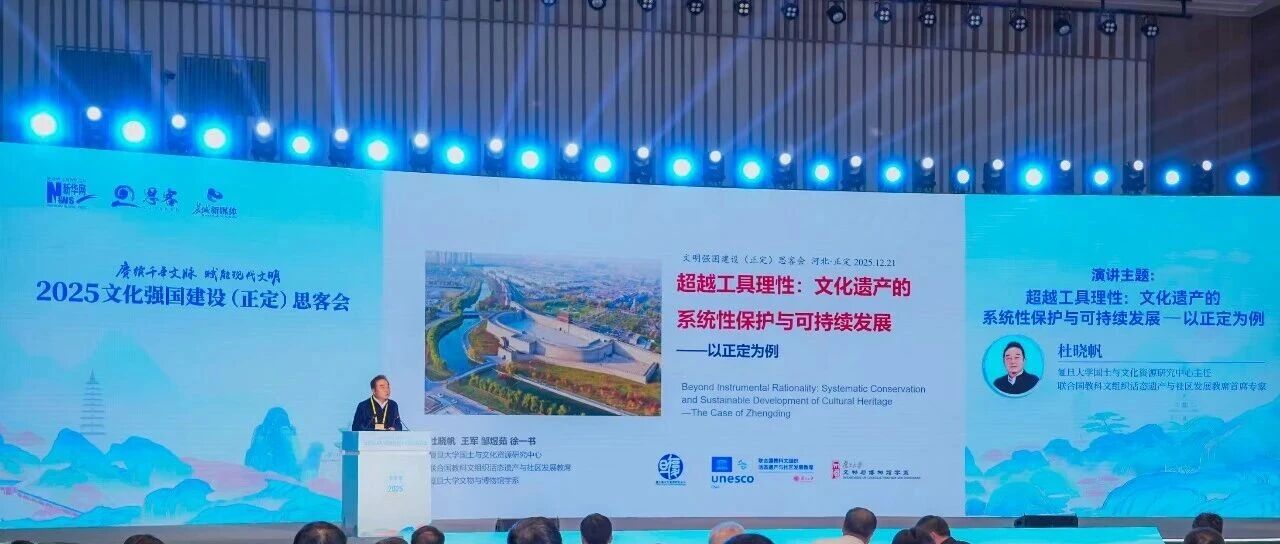
侧记|赓续千年文脉 赋能现代文明:一场在古城正定展开的文化强国思想激荡
新华网财经· 2025-12-22 03:08
Core Viewpoint - The article emphasizes the importance of cultural heritage in building a strong cultural nation, highlighting the integration of historical preservation with contemporary development as a pathway for sustainable growth [4][10]. Group 1: Cultural Heritage and Development - Zhengding, with a history of over 1,600 years and numerous ancient buildings, serves as a model for integrating cultural heritage into modern development [4]. - The conference aims to create a high-quality dialogue platform, showcasing Zhengding as an early practice site for the "Cultural Prosperity County" concept, merging historical preservation with contemporary growth [4][10]. Group 2: Cultural Strength and Economic Impact - The China Human Rights Development Foundation highlights that both hard and soft power are essential for cultural strength, with a significant increase in cultural service exports projected for 2024, particularly in online literature and entertainment [6]. - The rise in young museum visitors from under 30% to 60% indicates a growing engagement with cultural institutions, suggesting a need for better cultural products that resonate with contemporary audiences [6][8]. Group 3: Systematic Protection and Creative Transformation - Experts advocate for a systematic approach to cultural heritage protection, emphasizing the need to connect various heritage sites within a broader regional framework to avoid fragmentation [8]. - The concepts of "creative transformation" and "innovative development" are discussed as essential for the continuity of Chinese civilization, stressing the importance of inheriting and innovating based on traditional culture [9]. Group 4: Local Experience and Methodology - The "Zhengding model" is presented as a valuable case study, demonstrating how cultural investment can yield long-term benefits, with over 178 films shot in the area attracting more than 12 million visitors [11]. - The article notes that the local government's focus on user-friendly infrastructure enhances the cultural experience, showcasing a model of continuous innovation [11][12]. Group 5: Future Directions and Consensus - The conference participants reached a consensus on the need for a balanced approach to cultural development, emphasizing the importance of high-quality growth in ensuring cultural security [14]. - The discussions highlighted the necessity of leveraging cultural strengths to empower economic and social development, with a focus on both preservation and innovation [14].
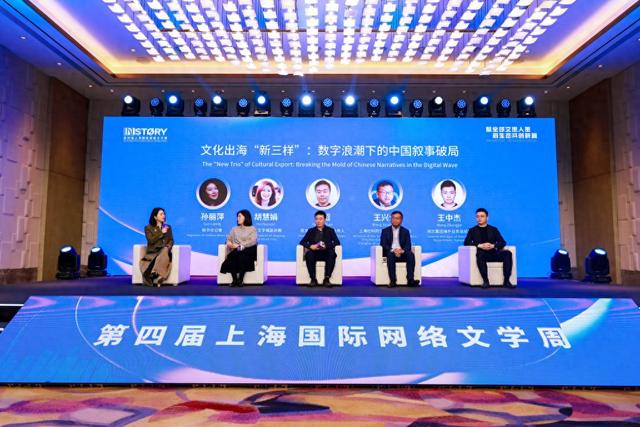
从线上出海到文旅实景,“新三样”引领文化出海新气象
Xin Lang Cai Jing· 2025-12-20 05:44
Group 1 - The core viewpoint of the article emphasizes the emergence of "new three items" (online literature, web series, and online games) as a systematic force reshaping global perceptions of Chinese narratives through cultural export [1][3] - The forum highlighted the formation of a dual-track path for cultural export, transitioning from "content going out" to "scenes taking root" both online and offline [1] - The success of the "new three items" is attributed to the advantages gained over the past decade, particularly after the proliferation of mobile technology in 2015, allowing Chinese content to gain a first-mover advantage in global markets [3] Group 2 - The integration of IP and cultural tourism is identified as a new trend, with examples such as the immersive experience of "Dao Gui Yi Xian" in Singapore, showcasing the transformation of Chinese IP into tangible, interactive experiences [4][6] - The challenges of cultural translation, commercial adaptation, and industrial integration are crucial for successfully bringing Chinese IP to international audiences [4] - The "IP + cultural tourism" model has shown significant potential, attracting new demographics and enhancing visitor satisfaction through tailored experiences [6] Group 3 - The cultural export is evolving from a one-dimensional content export to a dual-track approach that combines online digital ecosystem construction with offline physical scene integration [8] - Chinese online literature is becoming a vital source of IP, collaborating with various forms of media to create a more inclusive and interactive global cultural consumption network [8] - Currently, over 13,600 online literary works, 1,300 published works, 2,100 comics, and more than 100 film and television productions have been launched overseas, indicating the growing presence of Chinese online literature in the global cultural landscape [8]
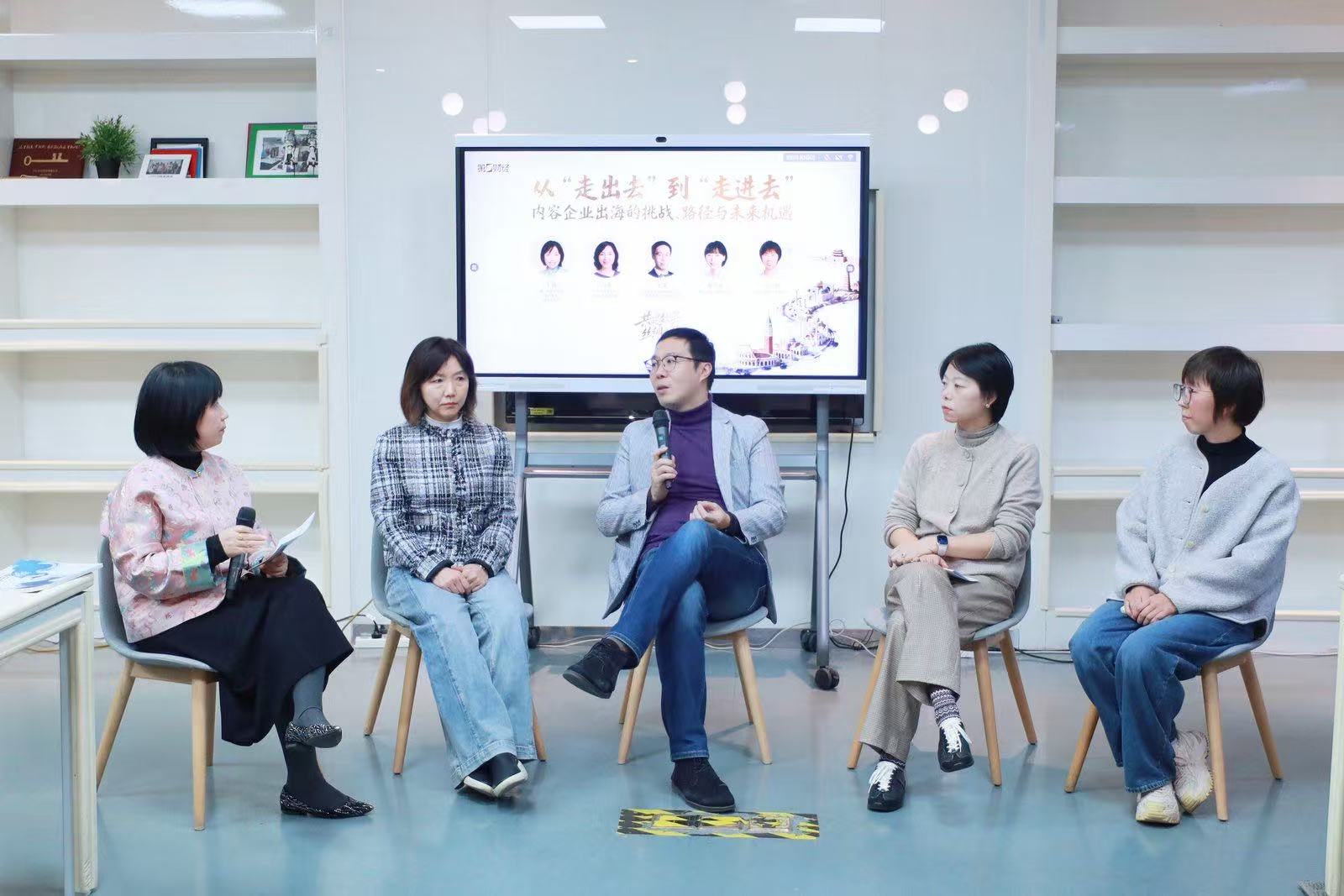
数字丝绸之路上中国文化“新三样”崛起:不是出海,是融入
Di Yi Cai Jing· 2025-12-16 03:21
Core Insights - The rise of Chinese digital culture, represented by online literature, web series, and online games, is transforming from simple content export to platform operation, creating an IP-centric industrial ecosystem [1] Group 1: Cultural Export Evolution - The transition in cultural export is recognized as a paradigm shift, moving from "product export" to "co-creation export" [5][7] - The 1.0 phase involved outputting finished content through language translation, while the 2.0 phase focused on localization and cultural adaptation [7] - The current 3.0 phase emphasizes value co-creation, where user experience and engagement are prioritized over cultural constraints [7] Group 2: Global Youth Engagement - Technological advancements have reduced language barriers, leading to increased cultural acceptance among global youth [8] - The essence of cultural products going abroad is not merely about exporting goods but also about presenting and disseminating unique cultural thought and behavior patterns [8] Group 3: Case Studies and Market Insights - The success of shows like "Produce Camp Asia" exemplifies cultural interaction, enhancing cross-cultural communication through audience engagement on social media [10] - Chinese internet companies have developed unique business models and user interaction strategies that are effective in overseas markets, showcasing a comprehensive commercialization approach from literature to various media [10] Group 4: Challenges and Opportunities - As China's economy grows, there is an increasing international interest in its cultural products, with foreign companies seeking rights to Chinese cultural content [12] - Chinese enterprises face challenges in understanding and adapting to local market cultures, legal systems, and geopolitical factors while promoting their cultural values [12] Group 5: Future Directions - A "platform-technology-co-creation" triangle is essential for future success, focusing on creating participatory digital spaces and utilizing AI and cloud technology for personalized experiences [13] - The ideal scenario is for overseas users to feel that a cultural product, while originating from China, provides them with a platform for self-expression and creativity, integrating into their lives [13]
繁荣互联网条件下新大众文艺(坚持“两创”·关注新时代文艺)
Ren Min Ri Bao· 2025-12-01 22:11
Core Insights - A new wave of popular literature and arts is emerging in contemporary China, driven by digitalization and the internet, allowing everyone to create, publish, and be seen [1][2][3] Group 1: Cultural Development - The ideal of popularization of literature and arts and the dream of a strong socialist cultural nation are becoming a reality in China [1][2] - The number of internet users in China is projected to reach 1.123 billion by June 2025, with an internet penetration rate of 79.7%, maintaining the top position globally [1] - Digital technology is bridging the urban-rural digital divide, facilitating the popularization of literature and arts [1] Group 2: New Literary Era - The new era of popular literature signifies a historic leap in cultural rights for the Chinese people, with over 1.4 billion individuals having access to channels for artistic expression [2] - Internet technology and new media are transforming literary forms, injecting vitality into contemporary culture [2][3] - The rise of micro-short dramas has created a market scale comparable to that of box office films within just five years, with a user base exceeding 662 million [3] Group 3: Cultural Innovation - The rapid evolution of internet literature has led to the emergence of over 200 genres and numerous sub-genres within 20 years, showcasing an unprecedented pace of cultural evolution [5] - The new popular literature is becoming a vital force in mainstream culture, blending popular and refined cultural elements to create a dynamic cultural ecosystem [3][4] - The "new popular literature" movement is broadening the base of artistic creation, allowing for diverse talents to emerge and thrive [4]
六大“政策包”辐射带动 广东文化产业多点突破
Sou Hu Cai Jing· 2025-11-27 01:20
Core Insights - The Guangdong cultural industry has shown strong development momentum, leading the nation for over 20 years and achieving high-quality growth through new productive forces in the last five years [1][11]. Group 1: Industry Performance - In 2024, Guangdong's cultural industry revenue is projected to reach 30,252.10 billion yuan, marking a 9.9% increase from the previous year, outpacing the national growth rate by 2.8 percentage points [2][12]. - Guangdong's cultural industry has maintained its position as the national leader for 22 consecutive years, accounting for approximately one-sixth of the national total [2][13]. - In the first three quarters of 2025, revenue from large-scale cultural enterprises in Guangdong exceeded 20,000 billion yuan, with profits surpassing 2,000 billion yuan [2][13]. Group 2: Investment Advantages - The cultural industry in Guangdong boasts nine significant advantages, including a large industrial scale, leading cultural manufacturing, and a concentration of cultural services [2][13]. - Cultural manufacturing achieved a revenue of 12,639.86 billion yuan in 2024, growing by 11.4% and representing 25.5% of the national cultural manufacturing revenue [2][13]. Group 3: Technological Integration - The integration of technology into the cultural industry has led to innovative applications, such as the use of humanoid robots and AR technology during events [4][14]. - Over the past five years, investment in cultural technology integration has doubled, with AIGC technology driving a 200% increase in digital exhibitions [5][15]. Group 4: Cross-Industry Collaboration - The cultural industry and manufacturing sectors in Guangdong have become deeply intertwined, with cultural elements increasingly integrated into products, raising the proportion from 40% to 60% [6][16]. - The opening of new cultural tourism areas has significantly boosted local economies, exemplified by the Kaiping Diaolou and Overseas Chinese Cultural Tourism Area, which is expected to generate over 6 billion yuan in 2024 [6][16]. Group 5: Policy Impact - Guangdong has introduced six major policy packages aimed at supporting the cultural industry, including 87 policy measures across six sectors [7][17]. - In the first three quarters of 2025, Guangzhou's cultural industry revenue reached 4,776.3 billion yuan, while Shenzhen's reached 10,917.64 billion yuan, reflecting significant growth driven by these policies [7][17][18].
(粤港澳大湾区)报告称大湾区加速成为中国文化走向世界的创新高地
Zhong Guo Xin Wen Wang· 2025-11-26 23:25
Core Insights - The Greater Bay Area (GBA) is rapidly becoming an innovative hub for Chinese culture to reach the world, with significant contributions from online literature, gaming, and animation [1][2] - Guangdong's cultural products and services account for approximately 40% of China's total exports in this sector, covering over 160 countries and regions [1] - The GBA cultural industry is projected to exceed 3 trillion RMB in revenue by 2024, with revenues from large-scale cultural enterprises surpassing 2 trillion RMB and profits exceeding 200 billion RMB in the first three quarters of 2025 [1] Investment Trends - From 2020 to October 2025, the GBA cultural industry has seen 720 financing events, with an estimated total financing amount of approximately 56.41 billion RMB [2] - The majority of financing events (370) are in "cultural intelligence manufacturing," followed by sectors like offline derivatives, AIGC, VR/AR, and gaming, indicating a preference for culturally innovative enterprises with hard technology attributes [2] - The GBA's strong foundation in digital technology and artificial intelligence is expected to drive the global upgrade of cultural products [2] Event Highlights - The 2025 GBA Cultural Industry Investment Conference featured over 300 cultural industry projects and more than 100 financial investment institutions, including 8 investment roadshow events with 60 participating projects [2] - In the past two conferences, 27 roadshow projects have secured financing exceeding 9.5 billion RMB [2]
学习笔记|激发文化创新活力,加快发展文化产业
2 1 Shi Ji Jing Ji Bao Dao· 2025-10-31 08:27
Group 1 - The 20th Central Committee of the Communist Party of China has approved the "Suggestions for the 15th Five-Year Plan," emphasizing the importance of cultural prosperity and the development of the cultural industry [2][4] - The cultural industry in China has shown robust growth, with enterprises in the sector achieving a revenue of 1,095.89 billion yuan, reflecting a year-on-year increase of 7.9% in the first three quarters of 2025 [4] - The integration of culture with tourism, technology, and commerce is creating new business models and opportunities within the cultural industry, indicating significant growth potential during the 15th Five-Year Plan period [4][5] Group 2 - The plan includes initiatives to enhance the protection and transmission of traditional Chinese culture, as well as the establishment of a national cultural park system [3] - The development of a high-level cultural talent pool is prioritized, aiming to foster innovation and quality in cultural production across various fields such as literature, film, and arts [2][3] - The "Guangdong-Hong Kong-Macao Greater Bay Area Cultural Week" is an example of regional cultural exchange, promoting cultural interaction and enhancing the global influence of Chinese culture [4][5]