
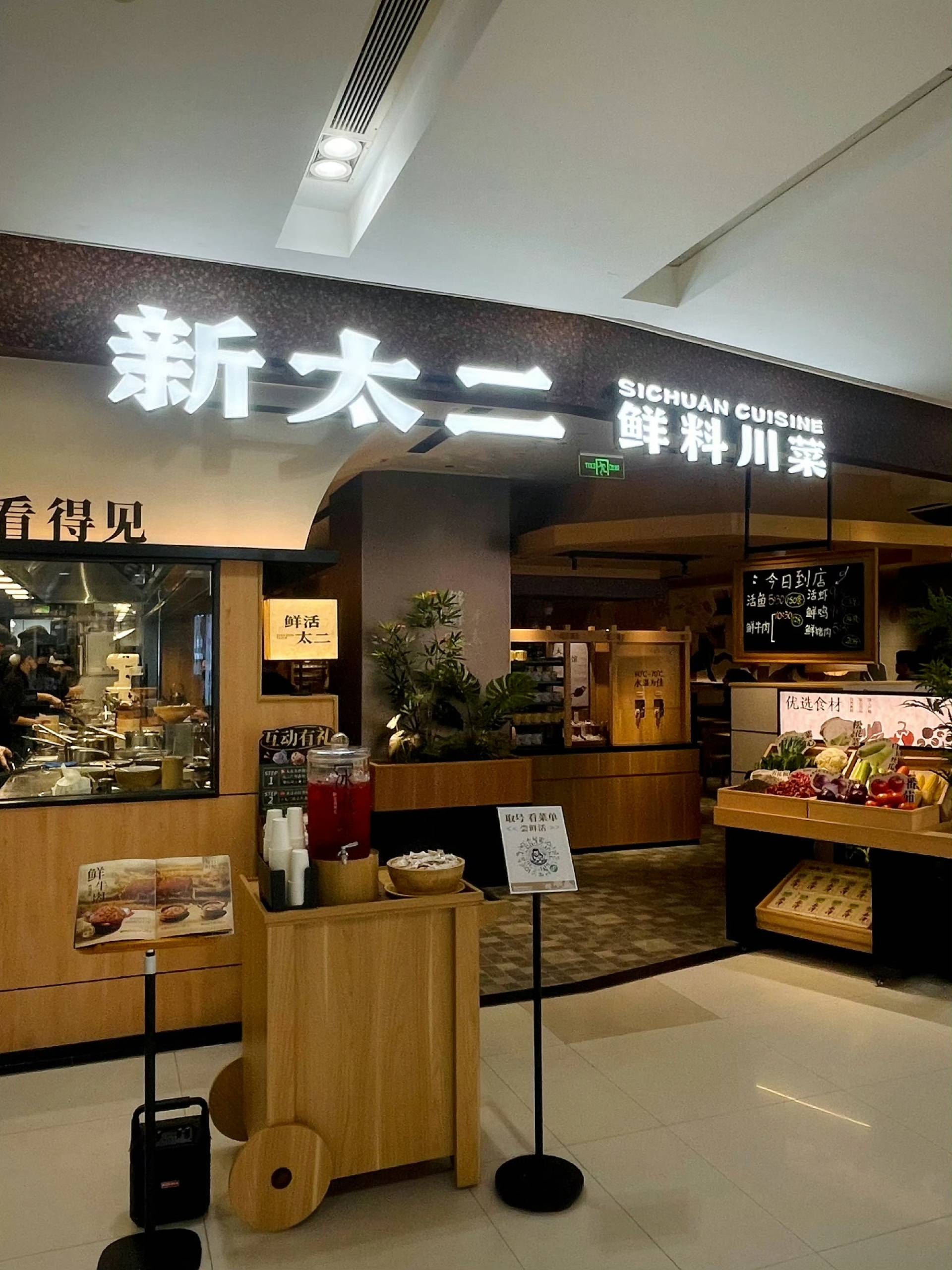
新太二·鲜料川菜

Search documents
太二、渝是乎集体“弃牌”:酸菜鱼为何被踢出C位
Xin Lang Cai Jing· 2026-02-03 17:46
Core Insights - The sauerkraut fish market is undergoing a significant transformation, with leading brands like Tai Er and Yu Shi Hu moving away from the core "sauerkraut fish" branding to diversify their offerings [1][3] - The shift reflects a transition from a blue ocean market to a red ocean of competition, driven by issues such as high product homogeneity, the impact of prepared foods on dine-in consumption, and the limitations of single-product growth models [1][6] Market Expansion - Tai Er has rebranded several locations to "New Tai Er · Fresh Ingredients Sichuan Cuisine," emphasizing fresh ingredients and expanding its menu to include a variety of Sichuan dishes [3] - Yu Shi Hu has also simplified its branding to "Yu Shi Hu · Sichuan Stir-Fry," removing "sauerkraut fish" from its signage and expanding its menu offerings significantly [3] - The brand "You Ni Zai Yi Qi" has introduced a "spicy hot pot" series, indicating a departure from the single-category label of sauerkraut fish [4] New Growth Strategies - The collective transformation of sauerkraut fish brands signifies a move away from the single-product model towards diversification and comprehensive dining experiences [5] - Brands are retaining sauerkraut fish while expanding their menus and dining formats to break category boundaries and attract a broader customer base [5][8] Industry Challenges - Tai Er's revenue declined by 13.3% year-on-year in the first half of 2025, highlighting the performance pressures faced by brands in the sauerkraut fish sector [6] - The total number of sauerkraut fish restaurants in China reached 23,523, with a net decrease of 3,806 locations over the past year, indicating market saturation [6] - The rise of prepared foods is squeezing the dine-in market for sauerkraut fish, while the costs associated with fresh ingredients are increasing operational challenges for restaurants [6][7] Consumer Trends - As consumer preferences shift from "novelty" to "daily dining," there is a growing demand for diverse dining experiences rather than single-dish offerings [7] - The saturation of the sauerkraut fish market has diminished the effectiveness of the single-product "traffic harvesting" strategy, prompting brands to seek new growth avenues [7] Risks of Transformation - The shift away from the core sauerkraut fish offering may dilute brand identity and consumer recognition, raising concerns about the perceived expertise of brands like Tai Er [9] - Diversification requires enhanced operational capabilities, including supply chain management and menu innovation, which may increase costs and pressure profit margins [9] - Successful transformation hinges on balancing new positioning with existing brand equity; failure to do so may lead to strategic pitfalls [9]


撕掉“太二”酸菜鱼标签,收购北美火锅品牌 增长见顶的九毛九展开“自救”
Sou Hu Cai Jing· 2026-01-05 12:46
Core Viewpoint - The recent actions taken by Jiumaojiu, including rebranding its flagship restaurant and acquiring a North American hot pot brand, are seen as a proactive response to operational pressures and declining performance [1][2]. Group 1: Company Actions - Jiumaojiu has rebranded its flagship restaurant, Tai Er, to "New Tai Er · Fresh Ingredients Sichuan Cuisine," marking its first name change in over a decade [1]. - The company announced the acquisition of a 49% stake in North American hot pot brand Big Way Hot Pot for a total of $28 million, following an initial 10% stake purchase in July 2025 [3]. - Big Way Hot Pot operates 21 restaurants in North America and has shown significant growth, with a projected pre-tax profit of approximately $1.39 million in 2024, a fourfold increase from the previous year [3]. Group 2: Market Challenges - Jiumaojiu's restaurant count decreased by 78 in the first half of 2025, with revenue and profit both declining by over 10% [1][7]. - The Tai Er brand has faced challenges, including controversies over pre-packaged food and a decline in customer turnover rates, dropping from 4.9 in 2018 to 2.2 in the first half of 2025 [7]. - The overall dining industry in China is experiencing increased competition and declining consumer spending, with major players like Haidilao and Xiaobawang also reporting revenue declines [7]. Group 3: Strategic Insights - The acquisition of Big Way Hot Pot represents a strategic shift, allowing Jiumaojiu to leverage an established brand in North America rather than relying solely on direct store openings [8]. - The rebranding of Tai Er to focus on fresh ingredients aligns with current consumer preferences against pre-packaged food, although it risks losing the brand's original identity [8]. - Analysts emphasize that the priority for Jiumaojiu is to reverse the downward trend in performance, suggesting that survival is more critical than maintaining a unique brand style at this time [2][8].
太二,抛弃酸菜鱼了?
3 6 Ke· 2025-12-30 04:11
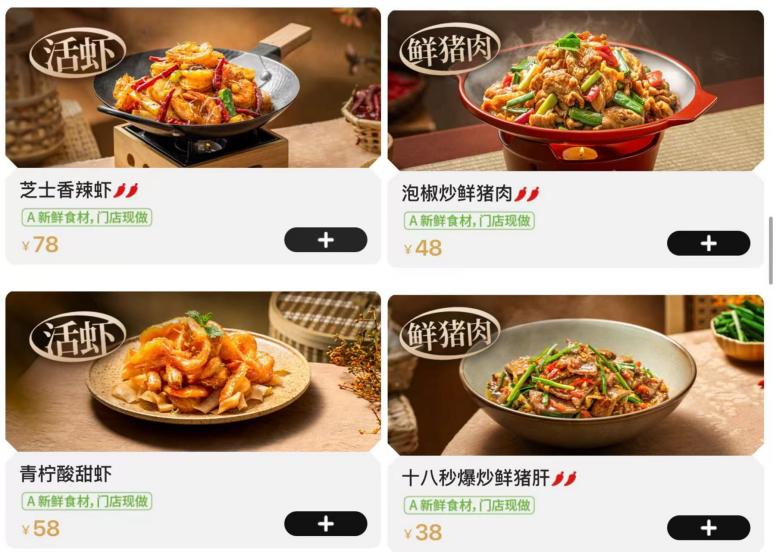
Group 1 - The core concept of the article revolves around the continuous brand transformation of Tai Er, which is shifting from its traditional focus on sauerkraut fish to a broader offering of Sichuan cuisine under the new branding "Xin Tai Er · Fresh Ingredients Sichuan Cuisine" [1][2][6] - The new Tai Er stores have introduced over 20 new dishes, emphasizing fresh ingredients such as live fish, shrimp, beef, chicken, and pork, while still retaining the sauerkraut fish on the menu, albeit with reduced portion sizes and prices [5][8] - The brand upgrade is part of a strategic shift to adapt to changing consumer preferences and market dynamics, with the goal of enhancing customer engagement and increasing overall sales [6][9] Group 2 - The company has faced declining revenues, with a reported 10.14% year-on-year decrease in revenue to 2.753 billion yuan and a 13.3% decline in income from Tai Er to 1.948 billion yuan in the first half of the year [8][9] - The Sichuan cuisine market is thriving, with over 150,000 Sichuan restaurants in China, representing 11.4% of the total Chinese dining market, prompting Tai Er to return to its roots in Sichuan cuisine [9][10] - The transition to a fresh ingredient model is expected to increase supply chain costs by 15%, posing a challenge for the company as it seeks to maintain competitive pricing while ensuring quality [14][19] Group 3 - The company is currently testing the new store format, with plans to expand to 200 renovated locations by the end of the year, indicating a significant commitment to this brand evolution [8][9] - Challenges include the need for skilled chefs to support the new cooking style, as the shift from a central kitchen model to fresh cooking requires extensive training and consistency across locations [19][20] - The brand's historical association with sauerkraut fish may complicate efforts to reshape consumer perceptions and establish a new identity in the Sichuan cuisine segment, which could take years to achieve [21][22]
太二“告别”酸菜鱼,开新餐厅主打鲜料川菜
Xin Lang Cai Jing· 2025-12-25 03:53
Core Viewpoint - The company "Tai Er" is undergoing a brand upgrade to "New Tai Er · Fresh Ingredient Sichuan Cuisine," focusing on fresh ingredients and expanding its menu offerings in response to market changes and performance pressures [1][2][3] Group 1: Brand Upgrade and New Offerings - The new branding emphasizes the use of fresh ingredients, with a slogan change from "Sour Cabbage is Better than Fish" to "Using Fresh Ingredients to Make Fresh Ingredient Sichuan Cuisine" [1] - The upgraded stores have introduced over 20 new dishes, including fresh beef and chicken options, expanding the total menu to over 40 items [1][2] - The new store design features a wooden color scheme and an open kitchen concept, allowing customers to see the cooking process [2] Group 2: Market Response and Consumer Feedback - Initial consumer feedback on social media indicates that many new dishes are well-received, although some long-time customers miss previous menu items [2] - The average consumer spending in the new stores remains consistent with previous locations, with per capita consumption around 70-80 yuan and couple meal packages priced between 155-165 yuan [2] Group 3: Financial Performance and Challenges - The parent company, Jiu Mao Jiu, reported a revenue decline of 10.14% year-on-year, with Tai Er's revenue specifically dropping by 13.3% to 19.48 billion yuan [3] - The number of self-operated Tai Er restaurants decreased from 612 to 547, contributing to the decline in same-store sales [3]