明厨亮灶2.0

Search documents
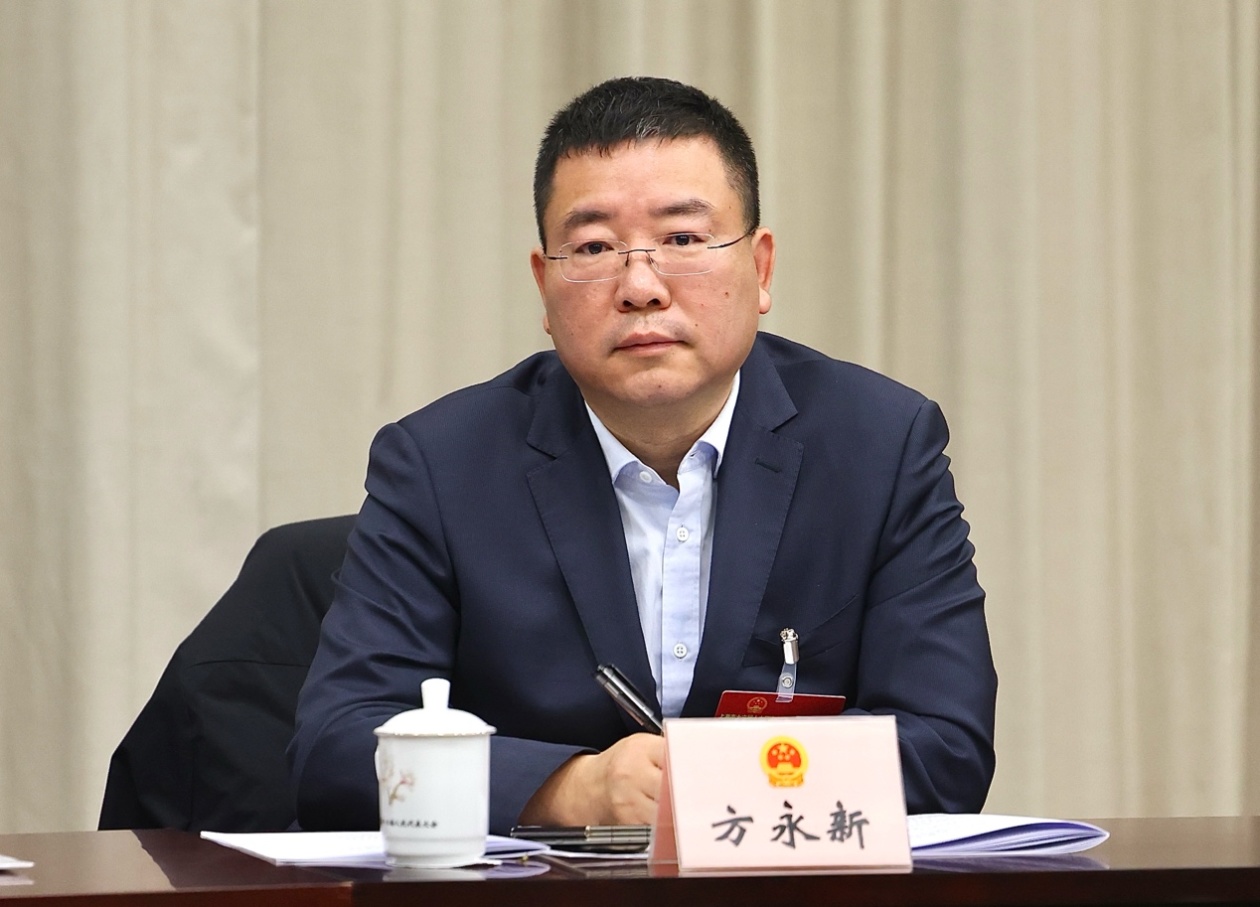
方永新代表建议升级“AI+明厨亮灶”:让透明化从监管约束迈向增长引擎
Huan Qiu Wang· 2026-02-03 12:54
Core Viewpoint - The proposal aims to enhance food safety in Shanghai through the implementation of an "AI + Bright Kitchen" system, promoting transparency in food delivery and creating a win-win situation for food safety governance and business environment optimization [1] Group 1: AI + Bright Kitchen Initiative - The initiative suggests building a unified "AI + Bright Kitchen" intelligent system and advancing the "Transparent Takeaway" project, which involves integrating mainstream takeaway platforms to ensure compliance and consumer trust [2] - The "Bright Kitchen 2.0" program has shown significant improvements in food safety management, with over 90% of merchants resolving issues identified during AI inspections within three months [2] - The program has transformed from a compliance tool to a revenue-generating asset, as visible hygiene and production processes have become key factors for consumer purchasing decisions [2] Group 2: Case Study and Impact - The example of "Wang Chun Chun Chicken Soup Rice" illustrates how real-time kitchen streaming can enhance consumer trust, resulting in a 28% increase in takeaway orders, a 19% rise in repeat purchases, and a 23% improvement in customer ratings [3] - The initiative addresses the dual transition in consumer behavior and perception within the restaurant industry, turning transparency into a new brand asset amidst concerns over pre-made dishes [3] Group 3: Support for Small and Micro Enterprises - The proposal includes a financial incentive model where the government, platforms, and merchants share costs, with a focus on supporting small and micro businesses [4] - It suggests increasing subsidies for small merchants and incorporating "Bright Kitchen" compliance into credit evaluations, providing rewards and operational conveniences for exemplary businesses [4] Group 4: Broader Industry Implications - The "Bright Kitchen" initiative is part of a broader entrepreneurial support plan that includes providing resources to underrepresented groups, such as students and disabled entrepreneurs, to foster transparency in the industry [6] - The industry landscape is shifting towards high transparency and standards, with businesses adhering to these principles likely to thrive while those relying on ambiguous practices face elimination [6]

明厨亮灶2.0:从监管要求走向经营利器的餐饮行业新范式
Zhong Guo Jing Ji Wang· 2025-11-18 05:34
Core Viewpoint - The "Bright Kitchen, Bright Stove" initiative is evolving from a food safety measure into a crucial digital governance tool for the restaurant industry, significantly reshaping operational logic, brand structure, and competitive dynamics in the sector [1][4]. Group 1: Regulatory and Technological Developments - The Chinese government is enhancing food safety regulations through laws like the Food Safety Law and the implementation of "Internet + Supervision" and "Smart Food Safety" initiatives, aiming for a modern regulatory system that is traceable and quantifiable [1]. - The introduction of "Bright Kitchen, Bright Stove 2.0" is a response to the growing demand for transparency in food processing, moving beyond mere regulatory compliance to become a new brand asset [1][4]. - AI technology is transforming the traditional monitoring of food safety, allowing for automated inspections that significantly reduce management costs and improve confidence in food safety systems [2][4]. Group 2: Consumer Behavior and Market Dynamics - There is a notable shift in consumer preferences towards transparency in food preparation, with visible hygiene and cooking processes becoming key factors influencing purchasing decisions [1][3]. - The integration of "Bright Kitchen, Bright Stove" has led to increased consumer trust and higher sales for businesses that showcase their cooking processes, as evidenced by a 28% increase in orders and a 19% rise in repeat purchases for brands utilizing this transparency [3]. - The collaboration between platforms like Taobao Flash Purchase and various tech companies aims to provide restaurants with the necessary tools and support to adopt this transparency model, linking it directly to traffic, reputation, and exposure [3][4]. Group 3: Industry Governance and Future Implications - The shift from traditional regulatory methods to a collaborative governance model, where consumers participate in oversight, is enhancing food safety management and reducing public relations risks for businesses [4]. - The competitive landscape in the restaurant industry is changing, with transparency becoming a critical differentiator; businesses that maintain high hygiene standards and are open to public scrutiny are likely to thrive [4][5]. - The "Bright Kitchen, Bright Stove 2.0" initiative is positioned as a key driver for the restaurant industry's quality upgrade, aligning with national goals for consumer confidence, food safety, and digital governance [5].
从食安管理到口碑助力,餐饮品牌借淘宝闪购“明厨亮灶2.0”展示后厨现制餐品全程
Zhong Guo Jing Ji Wang· 2025-11-12 12:17
Core Insights - The "Internet + Bright Kitchen" initiative is accelerating, with nearly 400,000 stores connecting to the platform's system, leading to increased consumer engagement through "kitchen live streaming" [1] - The launch of "Bright Kitchen 2.0" by Taobao Flash Purchase and Ele.me, in collaboration with China Telecom, aims to enhance kitchen management through AI inspections and support for entrepreneurs [1][2] - The initiative has shown significant improvements in food safety management, with 90% of merchants resolving issues identified during inspections within three months [1] Group 1 - "Bright Kitchen 2.0" integrates AI and cross-platform collaboration, moving from mere visibility to a comprehensive governance model that includes real-time alerts and merchant rectification [2][3] - The program offers free AI inspection services to merchants, significantly reducing manual oversight costs and improving the efficiency of addressing potential hazards [3] - Positive reinforcement mechanisms are in place, where compliant merchants receive traffic support, enhancing visibility and order growth [3][4] Group 2 - The collaboration between Taobao Flash Purchase, Ele.me, and China Telecom is structured around a governance logic that emphasizes self-regulation, technological empowerment, platform collaboration, and government oversight [2] - The "Bright Kitchen Entrepreneur Support Program" aims to assist various entrepreneurs, providing essential tools and resources to promote transparency and support employment [4] - The shift from passive compliance to proactive governance in food safety is highlighted as a significant advancement in the industry, with potential for broader adoption among more restaurant brands [5]

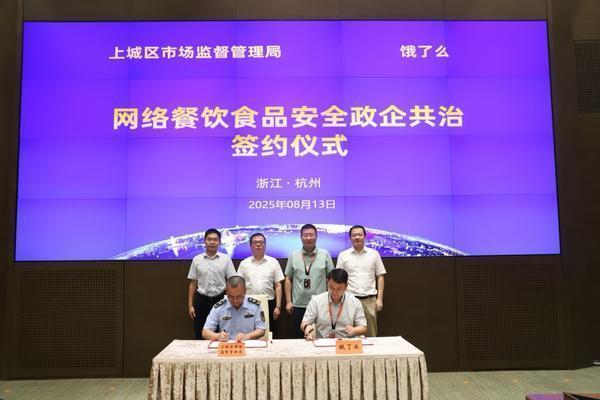
杭州上城区市监局、饿了么、钉钉开展数字化合作,探索食品安全社会共治新模式
Huan Qiu Wang Zi Xun· 2025-08-15 08:06
Core Viewpoint - The collaboration between Hangzhou's market supervision bureau, Ele.me, and DingTalk aims to enhance food safety in online dining through digital technology and AI, establishing a new model for "smart supervision and collaborative governance" [1][3]. Group 1: Collaboration Details - The partnership leverages the "Mingchu Liangzao 2.0" and "Food Safety Ding" to integrate digital technology deeply into food safety regulation practices [1][3]. - The collaboration is expected to create a replicable path for social governance, enhancing visibility and management of food safety through digitalization and AI [3]. Group 2: Statements from Key Representatives - Zhang Hongge, Deputy Director of Hangzhou's Market Supervision Bureau, emphasized the importance of digitalization and AI in making food safety regulation more manageable and effective [3]. - Fang Yongxin, President of Ele.me, highlighted that food safety should not only be about regulation but also about empowering merchants with management tools, noting that many users check kitchen live streams on the Ele.me app before ordering [3][4]. - Yang Meng, Commercial President of DingTalk, mentioned that DingTalk's capabilities can facilitate intelligent inspections and compliance checks, shifting food safety management from reactive to proactive [3]. Group 3: Product Features and Benefits - The "Food Safety Ding" product offers a one-stop digital solution for restaurant management, including food safety governance and operational management for merchants, while providing regulatory staff with tools for data analysis and reporting [4][5]. - The "Mingchu Liangzao 2.0" features AI inspections that promptly notify merchants of identified risks, helping to close the governance loop and enhance operational support for good merchants [5]. - The collaboration aims to improve food safety governance efficiency and daily operational effectiveness for regulatory authorities, ultimately enhancing the safety and health of the dining experience for consumers [5].