
江西菜

Search documents
下一个湘菜?不,江西菜正进化成“超级物种”
3 6 Ke· 2025-12-31 03:23
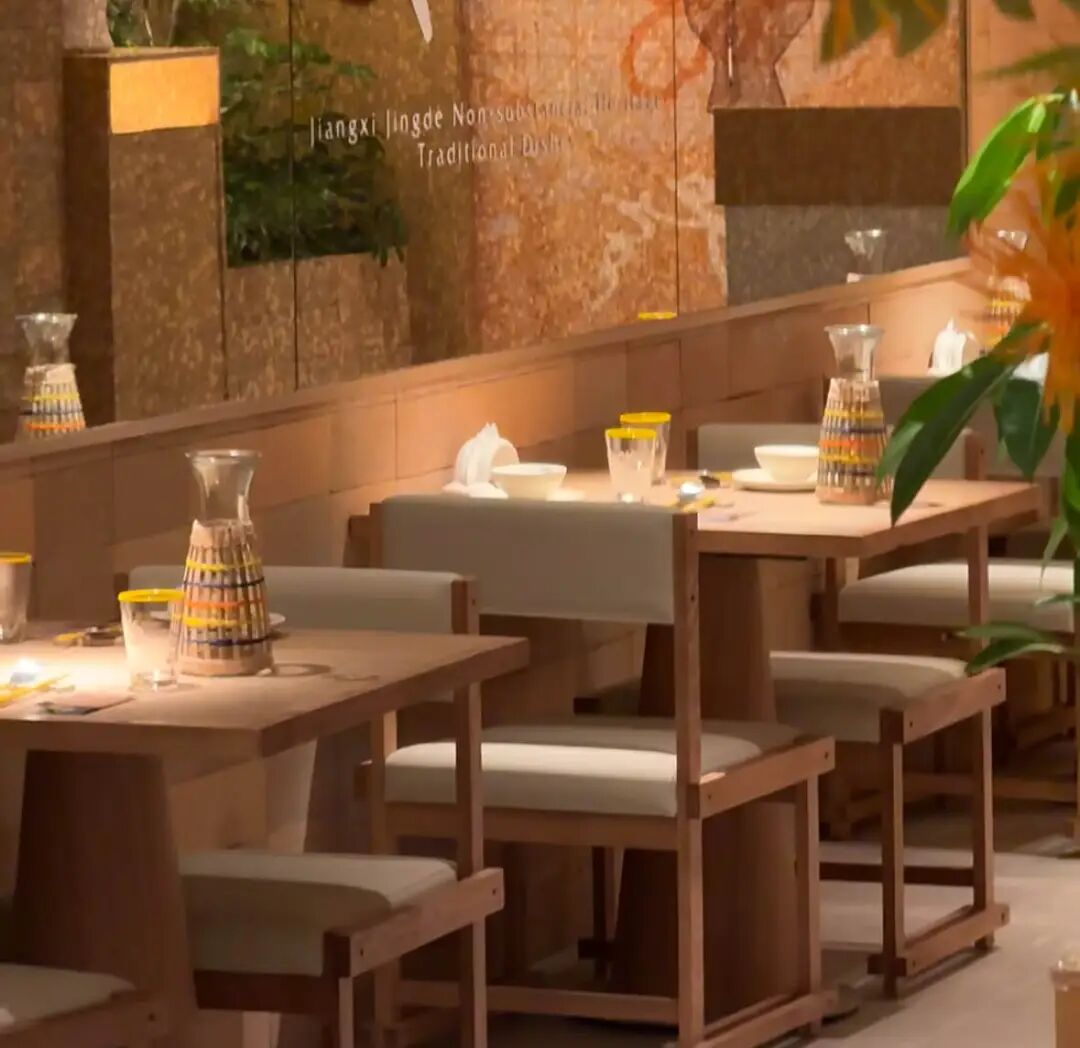
Core Viewpoint - Jiangxi cuisine is evolving into a "super species," blending traditional elements with modern dining trends, appealing to younger consumers and creating a unique market presence [1][11]. Group 1: Evolution of Jiangxi Cuisine - Jiangxi cuisine is transitioning from street-side small eateries to upscale dining experiences, with restaurants like Hu Cha attracting long queues in urban centers [1][8]. - The integration of local culture, such as Jingdezhen ceramics, with contemporary aesthetics enhances the dining experience, making it visually appealing for social media sharing [1][3]. - The emergence of "mountain wild" Jiangxi cuisine, which emphasizes natural ingredients like wild vegetables and mushrooms, represents a new niche within the market [5][9]. Group 2: Market Trends and Consumer Preferences - The popularity of spicy flavors in Jiangxi cuisine is becoming a significant talking point among consumers, with many restaurants capitalizing on this trend [5][11]. - The number of Jiangxi small fry restaurants has surged, with over 27,000 establishments projected by August 2025, indicating a robust growth trajectory in the sector [11]. - The evolution of Jiangxi cuisine is marked by a diversification of branding strategies, with new concepts like "mountain wild" and "beautiful rice" emerging alongside traditional offerings [9][11]. Group 3: Challenges and Comparisons - Despite the growth, Jiangxi cuisine faces challenges in establishing a strong brand identity compared to other regional cuisines like Hunan, which has successfully leveraged signature dishes to build recognition [13][15]. - The lack of a standout dish in Jiangxi cuisine hampers its ability to create a strong consumer connection, unlike Hunan cuisine, which has popularized specific items that resonate with diners [13][15]. - The future of Jiangxi cuisine's market presence hinges on its ability to solidify consumer recognition and develop a compelling brand narrative [15].

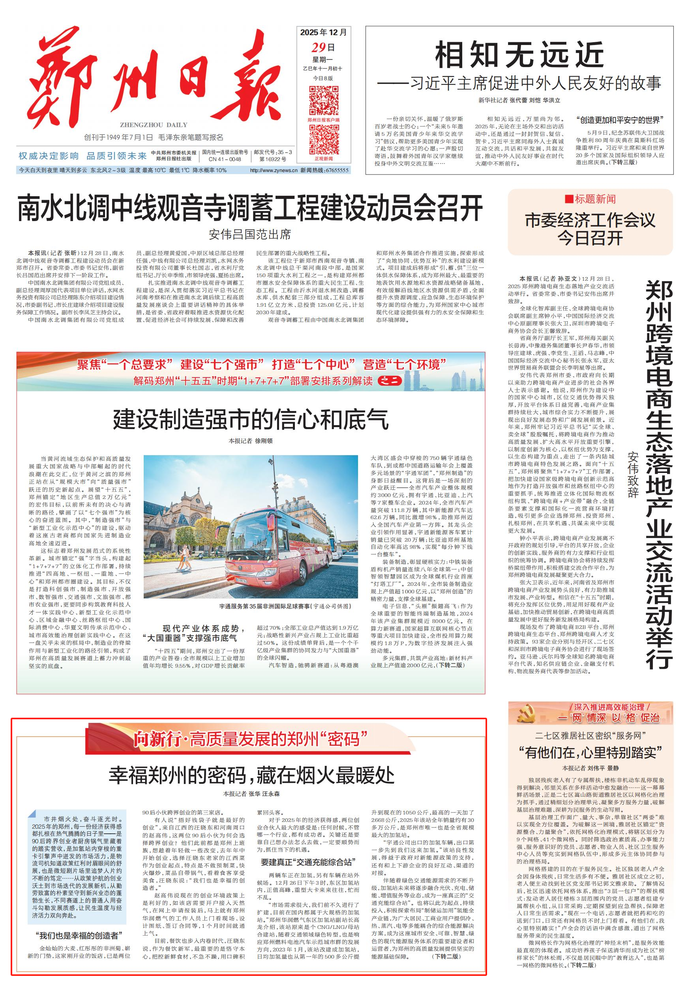
幸福郑州的密码,藏在烟火最暖处
Zheng Zhou Ri Bao· 2025-12-29 00:53
Group 1: Economic Development in Zhengzhou - Zhengzhou is experiencing a vibrant economic environment driven by various sectors, including entrepreneurship, logistics, and the service industry, contributing to a sense of economic well-being among its residents [1][2][5]. - The city is fostering a supportive policy environment for startups, as evidenced by the rapid establishment of new businesses, such as a restaurant by two young entrepreneurs who emphasize fresh ingredients and customer satisfaction [2][3]. - The logistics sector is benefiting from government policies that provide financial incentives, such as toll exemptions for hydrogen fuel trucks, which significantly enhance profitability for drivers [6][5]. Group 2: Hydrogen Fuel and Green Energy Initiatives - Zhengzhou's hydrogen refueling station has seen a substantial increase in daily refueling capacity, from over 500 kg to 1,050 kg, with projections of reaching 30 million kg annually by 2025, positioning it as the largest in the province [3][4]. - The integration of hydrogen stations with renewable energy sources like solar power and energy storage is being explored, aiming to create comprehensive energy solutions for both residential and commercial users [4][3]. Group 3: Service Industry Growth - The beauty service sector is thriving, with a local entrepreneur expanding from a small studio to four brand stores, highlighting the demand for beauty services tied to emotional value for customers [7][8]. - The micro-drama industry in Zhengzhou is rapidly growing, providing numerous opportunities for actors and crew, reflecting the city's dynamic cultural landscape and employment potential [9][8].
中产大撤退
商业洞察· 2025-12-08 10:52
Core Viewpoint - The rise of Jiangxi cuisine in major cities reflects a significant shift in consumer preferences, driven by economic pressures and a desire for authenticity and value in dining experiences [8][11][56]. Group 1: Changes in Dining Preferences - Traditional high-end restaurants are experiencing a decline, with many closing down, as consumers seek more affordable and genuine dining options [15][44]. - Jiangxi cuisine has seen a 42% increase in orders, becoming the most popular choice among consumers, indicating a shift towards regional and less pretentious food [9][10]. - The appeal of Jiangxi cuisine lies in its fresh preparation methods and affordability, with average meal costs ranging from 40 to 70 yuan, making it accessible for the working class [25][56]. Group 2: Societal and Economic Context - The article discusses the emergence of a "dumbbell-shaped" society in China, characterized by a small elite and a large lower class, contrasting with the previously envisioned "spindle-shaped" society [35][36]. - Many individuals who once identified as middle class are now facing economic challenges, leading to a retreat from luxury dining to more budget-friendly options [43][46]. - The economic downturn has resulted in a significant decline in consumer confidence, with many individuals prioritizing basic needs over luxury experiences [40][41]. Group 3: Psychological and Emotional Factors - Jiangxi cuisine serves as an emotional outlet for consumers, providing a sense of comfort and a way to cope with the stresses of modern life [26][30]. - The intense flavors of Jiangxi dishes are seen as a form of catharsis, allowing individuals to momentarily escape their daily pressures [28][30]. - The shift towards practical and satisfying meals reflects a broader change in consumer mindset, moving away from status-driven consumption to a focus on genuine enjoyment and utility [50][56].

江西菜爆火,预示哑铃型社会的到来
虎嗅APP· 2025-12-01 13:21
Core Viewpoint - The rise of Jiangxi cuisine reflects a broader societal trend towards affordable, spicy, and high-quality local dishes, driven by changing consumer preferences and economic conditions [7][21][28]. Group 1: Jiangxi Cuisine Popularity - Jiangxi cuisine has gained significant attention recently, with a notable increase in online searches and restaurant visits, particularly in major cities like Beijing and Shanghai [10][11]. - The popularity of Jiangxi dishes, such as Nanchang mixed noodles, has surged, with a reported 42% year-on-year increase in orders, making it the fastest-growing regional cuisine in China [10][21]. - The emergence of restaurants like "Ou Ji Dapaidang" in Beijing, which emphasizes fresh cooking and local flavors, indicates a shift in consumer interest towards Jiangxi cuisine [9][11]. Group 2: Economic Context - The restaurant industry is facing its most severe crisis in decades, with nearly 3 million closures projected in 2024, particularly affecting high-end cuisines that rely on business dining [15][16]. - The economic downturn and changing consumer behavior have led to a preference for affordable, hearty meals over expensive dining experiences, with Jiangxi cuisine fitting this demand perfectly [19][28]. - The average consumer spending in the restaurant sector has dropped significantly, with a reported 7.7% decrease year-on-year, reflecting a shift towards value-oriented dining [19][28]. Group 3: Societal Changes - The rise of Jiangxi cuisine is indicative of a broader societal shift towards practicality and value, as consumers prioritize cost-effective and satisfying meals amidst economic pressures [28][31]. - The changing landscape of consumer preferences highlights a move away from brand loyalty and towards seeking high-quality, affordable options, as seen in the popularity of Jiangxi dishes [27][35]. - The emergence of a "dumbbell-shaped" society, characterized by a small wealthy elite and a large base of low-income consumers, is influencing dining choices, with a focus on extreme value at the lower end of the market [32][35].
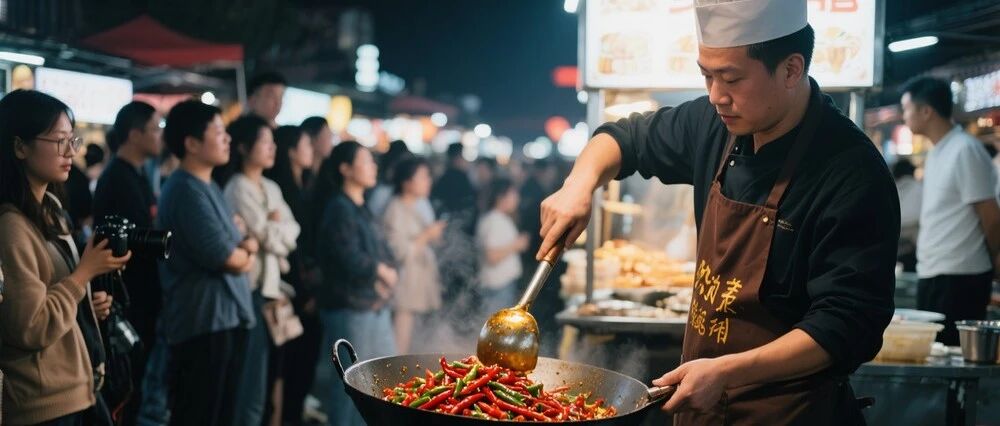
数据显示川菜餐厅数量位居上海地方菜系第一位
Zhong Guo Xin Wen Wang· 2025-08-17 01:45
Core Insights - The "Shanghai Summer" International Consumption Season and Global Food Festival has opened, showcasing local spicy cuisine and aiming to boost Shanghai's nighttime economy and dining market growth [1][2] - Meituan reported that the number of Sichuan cuisine restaurants in Shanghai exceeds 7,500, making it the leading local cuisine in the city [1] Group 1: Event Overview - The event is guided by the Shanghai Municipal Commission of Commerce and the Jing'an District People's Government, and is hosted by Dazhong Dianping and Wanglaoji, lasting for three days [1] - The festival features various spicy local cuisines, including Jiangxi, Hunan, and Sichuan, as well as Shanghai's local dishes, Shandong cuisine, Anhui cuisine, and Taiwanese cuisine [1] Group 2: Market Trends - From January to July this year, the top five spicy cuisine categories in Shanghai by consumption growth are Jiangxi, Hubei, Yunnan, Guizhou, and Shaanxi [1] - Jiangxi cuisine has seen a 115% year-on-year increase in consumption, making it the fastest-growing local cuisine in Shanghai [1] - Jiangxi cuisine is known for its "fresh, spicy, fragrant, and mellow" flavors, and local restaurants are increasingly popular among consumers in Shanghai [1] Group 3: Featured Dishes - The festival showcases local specialties such as Nanchang's "Woguanli" meat sauce mixed rice noodles, "Wanyan" Mengcheng baked cakes, "Lucai" spicy seafood, and "Guanguanji Halal Restaurant" hand-grabbed lamb [1]