沙丁鱼

Search documents
巴基斯坦海鲜出口快速增长 中国是最大市场
Zhong Guo Jing Ji Wang· 2026-01-22 09:27
Group 1 - The core viewpoint of the article highlights the robust performance of Pakistan's marine fisheries sector, with seafood export volume reaching approximately 123,000 tons and export value exceeding $250 million, reflecting a year-on-year increase of 19.1% and 21.6% respectively for the first half of the fiscal year 2025-2026 [1][2] - The fisheries sector is a crucial pillar of Pakistan's marine economy, providing livelihoods for hundreds of thousands in coastal regions, particularly benefiting Sindh and Balochistan provinces [1] - The industry has gradually recovered by expanding processing capacity, improving cold chain logistics, and implementing strict international certification standards [1] Group 2 - The export product mix is diverse, with frozen fish as the core export category, accounting for approximately 27,000 tons and over $53 million in export value; shrimp products follow as the second-largest category with an export value exceeding $40 million [1] - Other contributing products to export value growth include shrimp meal, crab, sardines, mackerel, flounder, and fish meal, indicating a trend towards diversification in the seafood value-added processing sector [1] - China remains the largest seafood export market for Pakistan, with imports exceeding 83,000 tons and an import value of around $150 million, representing nearly 59% of Pakistan's total seafood export value during the period [2]
毛里塔尼亚为欧盟渔业协议援助主要受益国
Shang Wu Bu Wang Zhan· 2026-01-09 02:00
Core Insights - The article highlights that Mauritania and Morocco have been the primary beneficiaries of EU fisheries agreements since the late 1970s, receiving significant financial aid [1] Group 1: Financial Aid Overview - Since 1979, the total amount of EU fisheries-related funding has reached €4.8 billion, with Mauritania and Morocco collectively receiving €3.5 billion, accounting for 73.3% of the total aid [1] - Specifically, Mauritania has received 40.9% of the aid, while Morocco has received 32.4% [1] Group 2: Focus on Fish Species - A significant 83.4% of the aid is associated with the catch of small pelagic fish species such as sardines, mackerel, squid, and anchovies, which are crucial for ecological balance [1] - These small fish, referred to as "forage fish," are located at the bottom of the marine food chain, emphasizing the importance of Mauritania and Morocco's rich resources in these species [1]
神“鲜”侠侣直播卖海鲜,点亮海上新渔火丨海上新农人③
Nan Fang Nong Cun Bao· 2025-11-27 01:00
Core Viewpoint - The article highlights the transformation of the traditional fishing industry at Maoming's Boghe Fishing Port through the integration of live streaming and e-commerce, showcasing how young entrepreneurs are revitalizing the local economy and connecting consumers with fresh seafood from their hometowns [16][85]. Group 1: Live Streaming and E-commerce - The live streaming format, known as "walking broadcast," allows hosts to showcase the vibrant atmosphere of the fishing port and engage with consumers in real-time, creating a sense of presence and excitement [27][29]. - Zhu Xiangling, a 90s generation seafood purchasing host, has gained over 20,000 followers and ships approximately 100 to 200 pounds of fresh seafood daily to customers across the country [10][15]. - The "walking broadcast" model requires minimal setup, allowing hosts to operate with just a smartphone, making it accessible for many aspiring entrepreneurs [36][41]. Group 2: Community and Cultural Connection - The live streaming sessions attract not only seafood enthusiasts but also individuals longing for the taste of their hometown, creating a bridge between the local culture and consumers far away [66][67]. - Zhu Xiangling's journey from being unfamiliar with the seafood industry to becoming a knowledgeable "seafood expert" reflects the dedication and effort required to succeed in this new business model [47][51]. - The article emphasizes the emotional connection that consumers have with the seafood, as many are former residents who seek the flavors of their hometown [68][70]. Group 3: Entrepreneurial Spirit and Family Involvement - Zhu Xiangling's decision to return to her hometown and start a business was influenced by her desire to be present for her children, showcasing the personal motivations behind entrepreneurial ventures [73][80]. - The collaboration between Zhu Xiangling, her husband, and her brother illustrates the importance of family support in navigating the challenges of entrepreneurship [34][80]. - The article notes that the local fishing port has evolved significantly, with young people seizing opportunities in the digital age to promote their products and heritage [82][85].


广交会见证“土特产”全球闯关
2 1 Shi Ji Jing Ji Bao Dao· 2025-11-04 12:40
Core Insights - The 138th China Import and Export Fair (Canton Fair) showcased over 230 enterprises in the rural revitalization product exhibition area, highlighting the popularity of specialty food products such as canned goods, seasonings, and candies [1] - Guangdong agricultural products are gaining international trust due to continuous upgrades in industrial technology, ensuring quality and compliance with international standards [2][3] - The trend towards brand recognition is becoming crucial for Guangdong agricultural enterprises to enhance value-added products in a competitive international market [2][6] Group 1: Product Development and Standards - Guangdong enterprises are adopting industrial management practices for "non-standard" agricultural products, creating detailed internal specifications to ensure quality and consistency [3] - The implementation of standardized practices has significantly reduced transportation losses for products like winter melons from an industry average of 15% to below 5% [3] - The successful application of these standards has led to the development of a range of products, including baby pumpkins and sweet potatoes, enhancing the overall quality of Guangdong's agricultural output [3] Group 2: International Market Engagement - Companies like Guangdong Yingjinqian Haibao Food Co. have successfully entered the European market by aligning their products with international standards, obtaining various certifications such as FDA and EU certifications [2] - The acceptance of canned foods is increasing among overseas consumers, allowing products to transition from niche markets to mainstream retail [2] - The scale and standardization of the tilapia industry in Maoming have impressed international buyers, leading to expectations for long-term supply chain partnerships [6] Group 3: Brand Development and Market Strategy - Many enterprises are shifting focus from OEM (Original Equipment Manufacturer) to establishing their own brands to enhance market recognition and profitability [6] - The Guangdong provincial government has initiated a marketing system to promote local agricultural brands, with successful examples including Xu Wen pineapple and Suixi dragon fruit [6][7] - The Ministry of Agriculture and Rural Affairs has recognized several Guangdong brands in its 2025 Agricultural Brand Cultivation Plan, indicating the province's commitment to brand development [7]
滩八鲜(多味斋)
Ren Min Ri Bao· 2025-06-15 22:11
Group 1 - The article highlights the local fishing and harvesting practices in coastal areas, emphasizing the variety of seafood available and the skills of local fishermen [1] - The seasonal availability of different seafood, such as jumping fish, sand worms, and various shellfish, is noted, showcasing the rich marine biodiversity [1] - The article describes the culinary experiences in local restaurants, featuring unique dishes made from freshly caught seafood, indicating a vibrant local food culture [2] Group 2 - The mention of specific seafood like octopus, blue crabs, and various fish species illustrates the economic importance of these resources to the local community [1] - The local knowledge and techniques used by fishermen, such as identifying fish locations and harvesting methods, reflect a deep connection to the marine environment [1] - The diversity of dishes available in local restaurants, referred to as "滩八鲜," suggests a competitive culinary scene that capitalizes on local seafood [2]
血栓最怕这5类食物,告诉家人要多吃!
Yang Shi Xin Wen· 2025-05-13 01:34
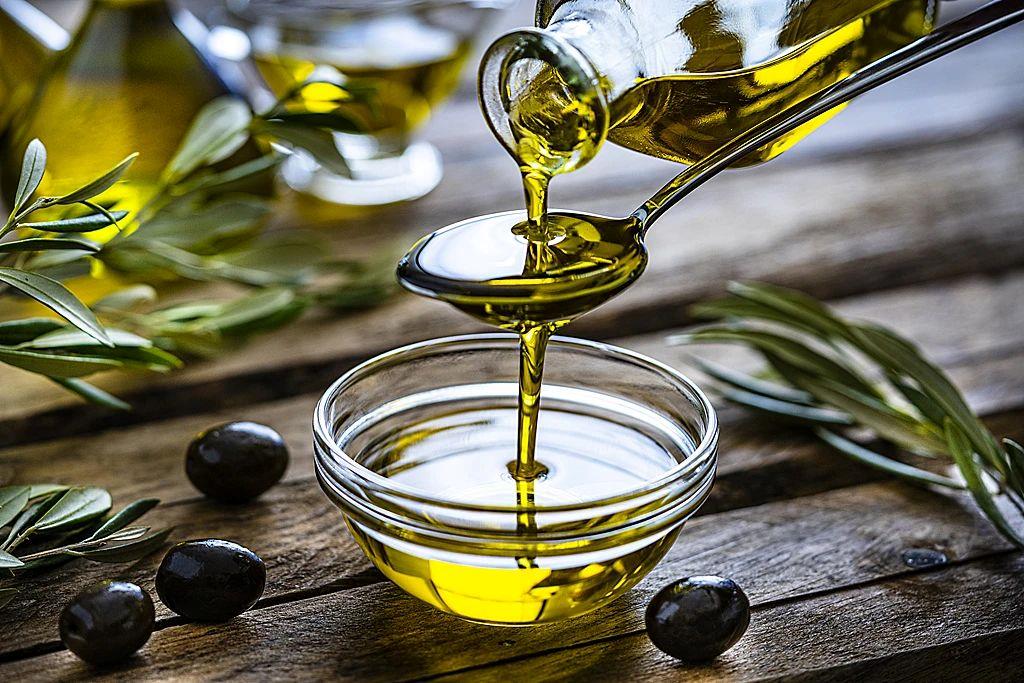
Core Viewpoint - Thrombosis is a significant health risk, often referred to as a "silent killer," due to its high incidence, disability, and mortality rates. Preventive dietary measures can help reduce the risk of thrombosis. Dietary Recommendations - **Healthy Fats**: Incorporating oils rich in n-3 and n-9 fatty acids, such as perilla oil and olive oil, can lower cholesterol and triglyceride levels, aiding in thrombosis prevention. Recommended daily oil intake is 25-30 grams [1]. - **Fresh Fruits and Vegetables**: Consuming a variety of fresh produce, particularly dark-colored fruits and vegetables, can protect endothelial cells from oxidative stress and inflammation. The recommendation is to eat 5 fist-sized servings of vegetables and 2-3 fist-sized servings of fruits daily [3]. - **Fatty Fish**: Eating fatty fish like salmon and mackerel, which are high in DHA, can reduce platelet aggregation and protect vascular health. It is advised to consume fish at least twice a week, with each serving being about the size of a palm [5]. - **Foods Rich in β-Glucan**: Foods such as oats can help maintain normal cholesterol levels and reduce blood viscosity, thereby lowering the risk of thrombosis. Whole oats are preferred [7]. - **Soy Lecithin-Rich Foods**: Soy lecithin can help lower blood lipid levels and improve circulation. Daily intake of soy products should be around 15-25 grams, equivalent to approximately 350 grams of soy milk or 100-150 grams of tofu [8]. Foods to Limit - **Salt**: High salt intake can increase blood pressure, leading to vascular damage and higher thrombosis risk. The recommendation is to limit salt intake to no more than 5 grams per day [9]. - **Saturated Fatty Acids**: Foods high in saturated fats, such as fatty meats and butter, should be consumed sparingly as they can raise LDL cholesterol levels [10]. - **Trans Fatty Acids**: Foods that may contain trans fats, like certain baked goods, should be limited due to their adverse effects on cholesterol levels and increased heart disease risk [11]. - **High Cholesterol Foods**: Individuals with high cholesterol should avoid foods rich in cholesterol, opting for low-fat or fat-free dairy options instead [13]. Additional Recommendations - In addition to dietary changes, regular physical activity is essential. It is recommended to engage in aerobic exercise at least five times a week for over 30 minutes, along with resistance training two to three times a week [13].