
罗非鱼

Search documents
中金:中国农牧业大航海时代
中金点睛· 2026-03-25 10:43
Core Viewpoint - The Chinese agricultural and animal husbandry industry is transitioning from domestic competition to global value chain restructuring, with leading companies leveraging cost efficiency and technological advantages to expand overseas, particularly in underdeveloped regions of Asia, Africa, and Latin America, creating a new growth opportunity [1]. Feed Industry - Domestic feed production growth is slowing, entering a phase of stock competition, with a projected CAGR of 2.4% from 2021 to 2024, and a decline in production expected in 2024 [2][4]. - The feed market is shifting focus from expanding production to enhancing quality, with specific segments like poultry and pig feed showing varied growth rates [4][6]. - The overseas feed market presents significant opportunities, with nearly 500 million tons of potential in Asia, Africa, and Latin America, where the concentration is low and profit margins are high [2][11]. Livestock Industry - The demand for pork is stabilizing, with a projected CAGR of 2% from 2022 to 2024, while poultry consumption is expected to grow at 3% during the same period, reflecting a recovery from previous declines [6][8]. - The scale of pig farming is stabilizing, with a projected 70.1% scale rate by 2024, indicating limited room for further expansion [8][10]. - Southeast Asia's pig slaughtering volume exceeds 100 million heads, with Vietnam's pig prices expected to be significantly higher than in China, creating opportunities for competitive advantages [26][34]. Competitive Advantages - Chinese agricultural leaders possess significant operational efficiency and technological capabilities, enabling them to compete effectively in global markets [10][40]. - The core competitive elements include advanced feed formulations, comprehensive service systems, and efficient operational frameworks that support rapid scaling and market penetration [35][39]. - The integration of feed, breeding, and veterinary services into a cohesive offering enhances customer loyalty and market presence [38][39]. Global Market Dynamics - The global feed market is characterized by low concentration, with leading companies primarily involved in integrated agricultural and food processing, presenting opportunities for specialized Chinese firms to capture market share [19][20]. - The poultry and aquaculture sectors are expected to see significant growth, with specific regions like Southeast Asia and Latin America offering substantial market potential due to rising incomes and changing consumption patterns [15][21]. - The competitive landscape in Southeast Asia is evolving, with local firms showing strong performance in specific segments, indicating a need for strategic positioning by Chinese companies [24][26].


巴西水产品工业协会预计2026年出口额有望恢复至6亿美元
Shang Wu Bu Wang Zhan· 2026-02-27 16:11
Core Insights - The Brazilian Fishery Industry Association (Abipesca) anticipates that Brazil's seafood exports could recover to approximately $600 million by 2026, despite the potential for the U.S. to maintain a tariff level of around 15% on Brazilian products [1] Group 1 - Brazil's seafood products are expected to regain competitiveness in the U.S. market [1] - The recovery in exports is projected to restore over 5,000 jobs in the industry [1] - Tilapia is identified as a key product for export growth [1]
品牌引领,价值跃升|“四个农业”的广东实践④
Nan Fang Nong Cun Bao· 2026-02-13 02:33
Core Viewpoint - Guangdong is advancing its agricultural development through a focus on brand agriculture, which is seen as a key driver for enhancing competitiveness and breaking down barriers in agricultural product sales [8][9][12]. Brand Agriculture Development - The "14th Five-Year Plan" emphasizes the importance of brand agriculture as a means to connect various agricultural developments and enhance the core competitiveness of Guangdong products [8][9]. - Guangdong's media-driven initiatives are aimed at enhancing brand visibility and market penetration for local agricultural products [12][22]. Cultural Integration - The integration of culture into agricultural branding is exemplified by the "Father's Love Like Orchid" campaign, which connects the resilience of orchids with deep emotional ties, transforming traditional sales into a cultural experience [40][56]. - The "Year Fish" concept in Zhuhai merges traditional cultural elements with the seafood industry, leading to significant sales growth during festive seasons [58][70]. Market Expansion - Guangdong's agricultural products are increasingly penetrating national and international markets, with notable demand in regions like Beijing and Southeast Asia [19][76]. - The collaboration between Guangdong enterprises and businesses in other provinces, such as Hunan, has resulted in substantial sales agreements, exemplified by an 11 billion yuan contract for seafood products [87]. Innovative Marketing Strategies - The "Media+" initiative has led to innovative marketing strategies, including live streaming events that significantly boost product visibility and sales, as seen with the 192 million units of lychee sold during a promotional event [28][30]. - The use of social media platforms for marketing has transformed local farmers into influencers, enhancing the reach of agricultural products [35][39]. Future Outlook - Guangdong aims to continue leveraging its unique cultural heritage and innovative marketing strategies to expand its agricultural brand presence globally, with a focus on quality and cultural significance [109].

建美示范带 激活流量池 | 市委书记抓乡村振兴(2026.02.02-02.06)
Nan Fang Nong Cun Bao· 2026-02-09 10:01
Core Viewpoint - The article discusses the implementation of the "Hundred Counties, Thousand Towns, and Ten Thousand Villages High-Quality Development Project" in Guangdong, focusing on rural revitalization and the development of local industries through various initiatives and strategies [3][9][15]. Group 1: Initiatives and Strategies - Various cities in Guangdong are leveraging the "Hundred Thousand Project" to enhance rural revitalization, with specific focuses such as technology agriculture in Guangzhou, cultural tourism in Zhanjiang, and characteristic industry clusters in Meizhou [4][5][11][71]. - Guangzhou aims to develop technology, facility, and green agriculture, emphasizing the growth of flower, fruit, and fishery industries [10][12]. - Shaoguan is focused on creating a landscape demonstration area and enhancing county-level industry development and environmental improvement [19][21]. - Huizhou promotes unique planting industries and integrates rural revitalization with local economic development [38][40]. Group 2: Leadership and Governance - Local leaders, such as the mayors of various cities, are actively participating in meetings to discuss the progress and strategies for the "Hundred Thousand Project," emphasizing the importance of grassroots governance and party leadership in driving rural revitalization [9][24][30][50]. - The emphasis is placed on enhancing the political and organizational functions of party organizations in rural areas to support development initiatives [50][52]. Group 3: Economic Development and Integration - The article highlights the importance of integrating agriculture with tourism and commerce to create a more vibrant rural economy, as seen in Zhanjiang's focus on agricultural and cultural tourism [71][74]. - The development of modern agricultural industry clusters, such as the tilapia industry in Meizhou, is aimed at increasing agricultural efficiency and farmer income [78][92]. - The promotion of local特色产业 (characteristic industries) is seen as a key strategy for economic growth and rural revitalization across various cities [4][5][11][128].
广东现代化海洋牧场产品将亮相长春农博会|广货行天下 粤味暖长春 ③
Nan Fang Nong Cun Bao· 2026-02-04 10:35
Group 1 - The Guangdong modern marine ranch products will be showcased at the 16th Jilin (Changchun) Winter Agricultural Expo from February 6-9, highlighting the collaboration between Guangdong and Jilin [2][3][4] - Guangdong is actively promoting the construction of modern marine ranches, which is essential for the quality seafood products being presented in Jilin [6][8] - The province has implemented significant upgrades in nearshore aquaculture, including the transformation of traditional net cages, with over 100,000 acres of facilities dismantled and more than 70,000 acres upgraded since 2023 [9][10] Group 2 - Guangdong's marine ranching initiatives include the deployment of 8,000 gravity-type deep-water cages and 28 truss-type large-scale farming platforms, with an expected annual production of 18.2 million pounds of golden pomfret from the Zhanjiang area [12][16] - The province is also promoting a multi-nutritional layer ecological farming model, resulting in the creation of 13 marine ranches covering over 1,000 square kilometers and the placement of over 17,000 artificial reefs [18][19] - Guangdong's total aquatic product output is projected to reach 9.6637 million tons in 2024, with marine aquaculture production expected to hit 3.7683 million tons, marking the highest growth rate since 2011 [20][21] Group 3 - The Guangdong exhibition area at the agricultural expo will feature various high-quality seafood products, including golden pomfret and shrimp, showcasing the unique flavors of Guangdong [25][27][33] - The event aims to foster cultural exchange and collaboration between southern and northern regions of China, with a focus on integrating local specialties from both areas [38][40] - The initiative "Guangdong Goods Going Nationwide" emphasizes the emotional connection and cultural integration through the shared culinary experiences between Guangdong and Jilin [39][42]
讲好广货故事,传播乡土声音!南粤乡村故事演讲大赛复赛决出全省30强
Nan Fang Nong Cun Bao· 2026-02-02 15:32
Core Viewpoint - The "South Guangdong Rural Storytelling Competition" aims to showcase local stories and promote the unique charm of "Guangdong goods" through engaging narratives from various regions in Guangdong Province [2][4][8]. Group 1: Competition Overview - The competition's semi-finals were held on February 2, with 65 participants from 21 cities in Guangdong competing for 30 spots in the semi-finals [2][3]. - The evaluation process utilized online video assessments, focusing on authentic storytelling to reflect the development and changes in rural areas [3][4]. Group 2: Participants and Stories - Contestants shared heartfelt stories from their local communities, highlighting the practical outcomes of the "Hundred Million Project" at the grassroots level [6][8]. - Stories included the transformation of traditional practices, such as the standardization of Chaozhou preserved vegetables and the revitalization of local culture through various initiatives [9][12][16]. Group 3: Evaluation Criteria - A professional judging panel, including members from various associations, assessed the entries based on content, language, presentation, and video quality [18][20]. - The competition aims to uncover vibrant grassroots stories that reflect rural culture, industry development, and ecological construction [21][22]. Group 4: Future Directions - The top 30 contestants will advance to the semi-finals, with plans for systematic training to enhance the depth and impact of their presentations [29][31]. - The goal is to continue sharing compelling stories that embody the spirit and vitality of rural Guangdong, contributing to the broader narrative of rural revitalization and the promotion of "Guangdong goods" [32][34].
引导多方力量投身乡村建设 | 市委书记抓乡村振兴(2026.01.19-01.26)
Nan Fang Nong Cun Bao· 2026-01-26 06:30
Core Viewpoint - The article discusses various initiatives and strategies implemented by different cities in Guangdong province to promote rural revitalization and enhance local economies through targeted development programs and community engagement [3][4][5]. Group 1: Initiatives for Rural Revitalization - Guangzhou is deepening the "Head Goose" project by selecting and strengthening grassroots party organization leaders [15][16]. - Zhuhai is focusing on expanding characteristic industrial clusters and encouraging social forces to participate in rural construction [20][21]. - Shantou is enhancing development through party-building initiatives and community engagement activities [28][30]. - Shaoguan is building a strong team of village group leaders to promote rural greening [36][41]. - Meizhou is exploring the "sixth industry" concept to strengthen party leadership in rural revitalization [44][46]. - Huizhou is pushing for the expansion and efficiency of industrial parks to deepen urban-rural integration [57][61]. - Shantou is establishing a comprehensive county-town-village committee system to support youth development [64][66]. Group 2: Economic Development Strategies - Jiangmen is advancing integrated reforms to develop economic forests that drive income [69][75]. - Zhanjiang is focusing on strengthening the county economy and promoting local specialties [82][84]. - Maoming is concentrating on the entire industry chain of the tilapia sector to elevate its market position [91][93]. - Zhaoqing is integrating agriculture, culture, and tourism to create a vibrant tourism corridor [95][102]. - Qingyuan is implementing a mechanism to promote agricultural trade and industrial integration [106][110]. - Chaozhou is enhancing the marine economy and developing ecological projects [121][124]. - Jieyang is emphasizing the modernization of agriculture and rural areas as part of its development strategy [126][130].
科技农业绘出新风景
Xin Lang Cai Jing· 2026-01-25 18:15
Core Insights - The article highlights the transformative impact of agricultural technology in Chengdu, showcasing how innovations are redefining traditional farming practices and enhancing food diversity in winter [4][6][7]. Group 1: Agricultural Innovations - Chengdu's agricultural landscape is evolving with the introduction of "black technology," allowing for year-round production of crops like strawberries and oilseed rape, even in winter [4][6][7]. - The use of advanced techniques such as double haploid induction and controlled environment agriculture has led to the development of cold-resistant, early-blooming crop varieties [4][7][8]. - Facilities like vertical farms and smart greenhouses are enabling the cultivation of crops without reliance on traditional seasonal constraints, thus ensuring a steady supply of fresh produce [9][12]. Group 2: Seafood Production in Xinjiang - Xinjiang is emerging as a significant player in the seafood industry, producing species like salmon and shrimp through innovative inland aquaculture techniques [10][11]. - The use of saline-alkaline water for aquaculture has been optimized to create environments suitable for marine species, showcasing a breakthrough in resource utilization [10][11]. - Advanced closed-loop water recycling systems are being implemented to ensure sustainable and efficient fish farming practices in arid regions [11][12]. Group 3: Solar-Agriculture Integration - The "agriculture-photovoltaics" model is gaining traction, where solar panels not only generate electricity but also create favorable microclimates for crop growth beneath them [13][14]. - This dual-use approach is enhancing agricultural productivity in arid regions by improving soil conditions and reducing water evaporation [13][14]. - Projects like "fishing-solar" and "pasture-solar" are demonstrating the potential for synergistic benefits, leading to increased yields and diversified income streams for farmers [14][15]. Group 4: Global Agricultural Technology Trends - The global agricultural sector is witnessing a shift towards data-driven practices, moving away from traditional methods to more scientific approaches [16][17]. - Technologies such as IoT, AI, and autonomous machinery are being integrated into farming operations worldwide, enhancing efficiency and sustainability [16][17]. - China's advancements in agricultural technology are not only improving domestic production but also contributing to global agricultural practices, showcasing a blend of local innovation and international collaboration [17].
这届年货节,把“广东味”装进全球购物车
Sou Hu Cai Jing· 2026-01-24 14:12
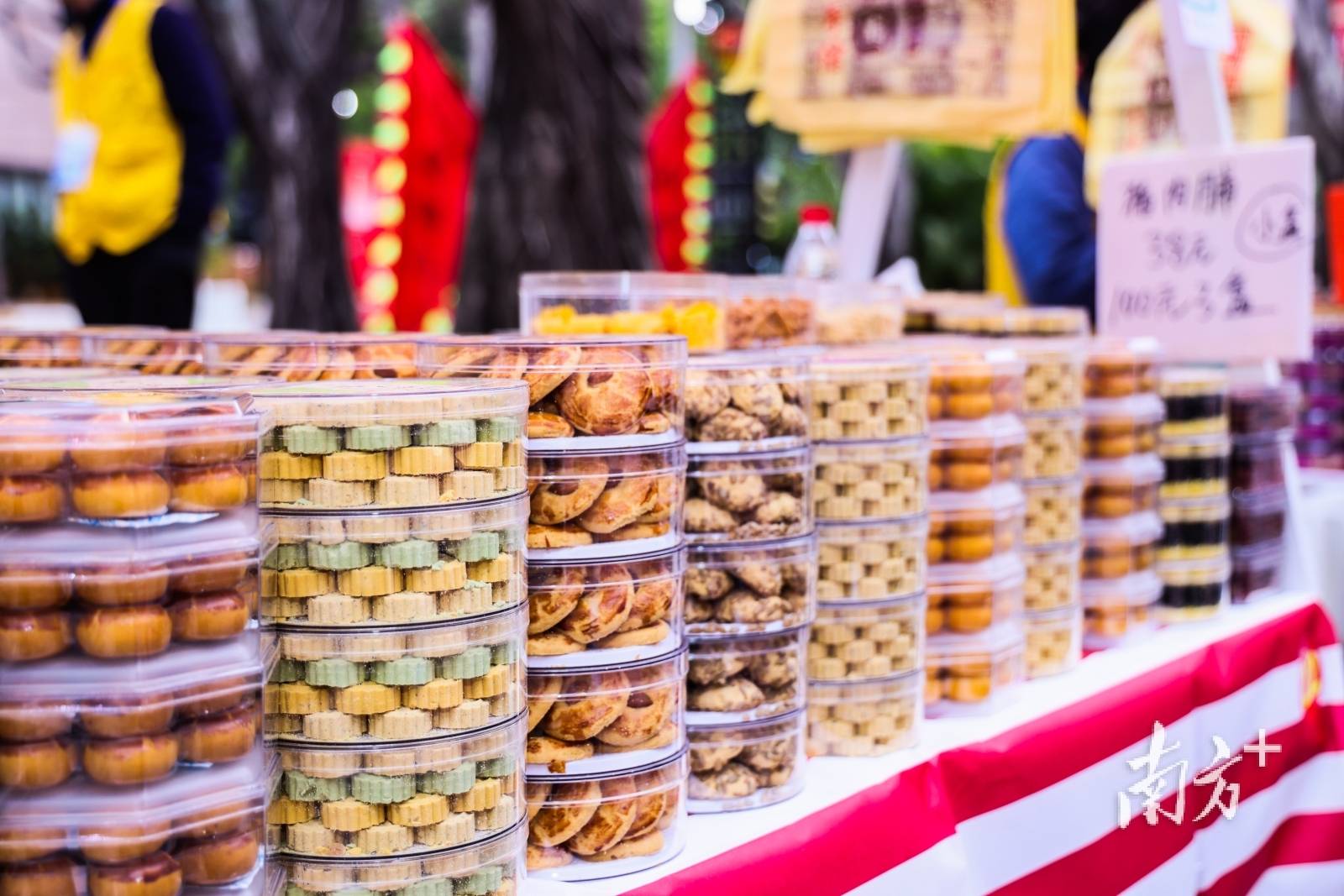
Core Viewpoint - The Guangdong New Year goods festival aims to promote the integration of domestic and international markets for food products, enhancing the global presence of Guangdong's culinary offerings [3][5]. Group 1: Event Overview - The fifth China Import and Export Food New Year Goods Festival commenced on January 23 and will run until February 5, featuring an "online and offline immersive experience" model [3]. - The festival is a key initiative under the Ministry of Commerce's "2026 National Online New Year Goods Festival" and supports Guangdong's "Global Goods Going Global" spring action [3]. Group 2: Market Potential - The Chinese New Year dish market is projected to grow from 170.81 billion yuan in 2024 to 262.64 billion yuan by 2026 [5]. - Guangdong's New Year goods are becoming a global "hard currency," indicating strong international demand [5]. Group 3: Export Growth - In 2025, the export volume of Maoming lychee is expected to reach 5,202 tons, valued at 80.62 million yuan, showing significant year-on-year growth [7]. - Agricultural products from Shaoguan, such as edible fungi, have been exported to 22 countries worldwide [7]. Group 4: Collaborative Efforts - The festival facilitated a series of cooperation agreements with import and export food purchasers from RCEP member countries and regions like New Zealand, Malaysia, and Indonesia [9]. - The event also launched the "Cloud Food Wisdom AI to Assist Guangdong Flavor Going Global" initiative, providing one-stop services for overseas market analysis and compliance consulting [7].
南农晨读 | 宠爱上新 广货真行
Nan Fang Nong Cun Bao· 2026-01-24 03:35
Group 1 - The pet industry is experiencing innovation and development, highlighted by the first annual pet industry gala and a specialized forum focusing on industry innovation [3][5][6] - Industry experts and representatives gathered to discuss high-quality development paths for the ornamental aquatic industry, emphasizing "innovation-driven and integrated development" [6][7] - The forum featured authoritative speakers sharing valuable insights, contributing to a wealth of industry knowledge [7][8] Group 2 - Jin Xing Beer has submitted an IPO application to the Hong Kong Stock Exchange, potentially becoming the first "Chinese craft beer" listed on the Hong Kong market [22][23][24] - The company is backed by CITIC Securities and Bank of China International as joint sponsors for the IPO [23][24] Group 3 - The Guangdong New Year dish series is gaining popularity in Shanghai, with sales expected to increase by nearly 200% from 2023 to 2025, surpassing 10 billion yuan in sales by 2025 [32][33][34] - The "Guangdong New Year Dish" marketing campaign is set to launch in Shanghai, showcasing ten signature dishes to attract consumers [34][36]