洋河高线光瓶酒

Search documents
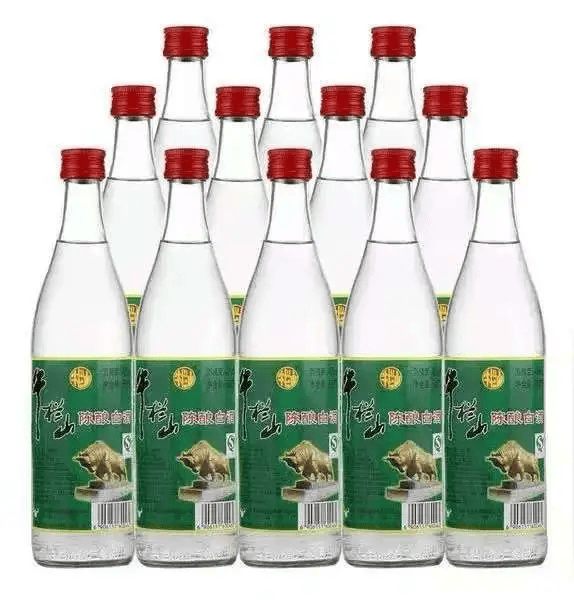
36度微醺难救百亿民酒:牛栏山预亏1.88亿,光瓶酒大王遇中年危机
Sou Hu Cai Jing· 2026-02-09 15:54
Core Viewpoint - The traditional liquor brand Niulanshan is facing significant challenges despite the booming market for light bottle liquor, with a projected net loss of 116 million to 188 million yuan in 2025, marking a shift from profit to loss for the company [2] Group 1: Company Performance - In the first three quarters of 2025, Niulanshan's revenue decreased by 19.79% to 586.9 million yuan, and its net profit attributable to shareholders plummeted by 79.85%, with a net loss exceeding 19.3 million yuan in the fourth quarter, representing the worst performance in recent years [2] - The white liquor segment, which accounts for 78.51% of the company's revenue, is identified as the main culprit for the poor performance [2] Group 2: Market Challenges - The implementation of new national standards for liquor in 2022 has led to a crisis for Niulanshan's flagship product, "Bai Niu Er," which was reclassified as "flavored liquor" due to the addition of food flavoring, resulting in a dramatic drop in sales from 416,900 kiloliters to 246,400 kiloliters in 2023, with a further decline of 33.05% in the first half of 2025 [3] - The light bottle liquor market has shifted from a "blue ocean" to a "red ocean," with competitors like Fenjiu and Luzhou Laojiao entering the market and attracting quality-seeking consumers, while Niulanshan's low-price strategy struggles to maintain its market share [3] Group 3: Distribution and Consumer Trends - Long-term reliance on a "big merchant system" has led to price transparency and frequent low-price diversion by distributors, resulting in a 23.36% decline in distribution revenue in 2025 [4] - The traditional consumer base of Niulanshan, primarily blue-collar workers, has been negatively impacted by the real estate sector's adjustments, while younger consumers prefer lower-alcohol, visually appealing, and situational drinks, making it difficult for traditional high-alcohol light bottle liquor to attract their attention [4] Group 4: Strategic Response - In early 2026, Niulanshan launched a new product, the 36-degree Jinbiao Niulanshan light-flavored liquor, targeting younger consumers with a price range of 58-78 yuan, which received positive feedback online shortly after its launch [5] - Industry experts suggest that Niulanshan faces dual pressures of cyclical and structural challenges and must implement brand segmentation, transparency in production processes, and channel reforms to overcome its difficulties [5] - The pork business of its parent company, Shunxin Agriculture, has seen a reduction in losses in 2025, but it is insufficient to offset the drag from the liquor business [5] Group 5: Industry Context - The challenges faced by Niulanshan reflect a broader anxiety within the liquor industry during a period of deep adjustment, highlighting the need to balance tradition and innovation amid consumer upgrades and the rise of younger demographics [6] - The story of Niulanshan illustrates that there are no permanent national liquors, only enduring consumer demands, and the current crisis presents an opportunity for brand rejuvenation through product innovation and channel transformation [6]


洋河以百亿大单品+健康渠道,叩响2026白酒复苏之门
Zhong Jin Zai Xian· 2026-01-27 07:17
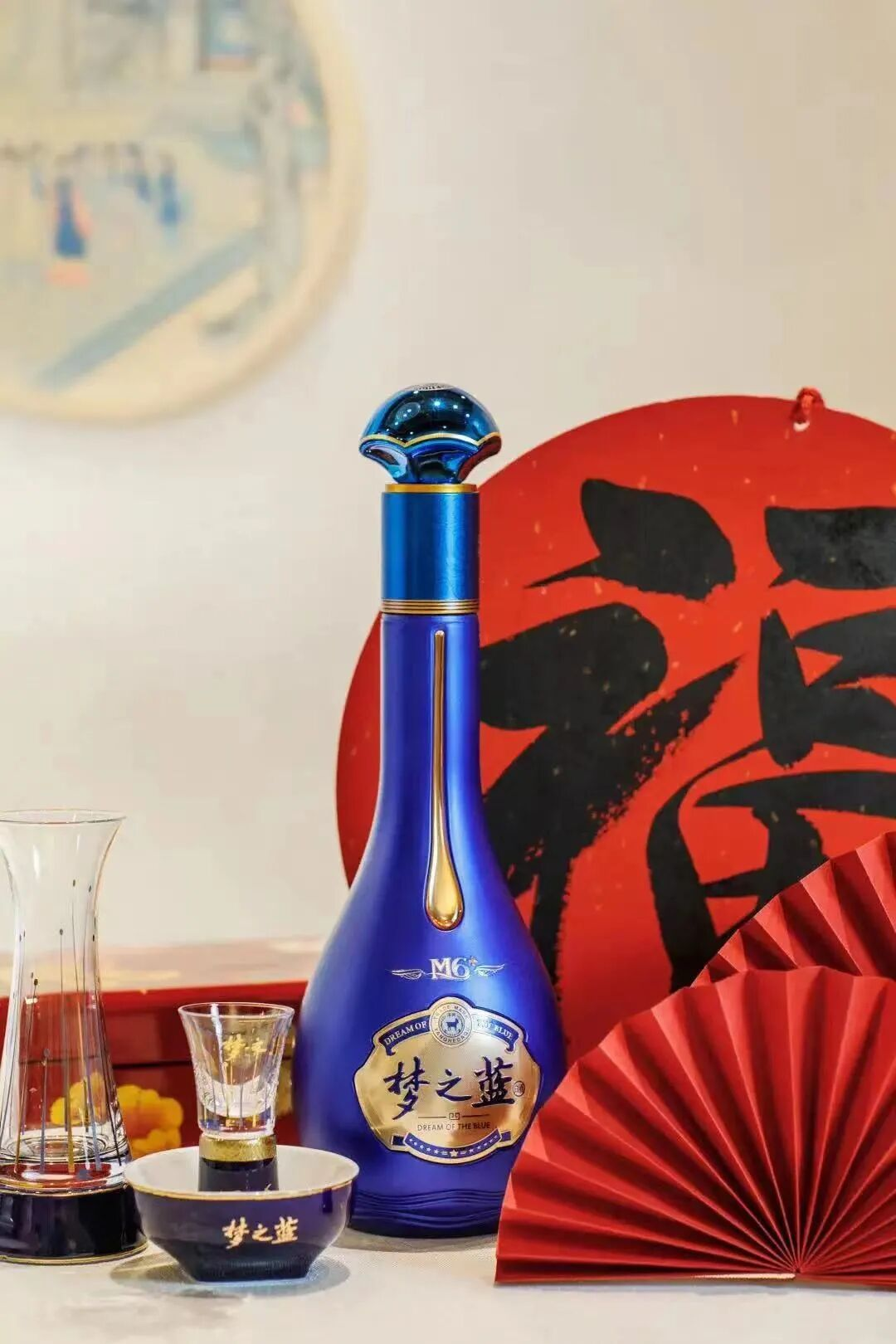
Core Insights - The core viewpoint of the articles highlights Yanghe's resilience and strategic positioning in the white liquor industry amidst a period of adjustment and price competition, showcasing its ability to maintain brand value and market presence [1][2][4]. Industry Overview - The white liquor industry is undergoing a deep adjustment, shifting from "scale expansion" to a focus on value, with consumers becoming more rational in their purchasing decisions [2]. - The industry is experiencing a price inversion dilemma, testing the true strength of enterprises during this adjustment period [2]. Company Strategy - Yanghe has implemented a "combination punch" strategy to navigate the current market challenges, with its flagship product, Dream Blue M6+, serving as a value benchmark in the market [2][4]. - Starting in 2025, Yanghe has enforced strict quota controls on Dream Blue M6+ to prevent low-price dumping, thereby protecting brand value and dealer interests [4]. - The company is refreshing its product matrix to adapt to diversified consumer trends, with a focus on high-quality offerings and innovative products targeting younger demographics [4]. Competitive Advantages - Yanghe possesses unique production and storage advantages, including the largest certified liquor cellar group and a storage capacity of 1 million tons, which supports the quality stability of its high-end products [5]. - The company has chosen to slow down its operations strategically, allowing for channel health maintenance and inventory reduction, which is seen as a wise move during industry downturns [5]. Market Positioning - Yanghe is positioned for a potential market rebound in 2026, with its core product, Dream Blue M6+, nearing a scale of 10 billion yuan, which is expected to drive performance recovery [7]. - The company has demonstrated resilience through its national and global market strategies, achieving growth in overseas markets even during domestic pressures [7]. - Yanghe's channel ecosystem has improved significantly, with effective inventory reduction strategies leading to healthier channel conditions [7]. Investor Sentiment - Confidence in Yanghe is growing among capital market participants, with several institutions recommending "buy" or "hold" ratings, citing the company's unchanged brand value and channel network advantages [8]. - The proactive adjustments made by Yanghe in 2025 are seen as foundational for future growth, with expectations of a strong recovery as market conditions improve [8].

兄弟局就喝它!从街边小馆到家宴聚餐,洋河光瓶酒凭啥成了兄弟间的“默契酒”
Zhong Jin Zai Xian· 2026-01-14 10:10
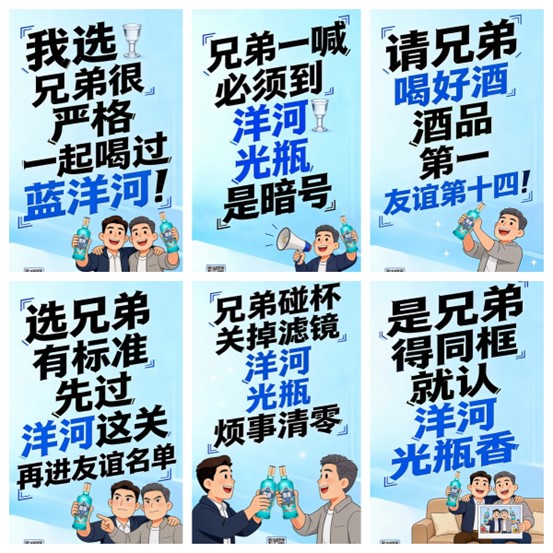
Core Viewpoint - The recent advertising campaign by Yanghe featuring "brotherhood" themes has gained significant popularity, resonating with the everyday experiences of ordinary people rather than high-end luxury portrayals [1][3]. Group 1: Advertising Strategy - The campaign effectively captures the essence of brotherhood and camaraderie, reflecting the unspoken understanding among friends, which is often forged over drinks [3][5]. - The slogan "酒品第一,友谊第十四" (Quality of liquor first, friendship fourteenth) humorously conveys that true friendships do not require constant affirmation, making the message relatable and authentic [3][5]. - The simplicity and sincerity of the campaign stand out in a market filled with complex and high-end advertisements, showcasing a genuine connection with consumers [4][5]. Group 2: Emotional Connection - The campaign emphasizes the emotional value of the product, positioning Yanghe's light bottle liquor as a medium for genuine relationships, affordable yet respectable [5][9]. - Yanghe's marketing strategy successfully bridges different consumer segments by using a consistent emotional language, appealing to both high-end and everyday social contexts [9][10]. - The campaign reflects a broader understanding of social dynamics in China, where both high-end and casual drinking experiences share a core value of sincerity and trust [9][10].
洋河2025年三季报:营收180.9亿元 合同负债增长显渠道信心
Zheng Quan Ri Bao Zhi Sheng· 2025-10-30 13:13
Core Insights - The Chinese liquor industry is currently experiencing a "bottoming out" phase, as evidenced by the performance reports of companies like Yanghe, which reported a revenue of 18.09 billion yuan and a net profit of 3.975 billion yuan for the first three quarters of 2025, reflecting a common trend during the industry's adjustment period [1][3]. Industry Overview - In 2025, nearly 80% of liquor companies are facing market challenges, with traditional peak seasons failing to generate expected sales, leading to high channel inventory and price inversions [1][3]. - The industry is transitioning from a golden era of simultaneous volume and price growth to a focus on quality preservation among leading companies [1][3]. Company Strategy - Yanghe's strategy for 2025 emphasizes "de-stocking, enhancing momentum, and stabilizing prices," with a focus on reducing channel inventory through various promotional measures, resulting in a double-digit reduction in overall market inventory [1][3]. - The company employs a unique approach to inventory reduction by promoting sales rather than imposing sales targets, utilizing strategies like QR code red envelopes and banquet policies to engage high-net-worth consumers [3][4]. Digital Transformation - Yanghe's digital infrastructure is enhancing efficiency by enabling promotional policies to reach terminals directly and using data analytics to match demand accurately, thereby reducing burdens on channels and increasing effectiveness [3][4]. Product Strategy - Yanghe continues to implement a "dual famous liquor, multi-brand, multi-category" strategy, creating a comprehensive product matrix that spans all price ranges, which strengthens its risk resilience [4][5]. - Despite short-term revenue pressures, Yanghe maintains its investment in product quality, with significant resources dedicated to premium storage and traditional craftsmanship, which fosters consumer loyalty [5][7]. Market Positioning - The company has launched six new products this year, including upgraded versions of existing lines and new entries that have generated excitement in the market, indicating a strong commitment to innovation [7]. - Yanghe's substantial raw liquor reserves and product innovation capabilities position it well for future growth, suggesting that the current challenging period may serve as a foundation for a new phase of expansion for long-term investors [7].
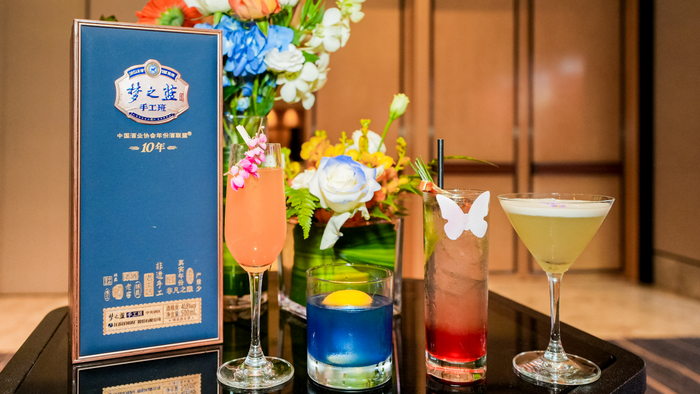
洋河2025三季报:营收180.9亿,合同负债增长显渠道信心
Zhong Guo Ji Jin Bao· 2025-10-30 12:12
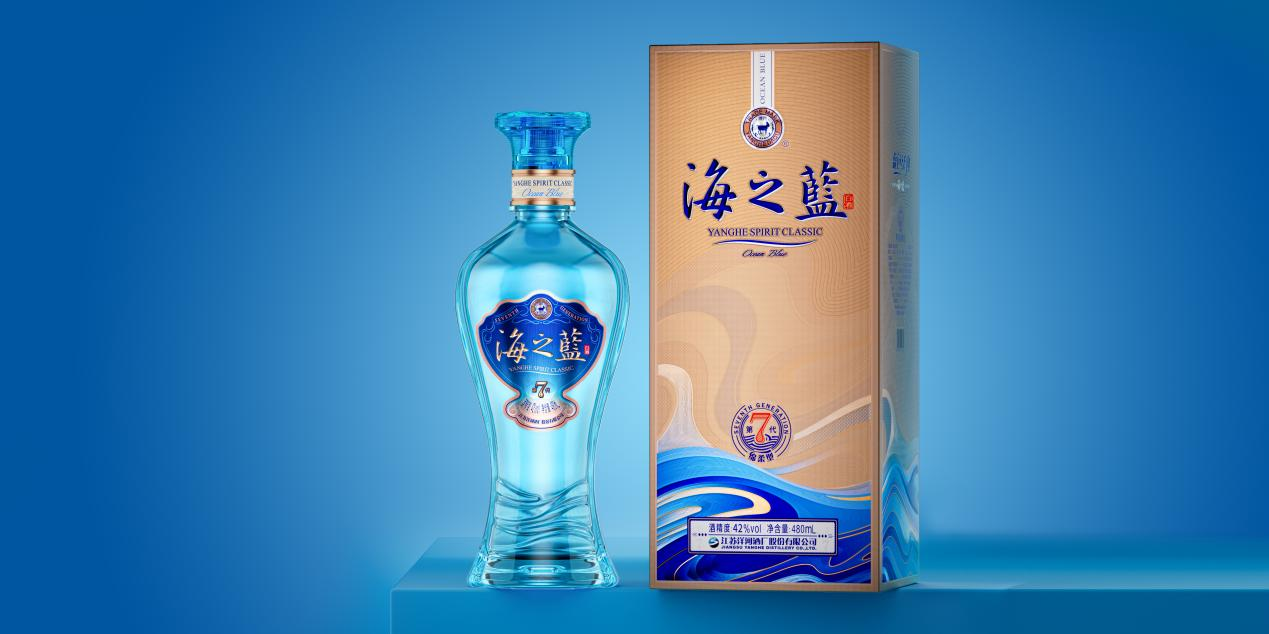
Core Insights - The Chinese liquor industry is experiencing a "bottoming out" phase in 2025, as reflected in the performance reports of companies like Yanghe, which reported a revenue of 18.09 billion yuan and a net profit of 3.975 billion yuan for the first three quarters [1][2]. Industry Overview - In 2025, nearly 80% of liquor companies are facing market challenges, with traditional peak seasons failing to generate expected sales, leading to high channel inventories and price inversions [2]. - The industry is transitioning from a phase of simultaneous volume and price growth to a focus on quality preservation among leading companies [2]. Company Strategy - Yanghe's strategy in 2025 emphasizes "de-inventory, enhancing capabilities, and stabilizing prices," with a focus on reducing channel inventory through various promotional measures, resulting in a double-digit reduction in overall market inventory [2][4]. - The company employs a unique approach to inventory reduction by promoting sales rather than merely pushing inventory, utilizing strategies like QR code red envelopes and tasting events to engage high-net-worth consumers [4]. Digital Transformation - Yanghe's digital infrastructure is enhancing efficiency by enabling promotional policies to reach terminals directly and using data analytics to match demand accurately, thereby reducing channel burdens and increasing effectiveness [4]. Product Strategy - Yanghe continues to implement a "dual famous liquor, multi-brand, multi-category" strategy, creating a comprehensive product matrix that spans all price ranges, which strengthens its risk resilience [5]. - Despite short-term revenue pressures, Yanghe maintains its investment in product quality, with significant resources dedicated to premium production facilities and traditional craftsmanship [5]. Market Positioning - Yanghe has launched six new products this year, including the upgraded "Sea Blue" and other innovative offerings, which are expected to resonate well with consumers and enhance market presence [7]. - The company's substantial raw liquor reserves and innovative capabilities provide a strong foundation for navigating industry challenges and preparing for future growth [7].
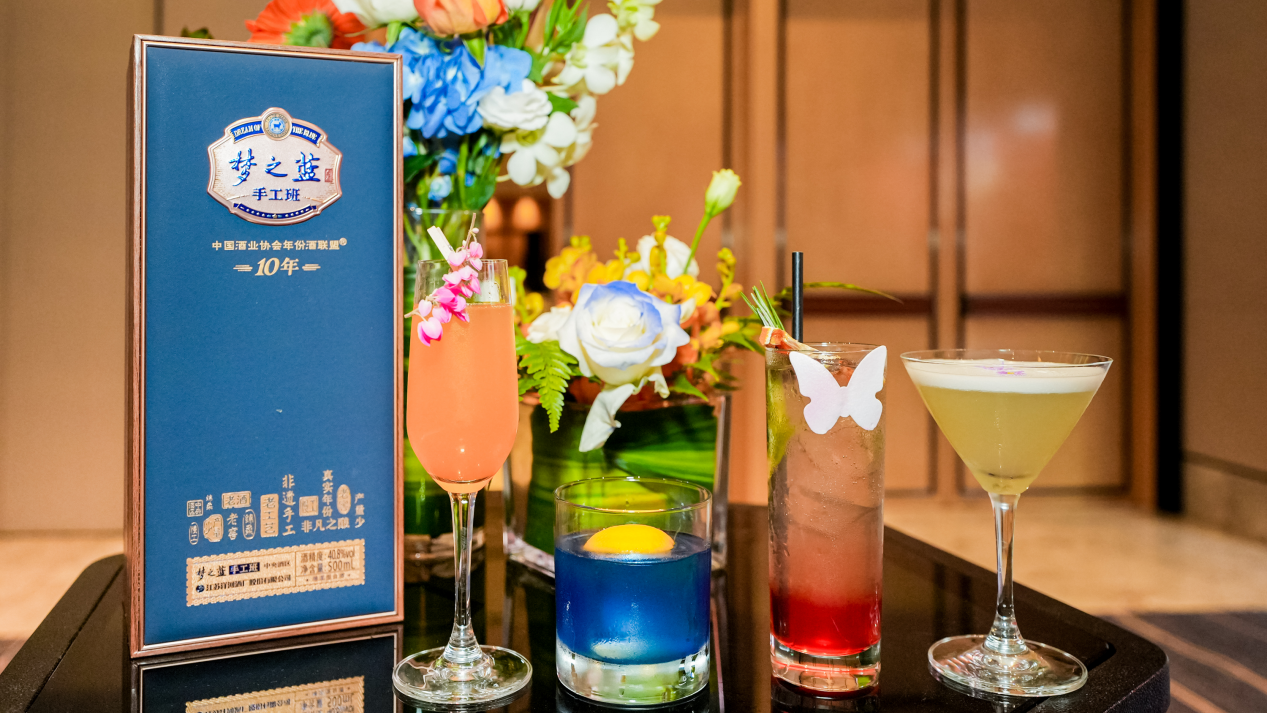
洋河股份:从辉煌到困境,新董事长如何力挽狂澜?
Sou Hu Cai Jing· 2025-08-22 08:26
Core Viewpoint - Yanghe, a leading player in the Chinese liquor industry, is facing unprecedented challenges, including declining revenue and profit, as well as increased competition in a slowing market [4][10][19]. Company Performance - In 2024, Yanghe reported its worst performance since going public, with revenue of 28.876 billion yuan, a year-on-year decline of 12.83%, and net profit of 6.673 billion yuan, down 33.37%, returning to levels seen seven years ago [4][10]. - The company has been using the term "active deceleration" to explain its declining performance, which has become a common phrase in recent years [4][5]. Market Position - Yanghe was once a top player in the liquor industry, ranking among the top three alongside Moutai and Wuliangye since 2010, but has now fallen to fifth place after being surpassed by Shanxi Fenjiu and Luzhou Laojiao [5][8]. - The company’s mid-to-high-end products, including the "Dream Blue" series, have been particularly affected, with revenue from these products declining by 14.79% in 2024, contributing significantly to the overall revenue drop [13][14]. Inventory and Operational Challenges - Yanghe's inventory turnover days have reached nearly 900 days, indicating severe inventory issues, which have doubled compared to the previous year [11]. - The high inventory levels have led to increased costs for distributors and forced the company to reduce production capacity, further impacting profitability [11][19]. Competitive Landscape - Yanghe is facing significant competition from local rival Jinshiyuan, which has been gaining market share in Jiangsu, Yanghe's home province. Jinshiyuan's revenue grew by 13.32% in 2024, while Yanghe's provincial revenue declined by 11.43% [17][18]. - The overall liquor market is experiencing intensified competition, particularly in the light bottle liquor segment, where numerous brands are vying for consumer attention [22]. Strategic Response - In response to its challenges, Yanghe has launched new products aimed at the mass market, including the seventh generation of "Sea Blue" and a cost-effective "Mingjiu" line [20][21]. - The company aims to balance its brand renewal, high-end market breakthroughs, and mass market positioning to regain its competitive edge and reverse its declining trend [24].
洋河发布2025年半年报:三重优势,韧性发展
Zheng Quan Ri Bao Wang· 2025-08-18 13:03
Core Viewpoint - The Chinese liquor industry is currently facing challenges due to tightening alcohol bans and a shift in consumer preferences towards value and quality, impacting sales of mid-to-high-end products. However, Yanghe's strong market position, core products, and brand value provide significant potential for future growth despite these challenges [2][6]. Group 1: Industry Environment - The liquor industry is experiencing a downturn with reduced demand in formal settings due to ongoing alcohol bans, leading to a significant decrease in high-end liquor consumption [2]. - Consumers are becoming more rational and value-oriented, prioritizing cost-effectiveness and quality over brand prestige, which has made it difficult for mid-to-high-end liquor products to sell [2]. Group 2: Yanghe's Market Position - Yanghe maintains a solid advantage in its core market, achieving sales of 71.2 billion yuan in Jiangsu province, supported by decades of brand penetration and channel development [3]. - The company has established a strong market presence in local celebrations and events, with high brand recognition among consumers, particularly in the wedding sector [3]. Group 3: Core Products - Yanghe's flagship products, such as the Hai Zhi Lan and Dream Blue series, have built a substantial consumer base and maintain stable sales even during industry adjustments [4]. - Recent product upgrades and launches, including the seventh generation of Hai Zhi Lan and the introduction of high-line bottled liquor, have received positive market responses, enhancing the competitiveness of its core offerings [4]. Group 4: Brand Value - Over decades, Yanghe has developed a brand with significant industry influence and cultural depth, resonating with consumers through various cultural initiatives and marketing strategies [5]. - The company has successfully engaged younger consumers through innovative marketing and collaborations, enhancing brand image and expanding its consumer base [6]. - Yanghe's strong brand equity provides pricing power and customer loyalty, which are crucial during industry downturns, positioning the company well for future recovery [6].
2025 洋河半年报揭晓!王牌产品助力,韧性发展显实力
Sou Hu Cai Jing· 2025-08-18 12:36
Group 1: Industry Overview - The liquor industry is currently facing challenges due to tightening alcohol bans and a shift in consumer behavior towards more rational and value-oriented choices [2] - High-end liquor demand has significantly decreased in formal settings, leading to frequent price inversions [2] Group 2: Company Performance - Yanghe Co. reported a revenue of 14.796 billion yuan and a net profit of 4.344 billion yuan for the first half of 2025 [1] - Despite the industry downturn, Yanghe maintains a strong market presence in its core regions, particularly in Jiangsu, where it achieved sales of 7.12 billion yuan [3] Group 3: Competitive Advantages - Yanghe has established a "moat" in its core market through decades of brand penetration and channel development, resulting in high consumer recognition and market penetration [3] - The company's core products, such as the Hai Zhi Lan and Meng Zhi Lan series, have maintained stable sales even during industry adjustments, serving as a "ballast" for its performance [5][6] Group 4: Brand Value and Innovation - Yanghe has built significant brand equity over decades, resonating with consumers through various cultural narratives [8] - The company has engaged in innovative marketing and collaborations, such as the "Meng Zhi Lan X China Rocket" co-branded liquor, to appeal to younger consumers and enhance brand recognition [9] Group 5: Future Outlook - Yanghe's strong market foundation, robust core products, and deep brand heritage position it well to navigate industry challenges and capitalize on future growth opportunities [10]
以消费者为中心,洋河凭品质定力穿越行业周期 让好酒走进百姓餐桌,洋河两款“实力派”征服酒友
Zheng Quan Zhi Xing· 2025-08-18 11:55
Core Viewpoint - Yanghe is focusing on consumer needs and product quality during the industry's adjustment period, as emphasized by its chairman Gu Yu, who states that "consumer-centric" decision-making is the guiding principle for the company [1][2]. Group 1: Strategic Focus - Yanghe is committed to a strategy of "four focuses": focusing on leading brands, mid-range and sub-high-end price segments, provincial and external high-ground markets, and the core white liquor business, which helps the company build resilience amid market challenges [2]. - The company views quality as its lifeline, ensuring rigorous standards in raw material selection, traditional brewing processes, and meticulous aging and blending to enhance consumer drinking experiences [2]. Group 2: Product Performance - The seventh generation of Hai Zhi Lan, a classic product with over 100 million bottles sold annually, has been relaunched and is receiving positive consumer feedback for its smooth taste and complex aroma profile, making it a market favorite in the hundred-yuan price range [2][3]. - The Gao Xian Light Bottle Wine, priced between 50-80 yuan, has quickly become popular, selling out online and being highly sought after in physical stores, demonstrating Yanghe's ability to meet consumer demand effectively [3]. Group 3: Innovation and Consumer Engagement - Yanghe is committed to innovation in product, marketing, and digital fields, which strengthens its competitive edge by continuously adapting to consumer needs [4]. - The company is enhancing user engagement through its "Dream Gathering" high-end membership platform and interactive marketing strategies, such as "scan to redeem" promotions, to connect with consumers in various settings [4]. Group 4: Industry Positioning - As the white liquor industry faces significant adjustments, Yanghe's clear and determined approach is to maintain quality, embrace innovation, and demonstrate strategic resilience, which positions the company favorably for future growth [6].

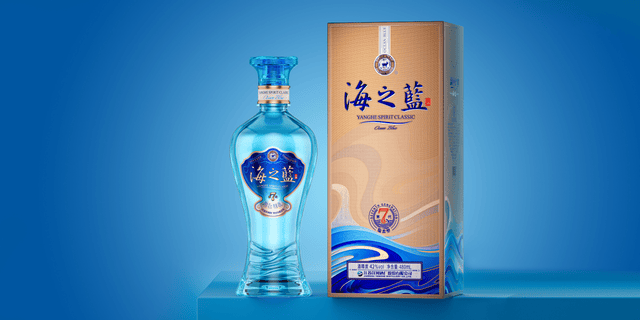
海7+高线光瓶,洋河上半年深耕品质重构增长新势能
Zhong Jin Zai Xian· 2025-07-02 04:29
Core Viewpoint - The Chinese liquor industry is undergoing significant adjustments while presenting new development opportunities, with Yanghe Co., Ltd. leveraging "product renewal, brand elevation, and technological empowerment" to navigate the competitive landscape and achieve high-quality growth [1] Product Renewal - Yanghe has established a multi-dimensional product matrix centered around "soft quality" and "aged liquor," focusing on both high-end and mass-market segments [2] - The seventh generation of Hai Zhi Lan has been relaunched, achieving annual sales of 100 million bottles and reaching 300 million consumers, with significant improvements in quality standards [2] - The new Yanghe High-Line Light Bottle Wine, priced at 59 yuan, has become the first light bottle wine with genuine vintage certification, achieving remarkable sales figures upon launch [4] - Yanghe is constructing a diversified product matrix with a pyramid structure, covering all price ranges from premium to mass-market offerings [6] Brand Elevation - Yanghe has engaged in cross-industry collaborations, such as sponsoring the Jiangsu City Football League, enhancing brand visibility and consumer engagement [7] - The "Seventh Generation Hai Zhi Lan Lobster Carnival" attracted nearly 150,000 visitors and generated significant consumer spending, integrating food, wine, and culture [9] - Yanghe has partnered with CCTV to promote Chinese liquor culture through various cultural programs, enhancing brand penetration in key cultural locations [11] Development Momentum - Yanghe's strong foundation is supported by a substantial reserve of quality base liquor, with over 70,000 fermentation pits and an annual production capacity exceeding 160,000 tons [12] - The company has invested in technical talent, achieving top rankings in national tasting competitions, which reflects its industry-leading technical capabilities and commitment to quality [12] - Yanghe's strategic initiatives in product differentiation, brand activation, and technological investment are positioning the company for sustained growth in the high-quality development of the liquor industry [13]