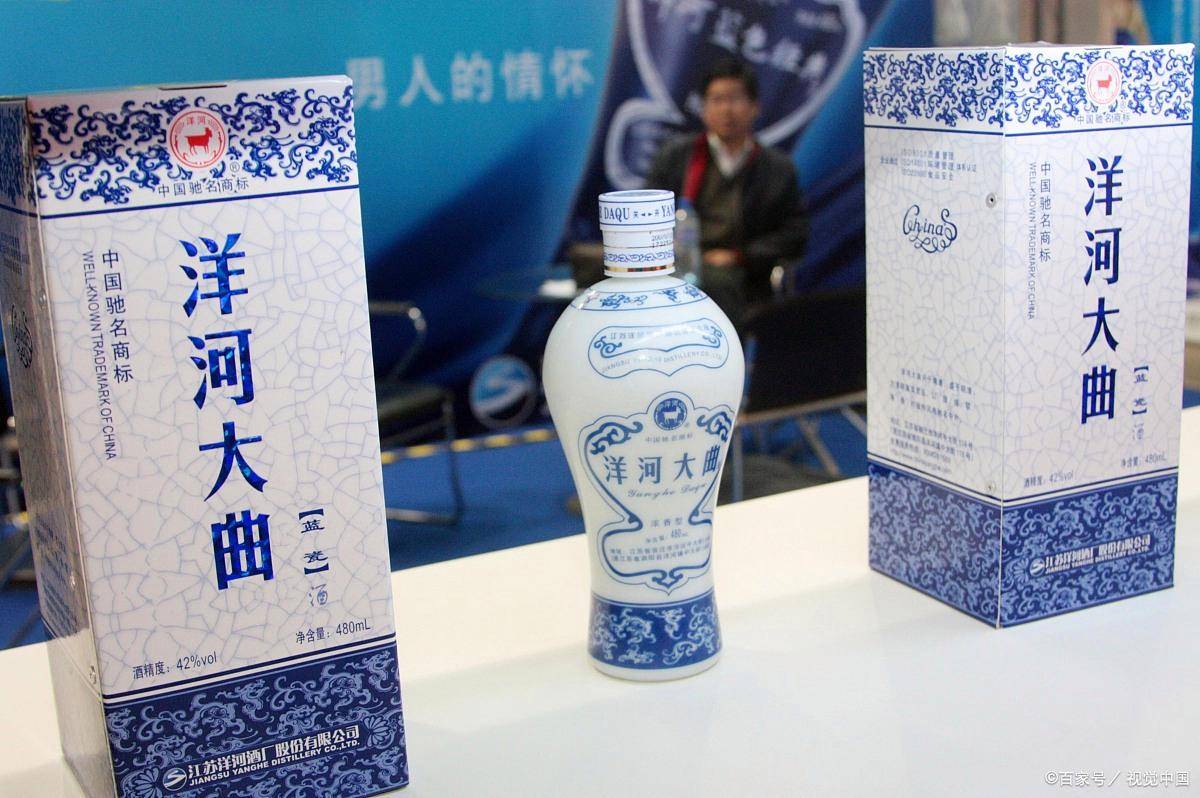
天之蓝

Search documents
2026春节酒市复盘:高端、次高端、大众酒反差迎来春节市场之最!
Sou Hu Cai Jing· 2026-02-27 00:25
Core Insights - The liquor market did not experience the anticipated overall growth during the 2026 Spring Festival, instead showcasing a highly differentiated landscape with significant disparities in performance across different segments [1] High-End Market - The high-end liquor segment (priced above 800 yuan) remained robust, driven by brand value, gifting attributes, and preservation functions, which were amplified during the Spring Festival [4] - Moutai's bottle price rose from 1500 yuan to 1650 yuan, with the original box price stabilizing around 1700 yuan. Wuliangye's price increased from 760 yuan to the 800 yuan range, indicating strong demand in high-end banquet and gifting scenarios [6] - As of February 11, many Moutai distributors had completed 35%-40% of their annual payment plans, with sales in multiple regions increasing by 10%-20% year-on-year, demonstrating the resilience of core assets in the high-end market [6] Mid-Range Market - The mid-range liquor segment (priced between 400-800 yuan) faced significant challenges, with a decline in sales due to a shift in consumer focus from business gifting to home consumption and genuine gatherings. The estimated decline in this price range varied from 10% to 50% [7] - For instance, Gujing Gongjiu's products experienced single-digit declines, while its higher-end offerings saw declines exceeding 20% due to reduced business banquets. Many mid-range brands resorted to price cuts and promotions to capture limited market share, which compressed distributor profits and intensified price competition [9] Mass Market - The mass liquor segment (priced between 50-200 yuan) experienced explosive growth, with some products expected to see significant increases in market share during the Spring Festival. Sales in the 100-300 yuan price range were notably better than the previous year [10] - Consumer behavior shifted towards focusing on value-for-money products rather than high-priced brands, indicating a deeper transformation in consumption logic. This trend aligns with the rise of practical consumption and rational choices, which became the defining characteristic of this year's Spring Festival [12] - The market is evolving into a new structure where high-end and ultra-high-end products maintain brand image and pricing power, while mass-market products drive volume and cover basic consumption needs, leaving the mid-range segment increasingly squeezed [12]



中国必选消费品2月价格报告:高端白酒批价环比回升,液态奶与调味品折扣减小
Haitong Securities International· 2026-02-26 03:03
Investment Rating - The investment rating for the consumer staples sector in China is "Outperform" for multiple companies including Moutai, Wuliangye, and others [1]. Core Insights - Premium baijiu wholesale prices have rebounded month-on-month, while discounts on liquid milk and condiments have narrowed [1][11]. - The report highlights the resilience of consumer stocks amidst a volatile market, emphasizing their value [3]. Summary by Relevant Sections Baijiu Pricing - Moutai's wholesale prices for Feitian (case and single bottle) are 1700 and 1650 yuan respectively, with month-on-month increases of +100 and +70 yuan. Year-to-date changes are +100 and +60 yuan, but year-on-year changes are -530 and -560 yuan [10][40]. - Wuliangye's eighth-generation price remains stable at 830 yuan, with a year-to-date increase of +10 yuan and a year-on-year decrease of -105 yuan [4][40]. - Luzhou Laojiao's Guojiao 1573 price is 870 yuan, up by +20 yuan month-on-month and +20 yuan year-to-date, with a year-on-year increase of +10 yuan [4][40]. - Other notable prices include Shanxi Fenjiu and various products from Yanghe and Gujing Gongjiu, showing mixed trends in pricing [10][40]. Discounts on Consumer Products - Discounts on liquid milk products have decreased from an average of 62.8% to 61.4% and from 63.4% to 61.7% for median values [19][37]. - Discounts on condiments have also narrowed from 87.1% to 85.0% (average) and from 88.2% to 84.9% (median) [19][37]. - Conversely, discounts on convenience foods have slightly increased, with average discounts moving from 94.8% to 94.6% [20][37]. - Beer, soft drinks, and infant formula discounts have remained stable, with slight variations in average and median rates [21][38].




茅台不够卖,中间档卖不动,今年春节,没人再为“面子酒”买单了?
Sou Hu Cai Jing· 2026-02-25 09:32
Core Insights - The Chinese liquor industry is undergoing a significant transformation, moving from "symbolic consumption" to "experiential value" in consumer behavior [3] Group 1: Market Feedback - High-end liquor, particularly Moutai, is experiencing a supply shortage, with prices increasing from 1500 yuan to 1700 yuan due to high demand [2] - The 100-300 yuan price range for "popular liquor" is seeing structural growth, with products like Tianzhilan and Langpai Tequ being sold out in stores [2] - The mid-range 300-800 yuan segment is struggling, with sales declining by 14%-20% as business banquets have not fully returned and consumers find it unappealing [2] Group 2: Consumer Behavior Changes - The shift in consumer spending indicates that liquor must be consumed rather than just purchased for status, as evidenced by a 400% increase in the opening rate of Qinghua Lang during the Spring Festival [3] - Instant retail services like Meituan and JD Daojia are becoming the norm, with consumers opting for quick deliveries rather than bulk purchases [3] - The year 2026 is viewed as the beginning of a long bottoming process for the liquor industry, reflecting a return to the true essence of liquor consumption [3]
食品饮料行业周报-春节跟踪:茅五和部分中低端价格带超预期增长,汾酒整体表现平稳
China Post Securities· 2026-02-24 01:25
Industry Investment Rating - The industry investment rating is "Outperform the Market" and is maintained [2] Core Viewpoints - During the Spring Festival, national catering and retail consumption showed steady growth, with holiday consumption potential continuing to be released. According to the Ministry of Commerce, the average daily sales of key retail and catering enterprises during the first four days of the Spring Festival in 2026 increased by 8.6% compared to the same period in 2025 [5][19] - The performance of Moutai and Wuliangye, as well as some mid-to-low-end price segments, exceeded expectations, while the overall performance of Fenjiu remained stable [15][19] Summary by Relevant Sections 1. Weekly Viewpoints - Moutai and mid-to-low-end liquor sales during the Spring Festival showed growth, while sub-premium liquor continued to face pressure. Moutai's repayment progress slightly exceeded the same period last year, and Wuliangye's repayment progress remained stable [15][6] - The mid-to-low-end liquor segment is expected to achieve double-digit growth during the Spring Festival, while high-end liquor sales are under pressure [15][6] 2. Industry Performance - The food and beverage sector experienced a decline, with the Shenwan Food and Beverage Industry Index (801120.SL) dropping by 2.51% during the week of February 9 to February 14, ranking 29th among 30 Shenwan primary industries [20] - All sub-sectors within the food and beverage industry saw declines, with meat products, health products, and baked goods experiencing relatively smaller drops [20] 3. Key Company Announcements - Luzhou Laojiao announced that the number of restricted stock units eligible for release is 1,962,814 shares, accounting for 0.1333% of the company's total share capital [29] - Miaokelan Duo signed a memorandum with SADAFCO to explore the market for children's cheese snacks in Saudi Arabia [29] 4. Important Industry News - The Ministry of Commerce announced anti-subsidy measures for EU companies, with rates ranging from 7.4% to 11.7%, effective from February 13, 2026 [31] - Kangshifu launched a new product, Kangshifu Ice Red Tea Energy, entering the energy drink market [31] 5. Industry Chain Data Tracking - As of February 10, 2026, wheat prices were 2,510.8 RMB/ton, up 6.45% year-on-year, while pork prices were 18.08 RMB/kg, down 11.63% year-on-year [34][36]


高端品牌需求强劲、价格坚挺 茅台经销商:“没货、不够卖!”
Shang Hai Zheng Quan Bao· 2026-02-22 06:33
Core Insights - The Chinese liquor market is experiencing a "moderate recovery under structural differentiation" during the 2026 Spring Festival, with strong demand for high-end brands and stable growth for mass-market products, while mid-range products face pressure [2] Group 1: High-End Market Performance - Moutai is facing a supply-demand imbalance, with many distributors reporting sold-out quotas for January and February 2026, leading to price increases [3] - As of February 21, 2026, the wholesale price of Moutai reached 1,700 RMB per bottle, up 10 RMB from the previous day, indicating a significant recovery from a low of 1,500 RMB earlier in the year [3] - Moutai's sales performance is strong, with distributors achieving 35%-40% of their annual payment plans by February 11, 2026, and sales growth of 10%-20% year-on-year [3] Group 2: Other High-End Brands - Wuliangye is also performing well, with distributors achieving around 40% of their annual payment plans by February 11, 2026, although sales growth varies by region [4] - The price of Wuliangye's mainstream product has increased from 760 RMB to a range of 780-800 RMB per bottle since the beginning of the year [4] Group 3: Mid-Range and Mass Market Trends - Mid-range brands are experiencing sales slowdowns and market share pressures, with some products seeing declines of over 20% due to reduced business banquets [5][6] - Mass-market products are showing resilience, supported by banquet and everyday consumption, with brands like Gujinggong and Shanxi Fenjiu performing well [6][7] Group 4: Consumer Behavior and Market Dynamics - There is a noticeable shift in consumer behavior, with younger consumers favoring brands in the 100-300 RMB price range, leading to increased sales in larger supermarkets compared to smaller stores [7] - The demand for Guojian series liquor from Jinshiyuan has increased significantly during the Spring Festival, replacing traditional gift items [7] Group 5: Post-Festival Market Outlook - Despite strong sales during the Spring Festival, the liquor industry may face demand decline post-holiday, with potential inventory buildup and price corrections anticipated [8] - The long-term outlook suggests that many liquor businesses may exit the market, leading to a supply of discounted products [9] Group 6: Broader Consumption Trends - Moutai is expanding its consumer base beyond traditional customers, with a significant portion of participants in a survey indicating they included Moutai in their New Year's Eve dinners this year [10]
茅台经销商:“没货,不够卖!”
Xin Lang Cai Jing· 2026-02-22 06:16
Core Insights - The Chinese liquor market is experiencing a "moderate recovery under structural differentiation" during the 2026 Spring Festival, with strong demand for high-end brands, stable growth for mass-market products, and pressure on mid-range categories [1][10]. High-End Brands - Moutai is facing a supply-demand imbalance, with many distributors reporting sold-out quotas for January-February 2026, leading to price increases. The wholesale price for Moutai has risen to 1,700 RMB per bottle, up from a low of 1,500 RMB earlier in the year [2][12]. - As of February 11, 2026, Moutai's sales growth is significantly outperforming the industry, with a year-on-year increase of 10%-20% in multiple regions [2][12]. - Wuliangye is also performing well, with distributors achieving around 40% of their annual sales targets by February 11, although regional sales performance varies [3][12]. Mid-Range and Low-End Products - Mid-range brands are under pressure, with many experiencing slower sales and market share erosion. For example, Gujing Gongjiu's high-end products have seen a decline of over 20% due to reduced business banquets [4][5]. - In contrast, low-end products are maintaining resilience, supported by banquet and everyday consumption. Sales in the 100-300 RMB price range have shown significant improvement compared to the previous year [5][6]. Market Dynamics - The overall economic environment remains challenging, and the current surge in liquor sales is largely attributed to pre-holiday demand, which may lead to inventory buildup and price corrections post-holiday [7][16]. - The liquor industry is expected to see more operators exit the market in the next 3-5 years, driven by survival and payment crises, which may lead to a continuous supply of low-priced liquor [8][17]. Consumer Trends - Moutai is expanding its consumer base beyond traditional high-end customers, with a notable increase in family consumption during the Spring Festival. A survey indicated that 43.85% of participants included Moutai in their New Year's Eve dinners this year [9][17].
“光明村同款”洋河酒京东年货节热卖 近一周成交额环比增长51%
Zheng Quan Ri Bao Zhi Sheng· 2026-02-10 11:11
Core Insights - JD.com's "Send New Year Goods to Hometown" event successfully delivered festive products, including the popular Yanghe liquor, to local residents in Guangming Village, Suqian City, Jiangsu Province [1] - The sales of "Guangming Village Edition" Yanghe liquor on JD.com increased by 51% week-on-week, highlighting its popularity during the festive season [1] Company Collaboration - JD.com and Yanghe liquor have deepened their partnership since 2012, launching various products tailored to consumer needs, such as 211ml small bottles and 618ml commemorative editions [1] - During JD.com's 20th anniversary, a co-branded product, Dream Blue JD20, was introduced, showcasing a blend of traditional flavors crafted by 46 national liquor masters, exemplifying the collaboration between the two companies [1] Industry Impact - Yanghe liquor is a staple for celebrations and gatherings, with specific products like Dream Blue and Tian Zhi Lan being popular choices for weddings and family reunions [1] - The unique taste profile of Yanghe liquor, characterized by its "sweet, soft, and fragrant" qualities, has significantly influenced the development of the Chinese liquor industry, establishing a new category of mellow liquor [1]

春节跟踪-白酒系列经销商电话会
2026-02-10 03:24
Summary of Conference Call on Baijiu Industry Industry Overview - The conference call focused on the Baijiu industry, particularly the performance of major brands during the 2026 Spring Festival period, comparing it to the previous year. Key Points Moutai (茅台) - Moutai's sales are expected to complete 40% of the annual plan before the festival, with payment progress accelerating by 5% year-on-year [1] - The price of Moutai remains around 1,700 RMB, with a significant reduction of 35% in the supply of non-standard products [1][3] - Post-festival, Moutai prices may slightly decrease, potentially down to around 1,500 RMB, depending on market demand [8] Wuliangye (五粮液) - Wuliangye's payment rate is at 60%, with expected shipments close to 60% before the festival [4] - The price range is between 790-800 RMB, showing significant year-on-year growth [4] - The brand's sales are boosted by digital empowerment and promotional activities, with a projected increase of 40% in sales volume compared to last year [4][20] Guojiao 1573 (国窖 1,573) - Guojiao 1573's payment collection is below expectations, with most distributors achieving less than 10% of the target [5] - The price remains firm at 840-850 RMB, but has decreased by over 30% year-on-year due to high social inventory [5] Langjiu (郎酒) and Shede (舍得) - Langjiu has completed payments ahead of schedule, with prices stable at around 650 RMB, showing slight improvement in sales [6] - Shede's sales are slower, with a year-on-year decline of 10% [6] Jiangsu Market Performance - Jiangsu's overall Baijiu market performance is disappointing, with Yanghe's sales significantly affected by inventory issues and product transitions [24] - Yanghe's overall payment is only about half of last year's, with specific products like Hai Zhi Lan underperforming [24][27] Price Trends - Yanghe's product prices are stable with slight increases, but some products have seen declines due to market conditions [25] - The overall price trend in Jiangsu shows a mix of stability and slight increases, with some products experiencing significant drops [25] Market Dynamics - The Baijiu market is experiencing a polarization, with some brands like Water Well performing well in certain regions while others struggle due to poor distributor performance [22] - The overall expectation for post-festival demand is mixed, with Moutai expected to see a 10% increase, while Wuliangye may see a slight decline due to previous inventory control measures [31] Inventory and Sales Performance - Inventory levels for various brands are high, with Guojiao 1573 and others facing challenges in moving stock [15][16] - The overall sales performance in the Baijiu market shows a decline in many segments, with some brands like Water Well facing significant challenges due to structural issues in distribution [22][23] Additional Insights - The conference highlighted the importance of digital tools and promotional strategies in driving sales for brands like Wuliangye [4] - The impact of last year's inventory control policies on current sales dynamics was discussed, indicating a shift in market strategies [32]
未知机构:白酒周度动态速递20260131二珍酒李渡26年回款开启-20260202
未知机构· 2026-02-02 02:05
Summary of Key Points from the Conference Call Records Industry Overview: Baijiu Industry Core Insights and Arguments - **Zhenjiu Li Du**: - The company has initiated a 26-year repayment plan with inventory levels around 3+ months [1] - Recent batch prices for Zhen30, Zhen15, Zhen10, and Zhen5 are 720, 305, 260, and 110 yuan respectively [1] - Over 4,000 contracts signed with major Zhen Alliance merchants, achieving over 700 million yuan in repayments [1] - The second phase of Zhenjiu's expansion has halted recruitment in 15 counties, with a strategy of replacing existing merchants [1] - The "Zhen 2021 Real Vintage" is set to launch, while the 2020 vintage will cease production by year-end, with a price increase of 10 yuan per bottle starting January 10 [1] - Zhenjiu's classic version has been officially launched at a suggested retail price of 208 yuan per bottle, now available in Guizhou [1] - **Yanghe Co.**: - The company has achieved a 20% repayment progress for 2026, with average inventory levels of 2.5-3 months [2] - Batch prices for M6+, M3 Crystal Edition, Tianzhilan, and Haizhilan are 560, 360, 240, and 115 yuan respectively [2] - Yanghe has been selected as an official sponsor for "Su Super" [2] - No mandatory repayment requirements during the Spring Festival, with current inventory below 2 months [2] - **Jinshi Yuan**: - The company reports a 25% repayment progress for 2026, with average inventory around 3.5 months [2] - Batch prices for Dikai, Si Kai, and V3 are approximately 240, 405, and 500 yuan [2] - Jinshi Yuan has sponsored "Su Super" for two consecutive years [2] - The company is adapting to changes in consumer behavior, with a notable increase in the sales of its light and elegant products [2] - The company aims to maintain a stable market presence and pricing strategy while expanding its product matrix [2] - **Gu Jing Gong Jiu**: - The company has a 25% repayment progress for 2026, with inventory levels around 5+ months [3] - Batch prices for Gu20, Gu16, Gu8, Gu5, and Xianli are 510, 310, 190, 103, and 76 yuan respectively [3] - Gu Jing Gong Jiu announced a cash dividend distribution plan totaling 529 million yuan [3] - **Kouzi Jiao**: - The company has initiated a 26-year repayment plan with average inventory levels of 4+ months [3] - Batch prices for Kouzi 30, 20, 10, and 6 years are 700, 300, 200, and 120 yuan respectively [3] - The company reported significant declines in high-end and mid-range product revenues, with a notable increase in low-end product sales [3] - **Yingjia Gong Jiu**: - The company has a repayment progress of 20-30% for 2026, with average inventory around 5+ months [4] - Promotional prices for Dong6, 9, and 16 are 110, 185, and 285 yuan, with stable batch prices [4] - The company aims for a 30% repayment target in Q1, with expectations for continued growth in Dong6 and 9 [4] - **Jinhui Jiu**: - The company has initiated a repayment plan for 2026 [5] - Plans to distribute nearly 100 million yuan in cash dividends [5] - Positive feedback from the Northwest region indicates potential market share growth due to a lack of strong competitors [5] - The company has seen revenue growth in products priced below 100 yuan, with a rising share in the 300 yuan and above segment [5] Other Important Insights - The overall sentiment in the Baijiu industry reflects cautious optimism, with companies focusing on maintaining stable pricing and adapting to changing consumer preferences [2][3][4][5] - The impact of the Spring Festival on sales and repayment expectations is a common theme, with companies expressing a mix of caution and strategic planning for the upcoming period [2][3][4]
洋河70亿分红承诺遭遇业绩“脚踝斩”
Sou Hu Cai Jing· 2026-01-27 18:09
Core Viewpoint - The dividend commitment of Yanghe Co. has collapsed faster than investors expected due to a significant decline in performance, raising alarms for high-dividend investments [1] Group 1: Financial Performance - On January 23, 2026, Yanghe Co. announced a shocking profit forecast, expecting a year-on-year decline of 62.18% to 68.3% in net profit for 2025, marking the largest annual drop since its listing [1] - For the first three quarters of 2025, Yanghe Co.'s revenue fell by 34.26%, with an estimated net profit of only 21.16 billion to 25.24 billion yuan, indicating a severe mismatch with the previously promised 70 billion yuan dividend [4] - As of the third quarter of 2025, the company's cash on hand was 153.91 billion yuan, a decrease of 28% year-on-year, and net cash flow from operating activities plummeted by 72% [4] Group 2: Dividend Policy Changes - In May 2025, Yanghe Co. had committed to a cash dividend plan ensuring annual dividends of no less than 70% of net profit and at least 70 billion yuan from 2024 to 2026 [2] - On January 23, 2026, the company revised its dividend policy, removing the 70 billion yuan guarantee and changing the payout ratio to at least 100% of net profit, which means actual dividends will significantly decrease due to falling profits [7] - Despite the adjustment being technically acceptable, it has led to investor dissatisfaction and concerns about the company's integrity [9] Group 3: Industry Context - Yanghe Co.'s struggles reflect broader challenges in the liquor industry, which is entering a "stock competition" era, with a shift in consumer spending from business banquets to personal and family consumption [5] - The mid-range and premium segments, where Yanghe Co. operates, are particularly vulnerable to these market changes [5] - The ongoing adjustments in the liquor industry highlight the differentiated challenges faced by companies at various price points, with mid and low-end producers being the most affected [11]