以消费者为中心

Search documents
从9家到4家,春晚“含酒量”创新低
第一财经· 2026-02-17 00:16
Core Viewpoint - The 2026 Spring Festival Gala has seen a decline in the presence of liquor brands, reflecting changes in the white liquor industry amid ongoing adjustments [3][4]. Group 1: Advertising and Brand Presence - The 2026 Spring Festival featured advertisements primarily from four major liquor companies, with Wuliangye being the largest investor, gifting 136,000 items worth 100 million yuan [3]. - The number of liquor brands appearing on the Spring Festival Gala has decreased from 9 in 2024 to 6 in 2025, and further down to 4 in 2026 [3]. - Traditional product placements have also diminished, with fewer brands utilizing this strategy compared to previous years [4]. Group 2: Marketing Strategies - Liquor brands are shifting their marketing strategies, with some, like Jianan Spring and Langjiu, collaborating with platforms like Douyin and Xiaohongshu for content marketing focused on the Spring Festival [5]. - Other companies are opting for local Spring Festival galas to strengthen their regional market influence, such as Fenjiu sponsoring Beijing Satellite TV's gala [5]. Group 3: Industry Trends - Since 2025, the white liquor industry has been transitioning to a consumer-centric growth model, aiming to reach a broader audience through diverse marketing strategies [6]. - The industry is still in an adjustment phase, with expectations of increasing structural differentiation and concentration among liquor companies [6].






从9家到4家,春晚“含酒量”创新低
Di Yi Cai Jing Zi Xun· 2026-02-17 00:01
Group 1 - The overall presence of liquor brands in the 2026 Spring Festival Gala has decreased, with only four major liquor companies participating compared to six in 2025 and nine in 2024 [3] - Major liquor brands featured in the gala include Wuliangye, Yanghe, Gujinggong, and Langjiu, with Wuliangye being the largest investor, contributing gifts worth 100 million yuan [1][3] - The marketing strategies of liquor companies are shifting, with some brands collaborating with platforms like Douyin and Xiaohongshu for content marketing, while others are focusing on local Spring Festival events to enhance regional influence [4] Group 2 - The liquor industry is undergoing a transformation in growth models since 2025, with companies increasingly centering their strategies around consumer needs and diversifying marketing approaches [5] - The liquor market is expected to continue experiencing structural differentiation and increasing concentration, with companies adopting more rational marketing investments [5] - The traditional association of liquor with social interactions and brand recognition remains significant, but the effectiveness of Spring Festival Gala appearances in driving sales is being questioned [3]

鸣鸣很忙的启示:在「富饶的贫困」中,如何找到真需求?
36氪· 2026-01-19 13:47
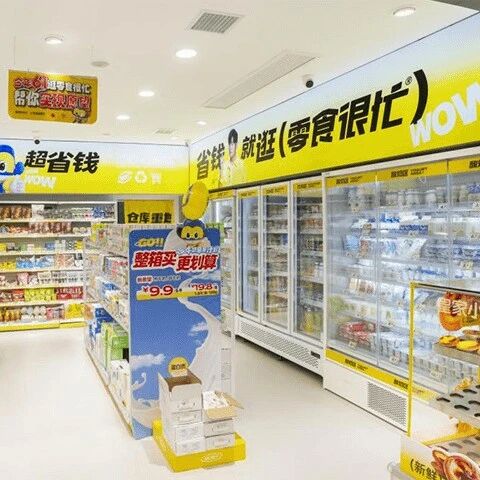
Core Viewpoint - The article highlights the significance of Mingming Hen Mang's upcoming listing on the Hong Kong Stock Exchange, marking a milestone for the bulk snack industry and establishing a new paradigm for its development [1][2]. Group 1: Industry Transformation - The bulk snack industry has historically been dominated by traditional thinking, leading to a misalignment between supply and consumer demand, characterized by a plethora of products that fail to meet true consumer desires [6][7]. - Traditional retail has been governed by "shelf thinking" and "traffic thinking," which limits the ability to cater to diverse consumer needs and preferences, especially among younger generations who seek new experiences and personalized offerings [8][10]. Group 2: Mingming Hen Mang's Strategy - Mingming Hen Mang has shifted from a "seller's mindset" to a "user's mindset," actively identifying and meeting consumer needs rather than merely responding to market demands [10]. - The company has introduced a flexible packaging strategy, with 38% of its SKUs available for bulk purchase, allowing consumers to buy as needed, thus breaking free from traditional large packaging constraints [11]. - 34% of Mingming Hen Mang's SKUs are customized products, reflecting a commitment to producing what consumers want rather than what is readily available [13]. Group 3: Market Validation and Consumer Engagement - The company employs a "small-scale trial and rapid iteration" market validation mechanism, testing new products in select stores before a nationwide rollout, which minimizes market risks and gathers authentic consumer feedback [16]. - Consumer feedback directly influences product adjustments, such as packaging improvements and flavor modifications, enhancing the overall user experience [17]. Group 4: Community and Future Expansion - With over 20,000 stores across 1,341 counties, Mingming Hen Mang aims to evolve beyond a snack retailer into a community-centric service provider, addressing various consumer needs [19][20]. - The "snack+" strategy seeks to explore new possibilities in community retail, drawing inspiration from global retail giants like Costco and Trader Joe's, focusing on consumer needs and breaking category boundaries [22][23]. - The company plans to expand its product offerings to include daily necessities, transforming stores into community convenience hubs, thereby enhancing customer loyalty and store efficiency [28][29].
预见2026|白酒经历更艰难一年后,消费者和场景重构刚刚开始
Di Yi Cai Jing Zi Xun· 2026-01-08 08:13
Core Insights - The white liquor industry is experiencing a significant downturn, with 2025 being particularly challenging due to rational consumption and ongoing anti-corruption efforts, prompting companies to reassess their market strategies [1][4] Group 1: Market Conditions - Many liquor businesses, including those in Tianjin, reported losses in 2025, with sales figures dropping significantly compared to previous years, indicating a severe market contraction [2][4] - The average retail price of major liquor brands has decreased by 30% in 2025, with 99% of premium liquor prices falling [3][4] - The industry is facing a deep adjustment period, with many companies experiencing double-digit declines in revenue and net profit in the third quarter of 2025 [4] Group 2: Changes in Business Strategy - Liquor companies are shifting their focus from traditional sales models to consumer-centric approaches, emphasizing supply-demand matching and price balance [6][8] - There is a notable trend of companies avoiding long-term contracts with suppliers to mitigate financial risks associated with unsold inventory [3][4] - New growth models are emerging, with companies like Moutai and Fenjiu focusing on consumer engagement and exploring new consumption scenarios [6][7] Group 3: Consumer Behavior and Preferences - The demand for liquor is declining, particularly in corporate gifting and festive occasions, leading to increased competition and pressure on distributors [3][5] - The industry is witnessing a shift towards lower-alcohol products and innovative offerings to attract younger consumers and diversify market reach [7][8] - The implementation of new regulations against wasteful consumption has further altered drinking scenarios, compelling companies to adapt their strategies [7][8]


破局存量竞争,从头部酒企经销商大会看2026白酒行业新航向
Sou Hu Cai Jing· 2026-01-06 13:14
Core Insights - The white liquor industry in 2025 is characterized by both "pain and transformation," with high inventory levels and price inversions affecting the market, leading some companies to engage in "price reduction for volume" strategies [2] - The trend of rational consumption is deepening, with "face consumption" giving way to "self-enjoyment drinking" [2] Group 1: Industry Trends - The industry is transitioning from a phase of scale pursuit to a "medium-low growth era," where leading companies must find a balance between "progress" and "stability" [4] - Major companies like Moutai and Wuliangye are focusing on long-term strategies, emphasizing market stability and adapting product offerings to align with consumer demand [4][6] - The white liquor sector has moved away from expansion, prioritizing "healthiness first" in a competitive environment [9] Group 2: Company Strategies - Moutai aims to enhance market stability by reducing the volume of high-value products and dynamically balancing product supply based on market demand [4][9] - Wuliangye has defined 2026 as a year for "marketing innovation," focusing on balancing short-term and long-term strategies, supply and demand, and development and safety [4][11] - Other companies like Jinshiyuan and Gujing Gongjiu are also emphasizing market breakthroughs, brand enhancement, and structural upgrades in their strategic plans for 2026 [6][8] Group 3: Consumer Focus - Moutai is shifting towards a consumer-centric approach, promoting a multi-channel sales model and focusing on new consumption scenarios [14] - Wuliangye is targeting new consumer demographics, including younger and female consumers, to expand its market base [14][20] - Gujing Gongjiu is integrating health products into its strategy, aiming to create new consumer experiences and lifestyle offerings [15][21] Group 4: Product Innovation - The industry is witnessing a generational shift in consumer preferences, with younger consumers showing less interest in traditional liquor [17] - Wuliangye is launching lower-alcohol products and innovative experiences to attract younger consumers [17][20] - Gujing Gongjiu has introduced a "light degree" concept with new product lines aimed at younger audiences, enhancing its retail experience [21] Group 5: Collaborative Ecosystem - Companies are moving towards a collaborative ecosystem, viewing distributors as integral to brand development rather than mere sales channels [11][13] - The focus is on building a "shared destiny" between manufacturers and distributors, emphasizing risk-sharing and mutual benefits [11][13]

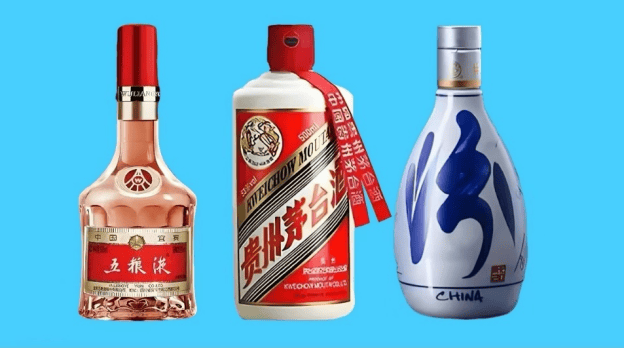
茅五汾最新共识:以消费者为中心,大刀阔斧改革
Sou Hu Cai Jing· 2026-01-04 08:35
Core Viewpoint - The launch of iMoutai on January 1, 2026, marks the beginning of Moutai's market-oriented reform and a significant transformation in the Chinese liquor industry, affecting manufacturers, distributors, and consumers alike [2][4][20]. Group 1: Market Reforms and Strategies - Moutai's chairman emphasized a consumer-centric approach to drive market-oriented transformation, while Wuliangye and Fenjiu also announced unprecedented reform measures during their dealer conferences [2][4][6]. - The 2025 dealer conference for Moutai introduced significant changes, including the cancellation of distribution and the establishment of an e-commerce company, which some dealers viewed as revolutionary [4][10]. - Wuliangye shifted its strategy from "co-discussion, co-construction, and sharing" to "consensus, co-construction, and sharing," reflecting the industry's adaptation to new trends [6][20]. Group 2: Consumer Focus and Market Challenges - The liquor industry is facing a challenging environment, with expectations of continued weak consumption in Q4 2025, influenced by a later Spring Festival compared to 2025 [4][20]. - Moutai aims to enhance consumer experience and loyalty by transitioning from selling products to selling lifestyles, focusing on emotional value and consumer rights protection [13][20]. - Fenjiu's strategy emphasizes co-creation with consumers, leveraging cultural and digital support to enhance emotional value [15][20]. Group 3: Channel Management and Inventory Control - All three companies are prioritizing healthy channel development, implementing measures to help distributors manage inventory and meet customer demands, while penalizing non-compliant distributors [10][20]. - Wuliangye terminated partnerships with 55 underperforming distributors, while Fenjiu took extensive actions against non-compliant distributors, including canceling contracts and conducting thousands of investigations [10][20]. Group 4: Product and Marketing Innovations - Moutai is focusing on a pyramid structure for its product lineup, emphasizing flagship products while stimulating demand for cultural and collectible items [20]. - Wuliangye is set to enhance its product strategy with a focus on new consumer demographics, including younger and female consumers, while also expanding into international markets [16][20]. - Fenjiu is developing new products aimed at younger consumers and is actively engaging in KOL/KOC marketing on platforms like Xiaohongshu and Douyin [18][20].
茅台2026经销商大会释放重磅消息:锚定消费者中心,领航市场化转型
Sou Hu Cai Jing· 2025-12-31 04:16
Core Insights - The 2026 National Distributor Conference of Kweichow Moutai emphasized a consumer-centric approach and the full-scale market-oriented transformation of Moutai liquor [1][3] - The conference marked a significant milestone in Moutai's efforts to unify manufacturers and distributors, signaling a strong commitment to transformation that will influence the entire liquor industry [3][4] Group 1: 2025 Performance and Strategy - In 2025, despite challenges in the liquor market, Moutai reported a total revenue of 130.9 billion yuan, a year-on-year increase of 6.32%, and a net profit of 64.6 billion yuan, up 6.25% [4][6] - The achievements were attributed to collaborative efforts among government, enterprises, and distributors, showcasing Moutai's resilience and market competitiveness [4][6] - Moutai's chairman highlighted 2025 as a year of overcoming challenges and building a solid foundation for high-quality development through strategic collaboration [6][7] Group 2: 2026 Transformation Goals - The year 2026 is identified as a critical period for Moutai's market-oriented transformation, with a focus on consumer-centric marketing strategies [8][10] - Moutai aims to enhance product alignment with consumer needs, improve channel resilience, and elevate service quality to ensure stable pricing and market conditions [10][11] - The company plans to transition from merely selling products to offering lifestyle experiences, thereby enhancing consumer satisfaction [10][11] Group 3: Industry Impact and Leadership - Moutai's transformation is seen as a pivotal shift from adapting to the market to leading it, with a strong emphasis on consumer needs [12][14] - The company's strategic adjustments are expected to serve as a benchmark for the entire liquor industry, encouraging a shift from traditional channel reliance to a focus on consumer engagement [14][15] - Moutai's approach to fostering a "manufacturer-distributor community" is anticipated to optimize industry relationships and promote mutual growth [14][15]
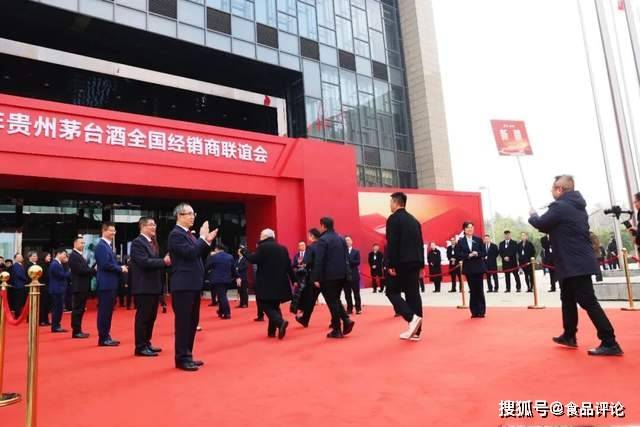
茅台锐意推进市场化转型 年度大会厂商凝聚共识
2 1 Shi Ji Jing Ji Bao Dao· 2025-12-30 00:17
Core Viewpoint - The article discusses the strategic transformation of Kweichow Moutai, focusing on a consumer-centric approach and market-oriented reforms to enhance its business operations in the face of ongoing industry adjustments and challenges [1][2][3]. Group 1: Market Transformation Strategy - Kweichow Moutai aims to implement a market-oriented transformation by prioritizing consumer needs, enhancing marketing strategies, and improving service levels across its product lines, including Moutai liquor and sauce-flavored liquor [2][12]. - The company emphasizes the importance of adapting to market changes, enhancing consumer engagement, and building a resilient channel ecosystem to ensure sustainable growth [7][20]. - The 2026 marketing strategy includes stabilizing supply and demand, ensuring reasonable pricing, and enhancing service quality to create a balanced market environment [12][21]. Group 2: Product Strategy - Moutai liquor will focus on a "pyramid" product structure, emphasizing the flagship 500ml Moutai liquor while optimizing the product mix to meet diverse consumer demands [16][17]. - The pricing strategy will shift towards market-driven pricing, aiming for a balance between supply and demand to stabilize market fluctuations [17][18]. - Sauce-flavored liquor will develop a "2+N" product system, targeting both mid-range and mass markets while ensuring competitive pricing aligned with consumer perceptions [24]. Group 3: Channel Development - The company plans to enhance its channel resilience by focusing on different consumer segments and purchasing habits, transitioning from a passive to an active sales approach [19][20]. - Kweichow Moutai will innovate its sales models by integrating online and offline channels, expanding into various sales formats to better reach consumers [19][20]. - The goal is to transform distributors from merely selling products to providing services and lifestyle solutions, fostering a collaborative relationship between manufacturers and distributors [20][25]. Group 4: Service Enhancement - The focus on consumer satisfaction will drive a shift from product sales to lifestyle offerings, enhancing the overall consumer experience through improved service and engagement [21][22]. - Moutai aims to build a comprehensive anti-counterfeiting system and enhance consumer rights protection to maintain brand integrity [22]. - The company will also invest in training and support for distributors to improve their service capabilities and operational efficiency [25].
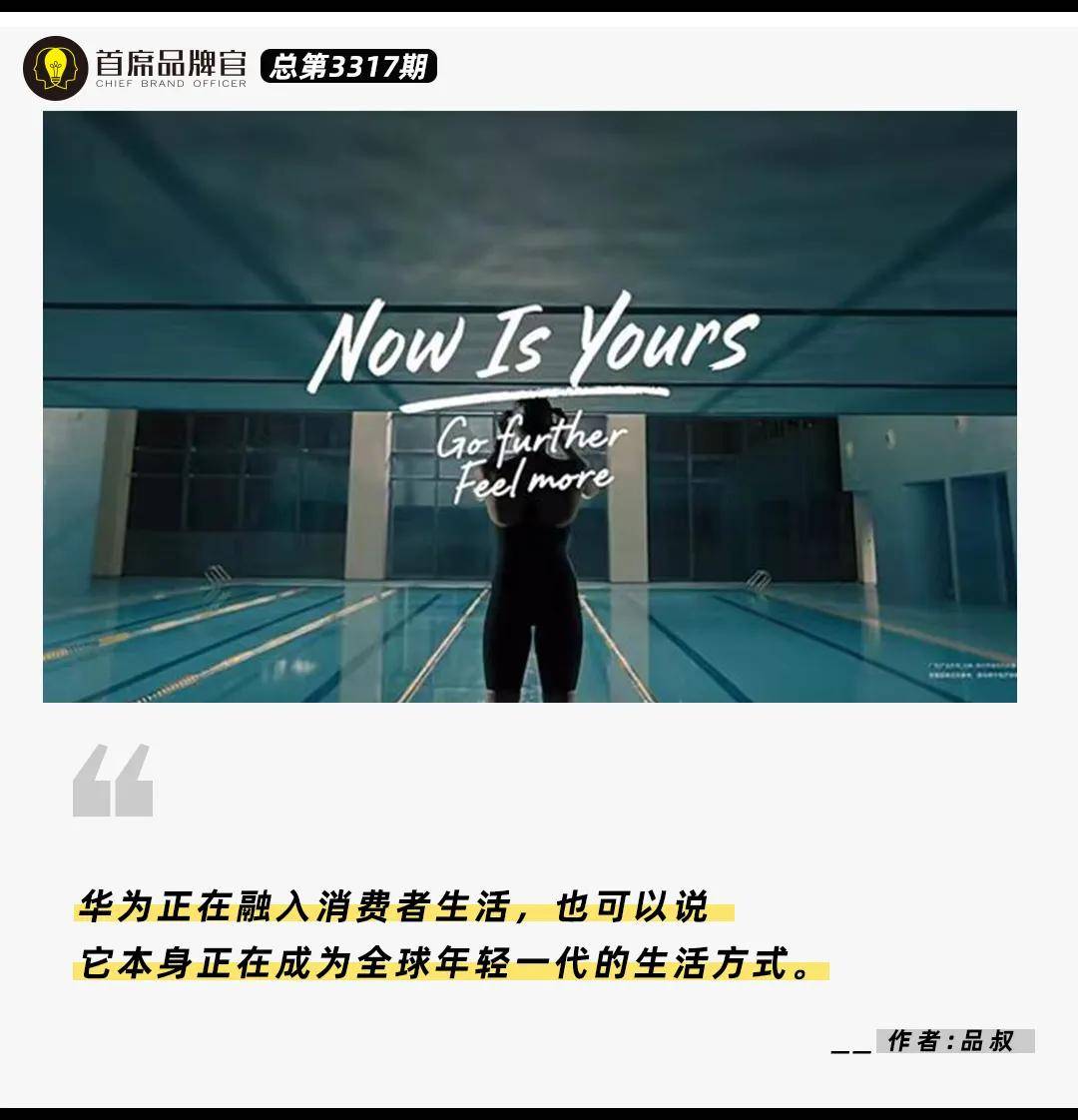
用户到底需要怎样的品牌?从华为Now is Yours主张说起
Sou Hu Cai Jing· 2025-12-28 09:04
Core Insights - The rise of a new generation of consumers is reshaping the technology market, making youth engagement a survival necessity for brands [3][4] - Traditional marketing strategies are becoming less effective as young consumers seek authenticity and emotional connection rather than mere product features [4][6] Group 1: Consumer Behavior - Young consumers are immersed in niche cultures such as esports and subcultures, valuing individuality and emotional resonance while being critical of overt marketing tactics [4][5] - The shift from template-based marketing to a more personalized approach is essential as consumers exhibit fatigue towards standardized advertising [4][7] Group 2: Brand Strategies - Huawei has shifted its focus from technical specifications to understanding and addressing consumer needs through relatable stories and user-centric design [5][10] - The introduction of features like the wheelchair mode in Huawei's products demonstrates a commitment to inclusivity and addressing specific user needs, reflecting a deeper understanding of diverse consumer requirements [10][14] Group 3: Market Positioning - Huawei's approach emphasizes long-term engagement with consumers, fostering a community around shared interests and experiences rather than just selling products [14][15] - The brand's success in wearable technology and other segments is attributed to its ability to integrate into consumers' daily lives, making technology a part of their community [15][21] Group 4: Future Trends - The technology industry is expected to face intensified competition for youth engagement, with brands needing to adapt to diverse consumer demands driven by emotional and experiential factors [24][25] - Companies must prioritize authentic emotional connections and support for self-expression among young consumers, moving away from traditional authoritative marketing styles [24][25]
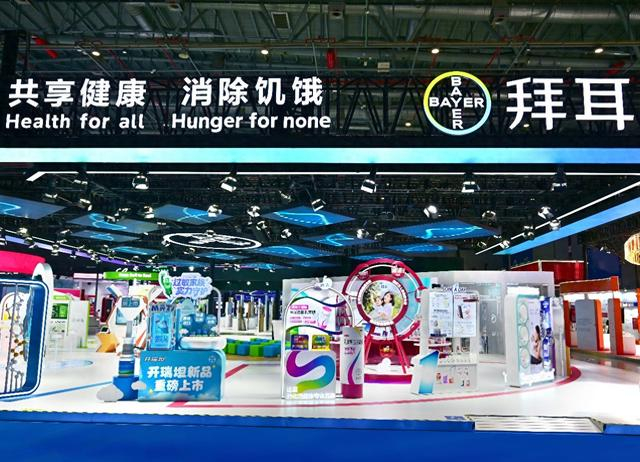
中国机会|以消费者为中心 拜耳加码协同创新,携手京东健康探索AI和全渠道布局
Xin Lang Cai Jing· 2025-11-10 05:57
Core Insights - The 8th China International Import Expo (CIIE) is being held from November 5 to 10 in Shanghai, showcasing a record scale of new products, technologies, and services, serving as a platform for global innovation collaboration and trade cooperation [1][2] - Bayer Health Consumer Products emphasizes an "open" innovation attitude, focusing on consumer-centric local collaborative innovations through its China Innovation Cooperation Center (CCIP) [1][2] Group 1: Event Overview - The CIIE has evolved from primarily introducing foreign products to a broader platform for value co-creation, including technology exchanges and cross-industry collaborations [2] - Bayer has established multiple significant agreements at the CIIE, launching several "CIIE babies," including two global firsts: Daxie® Lactulose Oral Solution and Beilexin® B5 Essence Diaper Cream [2] Group 2: AI Technology Application - Bayer is actively building an AI-driven innovation ecosystem in the health consumer sector, focusing on enhancing data foundations to improve business insights [4][5] - The company hosted a forum discussing how AI can meet consumer health needs and optimize the health consumer industry [5][6] Group 3: Consumer-Centric Innovation - With rising self-care demands, Bayer is restructuring its product and supply chain strategies to focus on consumer needs, establishing the CCIP to foster integrated innovation [8][9] - The Beilexin® B5 Essence Diaper Cream is a product developed through the CCIP, tailored to the specific needs of Chinese infants [9] Group 4: Manufacturing and Supply Chain - Bayer is investing 750 million yuan in a new supply center in Qidong, expected to be operational by 2028, to enhance production capacity for both domestic and export markets [11] - The company is shifting its channel strategy towards a "platform + pharmacy" model, collaborating with JD Health for comprehensive channel management [11][12] Group 5: Localization Strategy - Bayer's approach reflects a typical path for multinational companies adapting to the Chinese market, combining global experience with local insights through partnerships with local innovators and platforms [12]