商标侵权

Search documents
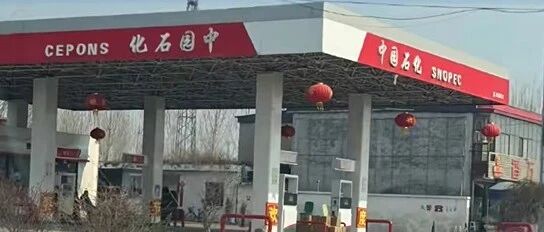
加完油才发现加油站是“中园石化”,网友质疑其“碰瓷”中国石化,涉事加油站回应!
新浪财经· 2026-03-24 09:50
Core Viewpoint - The article discusses a case of potential trademark infringement involving a gas station named "中园石化" (Zhongyuan Petrochemical), which has a name and logo similar to the well-known China Petroleum & Chemical Corporation (Sinopec), leading to consumer confusion [1][3]. Group 1: Company Name and Branding - A netizen reported confusion at a gas station named "中园石化," which closely resembles the name of Sinopec, raising concerns about consumer misidentification [1][3]. - The gas station's name "中园石化" features a red background with white letters, and the English abbreviation "SNOPEC" is only one letter different from Sinopec, making it easy to confuse [3]. - The operator of the gas station stated that they have been using this name for over ten years and possess a business license that was approved by relevant authorities [3]. Group 2: Regulatory Response - The local market supervision bureau indicated that determining trademark infringement requires a comprehensive assessment, including the station's branding and design, and they plan to conduct an on-site investigation [5]. - Previous cases, such as a gas station in Jiangsu that was fined for using a logo similar to Sinopec's, highlight the legal implications of such branding practices [7]. - The Jiangsu market supervision bureau emphasized that Sinopec is a well-known enterprise with significant brand recognition, and using a similar logo could be seen as an attempt to benefit from Sinopec's reputation [9]. Group 3: Industry Context - Similar gas stations named "中园石化" have been identified in other provinces, including Henan, Anhui, and Hunan, indicating a broader issue within the industry regarding brand similarity and consumer confusion [6].


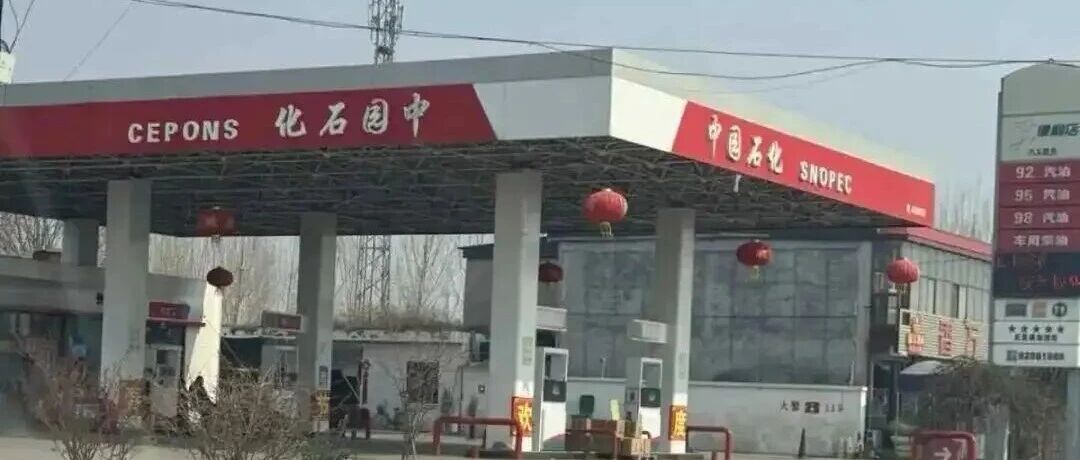
“中园石化”太像“中国石化”?涉事加油站称名字经过审批
第一财经· 2026-03-24 09:22
Core Viewpoint - The article discusses the confusion caused by the name similarity between "中园石化" (Zhongyuan Petrochemical) and "中国石化" (China Petroleum & Chemical Corporation), highlighting potential trademark infringement issues in the fuel retail industry [3][11]. Group 1: Company Overview - "中园石化" operates a gas station in Shijiazhuang, Hebei, established in August 2010 with a registered capital of 200,000 RMB [8]. - The gas station's business scope includes retail of refined oil, lubricants, and car wash services, and it is classified as a sole proprietorship [8][9]. - The owner, Yang Wuchen, has been operating the gas station for over 10 years and claims the name has been approved by relevant authorities [7][8]. Group 2: Trademark Issues - The name "中园石化" is similar to "中国石化," which has led to confusion among consumers, as evidenced by a recent incident where a customer mistook the former for the latter due to the similarity in branding [7][10]. - Previous cases have shown that similar names and branding have resulted in legal actions against gas stations for trademark infringement, with fines imposed for using names that could mislead consumers [10]. - Regulatory bodies have indicated that determining infringement requires a comprehensive assessment of the branding and operational practices of the gas stations involved [9][10].
万亿零售巨头售假?雅诗兰黛起诉沃尔玛
2 1 Shi Ji Jing Ji Bao Dao· 2026-02-12 09:57
Core Viewpoint - Estée Lauder has filed a lawsuit against Walmart, accusing the retail giant of selling counterfeit products from its brands, including Aveda, Clinique, La Mer, Le Labo, and Tom Ford, through its official website [2][3] Group 1: Lawsuit Details - The lawsuit claims trademark infringement, sale of counterfeit goods, and false origin labeling by Walmart, which allegedly uses Estée Lauder's trademarks for search engine optimization to attract traffic and profit [2] - Estée Lauder has tested some of the suspected counterfeit products and confirmed they were not produced by the company, accusing Walmart of insufficient oversight of product authenticity on its website [3] - The company seeks unspecified economic damages and an injunction to prevent Walmart from selling the alleged counterfeit products [3] Group 2: Consumer Reactions - Many Chinese consumers have expressed dissatisfaction on social media, claiming to have purchased suspected counterfeit skincare products from Walmart and Sam's Club [4] - Some consumers reported buying products at prices lower than those at official stores, leading to suspicions of counterfeit goods [6] Group 3: Financial Performance - Estée Lauder's fragrance business is experiencing growth, particularly among Gen Z consumers, with a 6% increase in net sales to $4.2 billion in Q2 of FY2026, driven by skincare and fragrance categories [5] - The skincare segment, supported by brands like La Mer and The Ordinary, has the highest sales contribution, while the fragrance segment also saw a 6% increase, led by Le Labo and Tom Ford [5] Group 4: Impact on Brands - The presence of counterfeit products could divert target customers and impact the sales of genuine products, potentially diminishing the brand's established premium pricing [5][7] - Estée Lauder's sales are reliant on diverse channels, including Walmart, and the sale of counterfeit products by Walmart could significantly affect Estée Lauder's performance in overlapping markets [7] Group 5: Walmart's Business Overview - Walmart's retail business in the U.S. generated $462.4 billion in revenue, accounting for 67.9% of total revenue, with significant contributions from its Sam's Club segment [8] - Walmart's sales in China reached approximately $20.3 billion in FY2025, marking a new high, with Sam's Club contributing positively to this growth [8]


严厉打击商标侵权等违法行为 市场监管总局发布知识产权执法十起典型案件(新华网)
Xin Hua Wang· 2026-02-11 09:59
Core Viewpoint - The State Administration for Market Regulation (SAMR) is intensifying efforts to combat intellectual property violations, particularly trademark infringement, with a focus on protecting brand development and ensuring fair market practices [3]. Group 1: Enforcement Actions - In 2025, SAMR handled a total of 37,000 cases of various violations, involving an amount of 677 million yuan, and referred 1,130 cases to judicial authorities for suspected criminal activities [3]. - Ten typical cases of intellectual property infringement were highlighted, involving various brands such as "GUCCI," "Nike," and "Dyson," across multiple provinces [2][3]. Group 2: Collaboration Mechanisms - SAMR has established a "Brand Protection Government-Enterprise Cooperation Mechanism" to enhance collaboration between regulatory bodies and enterprises, ensuring timely responses to reports of infringement [3]. - Over 80 enterprises in Jiangsu have joined this cooperation mechanism, helping recover over 38 million yuan in economic losses for 12 companies [4]. Group 3: Industry-Specific Focus - The enforcement efforts are particularly concentrated in key industries such as food manufacturing, general equipment manufacturing, pharmaceuticals, textiles, and software services [4]. - In Chongqing, SAMR has strengthened protection for the automotive and motorcycle industries, addressing 75 cases of infringement related to automotive parts [4].

雅诗兰黛起诉沃尔玛销售假冒美容产品
Xin Lang Cai Jing· 2026-02-10 23:13
Core Viewpoint - Estée Lauder has filed a lawsuit against Walmart, accusing the retailer of selling counterfeit beauty products on its website and failing to take adequate measures to ensure that only authorized and genuine products are provided to consumers [1][2][3] Group 1: Lawsuit Details - The lawsuit claims that Estée Lauder has tested various products sold on Walmart's platform, including those branded with Le Labo, La Mer, Clinique, Aveda, Tom Ford, and Estée Lauder, and found them to be counterfeit [1][2] - Specific counterfeit products mentioned include Estée Lauder's Advanced Night Repair serum, Le Labo perfumes, Clinique eye cream, La Mer lotion, Aveda combs, and Tom Ford perfumes [1][2] Group 2: Walmart's Role - Estée Lauder asserts that Walmart plays an active role in facilitating the sales of these counterfeit products, describing Walmart's actions as "extreme, outrageous, fraudulent... despicable and harmful" [1][3] - The lawsuit states that these counterfeit products are promoted and advertised on Walmart's platform, using Estée Lauder's trademarks for search engine optimization to attract traffic to these product pages, from which Walmart profits [1][3] Group 3: Consumer Confusion - The lawsuit highlights that consumers shopping on Walmart's website have reason to believe that Walmart, rather than third-party sellers, is the seller of the products, which could lead to consumer confusion [1][3] - Estée Lauder claims that while Walmart promotes the "reputation and expertise" of its authorized sellers, it has taken "almost no measures" to ensure that only authorized genuine products are sold on its platform [2][3]
Autodesk就AI影视制作软件起诉谷歌
Xin Lang Cai Jing· 2026-02-09 17:02
Core Viewpoint - Autodesk has filed a lawsuit against Google, accusing the latter of trademark infringement regarding the "Flow" name used for competitive AI software in film, television, and video game production [1][3]. Group 1: Lawsuit Details - The lawsuit was submitted to the U.S. Federal Court in San Francisco, stating that Autodesk has been using "Flow" for visual effects, production management, and related products since September 2022 [1][3]. - Google is alleged to have launched its Flow software for the same customer base in May 2025, which surprised Autodesk [1][3]. - Autodesk claims that Google assured them it would not commercialize Flow but subsequently applied for trademark registration in Tonga, where applications are typically not publicly disclosed [1][3]. Group 2: Allegations Against Google - The lawsuit accuses Google of using the Tonga application to seek similar trademark protection in the U.S. and promoting Flow software at industry events like the Sundance Film Festival [1][3]. - Autodesk's filing states that Google's false promises aimed to buy time to capture Autodesk's market share, potentially suppressing Autodesk's Flow products and trademark [1][3]. Group 3: Company Context - As of last Friday, Autodesk's market capitalization was approximately $51 billion, while Google's parent company Alphabet had a market cap of about $3.9 trillion [1][3]. - Autodesk is seeking unspecified compensatory and punitive damages for consumer confusion and alleged irreparable harm caused by Google's actions [5]. - Last month, Autodesk announced plans to lay off around 1,000 employees, representing 7% of its workforce, to redirect funds towards cloud and AI business initiatives [5].


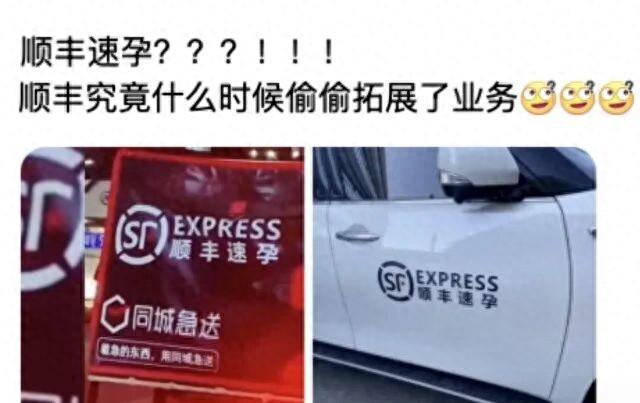
“顺丰速孕”碰瓷“顺丰速运”?法院判了
Bei Jing Qing Nian Bao· 2026-02-08 16:38
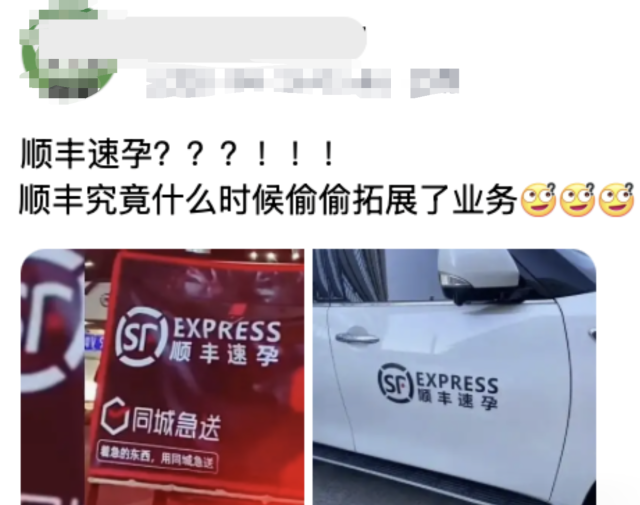
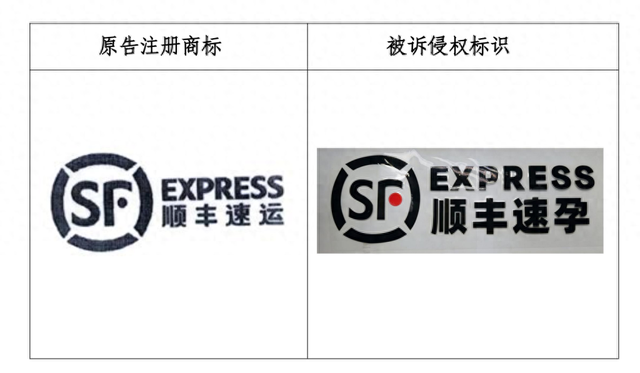
Core Viewpoint - The Guangzhou Intellectual Property Court ruled in favor of SF Express, recognizing "SF Express" as a well-known trademark and determining that the "SF Pregnancy" car stickers sold by the defendant constituted trademark infringement due to their similarity and derogatory impact on the brand's reputation [1][5][7]. Group 1: Trademark Infringement Case - SF Express filed a lawsuit against the defendant, Shop Xiao Er, for trademark infringement after discovering the sale of "SF Pregnancy" car stickers that closely resembled its trademark [1][4]. - The defendant argued that "SF Pregnancy" was a humorous expression and that consumers purchased it for aesthetic reasons, not intending to infringe [4]. - The court found that the "SF Express" trademark had been recognized as a well-known trademark since 2010, meeting the legal criteria for such recognition [5]. Group 2: Court's Ruling and Implications - The court ruled that the "SF Pregnancy" stickers not only infringed on the trademark but also violated public morals by trivializing women's reproductive experiences and damaging the professional reputation of SF Express [7]. - The court ordered the defendant to compensate SF Express for economic losses and other expenses totaling 200,000 yuan, and to publish a statement in the media to mitigate the negative impact [7]. Group 3: Market Response and Cultural Context - Prior to the ruling, there were reports of multiple sellers on e-commerce platforms offering "SF Pregnancy" stickers, priced between 5 to 20 yuan, with some sellers claiming high sales volumes [8]. - Public sentiment reflected discomfort with the stickers, with some netizens supporting SF Express's legal action against the perceived vulgarity of the product [9]. - SF Express emphasized the promotion of positive cultural expressions and stated its commitment to protecting its brand against unauthorized sales of related materials [11].
“顺丰速孕”恶仿“顺丰速运”,法院:侵权,判赔20万
Xin Lang Cai Jing· 2026-02-07 15:18
Core Viewpoint - The Guangzhou Intellectual Property Court ruled in favor of SF Express in a trademark infringement case against a company selling "SF Speed Pregnancy" car stickers, ordering the defendant to pay 200,000 yuan in damages and publish a statement to mitigate negative impact [2][3][5]. Group 1: Case Background - The case was filed on June 30, 2025, and the court hearing took place on October 13, 2025 [3]. - SF Express claimed that the defendant's product closely resembled its registered trademark "SF Express," constituting trademark infringement due to the similarity in wording and logo [3][4]. Group 2: Defendant's Argument - The defendant argued that their product did not constitute trademark infringement as it fell under different product categories (Class 16 and Class 28) compared to SF Express's services (Class 39) [4]. - They claimed the term "Speed Pregnancy" was a humorous expression and not a commercial use of the trademark, suggesting that consumers purchased the stickers for aesthetic reasons [4]. Group 3: Court's Ruling - The court found that the defendant's use of the trademark weakened its distinctiveness and damaged its market reputation, constituting trademark infringement [5][8]. - The court emphasized that the defendant's actions were not creative expression but rather a form of lowbrow marketing that disrespected women's experiences and undermined the brand's professional image [5][8]. Group 4: Outcome and Implications - The court ordered the defendant to pay 200,000 yuan in damages and to publish a statement to mitigate the negative impact of their actions [2][8]. - The case serves as a warning that using puns or homophones related to established trademarks can lead to legal consequences [8].
市场监管总局:持续加大查办知识产权大案要案力度
Xin Lang Cai Jing· 2026-02-07 14:37
Core Viewpoint - The market regulatory authorities are significantly increasing their efforts in handling major intellectual property (IP) cases, with a focus on enhancing enforcement capabilities and collaboration among various departments [1][3]. Group 1: Enforcement Strategies - The enforcement of IP cases is described as a systematic project that requires legal support, a high-quality enforcement team, inter-departmental collaboration, and social governance [3]. - The focus will be on comprehensively strengthening the crackdown on trademark infringement, which is considered a key task in IP enforcement, with an emphasis on investigating major cases to support the healthy development of brand enterprises [3]. Group 2: Institutional Development - The market regulatory authority is currently working on developing a series of regulations, including the "Rules for Identifying Similar Trademark Infringement in Market Regulation Administrative Law Enforcement," to continuously improve the IP enforcement institutional framework [4]. Group 3: Collaborative Efforts - There will be an enhancement of collaboration between market regulatory departments and judicial authorities to form a unified effort in combating IP violations, thereby improving enforcement effectiveness [4]. Group 4: Social Governance - The authorities aim to leverage the role of rights holders by establishing a "Brand Protection - Government-Enterprise Cooperation Mechanism" and will urge e-commerce platforms to fulfill their responsibilities, thereby enhancing IP enforcement capabilities in the internet sector [4]. Group 5: Team Development - A specialized talent development initiative for IP enforcement personnel will be launched to build a high-quality professional enforcement team [4].
多地出现“顺丰速孕”,法院判了
Xin Lang Cai Jing· 2026-02-07 03:13
Core Viewpoint - The Guangzhou Intellectual Property Court ruled in favor of SF Express, recognizing "SF Express" as a well-known trademark and determining that the "SF Pregnancy" car stickers sold by the defendant constituted trademark infringement due to their similarity and derogatory impact on the brand's reputation [1][4][6]. Group 1: Trademark Infringement Case - SF Express filed a lawsuit against the defendant, Shop Xiao Er, for trademark infringement after discovering the sale of "SF Pregnancy" car stickers that closely resembled its trademark [1][4]. - The defendant argued that "SF Pregnancy" was a humorous expression and should not be classified as infringement, claiming consumers purchased it for aesthetic reasons [4]. - The court found that the "SF Express" trademark had been recognized as a well-known trademark since 2010, meeting the legal criteria for such recognition [4]. Group 2: Court Ruling and Consequences - The court ruled that the "SF Pregnancy" stickers not only infringed on the trademark but also violated public morals, damaging the professional and efficient reputation of SF Express [6][9]. - The court ordered the defendant to compensate SF Express a total of 200,000 yuan for economic losses and other expenses, and to publish a statement in the media to mitigate the negative impact [6][9]. - As of now, the "SF Pregnancy" stickers are no longer available on multiple e-commerce platforms [7].