
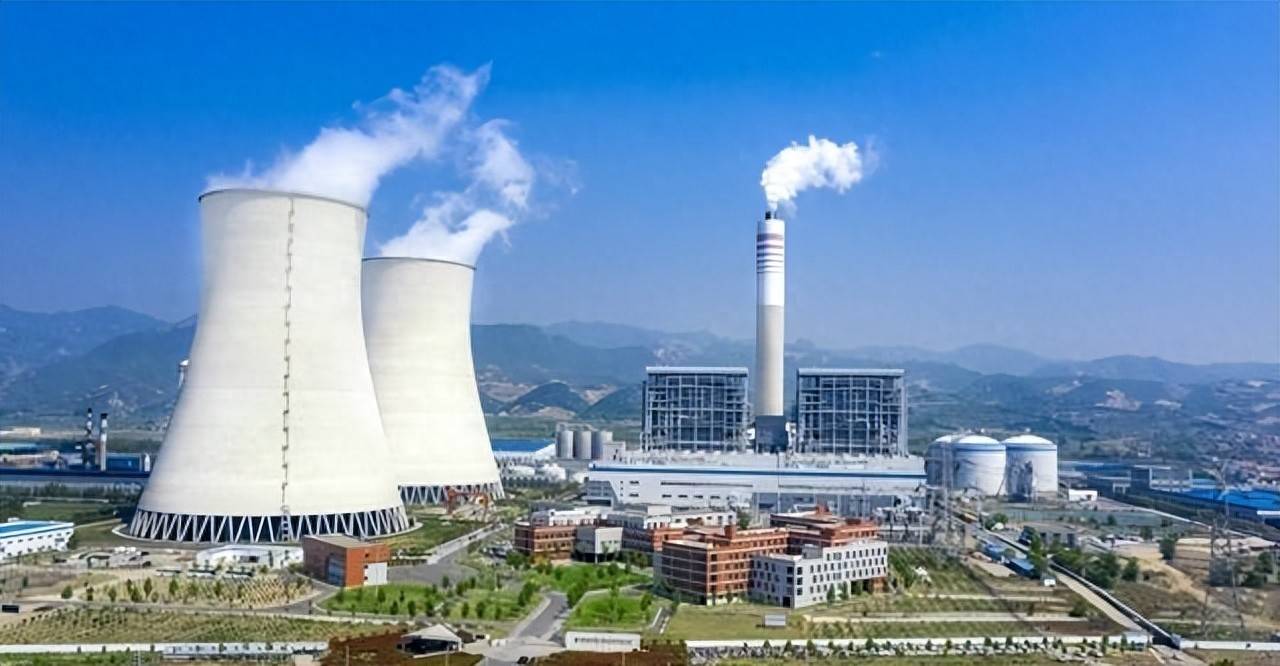
盐穴压缩空气储能电站

Search documents
全省重点项目建设奋力冲刺一季度目标任务擂响“奋进鼓” 护航“开门红”
Xin Hua Ri Bao· 2026-02-25 00:14
Core Viewpoint - Jiangsu province is experiencing a surge in construction activity for major projects, aiming to boost high-quality development in the new year through diligent efforts and timely execution of tasks [1] Group 1: Major Projects and Developments - The Huaneng Jintan Salt Cave Compressed Air Energy Storage Project is under construction, featuring two 350 MW non-reburning compressed air storage units, expected to start operation mid-year, capable of storing 2.8 million kWh of electricity and reducing CO2 emissions by 520,000 tons annually [2] - The Huaneng Nantong Gas Turbine Innovation Development Demonstration Project is progressing, with two 745 MW gas-steam combined cycle units projected to generate 5.2 billion kWh annually, reducing coal consumption by approximately 1.37 million tons [3] - The Delijia Phase III Wind Power Key Component Project is nearing completion, with production expected to start in March, contributing to the renewable energy sector [3] Group 2: Transportation Infrastructure - The Zhang Jinggao Yangtze River Bridge is actively under construction, with safety training and checks being conducted to ensure a smooth continuation of work [4] - The Nanjing North Station project, a key high-speed rail hub, is in full swing, with management and workers quickly transitioning to a focused work mode post-holiday [4] - The Suzhou Heshan Bridge reconstruction project is enhancing capacity by widening the bridge and increasing clearance, aimed at improving navigation on the Suzhou section of the Grand Canal [5] Group 3: Government Support and Workforce Management - Local government initiatives are in place to support the resumption of work, including transportation for returning workers and job fairs to address labor shortages [7] - Measures such as optimizing logistics, enhancing labor guarantees, and streamlining approval processes are being implemented to facilitate project construction and ensure a stable start to the year [7]
不缺电的中国,为何还在狂建发电厂?美媒:中国在造能源长城!
Sou Hu Cai Jing· 2026-02-09 10:41
Core Insights - China's electricity generation is projected to exceed 10 trillion kilowatt-hours in 2024, more than double that of the United States, with a self-sufficiency rate above 80% [1][21] - The construction of new power plants is a strategic move to prepare for increasing electricity demand driven by economic growth and emerging industries like AI and electric vehicles [1][5] - China leads the world in renewable energy projects, with two-thirds of global wind and solar projects under construction, totaling 339 gigawatts, capable of powering 250 million households [3][19] Group 1: Energy Demand and Supply - The total electricity consumption in China is expected to reach nearly 10 trillion kilowatt-hours in 2024, with projections to exceed 13 trillion by 2030, driven by sectors such as electric vehicles and data centers [5][13] - The increase in electricity demand necessitates the construction of new power plants, primarily focusing on clean energy sources like wind, solar, hydro, and nuclear [5][21] Group 2: Renewable Energy Initiatives - China has completed its renewable energy target six years ahead of schedule, with a significant focus on solar and wind energy, which are expected to account for 40% of electricity supply by 2030 [3][13] - The "Energy Great Wall" project in the Kubuqi Desert symbolizes China's commitment to renewable energy and ecological restoration, showcasing the dual benefits of energy generation and environmental protection [3][19] Group 3: Energy Security and Technological Advancements - Energy security is a priority for China, which relies heavily on imported fossil fuels; increasing domestic renewable energy production is essential to reduce this dependency [7][15] - The development of energy storage technologies, such as the 300-megawatt compressed air storage project in Hubei, is crucial for stabilizing the electricity supply from renewable sources [9][17] Group 4: Global Impact and Future Outlook - China's advancements in renewable energy technology position it as a leader in global decarbonization efforts, with significant exports of solar equipment to Europe and Africa [11][19] - The country's electricity generation capacity is expected to reach nearly 3.9 trillion watts by the end of 2025, with a substantial shift towards non-fossil fuel energy sources [21][22]

山东肥城:一块钠离子电池“惊艳”突破的背后
Xin Hua Wang· 2025-12-10 02:10
Group 1: Smart Computing and Economic Transformation - The first smart computing application demonstration project in Feicheng has officially started operations, featuring a 100P high-performance computing center to boost the regional digital economy [1] - The project was signed within 300 hours of initial meetings, showcasing rapid development and strong attraction effects in Feicheng's recent initiatives [1] - Feicheng is transitioning from a traditional coal city to a "storage energy capital" and is focusing on strategic emerging industries and future industries to enhance economic quality and promote green transformation [1] Group 2: Sodium-Ion Battery Development - Shandong Zero One Four Advanced Materials Co., Ltd. is set to complete a 10GWh Prussian blue-based sodium-ion battery production line by 2026, with an expected annual output value of 1 billion yuan [2] - Sodium-ion batteries offer significant advantages in low-temperature performance, safety, and cost, making them particularly suitable for the energy storage market [2] - The local government has developed a comprehensive strategy for the sodium-ion battery industry, aiming to transition from breakthrough points to industry-wide aggregation [2] Group 3: Financial Support and Innovation - Feicheng provides multi-level capital tools, including angel investment and venture capital funds, to empower enterprise development [3] - A 23 million yuan technology achievement transformation loan has enabled Shandong Zero One Four to focus on research and development [3] - The dual-driven model of "capital + technology" is key to overcoming challenges related to long R&D cycles and high investment risks [3] Group 4: Energy Storage Projects - The 2×300MW salt cavern compressed air energy storage project in Feicheng is set to achieve full capacity grid connection by September next year, acting as a large "power bank" to balance electricity supply and demand [4] - Feicheng is developing a complete industrial development path for salt cavern energy storage, with a total installed capacity of 3480MW across various projects [4] - Once fully operational, these projects are expected to generate 6 billion kWh of electricity annually, reduce CO2 emissions by over 5.6 million tons, and achieve annual revenue exceeding 28.5 billion yuan [4] Group 5: Traditional Industry Optimization - The Shiheng Special Steel Group has become the only national digital leading enterprise in the steel industry in the province, implementing over 280 AI applications for full-process digital management [5] - During the 14th Five-Year Plan period, Feicheng has cultivated a total of 6 national and 20 provincial manufacturing champions, along with numerous digital transformation benchmarks [5] - The city aims to continue promoting its dominant industries, including new energy, new materials, and high-end chemicals, while building a modern industrial system characterized by intelligence, greenness, and integration [5]

一块钠离子电池“惊艳”突破的背后
Da Zhong Ri Bao· 2025-12-10 01:00
Core Viewpoint - The article highlights the successful integration of technological and industrial innovation in Feicheng, showcasing its transformation from a traditional coal city to a hub for new energy and materials, particularly through advancements in sodium-ion battery technology and energy storage solutions [2][3][5]. Group 1: Technological Advancements - Feicheng has launched its first intelligent computing application demonstration project, which will create a 100P high-performance computing center, significantly boosting the regional digital economy [2]. - The sodium-ion battery production line at Shandong Zero One Four Advanced Materials Co., Ltd. is expected to achieve an annual output value of 1 billion yuan by 2026, demonstrating the cost-effectiveness and safety advantages of sodium-ion batteries over lithium-ion batteries [3]. - The global first sodium-ion energy storage battery utilizing the Prussian blue technology has been delivered from Feicheng, indicating the city's leading position in the sodium battery industry [3]. Group 2: Strategic Planning and Support - Feicheng has developed a comprehensive development strategy for the "Tai Mountain Lithium Valley," focusing on nurturing new industries and enhancing existing ones through a full-chain innovation service platform [3]. - The local government provides multi-level capital support, including angel investment and venture capital, to empower enterprises throughout their development process [4]. Group 3: Energy Storage Initiatives - The underground salt cavern energy storage project in Feicheng is set to achieve full capacity grid connection by September next year, with a total installed capacity of 3,480 MW, capable of generating 6 billion kWh annually and reducing carbon emissions by over 5.6 million tons [5]. - The project aims to stabilize the power grid by storing energy during low demand and releasing it during peak demand, showcasing Feicheng's commitment to innovative energy solutions [5]. Group 4: Industrial Optimization - Feicheng is not only focusing on new industries but also optimizing traditional industries, as seen in the digital transformation of Shiheng Special Steel Group, which has implemented 280 AI applications for comprehensive digital management [6]. - The city has achieved significant milestones in manufacturing, with six national and 20 provincial champions, and has cultivated numerous digital transformation benchmarks [6].
山东向新逐绿加快建设新型能源体系
Xin Hua She· 2025-11-28 04:20
Core Insights - The article highlights the innovative use of flexible microgrid systems in Shandong Province, showcasing the integration of renewable energy technologies to enhance energy efficiency and sustainability [1][3][4] Group 1: Microgrid and Renewable Energy Utilization - The TaiKai Industrial Park has implemented a flexible microgrid system that utilizes rooftop solar panels, energy storage batteries, and electric vehicles as mobile energy units, achieving 100% on-site utilization of green electricity [1][3] - The park generates approximately 11 million kilowatt-hours of green electricity annually, saving over 5 million yuan in electricity costs and reducing carbon dioxide emissions by over 9,300 tons [3] Group 2: Wind Energy Development - The Dongying Economic and Technological Development Zone has successfully integrated a 26-megawatt offshore wind turbine into the grid, capable of generating 62 kilowatt-hours per rotation [3] - Under optimal conditions, this wind turbine can produce an annual output of 100 million kilowatt-hours, sufficient to meet the annual electricity needs of 55,000 households, while saving 30,000 tons of standard coal and reducing carbon emissions by 80,000 tons [3] Group 3: Energy Storage Innovations - The abandoned salt caverns in Feicheng have been repurposed for compressed air energy storage, with the "Nengchu 1" project designed to store energy for 8 hours and release it for 4 hours, generating an annual output of 460 million kilowatt-hours [4] - This output is equivalent to the annual electricity consumption of over 200,000 households, demonstrating the potential of innovative energy storage solutions in the region [4] Group 4: Non-Fossil Energy Growth - During the 14th Five-Year Plan period, Shandong's non-fossil energy generation capacity has surpassed that of coal power for the first time, with installed capacity reaching 134 million kilowatts, a 2.8-fold increase from 2020 [4] - Non-fossil energy now accounts for 53.4% of the total installed power capacity in the province, indicating a significant shift towards sustainable energy sources [4]
山东肥城:新兴产业培育壮大 未来产业前瞻布局
Zhong Guo Jing Ji Wang· 2025-11-04 05:38
Group 1: Lithium Battery Recycling and Production - Fengrong New Materials Co., Ltd. has established a 200,000-ton lithium battery physical recycling project, achieving a lithium recovery rate at the top level in China, with copper and aluminum recovery rates reaching 98% [1] - The company has added a new production line for recycling 10,000 tons/year of waste lithium batteries and another line for recycling 15,000 tons/year of waste battery electrodes, currently in trial operation [1] - The total processing capacity has reached 20,000 tons of waste lithium battery materials and 30,000 tons of waste battery electrode materials annually, significantly improving production efficiency and process quality [1] Group 2: Sodium-Ion Battery Development - The Zero One Four Company in Feicheng is producing sodium-ion battery cells on an intelligent production line, highlighting the low-cost advantage and extreme environmental adaptability of sodium-ion batteries [2] - Feicheng has formed a strategic partnership with Weichai Power to create a sodium-ion battery industry cluster worth billions, alongside the advancement of the first domestic 10,000-ton single-wall carbon nanotube conductive slurry project [2] - The new battery electrode materials industry cluster in Feicheng includes 137 enterprises, showcasing the growth of the new energy sector [2] Group 3: Salt Cavern Energy Storage - The China Electric Power Construction Group is developing a 2×300MW salt cavern compressed air energy storage project, utilizing a natural gas storage facility 1,300 meters underground with a total capacity of 900,000 cubic meters [3] - This project aims to act as an "electricity bank," storing energy during low demand and releasing it during peak demand, thus stabilizing grid fluctuations [3] - Feicheng is emerging as a significant base for salt cavern energy storage, with multiple projects recognized as major technological equipment in the energy sector, contributing to a total installed capacity of 3,480MW [3]
常州上半年新能源汽车整车产量超三十九万辆、增长逾四成准万亿产业,驱动“智造名城”加速跑
Xin Hua Ri Bao· 2025-08-08 00:19
Core Insights - The rapid development of the new energy industry in Changzhou is creating a "trillion-level" industrial landmark, with significant contributions from electric vehicles and energy storage projects [1][6] - Changzhou's new energy vehicle industry saw a sales revenue exceeding 470 billion yuan, a growth of 9.4%, and a vehicle production increase of 42.3% in the first half of the year [1] - The collaboration within the supply chain is a key factor in the competitiveness of Changzhou's new energy sector, with over 900 automotive parts companies established in the region [2][3] Industry Performance - In the first half of the year, Changzhou's GDP grew by 5.8%, with public budget revenue reaching 40.6 billion yuan, an increase of 1.8% [1] - The power consumption in the industrial sector increased by 4.2%, ranking first in southern Jiangsu [1] Supply Chain Dynamics - Vestas, the world's leading wind turbine manufacturer, has recognized Changzhou Yougu Technology as a major supplier due to its precision manufacturing capabilities [2] - The local supply chain includes over 500 parts manufacturers within a 4-hour radius of Li Auto's production base, enhancing efficiency and reducing costs [2] Technological Advancements - Niu Technologies has achieved significant milestones in electric two-wheeler production, reaching 8 million units in just two months, showcasing rapid innovation in the supply chain [4] - The Huaneng Jintan compressed air energy storage project is being developed to utilize local geological advantages, with 100% localization of core equipment [5] Future Outlook - By 2024, the new energy industry in Changzhou is expected to exceed 850 billion yuan, with vehicle production nearing 800,000 units [6] - The region is positioning itself for future growth, with significant investments in battery production and other new energy projects, aiming to become a "trillion-level" industry by the end of this year [6]
