磷酸铁锂电池储能系统

Search documents
光储行业跟踪:3月光伏组件排产提升,硅料价格下探
Shanghai Aijian Securities· 2026-03-16 07:22
Investment Rating - The industry is rated as "Outperform" compared to the market [2][34]. Core Insights - In March 2026, the production of photovoltaic (PV) modules is expected to increase significantly, with overall production reaching 44-45 GW, a month-on-month increase of approximately 28-29%. Domestic production is projected to be 32-33 GW, while overseas production is expected to rise to 11-12 GW [2]. - The lithium battery production in China is forecasted to reach 219 GWh in March 2026, reflecting a month-on-month increase of 16.5%, indicating a strong recovery in industry capacity [2]. - The prices of polysilicon and silicon wafers have shown a downward trend, with polysilicon prices at 46.50 CNY/kg and N-type silicon wafers at 105 CNY/piece as of March 11, 2026 [2][8]. - The average bidding price for lithium iron phosphate battery energy storage systems has increased by 1.62% month-on-month and 11.69% year-on-year, indicating rising cost pressures in the supply chain [2]. Summary by Sections Production - The production of PV modules is expected to rise significantly in March 2026, with domestic and overseas markets showing varied performance [2][5]. Prices - Polysilicon prices have decreased slightly, while the prices of various PV components have shown mixed trends, with some remaining stable and others declining [2][8]. Domestic Demand - In December 2025, the domestic PV installation capacity reached 40.11 GW, a year-on-year increase of 82.15%, despite a month-on-month decline of 43.40% [2][21]. Overseas Demand - In December 2025, the export value of PV modules was approximately 2.314 billion USD, reflecting a year-on-year growth of 18.22%. The inverter export value also increased significantly, indicating strong overseas demand [2][27].





新华指数丨新华出海电新指数领涨近4% 风电设备行业盈利能力或迎修复?
Xin Hua Cai Jing· 2026-02-27 12:23
Core Viewpoint - The A-share market has shown a positive start for offshore-related sectors, with the Xinhua Offshore Electric New Index rising by 3.82%, significantly outperforming the market, driven by the wind power equipment sector, particularly Goldwind Technology, which saw a weekly stock price increase of 14.26% [1] Group 1: Industry Growth and Policy Support - The Chinese wind power industry is experiencing high-quality development through technological breakthroughs and global expansion, supported by favorable policies and a rapidly growing domestic market [1] - The National Energy Administration plans to revise the Renewable Energy Law and implement the "14th Five-Year" renewable energy development plan, which includes establishing wind and solar bases in various regions, providing long-term policy support for the wind power industry [1] - By 2025, China's wind power industry is expected to add 130.82 GW of new installed capacity, a year-on-year increase of 49.9%, with an average wind turbine power of 7.16 MW, up 18.3% [1] Group 2: Export Growth and Global Competitiveness - In 2025, China's wind turbine exports are projected to reach 7.73 GW, a year-on-year increase of 48.9%, with total cumulative exports reaching 28.52 GW by the end of the year [2] - Chinese wind power companies have significantly improved their global market competitiveness, with eight out of the top ten global wind turbine manufacturers being Chinese, led by Goldwind Technology [2] - International orders for Chinese wind turbine manufacturers surged by 66% in 2025, with Chinese firms capturing 95% of the installed capacity orders in the Middle East and Africa [2] Group 3: Vertical Integration and New Growth Opportunities - Leading Chinese wind power companies are extending their reach along the supply chain to enhance core competitiveness and open new growth avenues through vertical integration [3] - Goldwind Technology has begun providing bio-methanol, creating a closed-loop industry chain of "green electricity - green hydrogen - green methanol," while other companies like Envision Energy and Mingyang Smart Energy are also expanding into energy storage and power station operations [3] Group 4: Market Performance and Future Outlook - The Chinese wind power industry has transitioned from "catching up" to "leading," with a general recovery in wind turbine bidding prices indicating improved profitability expected by 2026 [4] - The Xinhua Offshore Index and other related indices have shown positive weekly performance, with significant gains in stocks related to power generation and electronic components [4][5]


陕西首个“飞轮+磷酸铁锂”混合储能联合调频项目并网
Xin Lang Cai Jing· 2026-02-27 10:31
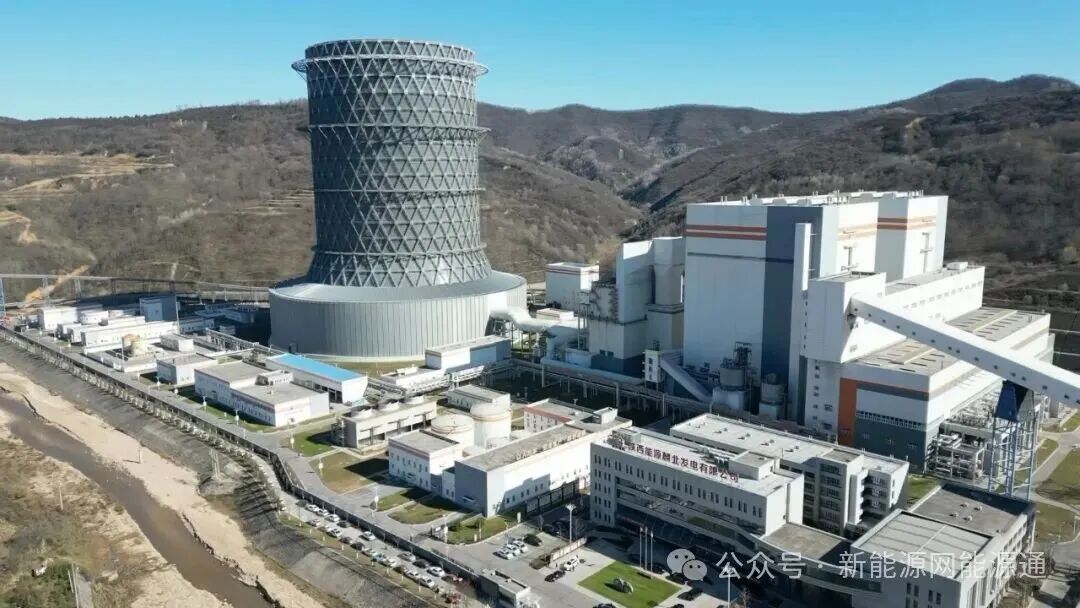
Core Viewpoint - The successful commissioning of the 10 MW/7.28 MWh flywheel and lithium iron phosphate battery hybrid energy storage frequency regulation demonstration project marks a significant advancement in energy storage integration and frequency regulation applications in Shaanxi Province [1][5]. Group 1: Project Overview - The project is located in Linyou County, Baoji City, Shaanxi Province, covering an area of approximately 1,026 square meters [4][7]. - It consists of two energy storage frequency regulation systems: a 4 MW/0.4 MWh flywheel energy storage system and a 6 MW/6.88 MWh lithium-ion battery energy storage system [4][7]. Group 2: Technical Advantages - Flywheel energy storage is characterized by fast response speed, long cycle life, high power density, and environmental friendliness, making it suitable for short-term high-frequency power regulation [3][9]. - Lithium iron phosphate battery storage offers higher energy density, flexible capacity configuration, and mature technology, making it ideal for longer-duration power support [3][9]. Group 3: Benefits of Hybrid System - The combination of flywheel and lithium iron phosphate battery systems optimizes power distribution and response strategies during frequency regulation, effectively compensating for the shortcomings of single energy storage forms [3][10]. - This hybrid energy storage system enhances the timeliness, accuracy, and economic efficiency of grid frequency regulation, improving the safety and stability of system operations [10]. Group 4: Implications for the Industry - The project's successful operation provides an important practical case for the large-scale application of hybrid energy storage in grid frequency regulation, offering valuable insights for the diversified development paths of energy storage technologies under the new power system construction context [5][10].
电解液租赁模式走向规模化,成全钒液流电池储能降本有效路径
Xin Lang Cai Jing· 2026-02-06 11:26
Core Insights - The article discusses the growth of flow battery storage in China, particularly focusing on vanadium flow batteries, which are expected to see a significant increase in installed capacity by 2025 [1][25] - The introduction of an electrolyte leasing model is highlighted as a solution to high initial investment costs and inefficient resource utilization in the industry [5][26] Group 1: Market Growth and Trends - By 2025, China's flow battery storage is projected to add 1.1 GW/4.66 GWh of new installations, representing a year-on-year growth of 36.7% in power and 44.5% in capacity [1][25] - Vanadium flow batteries are expected to account for 96.3% of the new installations in terms of power and 95.5% in capacity, with a total of 1.06 GW/4.45 GWh [2][25] - The cost of vanadium flow battery systems is currently four times that of lithium iron phosphate battery systems, which are seeing a significant price decline [4][26] Group 2: Cost Structure and Challenges - The cost of the electrolyte in flow batteries constitutes 30%-50% of the total system investment, and fluctuations in the prices of core materials like vanadium pose a significant challenge to the scalability of flow batteries [2][25] - The average price of vanadium flow battery systems in 2025 is projected to be 2.28 yuan/Wh, while lithium iron phosphate battery systems are expected to average 0.5356 yuan/Wh, reflecting a 16.5% year-on-year decrease [3][25] Group 3: Electrolyte Leasing Model - The electrolyte leasing model aims to reduce initial investment costs by 40%-50% and transfer risks associated with vanadium price fluctuations and electrolyte degradation to specialized leasing companies [9][31] - This model allows users to purchase only the basic structure and components of the battery, significantly lowering upfront costs and addressing waste management issues [9][31] - The leasing model has shown economic value in various applications, particularly in grid-side storage and commercial storage, where it enhances cost efficiency [10][33] Group 4: Implementation and Validation - The electrolyte leasing model has been successfully implemented in several international projects, including a 48 MWh project in Texas and an energy hub in Oxford, UK [35] - In China, the first electrolyte leasing project was launched in December 2022, with subsequent projects demonstrating the model's scalability and economic benefits [36][39] - The model has been validated through projects like the 6 MW/36 MWh vanadium flow battery project in Anhui, which achieved a 50% reduction in initial investment and a 1.5% increase in investment returns [39] Group 5: Challenges and Future Directions - Despite the advantages of the electrolyte leasing model, challenges remain, including asset valuation risks due to vanadium price volatility, lack of standardized quality assessments, and insufficient professional capabilities for large-scale leasing operations [41][42] - Future development of the leasing model may require establishing a vanadium price hedging mechanism, accelerating standardization, and enhancing policy support to facilitate broader adoption [42]

光伏出口退税将取消,电池片价格持续上涨
Zhong Guo Neng Yuan Wang· 2026-01-22 01:37
Core Viewpoint - The photovoltaic (PV) industry is experiencing a decline in production and demand, with significant decreases expected in December 2025, influenced by export tax policies and market conditions [1][2]. Production - PV module production in November 2025 decreased by 2.43% compared to October, with a further expected decline of 14.77% in December [2]. - Battery production for January 2026 is projected at 210 GWh in China, down 4.55% month-on-month, with significant reductions in second-tier companies, while energy storage battery production remains stable or slightly increases [2]. Prices - As of January 14, 2026, the price of polysilicon remained stable at 54.00 CNY/kg, while TOPCon dual-glass module prices increased by approximately 1.43% to 0.71 CNY/W [3]. - The average price for lithium iron phosphate battery storage systems in November 2025 was 0.5721 CNY/Wh, reflecting a 6.4% decrease [3]. Demand - In November 2025, the export value of PV modules was approximately $2.412 billion, a year-on-year increase of 34.08% and a month-on-month increase of 6.84% [4]. - Domestic PV installations in November 2025 reached 22.02 GW, a 74.76% increase month-on-month but an 11.92% decrease year-on-year [4]. Investment Recommendations - The expected cancellation of the export tax rebate for certain products in April 2026 may temporarily boost domestic PV product shipments, while also promoting the elimination of outdated production capacity [5]. - Companies to watch include Sungrow Power Supply (300274.SZ), Narada Power Source (300068.SZ), Tongrun Equipment (002150.SZ), Huashengchang (002980.SZ), and Shouhang New Energy (301658.SZ) [5].
光储行业跟踪:光伏出口退税将取消,电池片价格持续上涨
Shanghai Aijian Securities· 2026-01-21 06:34
Investment Rating - The industry is rated as "Outperform" compared to the market [2][38]. Core Insights - The report highlights a significant increase in the demand for photovoltaic components, with exports reaching approximately $2.412 billion in November 2025, representing a year-on-year growth of 34.08% and a month-on-month increase of 6.84% [2]. - The report anticipates a short-term boost in domestic photovoltaic product shipments due to the cancellation of the export tax rebate starting April 2026, which may lead to the optimization of production capacity in the long term [2]. - The report recommends focusing on companies related to energy storage and photovoltaic sectors, specifically mentioning Yangguang Electric (300274.SZ), Nandu Power (300068.SZ), Tongrun Equipment (002150.SZ), Huashengchang (002980.SZ), and Shouhang New Energy (301658.SZ) [2]. Summary by Sections Production - In November 2025, the overall production of photovoltaic components decreased by 2.43% compared to October, with a forecasted further decline of 14.77% in December due to returning to a period of weak terminal demand [2]. - The production forecast for January 2026 indicates a total of 210 GWh for the Chinese market in power, storage, and consumer batteries, reflecting a month-on-month decrease of 4.55% [2]. Prices - As of January 14, 2026, the price of polysilicon remained stable at 54.00 CNY/kg, while the average price of TOPCon double-glass components increased by approximately 1.43% to 0.71 CNY/W [2][11]. - The average price for lithium iron phosphate battery storage systems in November 2025 was 0.5721 CNY/Wh, with a month-on-month decrease of 6.4% [2]. Domestic Demand - The domestic photovoltaic installation capacity in November 2025 was 22.02 GW, showing a month-on-month increase of 74.76% but a year-on-year decrease of 11.92% [2]. - Cumulative new photovoltaic installations from January to November 2025 reached 274.89 GW, marking a year-on-year growth of 33.25% [2]. Overseas Demand - The report notes that the export value of photovoltaic inverters in November 2025 was $767 million, reflecting a year-on-year increase of 25.91% and a month-on-month increase of 13.29% [2]. - The report indicates that the export of photovoltaic components to Australia saw a year-on-year growth rate exceeding 177%, suggesting new growth opportunities in emerging markets [2].
光伏出口退税取消,硅料价格小幅上涨
Zhong Guo Neng Yuan Wang· 2026-01-14 02:10
Core Viewpoint - The report highlights a decline in production and demand in the photovoltaic and energy storage sectors, with specific emphasis on the challenges faced by domestic and international markets, including rising component prices and seasonal demand fluctuations [1][2]. Production - Photovoltaic module production in November 2025 decreased by 2.43% compared to October 2025, with domestic installation progress in December falling short of expectations and rising component prices causing reluctance among downstream buyers [2] - In January 2026, China's production of power, storage, and consumer batteries is projected to be 210 GWh, a decrease of 4.55% month-on-month, primarily driven by a significant decline in second-tier enterprises [2] Prices - As of January 7, 2026, the price of polysilicon dense material increased by 3.85% to 54.00 CNY/kg, while the average price of 183N monocrystalline silicon wafers rose by 12.00% to 1.40 CNY/piece [3] - In November 2025, the average price of lithium iron phosphate battery storage systems ranged from 0.4452 to 0.6828 CNY/Wh, with an average of 0.5721 CNY/Wh, reflecting a month-on-month decrease of 6.4% [3] Demand - In November 2025, the export value of photovoltaic modules reached approximately 2.412 billion USD, marking a year-on-year increase of 34.08% and a month-on-month increase of 6.84% [4] - Domestic photovoltaic installations in November 2025 totaled 22.02 GW, representing a month-on-month growth of 74.76% but a year-on-year decline of 11.92% [4] Investment Recommendations - The report suggests focusing on energy storage-related companies, recommending specific stocks such as Sungrow Power Supply (300274), Narada Power Source (300068), Tongrun Equipment (002150), Huashengchang (002980), and Shouhang New Energy (301658) [5]
光储行业跟踪:光伏出口退税取消,硅料价格小幅上涨
Shanghai Aijian Securities· 2026-01-13 10:01
Investment Rating - The industry is rated as "Outperform" compared to the market [1]. Core Insights - The report highlights a significant increase in demand for photovoltaic components, with a notable year-on-year growth in domestic installations and exports [3][4]. - The cancellation of export tax rebates for photovoltaic products is expected to impact pricing and demand dynamics in the industry starting April 2026 [3]. - The report suggests a focus on energy storage-related companies as potential investment opportunities due to the increasing demand in the sector [3]. Production Summary - Photovoltaic module production in November 2025 decreased by 2.43% month-on-month, with domestic inventory levels rising as terminal installations fell short of expectations [3]. - Battery production for January 2026 is projected at 210 GWh, a decrease of 4.55% from the previous month, primarily driven by a reduction in production from second-tier companies [3]. Price Summary - As of January 7, 2026, the price of polysilicon increased by 3.85% to 54.00 CNY/kg, while the average price of 183N monocrystalline silicon wafers rose by 12.00% to 1.40 CNY/piece [3]. - The average price for lithium iron phosphate battery storage systems was reported at 0.5721 CNY/Wh, reflecting a month-on-month decrease of 6.4% [3]. Domestic Demand Summary - In November 2025, domestic photovoltaic installations reached 22.02 GW, marking a 74.76% increase month-on-month but an 11.92% decrease year-on-year [3]. - Cumulative domestic photovoltaic installations from January to November 2025 totaled 274.89 GW, representing a year-on-year growth of 33.25% [3]. Overseas Demand Summary - In November 2025, photovoltaic component exports amounted to approximately 2.412 billion USD, a year-on-year increase of 34.08% [3]. - The inverter export value for November 2025 was 767 million USD, showing a year-on-year increase of 25.91% [3].
2025年储能招投标全景分析:招标规模447.5GWh,中标规模382.6GWh,备案规模1526.9GWh
鑫椤储能· 2026-01-09 01:44
Core Insights - The article highlights the significant growth in the energy storage market in 2025, with a total bidding scale of 447.5 GWh, representing a year-on-year increase of 113.2% [1]. Bidding Market - The bidding market saw a total scale of 447.5 GWh, with non-collective bidding projects reaching 371.7 GWh (up 179.9%) and collective bidding projects at 75.8 GWh (down 1.7%) [1]. - The growth in bidding demand is driven by two key nodes: the 531 grid connection deadline and the 1231 grid connection deadline, with significant project launches concentrated around these dates [3][4]. - Policies have accelerated bidding demand, particularly in regions like Inner Mongolia, which introduced incentives for projects to start before the June deadline [6]. Winning Market - The total winning scale in 2025 was 382.6 GWh, with independent storage projects accounting for 65% of the market demand [10]. - The average internal rate of return (IRR) for projects across provinces is above 8%, with some regions like Gansu and Guangdong seeing IRR as high as 10-15% due to high frequency regulation demand [10]. - Major players in the winning market include CRRC Zhuzhou, Haibo Shichuang, and Ningde Times, with a concentration of market participation among system manufacturers and a few leading battery manufacturers [12][14]. Price Trends - The average price for 2-hour storage systems was stable at 0.5485 yuan/Wh, while the EPC price was 1.0268 yuan/Wh, reflecting a 12.6% decrease from the previous year [17]. - Battery cell prices experienced three rounds of increases in the second half of the year, driven by overseas orders and high domestic bidding demand, leading to a tight supply-demand balance [17].


2025年储能中标价格分析——CNESA年终盘点
中关村储能产业技术联盟· 2026-01-08 02:41
Core Insights - The energy storage industry is entering a critical period of value reshaping driven by technological iteration and market expansion by 2025 [2] - There is a significant structural differentiation and rational regression trend in bidding prices across various dimensions of energy storage systems [3][4] Bidding Price Overview - The average bidding prices for different energy storage systems in 2025 are as follows: - 1h energy storage system: 714.76 CNY/kWh, down 32.89% from 2024 - 2h energy storage system: 553.94 CNY/kWh, down 16.9% from 2024 - 4h energy storage system: 478.69 CNY/kWh, down 26.07% from 2024 - 2h EPC: 1043.82 CNY/kWh, down 13.04% from 2024 [5][10][11] Price Range and Structural Differences - The bidding price range for energy storage systems in 2025 is between 391.14 CNY/kWh and 913.00 CNY/kWh, with significant price differences based on duration [9] - The price drop for 0.25C energy storage systems is nearly double that of 0.5C systems, highlighting the impact of technological cost structures and scale effects [9] Collective Procurement Pricing - Collective procurement prices are approaching cost lines, with average prices for 2h and 4h systems significantly lower than individual project bids, averaging 464.45 CNY/kWh and 421.52 CNY/kWh respectively [14] - The price difference between collective procurement and individual project bids is around 12%-15% [14] Network-type Energy Storage Systems - The bidding prices for network-type energy storage systems show a trend of initial decline followed by stabilization, with 2h and 4h systems averaging 597.70 CNY/kWh and 622.90 CNY/kWh respectively [16] - The average bidding price for 2h network-type systems decreased by 3.06% compared to 2024, while 4h systems saw a decline of 24.98% [16] EPC Bidding Prices - The bidding prices for energy storage EPC projects vary significantly, ranging from 449.20 CNY/kWh to 2082.70 CNY/kWh, influenced by duration, technical requirements, and other factors [18] - The average bidding price for 1h EPC projects is 1280.15 CNY/kWh, down 55.91% from 2024, while 2h and 4h EPC projects average 1043.82 CNY/kWh and 935.40 CNY/kWh, down 13.04% and 8.19% respectively [19][20]