稀土合金

Search documents
供给趋紧需求爆发 小金属上演“大行情”
Zheng Quan Ri Bao· 2026-02-27 16:38
Group 1 - The small metals sector, known as the "industrial vitamin," has become a focal point for investment, with a significant increase in the small metals index by 7.69% and 12 listed companies reaching their price limits on February 27 [1] - The demand for small metals is rapidly growing due to the AI computing power, new energy, military, and robotics sectors, while supply constraints from domestic quotas and overseas production limits are exacerbating the supply-demand gap [1][2] - The strategic importance of small metals is being re-evaluated as they are classified as critical minerals by multiple countries, enhancing their pricing power and strategic value [1] Group 2 - In the AI and intelligent sectors, high-performance neodymium-iron-boron and high-end welding materials are crucial, with applications in AI servers, humanoid robots, and consumer electronics [2] - The supply of rare metals such as rare earths, tungsten, and lithium is tightening post-Chinese New Year, leading to an overall price increase in the market [2] - Investors are increasingly focused on raw material sources, capacity layout, and market applications, as the pricing logic of small metals shifts from traditional cyclical commodities to strategic assets [3] Group 3 - Companies are revealing their resource layout strategies to address investor concerns, with a focus on securing upstream resources to gain industry chain influence [3] - Dongfang Tantalum Industry has established a global procurement system for tantalum and niobium ore, securing a long-term partnership with reputable traders and completing a stake acquisition in a Brazilian mining company [3] - Xiamen Tungsten has three operational tungsten mines with an annual output of approximately 12,000 tons of tungsten concentrate, and plans to enhance raw material security through various initiatives [4]
美媒突然发现:中方虽已恢复稀土供应,但又狠狠将了美国一军!
Sou Hu Cai Jing· 2025-11-23 07:45
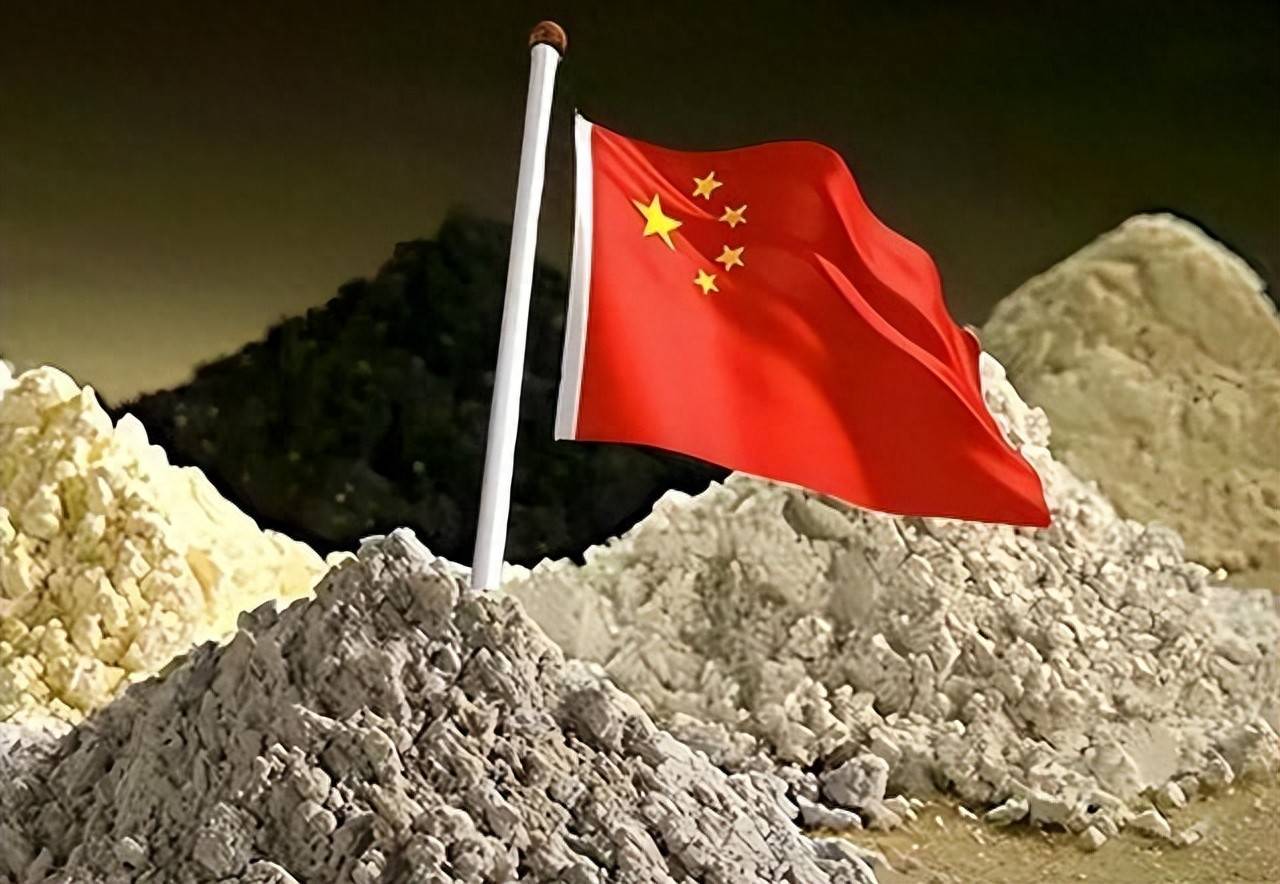
Core Insights - Rare earth elements are critical materials for high-tech and military industries, with China controlling over 90% of global processing capacity, leading to significant U.S. dependency [1] - In response to escalating trade tensions, China implemented export controls on key rare earth elements, causing global supply chain disruptions and halting production lines in various automotive companies [1][3] - A new regulation from China's Ministry of Commerce requires export licenses for products containing over 0.1% Chinese rare earth components, directly impacting U.S. supply chains [3][5] Group 1 - The U.S. stock market experienced volatility due to concerns over rare earth supply chains, prompting the Trump administration to seek dialogue with China [3] - Following a meeting in Busan, China agreed to delay the implementation of new regulations and issued general export licenses, temporarily alleviating supply chain issues for U.S. companies [3][5] - Despite the temporary easing, China's export restrictions from April remain in place, and the U.S. military's need for rapid stock replenishment contrasts with tech companies' concerns over political entanglements [5][12] Group 2 - Reports indicate that China plans to introduce a certified end-user system, which simplifies export processes for civilian companies while imposing strict controls on military-related enterprises [7][10] - This system is designed to prevent rare earth materials from entering U.S. military supply chains, reflecting a strategic response to U.S. export controls on high-tech goods [8][10] - The Chinese government emphasizes that this mechanism is intended to protect supply chain security and is compliant with international trade practices [10][12] Group 3 - China has been tightening its control over rare earth exports since late 2023, with further restrictions planned for April 2025, indicating a long-term strategy rather than a complete export ban [12][14] - The new certification system is seen as a way for China to maintain leverage in the global rare earth market while ensuring that military applications are restricted [12][15] - The U.S. faces challenges in sourcing rare earths from alternative countries due to high costs and time requirements for establishing processing facilities [14][15] Group 4 - The ongoing U.S.-China rare earth conflict illustrates a broader struggle for influence and rule-setting in global resource management [14][17] - The International Trade Organization views China's new export mechanism as compliant and stabilizing for market supply, highlighting the need for the U.S. to acknowledge China's role in the rare earth sector [17] - The situation underscores the importance of converting resource advantages into regulatory advantages, with the U.S. needing to adapt to China's strategic maneuvers in the rare earth market [17]

从稀土元素到稀土合金,从稀土技术到稀土替代:被夸大的稀土威胁
Sou Hu Cai Jing· 2025-11-15 22:41
Core Viewpoint - The narrative of "rare earth threats" may be exaggerated, as China relies on imported rare earth alloys while the value of rare earth alloy exports from Europe and the US far exceeds that of imported rare earth elements [1][3][5] Group 1: Dependency Analysis - Foreign countries depend on China's rare earth elements, but China is more dependent on foreign rare earth alloys [3][5] - In 2022, the EU imported approximately $7.5 million worth of refined rare earth elements, with two-thirds coming from China, while the EU's imports of rare earth alloys exceeded $100 million, with only 30% sourced from China [5][7] - The US imported 90% of its rare earth elements from China in 2024, but the total value was only $25 million, while exporting $190 million worth of rare earth alloys to China [5][7] Group 2: Supply Chain Dynamics - China imports about $1.4 billion worth of rare earth alloys annually, while its exports of rare earth elements are only around $400 million [7][9] - The US has been rapidly integrating its rare earth supply chain, with USA Rare Earth acquiring UK-based LCM to enhance its supply chain capabilities [8][9] Group 3: Technological Advancements - Western countries are making significant advancements in rare earth refining and alternative technologies, aiming to break China's monopoly on refining 60%-90% of different rare earth elements by 2025 [16][19] - Innovations include bio-based extraction methods, advanced separation technologies, and recycling techniques, which are expected to enhance local processing capabilities and reduce reliance on Chinese supplies [16][19][21] Group 4: Historical Context and Future Implications - Historical attempts by China to use rare earths as a trade tool through export quotas led to short-term price spikes but ultimately resulted in decreased demand as Western industries sought alternatives [27][29] - The current landscape indicates that while China maintains an advantage in primary processing, it is losing ground in the more valuable downstream products like rare earth alloys and magnets [27][29]
兰石中科召开总经理办公会 部署年末冲刺与产业协同新格局
Jing Ji Wang· 2025-11-11 10:28
Core Insights - The meeting focused on the strategic deployment for high-quality development and the completion of annual goals, emphasizing the importance of this period for planning next year's work [1] Group 1: Strategic Deployment - The company aims to deepen project management by enhancing the management mechanism, ensuring that projects are executed efficiently and sustainably [1] - There is a focus on expanding market presence by analyzing industry trends and optimizing business layouts to increase market share [2] - Accelerating the integration of business and finance through digitalization to improve operational efficiency and risk management is a priority [2] - The company plans to strengthen its public relations strategy by effectively communicating its core technologies and achievements to create a favorable public perception [2] Group 2: Market and Product Development - Specific arrangements were made for the nano zinc oxide market, including seizing market opportunities by leveraging product quality advantages [3] - The company aims to enhance production and sales collaboration with partners to ensure effective project operation and profitability [3] - There is an initiative to develop differentiated products for high-end applications in various sectors such as rubber, coatings, electronics, pharmaceuticals, and new energy [3]
特朗普又吹牛,美国稀土将多如牛毛?
Jin Tou Wang· 2025-10-22 07:56
Core Viewpoint - The article discusses the unrealistic expectations surrounding the U.S. reliance on Australia for rare earth minerals, emphasizing that despite Australia's claims, it cannot quickly replace China's dominance in the rare earth supply chain [1][10]. Group 1: U.S.-Australia Cooperation - The U.S. signed an $8.5 billion agreement with Australia for critical minerals and rare earth cooperation, driven by the need to reduce dependence on China [3]. - Australia claims it can meet a significant portion of the U.S. demand for critical minerals, including rare earths, but the reality of its capabilities is questioned [4]. Group 2: Australia's Rare Earth Capabilities - Australia has the fourth-largest rare earth reserves globally, with 5.7 million tons, but this is only 1/8 of China's 44 million tons [4]. - The largest and highest-grade rare earth mine in Australia will not reach large-scale production until 2028, making it impossible for the U.S. to quickly increase its rare earth supply [4][6]. Group 3: China's Dominance in Rare Earths - China controls 70% of the global rare earth production and 90% of the refining capacity, making it difficult for the U.S. and Australia to compete without the necessary processing technology [6]. - The development of rare earth refining technology requires significant time and investment, with estimates suggesting it would take at least five to six years for the U.S. and Australia to catch up to China's current capabilities [6][10]. Group 4: Military Implications - A significant portion of the U.S. military's supply chain relies on Chinese rare earths, with 87% of the supply chain for 153 types of military equipment passing through China [8]. - The U.S. military's reliance on rare earths is critical for maintaining its technological edge and operational capabilities [7]. Group 5: Historical Context - Previous attempts by the U.S. to achieve rare earth independence, such as during the Obama administration, have resulted in minimal success, highlighting the challenges of developing a domestic rare earth industry without mature technology [11].

美国不缺稀土,也不缺稀土提炼技术,缺的是工厂,环保又太严格
Sou Hu Cai Jing· 2025-10-02 11:25
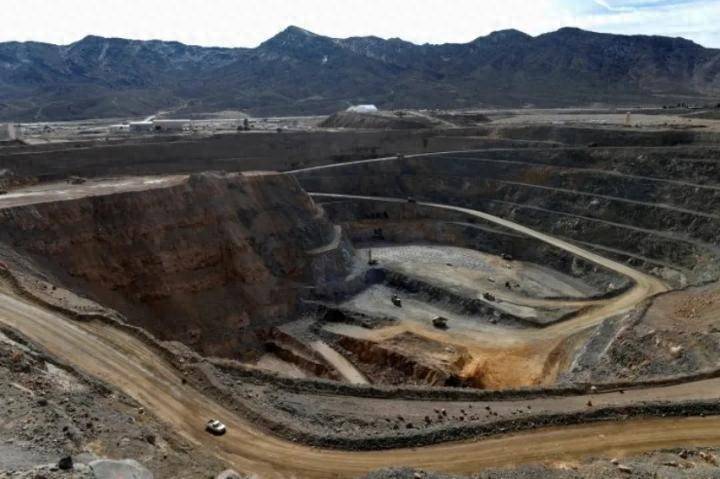
Core Viewpoint - The United States has the capability to mine rare earth elements but lacks the infrastructure and regulatory environment to process them domestically, resulting in a reliance on China for refining despite having the resources and technology available [1][5][9]. Group 1: Mining and Processing Challenges - The Mountain Pass mine in California is operational but only produces rare earth ore, which is then shipped to China for processing due to the absence of domestic refining facilities [3][5]. - The U.S. has the technology for refining but faces significant hurdles in establishing processing plants due to stringent environmental regulations and community opposition [5][11]. - The cost of environmentally friendly processing methods in the U.S. is prohibitively high, making it economically unfeasible for companies to invest in domestic refining [7][11]. Group 2: Environmental and Regulatory Issues - The approval process for building a refining facility in the U.S. can take years, with environmental concerns over radioactive waste causing significant delays [11][15]. - The U.S. Environmental Protection Agency (EPA) imposes strict regulations that complicate the establishment of processing plants, leading to a lack of investment in this sector [11][15]. - The high costs associated with compliance to environmental standards further deter potential investors from entering the rare earth processing market [11][15]. Group 3: Comparison with China - China has developed a complete rare earth industry chain, from mining to processing, and has established a robust infrastructure that supports this industry [17][19]. - As of 2024, China controls 68% of global rare earth mining, 88% of rare earth oxides, and 92% of rare earth metals, showcasing its dominance in the sector [19][21]. - The U.S. lacks the foundational industry capabilities and workforce training necessary to compete with China's established rare earth supply chain [13][21]. Group 4: Future Prospects and Policy Responses - The U.S. government is attempting to incentivize domestic production through subsidies, but without the necessary infrastructure, these measures may not yield significant results [15][21]. - The U.S. must address its regulatory and environmental challenges to establish a viable domestic rare earth processing industry [23]. - The reliance on China for rare earth elements poses strategic risks for the U.S., particularly in high-tech and military applications [9][23].

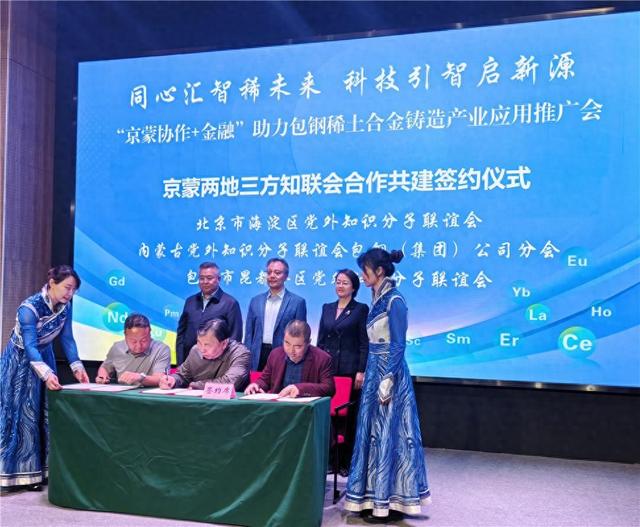
北京市海淀区、内蒙古包钢集团及包头昆都仑区两地党外知识分子联谊会签署“两地三会”合作共建协议
Nei Meng Gu Ri Bao· 2025-04-21 08:47
Core Viewpoint - The event held on April 21 in Beijing focused on enhancing cooperation between Beijing and Inner Mongolia, particularly in the rare earth alloy casting industry, through the signing of a cooperation agreement and the establishment of collaborative platforms [1][5][13]. Group 1: Cooperation Agreements - A cooperation agreement titled "Two Regions and Three Associations" was signed to strengthen regional collaboration and resource integration [3][7]. - The establishment of "Zhiliantongxin Station" and the "Beijing Office of the Inner Mongolia Association of Non-Party Intellectuals" aims to facilitate knowledge exchange and collaboration [5][7]. Group 2: Industry Development - The meeting emphasized the "government-industry-university-research-finance" collaborative innovation model to overcome technological bottlenecks in the rare earth industry [5][7]. - The "Beijing-Inner Mongolia Cooperation + Finance" model aims to modernize the rare earth industry chain through technology collaboration, capital injection, green transformation, and deepening reforms [7][9]. Group 3: Strategic Collaborations - Beijing Baogang New Source Technology Co., Ltd. signed a strategic cooperation agreement with Shenyang University of Technology for the application of rare earth alloys in aluminum research [9][11]. - Financial institutions like Ningbo Bank and Shouchuang Securities introduced solutions for equipment leasing and supply chain finance to support small and medium-sized rare earth enterprises [9][11]. Group 4: Future Prospects - Experts highlighted the broad application prospects of rare earth alloys in aerospace and new energy sectors, emphasizing the need for accelerated development of high-value-added products [11]. - The establishment of a platform for cooperation is expected to enhance the industry’s voice and facilitate the development of rare earth detection standards [11][13].