
线型低密度聚乙烯月均价期货

Search documents
回眸“十四五”:大商所五年精心呵护 服务能化产业高质量发展
Zhong Guo Hua Gong Bao· 2026-02-27 02:54
Core Viewpoint - The Dalian Commodity Exchange (DCE) has made significant strides in enhancing the energy and chemical industry during the "14th Five-Year Plan" period, focusing on high-quality development and providing effective risk management tools and pricing references for enterprises in the energy and chemical sectors [1]. Product Development and Risk Management Tools - DCE has launched four futures and three options products in the energy and chemical sector, enhancing the risk management toolbox for enterprises [2]. - The introduction of ethylene glycol and styrene options has provided comprehensive coverage for physical delivery futures, improving risk management efficiency for enterprises [2]. - By 2025, the average daily trading volume for ethylene glycol options is projected to be 47,000 contracts, with a 75.4% share held by institutional clients, while styrene options are expected to have a daily trading volume of 212,000 contracts and a 51.8% institutional client share [2]. - The launch of pure benzene futures and options has introduced new risk management tools for the aromatic industry, helping to stabilize production profits and enhance China's influence in international trade [3]. Market Functionality and Optimization - DCE has expanded delivery locations and optimized pricing mechanisms to better serve the energy and chemical industries, enhancing the correlation between futures and spot prices [7]. - The introduction of average price futures for linear low-density polyethylene, polyvinyl chloride, and polypropylene has filled a gap in domestic risk management tools, facilitating long-term trade [5]. - By 2025, average daily trading volumes for these new futures are expected to be 4,674 contracts for linear low-density polyethylene, 4,538 for polyvinyl chloride, and 3,242 for polypropylene, with increasing open interest [6]. Enhancing Client Participation - DCE has implemented measures to reduce participation costs for enterprises, such as lowering margin requirements and eliminating inspection costs for over 97% of deliverable products [9][10]. - The exchange has developed a multi-layered service system to enhance industry participation in futures markets, promoting risk management practices among small and medium-sized enterprises [11]. Market Openness and Price Influence - DCE has included several futures and options in the Qualified Foreign Institutional Investor (QFII) trading scope, enhancing the price influence of these products [13]. - The exchange's efforts in promoting internationalization have led to increased recognition of China's futures market among foreign clients, facilitating export pricing based on futures prices [14][15].
把脉产业需求 送上金融“及时雨”
Qi Huo Ri Bao Wang· 2026-02-04 02:09
Group 1 - The Dalian Commodity Exchange (DCE) successfully completed its first cash settlement for linear low-density polyethylene, polyvinyl chloride, and polypropylene monthly average price futures contracts, marking a significant milestone in its operations [1][2] - As of January 30, the monthly average price futures for these chemical products have been running for 66 trading days, with average daily trading volumes of 5,015 contracts for linear low-density polyethylene, 4,558 for polyvinyl chloride, and 3,398 for polypropylene [1] - The cash settlement volumes on the expiration day for the contracts were 46 contracts for L2602F, 400 for V2602F, and 6 for PP2602F, indicating active participation from leading industry players such as Yong'an Guoyou Energy Co., Ltd. and Qiancheng Petrochemical Co., Ltd. [1] Group 2 - The monthly average price futures contracts are designed to meet the industry's demand for risk management tools, allowing for cash settlement based on the arithmetic average of the futures settlement prices [2] - Yong'an Guoyou's chairman emphasized the importance of managing price volatility risks and noted that the new futures contracts align well with their operational and risk management needs, enabling them to lock in PVC monthly average prices [2] - Qiancheng Petrochemical's research director highlighted the efficiency and simplicity of the monthly average price futures, which cater to their clients' pricing models and improve hedging operations [2] Group 3 - The successful cash settlement of these futures contracts represents an important achievement in aligning the futures market with industry needs and innovating service models [2] - The DCE aims to enhance the international influence of China's bulk commodity prices and strengthen the resilience of supply chains through ongoing product and mechanism innovations [2]
大商所三个化工品月均价期货首次现金交割完成
Guo Ji Jin Rong Bao· 2026-02-03 14:19
Group 1 - The Dalian Commodity Exchange successfully completed its first cash settlement for linear low-density polyethylene, polyvinyl chloride, and polypropylene monthly average price futures contracts on January 30, marking a significant milestone in its operations [1] - As of January 30, the average daily trading volumes for the three futures contracts were 5,015 lots for linear low-density polyethylene, 4,558 lots for polyvinyl chloride, and 3,398 lots for polypropylene, with average open interest at 6,232 lots, 5,489 lots, and 5,411 lots respectively [1] - The cash settlement volumes on the expiration date were 46 lots for L2602F, 400 lots for V2602F, and 6 lots for PP2602F, indicating active participation from leading industry players such as Yong'an Guoyou and Qiancheng Petrochemical [1] Group 2 - The introduction of monthly average price futures by the Dalian Commodity Exchange addresses the need for stable long-term procurement prices and precise risk management tools for industry enterprises, which are facing frequent price fluctuations in the plastic chemical sector [2] - Yong'an Guoyou's chairman emphasized the importance of managing commodity price volatility and highlighted that the new futures contracts effectively meet their operational and risk management needs, allowing them to lock in PVC average prices and mitigate operational risks [2] - Qiancheng Petrochemical's research supervisor praised the monthly average price futures for aligning with their clients' pricing habits and simplifying the hedging process, which enhances their supply chain services [2] Group 3 - The Dalian Commodity Exchange plans to leverage the experience gained from this cash settlement to continue product and mechanism innovation, aiming to enhance the international influence of China's bulk commodity prices and provide stronger financial support for supply chain resilience [3]
苦练内功 锻造服务实体硬实力
Qi Huo Ri Bao Wang· 2025-12-18 01:15
Core Insights - The Dalian Commodity Exchange (DCE) hosted a training program aimed at enhancing the service capabilities of futures practitioners, focusing on the growing demand for refined and professional derivative tools in the real economy [1][2] - The training emphasized the integration of futures and spot markets, with the launch of the "Futures to Spot" platform being a key highlight, facilitating personalized delivery needs for enterprises [2][3] - The introduction of monthly average price futures for chemical products is expected to provide pricing references and risk management tools for the plastics industry, addressing challenges such as supply-demand imbalances and export risks [3] Group 1: Training Program Overview - The training combined online and offline participation, attracting representatives from 72 futures institutions and over 2,300 practitioners nationwide [1] - DCE's initiative is part of a broader strategy to transition the futures industry from a "channel service" model to a "comprehensive risk management solution provider" [1][2] Group 2: Policy and Market Environment - The regulatory environment for derivatives has improved, with 1,503 listed companies expected to issue hedging announcements in 2024, reflecting a 15.7% year-on-year increase in the first seven months of the year [2] - Futures companies play a crucial role in connecting futures and spot markets, directly influencing the effectiveness of risk management tools [2] Group 3: Risk Management Tools - Options are becoming essential for enterprises to manage risks dynamically, with strategies like buying put options and selling call options being highlighted [5] - DCE plans to launch a series of options contracts in February 2026, providing more precise short-term risk management tools for industries [5] Group 4: Delivery System Enhancements - The training covered differentiated delivery systems, including a digitalized process for live pig delivery and a network for grain and oil products that lowers participation barriers for enterprises [6] - Adjustments to delivery units for certain futures contracts aim to enhance accessibility for small and medium-sized enterprises [6] Group 5: Compliance and Risk Control - Risk control and compliance management were emphasized throughout the training, with a focus on preventing market manipulation and ensuring transparent operations [7] - Companies are encouraged to establish independent risk control departments and implement integrated management systems to track overall risk exposure [7] Group 6: Service Model Evolution - Futures companies are shifting from merely being transaction channels to becoming solution providers, offering tailored services like "insurance + futures" and basis pricing [9] - The training received positive feedback for its blend of policy insights and practical applications, indicating a successful initiative in enhancing industry capabilities [9]
月均价期货上市首月成交额超70亿元
Qi Huo Ri Bao Wang· 2025-12-01 17:00
Core Insights - The launch of monthly average price futures for LLDPE, PVC, and PP has been successful, providing a stable pricing risk management solution for the chemical industry [1][5] - The trading volume and market participation have shown positive trends, indicating a growing acceptance of these financial instruments [1][5] Group 1: Market Performance - As of November 28, the monthly average price futures for the three chemical products have seen a cumulative trading volume of 23 trading days, with PP futures leading at 94,500 contracts and a transaction value of 3.053 billion [1] - The closing prices for the near-month contracts L2602F, V2602F, and PP2602F have decreased by 3.03%, 3.92%, and 3.69% respectively, reflecting market consensus on future monthly averages [2] Group 2: Industry Participation - Major companies like Zhejiang Mingri Holdings and Jingbo Petrochemical have actively engaged in trading these futures, with institutional clients accounting for over 60% of the transaction volume [2][4] - Jingbo Petrochemical has utilized the PP2602F contract for forward hedging, aligning with their long-term sales contracts that are linked to monthly average prices [3] Group 3: Future Outlook - The monthly average price futures are expected to play a significant role in the risk management framework for commodities, with companies expressing optimism about their potential [6] - There is a call for further training and optimization of contract designs to enhance market functionality and broaden participation [6]
线型低密度聚乙烯、聚氯乙烯、聚丙烯月均价期货上市首日运行平稳
Xin Hua Cai Jing· 2025-10-29 14:30
Core Viewpoint - The launch of monthly average price futures for LLDPE, PVC, and PP on October 28 marks a significant development in China's chemical industry, providing new risk management tools for enterprises and enhancing market participation [1][2]. Group 1: Market Participation and Performance - The first day of trading for the three chemical products saw a total of 8,254 contracts traded, amounting to 230 million yuan, with a position of 2,468 contracts, indicating strong participation from industry players [1]. - The closing prices for the near-month contracts L2602F, V2602F, and PP2602F showed slight increases of 0.04%, 0.86%, and 0.10% respectively compared to the listing benchmark price [1]. Group 2: Industry Insights and Applications - Major companies such as Jingbo Petrochemical, Zhongtai International Trade, and Mingri Holdings actively participated in the first day of trading, utilizing the new futures for price hedging and risk management [2][3]. - Jingbo Petrochemical plans to use the monthly average settlement price for spot trading, which aligns with their monthly sales and average settlement model, helping to mitigate daily price fluctuations [2]. - Zhongtai International Trade employed the V2602F contract for long-term order hedging, enhancing stability in the PVC industry [3]. Group 3: Future Developments and Recommendations - The Dalian Commodity Exchange aims to optimize rules and improve market quality, making it easier for industry clients to participate and enhancing the pricing influence of Chinese chemical products [4]. - Market experts suggest that companies familiarize themselves with this innovative product, as it can significantly aid in business operations, especially in long-cycle average trading scenarios [3].
新华财经早报:10月29日
Xin Hua Cai Jing· 2025-10-29 01:57
Group 1 - The "14th Five-Year Plan" emphasizes the promotion of emerging industries such as quantum technology, biomanufacturing, hydrogen energy, nuclear fusion, brain-computer interfaces, embodied intelligence, and sixth-generation mobile communication as new economic growth points [2] - The revised Cybersecurity Law will take effect on January 1, 2026, supporting AI development and enhancing risk assessment and regulation [2] - The Financial Regulatory Bureau supports domestic insurance companies to issue "catastrophe bonds" in the Hong Kong market, which are linked to natural disaster risks [2] Group 2 - The People's Bank of China reported that it will implement a moderately loose monetary policy to support economic recovery, ensuring that social financing and money supply growth align with economic growth targets [2] - The latest tax data shows a 229.8% year-on-year increase in the number of outbound travelers claiming tax refunds from January to September, with a 97.4% increase in refund amounts [2] - The digital RMB ecosystem has been preliminarily established, with a cumulative transaction amount of 14.2 trillion yuan by the end of September 2025 [2] Group 3 - Ganfeng Lithium reported a third-quarter revenue of 6.249 billion yuan, a year-on-year increase of 44.10%, and a net profit of 557 million yuan, a year-on-year increase of 364.02% [3][8] - The public fund industry saw significant growth in the third quarter, with an increase of 2.23 trillion yuan, bringing the total scale to over 35 trillion yuan [3][8] - The China-ASEAN Free Trade Area 3.0 upgrade covers nine areas, including digital economy and green economy [2]


三个化工品月均价期货在大商所挂牌上市
Sou Hu Cai Jing· 2025-10-28 14:05
Core Insights - The Dalian Commodity Exchange has officially listed monthly average futures for linear low-density polyethylene, polyvinyl chloride, and polypropylene as of October 28, increasing the total number of futures tools to 26, with 10 in the chemical sector [1][3] Group 1 - Monthly average futures are contracts settled based on the average price of the underlying asset over a month [3] - The introduction of these three chemical monthly average futures meets the growing market demand for refined risk management tools due to frequent price fluctuations in plastic chemical products [3] - This listing marks a historic breakthrough in the construction of the Dalian Commodity Exchange's chemical derivatives system, enhancing its ability to serve the real economy [3]
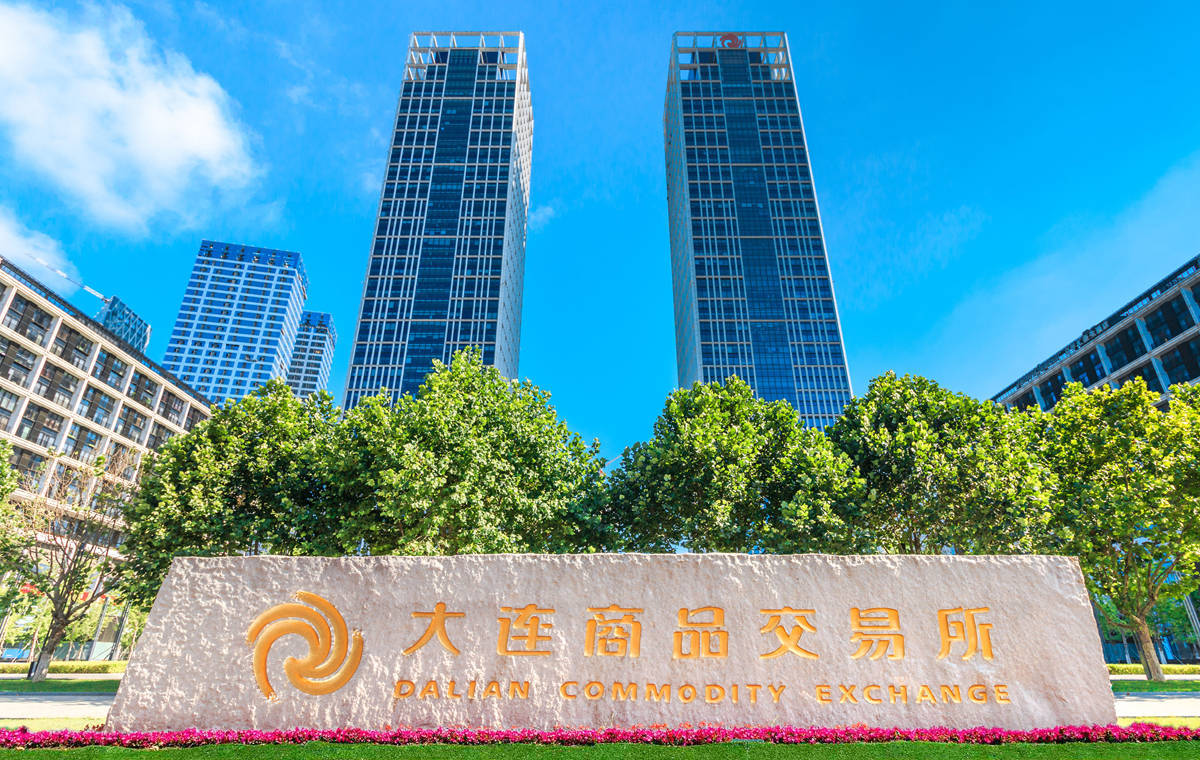
线型低密度聚乙烯、聚氯乙烯、聚丙烯月均价期货在大商所挂牌上市
Zhong Guo Jin Rong Xin Xi Wang· 2025-10-28 13:20
Core Viewpoint - The launch of monthly average futures for linear low-density polyethylene, polyvinyl chloride, and polypropylene at Dalian Commodity Exchange marks a significant development in China's petrochemical industry, providing diversified risk management tools and enhancing the integration of the industry with the futures market [1][2][6]. Industry Insights - The introduction of monthly average futures is expected to address the increasing demand for flexible and efficient pricing tools in the petrochemical sector, which is crucial for managing price volatility and supporting high-quality industry development [4][5]. - The new futures products will help establish a transparent and fair monthly average pricing signal system, aligning with international pricing practices and enhancing China's influence in global plastic trade [5][6]. Market Development - The Dalian Commodity Exchange has expanded its futures offerings to 26 products, with 10 specifically in the chemical sector, reflecting a robust development of its derivatives system and an enhanced capacity to serve the real economy [6]. - The launch of these futures is seen as a strategic move to improve the competitiveness of Chinese enterprises in the market economy and to foster deeper cooperation between the exchange and the petrochemical industry [2][3].
中国商品期货市场首批月均价期货挂牌上市
Zhong Guo Xin Wen Wang· 2025-10-28 13:11
Core Insights - The launch of the first monthly average price futures for linear low-density polyethylene, polyvinyl chloride, and polypropylene marks a significant development in China's commodity futures market [1][2] - These products are essential in the petrochemical industry, with China being a major producer and consumer, projected to produce 27.91 million tons, 23.44 million tons, and 34.76 million tons respectively in 2024 [1] - The introduction of these futures aims to provide more stable long-term procurement prices to mitigate frequent price fluctuations in the plastic chemical sector [1] Industry Impact - The listing of these monthly average price futures offers diversified and refined risk management tools for the petrochemical industry [2] - It is expected to strengthen the integration of the industry with the futures market, contributing to the healthy and stable development of the petrochemical sector [2]