美汁源果粒橙

Search documents
陕西省咸阳市市场监督管理局关于元旦春节抽检信息的通告〔2026〕第1号
Zhong Guo Zhi Liang Xin Wen Wang· 2026-02-14 09:02
Summary of Key Points Core Viewpoint - The Xi'an City Market Supervision Administration conducted a quality inspection of 112 batches of food products, revealing that one batch of longan sold at a convenience store exceeded the permissible limit of sulfur dioxide residues, prompting immediate action to recall the product and address the violation [3]. Group 1: Inspection Results - A total of 112 batches from 14 categories of food products were inspected, with one batch failing due to excessive use of food additives [3]. - The specific non-compliance was found in longan sold by a convenience store in Xi'an, with sulfur dioxide residue measured at 0.295 g/kg, exceeding the national standard limit of 0.05 g/kg [3]. Group 2: Actions Taken - The Xi'an City Market Supervision Administration has mandated relevant departments to take immediate action to manage the identified non-compliant products, including product recall and risk control measures [3]. - Consumers are encouraged to report any instances of the non-compliant products found in the market by calling the complaint hotline [3].

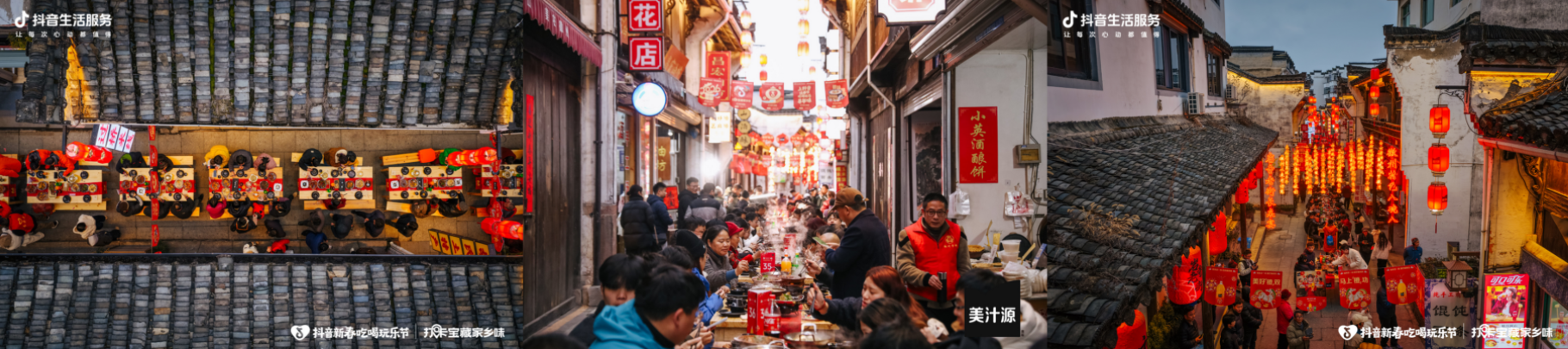
打卡宝藏家乡味|黄山这场长桌宴,藏着浓浓安徽年
Zhong Guo Shi Pin Wang· 2026-02-13 09:18
Group 1 - The Huangshan Long Table Feast, guided by the Huangshan Municipal Committee of Publicity and co-presented by Douyin Life Services and Meizhiyuan, celebrates local culinary traditions and the spirit of reunion during the Spring Festival [1][2] - The event features a long table accommodating 300 people, showcasing various traditional Huizhou dishes, including special pot dishes that embody the essence of local flavors [2][4] - Meizhiyuan, a well-known beverage brand, enhances the dining experience by providing its fruit drinks, symbolizing the joy of family gatherings during the New Year [4] Group 2 - The event includes interactive activities and performances, such as traditional Huizhou opera and a blessing ceremony, creating a vibrant atmosphere that reflects the local culture and festive spirit [7] - Influencers and food enthusiasts are encouraged to explore Huangshan's culinary offerings, promoting local eateries and the unique flavors of the region through social media engagement [8][9] - The collaboration between Douyin Life Services and Meizhiyuan aims to highlight Huangshan's culinary heritage and foster a sense of community and nostalgia among participants [9]
中国人最爱喝的饮料,大多数都不及格
虎嗅APP· 2026-01-03 13:35
Core Viewpoint - Shanghai is implementing a beverage "nutritional choice" grading system, marking a national first aimed at reducing sugar consumption, particularly from sugary drinks [4][5][6]. Group 1: Grading System Overview - The grading system categorizes beverages into four levels: A, B, C, and D, with A being the healthiest and D the least healthy [9]. - Manufacturers are required to label C and D grade beverages, effectively informing consumers about their health risks [9][10]. - The grading is based on three criteria: sugar content, saturated fat content, and the presence of non-sugar sweeteners [10]. Group 2: Comparison with Singapore - Singapore has already implemented a similar grading system since late 2022, which has now expanded to include freshly prepared drinks [5][6]. - The Singaporean system is considered one of the strictest globally, with penalties for non-compliance, including advertising bans for D grade beverages [14]. Group 3: Health Implications - The average sugar intake in Singapore is significantly above the World Health Organization's recommended limit, with many people consuming around 60 grams daily, primarily from sugary drinks [37]. - In contrast, China's average daily sugar intake is lower, at about 21 grams, suggesting that the grading system could be beneficial if adapted [38][42]. Group 4: Beverage Analysis - Common beverages like carbonated drinks and fruit juices often fall into C or D grades due to high sugar content, while unsweetened teas and sodas are more likely to achieve A grades [24][30]. - The grading system may not favor certain products like full-fat milk, which could receive lower grades due to saturated fat content, despite their nutritional benefits [26][29]. Group 5: Consumer Behavior and Alternatives - The rise of non-sugar sweeteners in beverages is a response to sugar reduction efforts, but their health implications are still debated [49][52]. - The World Health Organization has raised concerns about the potential health risks associated with excessive consumption of non-sugar sweeteners, suggesting that moderation is key [54][55].
120亿落地,太古可口可乐郑州工厂投产
2 1 Shi Ji Jing Ji Bao Dao· 2025-10-18 10:51
Core Insights - The new Coca-Cola factory in Zhengzhou, with an annual capacity exceeding 1 million tons, marks the first world-class facility in the company's 12 billion yuan investment plan in China [1] - The factory embodies sustainable practices and innovation accumulated over 60 years, emphasizing "green" and "smart" operations [1] Investment and Expansion - The Zhengzhou factory is part of Coca-Cola's broader investment strategy, which includes a 600 million yuan headquarters in Jiangbei and a beverage production base in Haikou, set to commence construction by the end of the year [5] - The company plans to upgrade production lines in various locations, including Guangxi and Hefei, and aims to launch new factories in Suzhou and the Guangdong Greater Bay Area by 2026 [5] Technological Advancements - The factory features high levels of digitalization, cloud technology, and automation, utilizing nearly 30 digital management systems to streamline operations from production to delivery [2] - Innovations include a smart sorting solution that addresses the global challenge of automating the sorting of plastic-wrapped beverages, marking a world-first achievement [3] Sustainability Initiatives - The Zhengzhou factory is designed to meet the highest international standards, including LEED Gold certification, and incorporates over 30 energy-saving and water optimization measures [4] - Coca-Cola has achieved 100% renewable energy supply in 11 factories in mainland China and has 12 factories recognized as national green factories [4] Market Performance - In the first half of 2025, Coca-Cola's revenue and sales in mainland China increased, driven by a diverse product portfolio, with carbonated drinks being a key growth driver [6] - The energy drink segment saw a 51% revenue increase, attributed to successful product launches and sales growth [7] Consumer-Centric Strategy - The company focuses on consumer preferences, adapting product offerings and marketing strategies to meet local tastes and demands across various channels [7] - Coca-Cola holds exclusive rights to produce, promote, and sell over 60 beverage brands in multiple regions, including mainland China, Hong Kong, Taiwan, and several Southeast Asian countries [7]

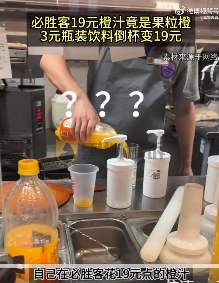
饮料加冰价格随即翻6倍,必胜客高价橙汁惹争议
Xi Niu Cai Jing· 2025-09-24 05:48
Group 1 - The core issue revolves around the pricing strategy of Pizza Hut's "Sunshine Orange" drink, which has been criticized for a significant markup compared to the retail price of similar products [2][3] - The drink, which is 280 milliliters, is sold for 19 yuan, while a 450-milliliter bottle of the same product retails for approximately 3 yuan, indicating a markup of about six times the cost of the raw material [2] - The controversy highlights a broader trend in the restaurant industry regarding beverage pricing, where drinks often represent a high-profit margin segment [3] Group 2 - There are mixed responses from Pizza Hut's customer service regarding the use of bottled drinks, with some representatives confirming the use of "Guoli Orange" while others suggested waiting for an official statement [2] - The incident has sparked polarized reactions among consumers, with some criticizing the high price and others defending the transparency of the pricing and ingredient disclosure [2] - The lack of a unified response from Pizza Hut's official channels has contributed to ongoing consumer skepticism [3]
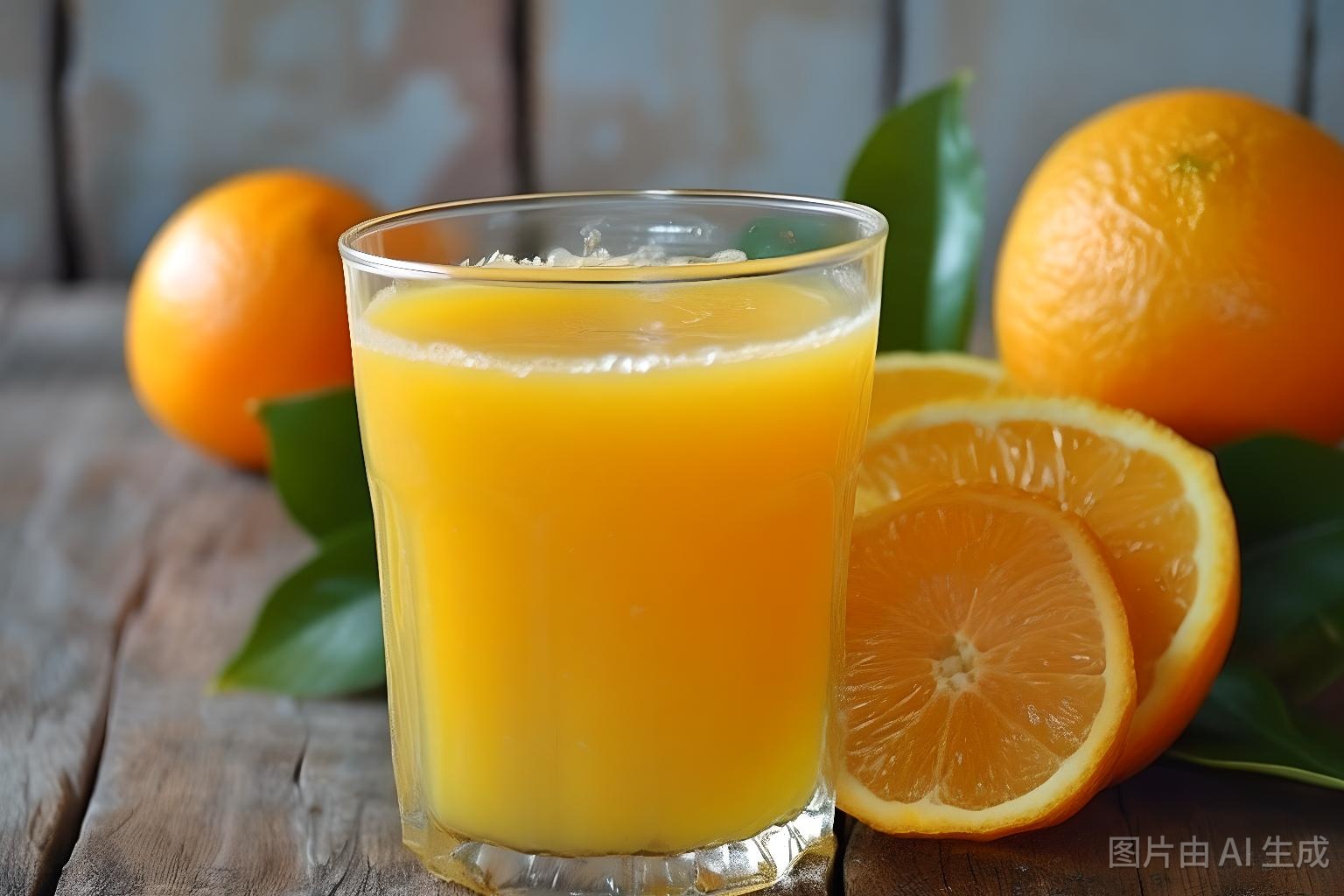
必胜客一杯橙汁卖19元实为果粒橙加冰,网友吐槽这钱太好赚
Xin Lang Ke Ji· 2025-09-18 06:25
Core Insights - The incident involves a customer at Pizza Hut who paid 19 yuan for a cup of orange juice, which was made by simply pouring a large bottle of orange juice into a glass [1][3] - The official Pizza Hut app lists the 280ml orange juice drink at a price of 19 yuan, with the main ingredient being Meizhiyuan orange juice [3] - A comparison shows that a 450ml bottle of the same orange juice is priced at only 3 yuan in the market, indicating a significant markup [3] Customer Reactions - Some customers expressed dissatisfaction, noting that the price of the drink is six times higher than the retail price, suggesting easy profit for the company [7] - Other customers defended the pricing, stating that the order page clearly indicates the actual ingredients, making the pricing reasonable [7]