腌笃鲜

Search documents
江苏苏州:寻味苏式年 | 鲜与咸:品一品太湖畔的渔家年味
Xin Lang Cai Jing· 2026-02-22 12:47
Core Viewpoint - The article emphasizes the cultural significance and culinary appeal of "Yandu Xian," a traditional dish from Suzhou, which embodies the essence of local flavors and seasonal ingredients, particularly during the spring festival [1][4]. Group 1: Cultural Significance - "Yandu Xian" is not just a dish but a vital part of Suzhou's spring celebrations, representing a deep-rooted culinary tradition that evokes memories of the New Year [1]. - The preparation of "Yandu Xian" reflects the local customs and the importance of seasonal ingredients, showcasing the simplicity and authenticity of Suzhou's culinary heritage [4][11]. Group 2: Culinary Practices - The dish is made using locally sourced ingredients such as fresh meat, homemade cured meat, and spring bamboo shoots, which are cooked slowly to enhance their flavors [4][6]. - The cooking process involves careful techniques, including proper salting and drying of meats, which are essential for achieving the desired taste and texture [9]. Group 3: Business and Economic Impact - The local farmer's restaurant, run by Shen Xuerong, has become a popular destination for both locals and tourists, highlighting the economic potential of traditional cuisine in attracting visitors [3][11]. - The restaurant has successfully adapted to modern logistics, allowing for the delivery of traditional food items, which has contributed to its growing popularity and sales, particularly during the festive season [9].

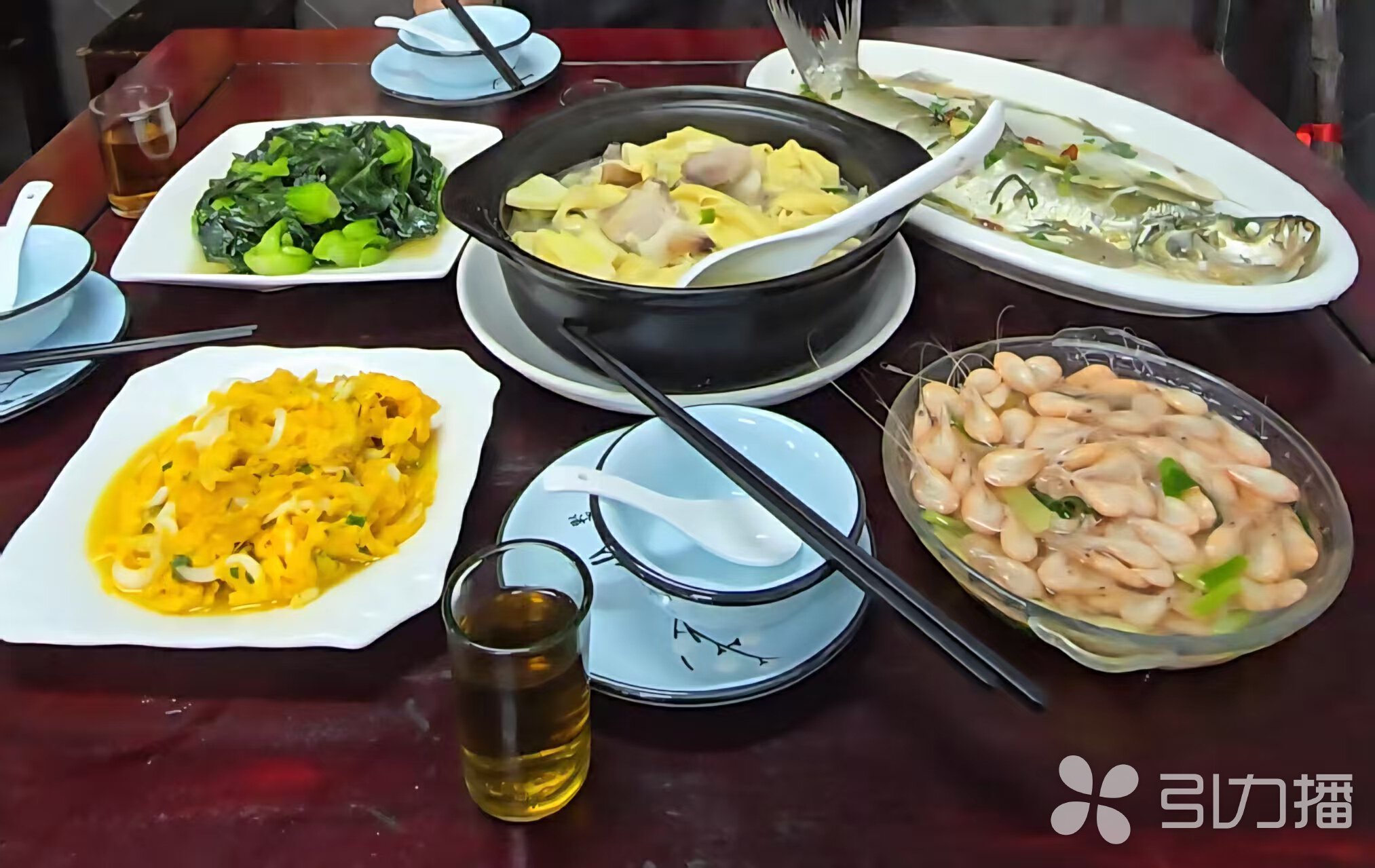
上海小南国曾年入20亿,如今十多家门店倒闭,消费者储存卡损失
Sou Hu Cai Jing· 2026-02-16 01:18
Core Viewpoint - The article discusses the sudden closure of the iconic Shanghai restaurant "Xiao Nan Guo," which had been a staple of local dining culture for over 40 years, highlighting its decline due to changing consumer preferences and the rise of pre-packaged food options [1][9]. Group 1: Company Background - Xiao Nan Guo was not just a restaurant but a cultural symbol for old Shanghai residents, known for its authentic local cuisine and the ambiance that resonated with the city's heritage [3][7]. - At its peak, the restaurant was extremely popular, with daily sales reaching up to 200,000 yuan, despite the average monthly salary in Shanghai being only 1,000 to 2,000 yuan [8]. Group 2: Business Evolution - The restaurant expanded beyond its original offerings, venturing into various sub-brands and cuisines, which led to a dilution of its core identity and essence [10][12]. - In January 2023, Xiao Nan Guo announced the sale of its Hong Kong restaurant group for just $100,000, which represented over 70% of its total revenue, indicating significant financial distress [10][12]. Group 3: Market Changes - The dining preferences of younger generations have shifted dramatically, favoring convenience and casual dining over the formalities that characterized previous dining experiences [12][14]. - The decline of traditional dining establishments like Xiao Nan Guo reflects broader changes in consumer behavior and the impact of modern technology on dining habits, such as the prevalence of food delivery services [12][14]. Group 4: Cultural Significance - Xiao Nan Guo's closure marks the end of an era, symbolizing the transition from traditional dining values to contemporary lifestyles, where the emphasis is on comfort and efficiency rather than formality [16][17]. - The restaurant's legacy is intertwined with the memories of Shanghai's past, serving as a witness to the city's evolution over the decades [16].

中国人的年味
Xin Lang Cai Jing· 2026-02-13 17:28
Group 1 - The article highlights the diverse ways of celebrating the New Year across different regions in China, emphasizing the unique cultural practices and culinary traditions that characterize each area [2][3][4]. - In the northern regions, particularly Northeast China, the New Year is marked by hearty meals and family gatherings, with traditional foods like dumplings symbolizing wealth and prosperity [2]. - In Jiangnan, the celebration features sweet dishes such as rice cakes and a rich soup made with preserved meats and bamboo shoots, symbolizing growth and abundance [3]. - In Lingnan, the festivities are vibrant and lively, with flower markets and a focus on auspicious foods like roast pig and chicken, reflecting a desire for good fortune in the coming year [4]. Group 2 - A common thread throughout these celebrations is the theme of "reunion," where the culmination of a year's hard work is celebrated with family, emphasizing the emotional connection and warmth shared during the New Year [5].
一碗腌笃鲜,“煨”熟临安20亿元雷笋产业链
Hang Zhou Ri Bao· 2026-02-13 03:25
Group 1 - The core point of the articles highlights the increasing popularity and economic significance of Tianmu bamboo shoots in Lin'an, driven by local culinary traditions and tourism [1][2] - The Tianmu bamboo shoot has become a national geographical indication agricultural product, contributing significantly to the income of local farmers, with over 60% of their income derived from the bamboo industry [2] - The annual production value of bamboo shoots in Lin'an is close to 500 million yuan, with the fresh bamboo shoot trading market being the largest in the Hangzhou area [2] Group 2 - Lin'an has implemented a "three-year action plan for bamboo industry revitalization" to support the growth of the bamboo industry, including the establishment of large-scale agricultural markets and traceability bases [2] - The integration of "food + cultural tourism" and "food + industry" models has accelerated the cross-industry collaboration between Tianmu bamboo shoots and rural tourism, enhancing local economic development [2] - By 2025, the total industrial chain value of Tianmu bamboo shoots is projected to exceed 2 billion yuan, indicating significant growth potential [2]
中经评论:预制菜国标推动行业更规范
Jing Ji Ri Bao· 2026-02-11 00:05
Core Viewpoint - The national standard for pre-prepared dishes has been released for public consultation, aiming to clarify consumer rights and safety regulations in the industry [1][2] Group 1: National Standard and Consumer Rights - The new national standard emphasizes consumer needs by proposing to ban preservatives and strictly control additives, which is welcomed by consumers [1] - There is a discrepancy between the public's understanding of pre-prepared dishes and the national standard, as "net vegetables" and "dishes made in central kitchens" are not classified as pre-prepared dishes [1] - Concerns arise that restaurants may use products from central kitchens without transparency regarding their quality and storage duration [1] Group 2: Regulation and Transparency - The issues related to pre-prepared dishes stem from restaurants misrepresenting central kitchen products as freshly cooked, similar to attending a live concert but receiving a recording instead [2] - To address these issues, two additional documents are necessary: the "Announcement on Promoting Self-Disclosure in the Catering Sector" and the previously issued "National Standard for Central Kitchen Operation Management" [2] - The new announcement encourages restaurants to disclose the processing methods of their dishes, potentially leading to clearer labeling on menus regarding the use of central kitchen semi-finished products or pre-prepared dishes [2] Group 3: Implementation and Market Response - The central kitchen standard is a recommended national standard, and the announcement merely encourages disclosure, leaving implementation to the discretion of businesses [3] - The market is expected to adapt to the standards, with many restaurants already highlighting their freshly cooked offerings to attract consumers [3] - Consumer acceptance of pre-prepared dishes has grown, as evidenced by the popularity of various pre-prepared items during festive seasons, indicating that transparency is key to consumer trust [3]
预制菜国标推动行业更规范
Jing Ji Ri Bao· 2026-02-10 22:13
Core Viewpoint - The national standard for pre-prepared dishes has been released for public consultation, aiming to clarify consumer rights and safety regulations in the industry [1][3]. Group 1: National Standard and Consumer Rights - The new national standard emphasizes consumer needs by proposing to ban preservatives and strictly control additives, which is welcomed by consumers [1]. - There is a discrepancy between the public's understanding of "pre-prepared dishes" and the national standard's definition, which excludes "clean vegetables" and dishes made in central kitchens from this category [1][3]. - Concerns arise that restaurants may use products from central kitchens without transparency, potentially compromising food safety [1][2]. Group 2: Regulatory Framework and Implementation - The issue of transparency in the use of central kitchen products requires additional regulations, including the "Announcement on Promoting Self-Disclosure in the Catering Sector" and the "Central Kitchen Operation Management Standards" [3]. - The new announcement encourages restaurants to disclose the preparation methods of their dishes, potentially leading to clearer labeling on menus [3]. - The central kitchen standards are recommended rather than mandatory, leaving the implementation and visibility of disclosures to the discretion of restaurants and regulatory bodies [3]. Group 3: Market Dynamics and Consumer Perception - The market is expected to adapt to the standards, with many restaurants already highlighting their freshly prepared dishes to attract consumers [4]. - Consumer acceptance of pre-prepared dishes has grown, as evidenced by the popularity of various pre-prepared items during festive seasons [4]. - The key issue lies in transparency; as long as consumers are informed and have the choice, they can enjoy both pre-prepared and freshly made dishes with confidence [4].
【滋味】未曾过年,先肥屋檐!解锁腌肉的家庭版配方
Xin Lang Cai Jing· 2026-01-03 14:05
Group 1 - The article discusses the traditional practice of making cured meat at home, emphasizing the simplicity and accessibility of the process [2][5] - Key ingredients for the curing process include pork belly (or other meats), salt, Sichuan pepper, and high-proof liquor, with a recommended salt ratio of 1:10 for meat [2][5] - The curing process involves several steps, including applying salt, using pepper and liquor for flavor enhancement, and ensuring proper weight and drying conditions during the curing period [8][10] Group 2 - The article highlights the importance of patience and time in achieving the unique flavor of cured meat, suggesting that the final product is a warm reminder of culinary traditions [12] - It mentions two classic local dishes that utilize cured meat: "腌笃鲜" and "腌肉菜饭," inviting readers to share their own methods of preparation [12]