香辣蟹

Search documents
从“一只蟹”到“一条百亿元级产业链”:水乡蟹农的共富密码
Zheng Quan Ri Bao· 2026-02-24 15:46
Core Viewpoint - Jiangsu Province's Xinghua City has developed its hairy crab industry into a modern pillar industry with an annual output value exceeding 100 billion yuan, leveraging ecological advantages and a full-chain layout to promote high-quality development and rural revitalization [1][8]. Industry Overview - Xinghua City is recognized as the "first county for hairy crab farming in the country," with a total aquatic product output of 328,600 tons as of the end of 2024, maintaining its position as the top inland fishery county in Jiangsu for 35 consecutive years [5]. - The area dedicated to hairy crab farming has reached 630,000 mu, with a production volume of 67,000 tons and a market value of 5.1 billion yuan, leading among county-level cities nationwide [5]. Farming Techniques - The local farming model, known as "one crab and two shrimp," combines crab and shrimp farming to enhance quality and reduce risks, resulting in a full industry chain value of over 100 billion yuan [2][5]. - The ecological farming practices have improved the quality of hairy crabs, with a fat content rate of 60%-70% and a significant reduction in limb loss rates [3]. Economic Impact - The average net income for farmers ranges from 9,000 to 24,000 yuan per household annually, with the farming area in Lujia Ba Village expanding to 3,640 mu and benefiting 117 crab farmers [4]. - The integration of modern technology, such as automated seed selection and intelligent water quality monitoring, has significantly increased farming efficiency [3]. Market and Distribution - Xinghua has established 13 large trading markets, including the Anfeng National Crab Market, and a comprehensive cold chain logistics and e-commerce service system, facilitating efficient distribution across the country [5][6]. - The daily trading volume during peak seasons exceeds 1 million kilograms, with a focus on high-value processing of smaller and damaged crabs into premium products [6]. Financial Support - Financial institutions have introduced specialized loan products like "Xingnong Industry Loan" and "Crab Farmer Loan" to support the crab farming industry, facilitating equipment upgrades and ecological farm construction [7]. - The local government has implemented a risk protection system through innovative insurance products, enhancing the financial security of the crab farming sector [7]. Future Outlook - Xinghua aims to continue extending, supplementing, and strengthening its industry chain, positioning the hairy crab as a sustainable driver for rural revitalization and shared prosperity [8].
【乐购新春·徽动消费】春节消费热江淮
Xin Lang Cai Jing· 2026-02-21 22:20
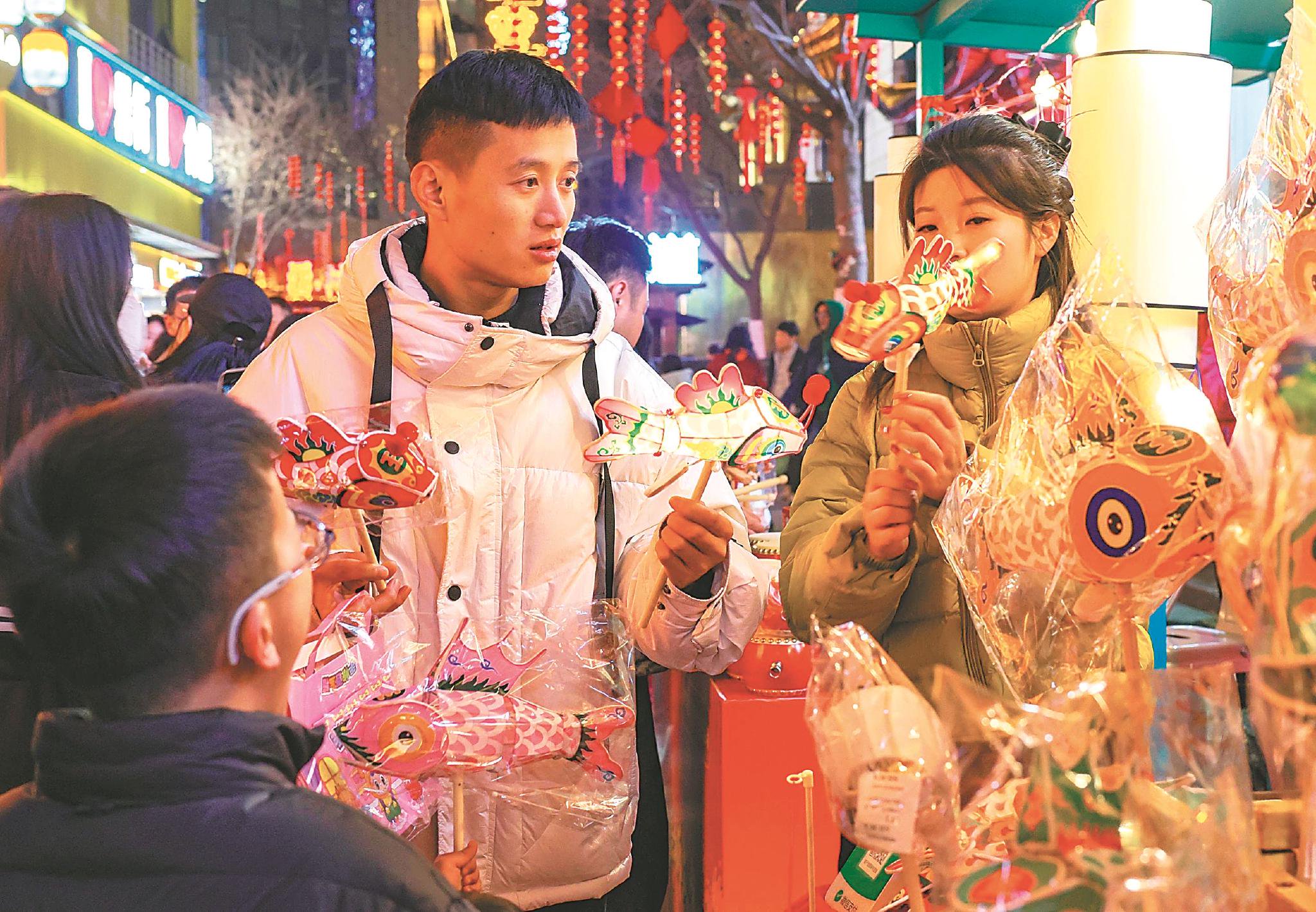
Core Viewpoint - The Spring Festival holiday has led to a significant increase in consumer activity across various sectors, with a focus on enhancing the festive experience through diverse promotional activities and events [3][4][6]. Group 1: Consumer Activity - The consumer market during the Spring Festival has shown a prosperous scene, with increased foot traffic in core business districts and popular tourist attractions [3]. - In Hefei, the Boxed Fresh store reported a 30% increase in customer traffic compared to normal days, with high sales of seafood and other festive foods [2]. - The "Joyful New Year" event in Hefei featured various activities aimed at boosting consumer engagement, including food competitions and cultural exhibitions [4]. Group 2: Policy Support and Incentives - Hefei and Huangshan have been selected as pilot cities for a prize invoice program, which has seen over 5.5 million invoices submitted, resulting in a total prize payout of approximately 68.6 million yuan [6]. - The province has increased subsidies for replacing old consumer goods during the holiday, encouraging businesses to hold promotional events for automobiles and electronics [6]. - Financial institutions have launched various consumer incentives, including discounts and cashback offers, to stimulate spending during the holiday period [7]. Group 3: Innovative Consumer Experiences - The immersive cultural performance "Splendid Taiping" debuted during the holiday, attracting 12,000 visitors and showcasing a blend of technology and traditional culture [5]. - The trend towards more complex and immersive consumer experiences is evident, with new consumption scenarios emerging that cater to evolving consumer expectations [5].


年夜饭,新味道多一点
Xin Lang Cai Jing· 2026-02-16 21:33
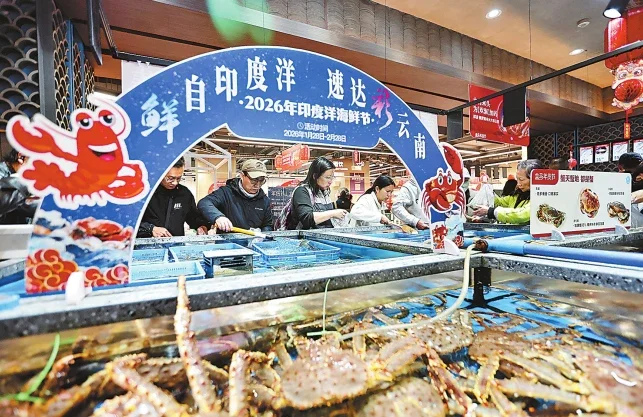
Core Insights - The article highlights the increasing popularity and evolving offerings of Chinese New Year dinner packages, particularly in Yunnan, with a focus on seafood and innovative dishes [2][3][4] Group 1: Restaurant Offerings - The Happy Seafood Restaurant has seen a rise in pre-bookings for New Year's Eve dinners, with capacity for over 600 guests and new menu items like Malaysian fish [2] - The Xiangyun Huiguan restaurant offers a range of dinner packages priced from 698 yuan to 3998 yuan, with the 2998 to 3298 yuan packages being the most popular [3] - New dishes such as "Cloud and Gui Freshly Made Tofu" and other Yunnan-inspired items have been introduced to attract consumers [3] Group 2: Consumer Trends - More young people are taking charge of New Year's dinner decisions, leading to a demand for diverse and innovative menu options [3] - The market for quick-preparation dishes has surged, with a reported 60% increase in sales for seafood and New Year's dinner products during peak days [4] - Consumers are increasingly focused on emotional value and health in their dining choices, prompting restaurants to offer smaller portion sizes and special options for pets [4]
年轻人告别“囤货”,厨房小白“整顿”春节餐桌|年货新趋势
Bei Ke Cai Jing· 2026-02-12 07:21
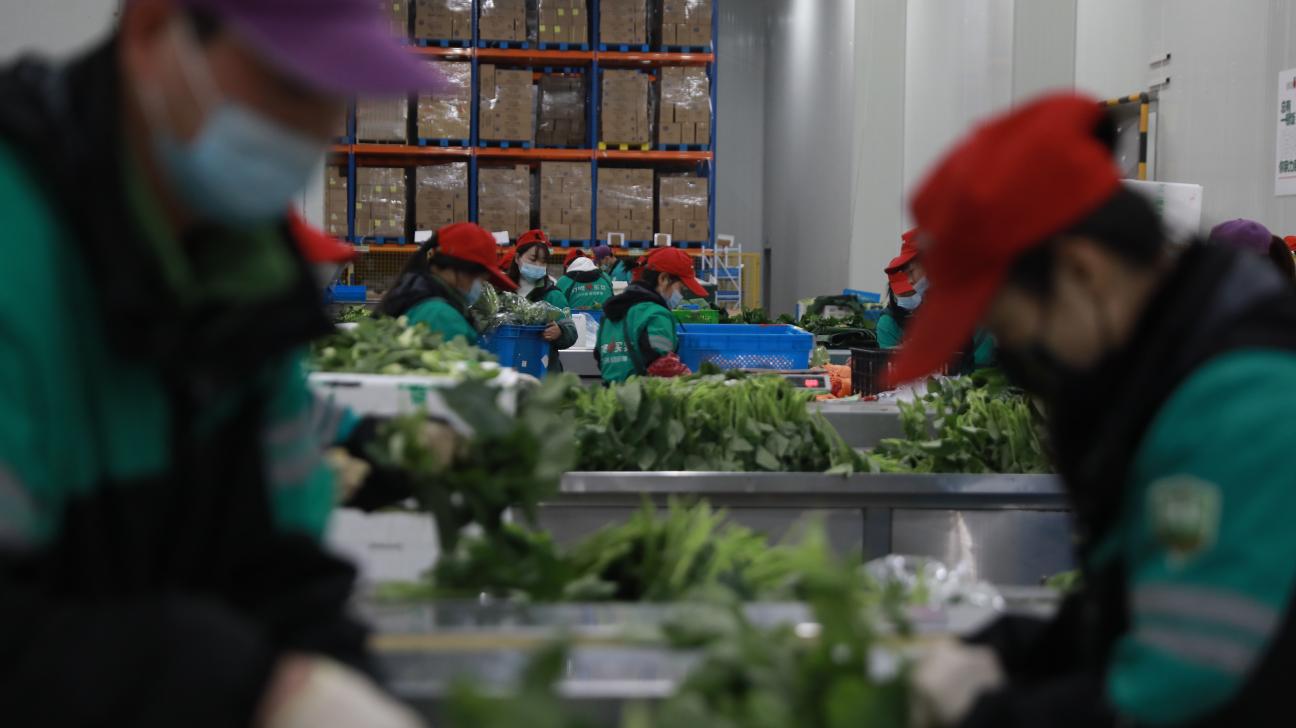
Core Insights - The younger generation is reshaping the Chinese New Year consumption model, favoring convenience and instant delivery over traditional bulk purchasing and complex cooking [1][9] - Fresh food retail platforms are adapting to these changes by offering innovative services and products that align with the preferences of young consumers [1][9] Group 1: Consumer Behavior - Young consumers are opting for "just-in-time" purchasing, avoiding bulk buying and food waste, with many using fresh food platforms for quick delivery [2][9] - The average spending on traditional New Year goods has been reduced, with consumers now focusing on fresh, quality ingredients delivered to their homes [2][9] - The trend of "no stockpiling" is becoming a new consensus among younger consumers, who are re-evaluating the time and effort spent on traditional New Year preparations [9] Group 2: Retail Strategies - Fresh food platforms like Dingdong Maicai are enhancing their logistics and inventory to meet the demand during the peak season, increasing stock levels to twice the normal amount [4][9] - Companies are implementing incentive programs for delivery personnel during the holiday season to ensure service continuity and efficiency [4][5] - Retailers are focusing on creating tailored product offerings for various festive scenarios, moving from merely selling products to providing comprehensive solutions [9] Group 3: Product Innovation - Platforms are introducing easy-to-cook, high-quality dishes that cater to the younger demographic's desire for convenience and culinary experience [7][8] - Dingdong Maicai has launched 72 types of New Year dishes that require minimal preparation, reflecting regional flavors and culinary innovation [7][9] - Hema Fresh is collaborating with celebrity chefs to create popular dishes that can be easily replicated at home, resulting in significant sales growth [8][9] Group 4: Market Trends - The instant retail sector in China is projected to reach a scale of 1 trillion yuan by 2026, with significant growth expected during festive periods [9] - The shift towards refined, scene-based, and quality-focused retail is evident as platforms adapt to the changing consumer landscape [9]

中经评论:预制菜国标推动行业更规范
Jing Ji Ri Bao· 2026-02-11 00:05
Core Viewpoint - The national standard for pre-prepared dishes has been released for public consultation, aiming to clarify consumer rights and safety regulations in the industry [1][2] Group 1: National Standard and Consumer Rights - The new national standard emphasizes consumer needs by proposing to ban preservatives and strictly control additives, which is welcomed by consumers [1] - There is a discrepancy between the public's understanding of pre-prepared dishes and the national standard, as "net vegetables" and "dishes made in central kitchens" are not classified as pre-prepared dishes [1] - Concerns arise that restaurants may use products from central kitchens without transparency regarding their quality and storage duration [1] Group 2: Regulation and Transparency - The issues related to pre-prepared dishes stem from restaurants misrepresenting central kitchen products as freshly cooked, similar to attending a live concert but receiving a recording instead [2] - To address these issues, two additional documents are necessary: the "Announcement on Promoting Self-Disclosure in the Catering Sector" and the previously issued "National Standard for Central Kitchen Operation Management" [2] - The new announcement encourages restaurants to disclose the processing methods of their dishes, potentially leading to clearer labeling on menus regarding the use of central kitchen semi-finished products or pre-prepared dishes [2] Group 3: Implementation and Market Response - The central kitchen standard is a recommended national standard, and the announcement merely encourages disclosure, leaving implementation to the discretion of businesses [3] - The market is expected to adapt to the standards, with many restaurants already highlighting their freshly cooked offerings to attract consumers [3] - Consumer acceptance of pre-prepared dishes has grown, as evidenced by the popularity of various pre-prepared items during festive seasons, indicating that transparency is key to consumer trust [3]
预制菜国标推动行业更规范
Jing Ji Ri Bao· 2026-02-10 22:13
Core Viewpoint - The national standard for pre-prepared dishes has been released for public consultation, aiming to clarify consumer rights and safety regulations in the industry [1][3]. Group 1: National Standard and Consumer Rights - The new national standard emphasizes consumer needs by proposing to ban preservatives and strictly control additives, which is welcomed by consumers [1]. - There is a discrepancy between the public's understanding of "pre-prepared dishes" and the national standard's definition, which excludes "clean vegetables" and dishes made in central kitchens from this category [1][3]. - Concerns arise that restaurants may use products from central kitchens without transparency, potentially compromising food safety [1][2]. Group 2: Regulatory Framework and Implementation - The issue of transparency in the use of central kitchen products requires additional regulations, including the "Announcement on Promoting Self-Disclosure in the Catering Sector" and the "Central Kitchen Operation Management Standards" [3]. - The new announcement encourages restaurants to disclose the preparation methods of their dishes, potentially leading to clearer labeling on menus [3]. - The central kitchen standards are recommended rather than mandatory, leaving the implementation and visibility of disclosures to the discretion of restaurants and regulatory bodies [3]. Group 3: Market Dynamics and Consumer Perception - The market is expected to adapt to the standards, with many restaurants already highlighting their freshly prepared dishes to attract consumers [4]. - Consumer acceptance of pre-prepared dishes has grown, as evidenced by the popularity of various pre-prepared items during festive seasons [4]. - The key issue lies in transparency; as long as consumers are informed and have the choice, they can enjoy both pre-prepared and freshly made dishes with confidence [4].
厨房小白也能做好主厨年夜饭? 盒马杭州携手米其林主厨共创年菜
Mei Ri Shang Bao· 2026-02-04 22:16
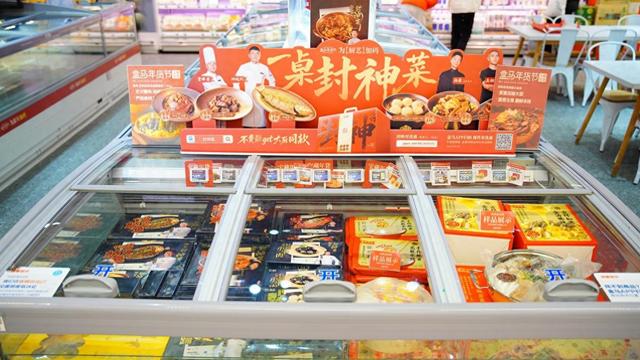
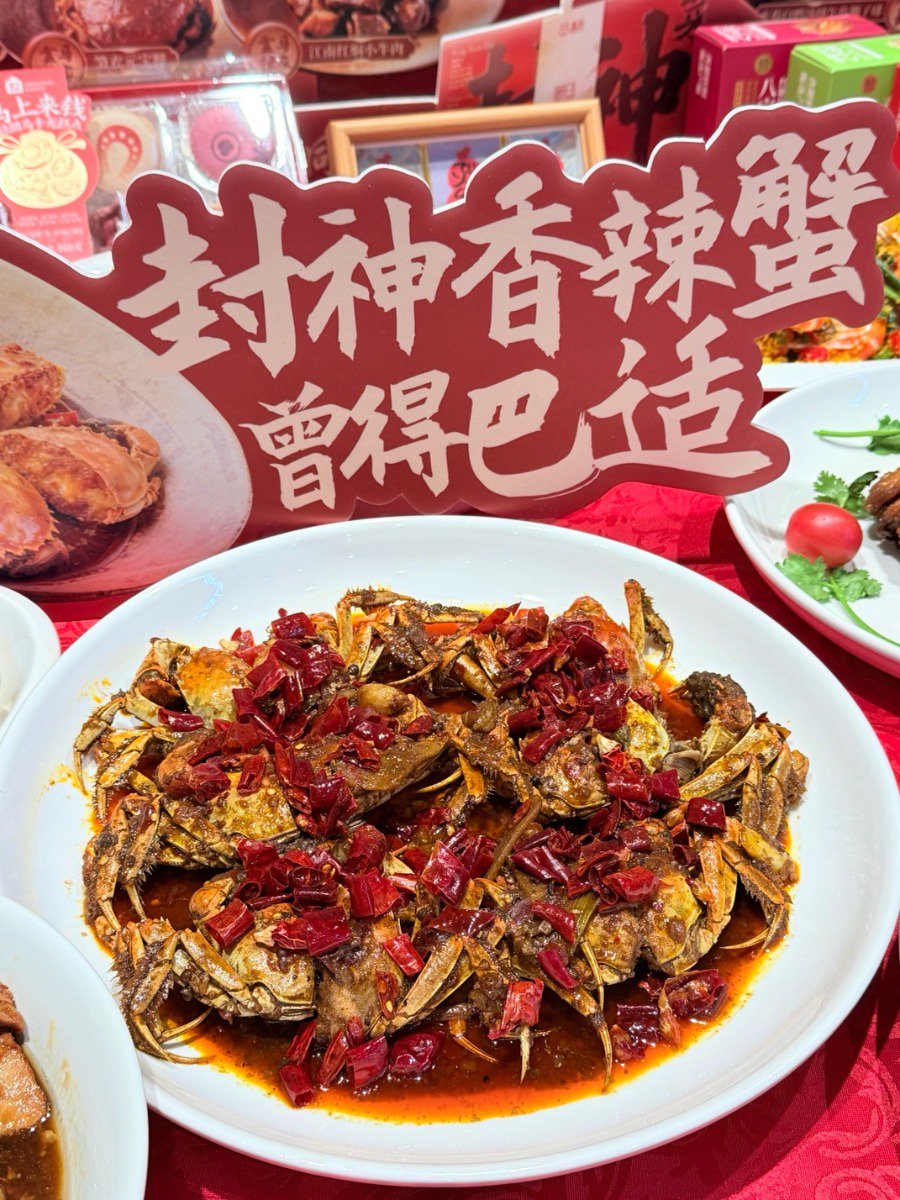
Group 1 - The core idea of the articles revolves around Hema's innovative approach to the Chinese New Year food market, emphasizing unique and creative dishes that cater to consumer preferences for both traditional and modern flavors [1][2][3] - Hema has launched a "Fengshen" series of New Year dishes in collaboration with Michelin-starred chefs, aiming to provide consumers with easy-to-replicate gourmet meals at home [1][2] - Consumer research indicates that during the Spring Festival, families typically prepare an average of 3.3 large meals, with nearly 90% preferring hometown flavors and over 80% willing to try creative dishes [1] Group 2 - The popularity of dishes featured in food variety shows has led to a significant increase in online discussions and searches, with some dishes exceeding ten million searches [2] - Hema's collaboration with popular chefs has resulted in the recreation of well-received dishes from food shows, meeting consumer demand for both local flavors and new experiences [2] - The "Fengshen" series has seen a 116% year-on-year sales growth since its launch, with the spicy crab and burnt pepper bass being the most popular items among consumers [3]
米其林主厨+本地化年菜套餐热销 盒马今年携手米其林主厨共创年菜
Xin Lang Cai Jing· 2026-02-04 10:18
Core Insights - The core focus of the article is on the rising popularity of "spicy crab" as a new trend in Chinese New Year meals in Nanjing, driven by Hema's collaboration with renowned chefs to create easy-to-prepare festive dishes [1][6]. Group 1: Sales and Consumer Trends - Hema's "封神" series of New Year dishes has seen a sales increase of 116% since its launch, with spicy crab and grilled pepper bass being the most popular items [6]. - Consumer research indicates that families prepare an average of 3.3 large meals during the Spring Festival, with nearly 90% preferring hometown flavors and over 80% willing to try creative dishes [5][6]. Group 2: Culinary Innovation - Hema has partnered with four celebrity chefs to recreate popular dishes from a food variety show, making them accessible for home cooking [5][6]. - The company has innovated cooking techniques, such as introducing a bubble system in oil frying to replicate the delicate cooking methods used by chefs, ensuring consistent quality in mass production [9]. Group 3: Local and Regional Offerings - In addition to the "封神" series, Hema has introduced various regional dishes, including "八宝糯米蒸红膏蟹" and "东北炖大鹅," catering to diverse consumer tastes [11]. - Hema has also focused on local Nanjing cuisine by offering traditional dishes in gift boxes, appealing to the nostalgia of local residents [12].
中经评论:年夜饭为何不排斥快手菜
Jing Ji Ri Bao· 2026-01-28 00:04
Group 1 - The core idea of the articles revolves around the rising popularity of "quick dishes" as a convenient solution for the traditional Chinese New Year dinner, contrasting with the negative perception of "pre-made dishes" due to lack of transparency and consumer choice [1][2][3] - Consumer preferences are shifting towards convenience, high quality, and a sense of ritual during the Spring Festival, with 74% viewing it as a time for relaxation [2] - Quick dishes are seen as a way to simplify meal preparation, allowing consumers to enjoy the festive experience without the extensive time commitment typically associated with cooking [2][3] Group 2 - Trust is a prerequisite for consumer acceptance of quick dishes, with platforms focusing on food safety and quality to alleviate concerns [3] - Industry standards are evolving, with new food safety regulations being drafted to enhance transparency and consumer confidence in pre-made dishes [3] - The changing expectations of consumers indicate a desire for less time spent cooking while still enjoying a rich and authentic dining experience during the New Year celebration [3]

给鲈鱼洗“泡泡浴”、把午鱼做成狮子头……盒马年菜主攻网友点的菜
Xin Lang Cai Jing· 2026-01-21 05:08
Core Insights - The article discusses the increasing popularity of Hema's new spicy crab dish, part of their "Fengshen" series for the upcoming Chinese New Year, which has generated significant buzz on social media and attracted many customers to try it [1][3]. Group 1: Product Innovation - Hema has collaborated with Michelin-starred chef Zeng Huaijun to create unique dishes for the New Year, aiming to provide consumers with easy-to-replicate gourmet meals at home [3][5]. - The "Fengshen" series features a blend of regional cuisines, including Sichuan, Fujian, Northwest, and local Shanghai flavors, and has seen a 116% year-on-year sales increase since its launch [5][9]. Group 2: Consumer Preferences - Research indicates that during the Spring Festival, families typically prepare an average of 3.3 large meals, with nearly 90% preferring dishes that reflect their hometown flavors, and over 80% willing to try creative new dishes [3][5]. - The popularity of dishes like "Burnt Pepper Bass" and "Yongchun White Duck Stewed Fish Lion Ball" has surged, with online searches exceeding ten million, reflecting consumer demand for both traditional and innovative flavors [5][9]. Group 3: Culinary Challenges - Hema faced significant challenges in replicating chef recipes for mass production, particularly with dishes requiring precise cooking techniques, such as the oil immersion method for the bass [7][9]. - The company innovated by introducing a bubble system in the oil to maintain consistent temperature control, allowing for the industrialization of complex cooking methods [7]. Group 4: Broader Offerings - In addition to the "Fengshen" series, Hema has introduced other regional specialties like "Eight Treasure Sticky Rice Steamed Red Crab," "Northeast Braised Goose," and "Sichuan Beer Duck," catering to diverse consumer tastes [9].