
自动续费服务

Search documents
21万条投诉:难取消的自动续费正暗撮撮地扣款
第一财经· 2026-01-19 07:06
Core Viewpoint - The article highlights the issue of unauthorized automatic deductions from consumer accounts by various platforms, emphasizing the lack of transparency and the difficulties consumers face in canceling such services [2][3][10]. Group 1: Consumer Experiences - Many consumers have reported similar experiences of unexpected automatic deductions, often discovering them only after reviewing their bank statements [3][4]. - A significant number of complaints on platforms like Black Cat Complaints focus on three main issues: lack of prior notification before deductions, hidden reminders, and refusal to refund upon request [3][4]. - Specific cases illustrate how consumers, like Sun and Liu, faced continuous deductions without clear communication or reminders, leading to significant financial losses [5][7]. Group 2: Company Practices - Companies often employ marketing strategies that include low initial fees to attract consumers while embedding automatic renewal clauses that are not clearly communicated [3][6]. - Some platforms have complicated cancellation processes, making it difficult for consumers to unsubscribe from services, which raises concerns about consumer rights and protections [11][12]. - The article mentions that certain companies, like Point Technology, have been involved in unauthorized deductions, with consumers often unaware of the terms they agreed to [5][6]. Group 3: Regulatory Environment - Recent reports indicate that regulatory bodies are becoming more aware of the issues surrounding automatic renewals and unauthorized deductions, leading to potential future regulations [13][14]. - The upcoming implementation of the Internet Platform Pricing Behavior Rules aims to protect consumer rights regarding automatic renewals and deductions [13][14]. - The article suggests that there are significant gaps in the current regulatory framework that need to be addressed to safeguard consumer interests [12][14].


主动排查续费设置 让支付便捷又省心
Xin Lang Cai Jing· 2025-12-30 21:15
Core Viewpoint - The article emphasizes the importance of managing automatic renewal services to prevent unexpected charges, while highlighting the convenience these services bring to consumers in the digital economy [1][2]. Group 1: Company Initiatives - Huanping Insurance has launched a public initiative to share management tips for automatic renewal services, aiming to enhance consumer experience and protect user rights [1]. - The company believes that the core advantage of automatic renewal is efficiency and peace of mind, which can be achieved through proper management [1]. Group 2: Management Guidelines - The company provides a practical management guide that includes: rationally authorizing services, regularly checking payment platforms, enabling transaction notifications, and promoting family assistance for older adults [1][2]. - Consumers are encouraged to conduct a "payment check-up" quarterly to review and clean up unused renewal services [1]. Group 3: User Engagement and Platform Optimization - Huanping Insurance calls for consumers to adopt proactive management and rational usage habits regarding payment services, while also urging platforms to optimize their user interfaces for better accessibility [2]. - The article outlines specific steps for managing automatic renewal on popular payment platforms like Alipay and WeChat, emphasizing the importance of user awareness in preventing unexpected charges [2].
中消协发布三季度消费投诉情况分析 八类消费投诉热点需注意
Xin Hua Wang· 2025-11-07 12:33
Core Insights - The China Consumer Association reported a total of 536,761 consumer complaints in Q3 2025, marking a year-on-year increase of 7.9% [1] - Complaints related to false advertising, safety issues, and contract problems have seen a significant rise compared to Q3 2024 [1] Group 1: Complaint Trends - The main complaint issues identified include shortcomings in overseas travel platforms, particularly in service delivery and customer support [2] - The rise in complaints about automatic renewal services is attributed to hidden terms, lack of fee reminders, and difficulties in cancellation [3] - There has been a notable increase in complaints regarding power banks, particularly concerning safety certifications and misleading product specifications [3] Group 2: Specific Issues in Travel and Services - Consumers face challenges with travel platforms that fail to assist in refund requests when hotels refuse to cooperate, leading to dissatisfaction [2] - Information on travel platforms is often outdated, resulting in consumers arriving at hotels that are no longer operational or have changed names [2] - The discrepancy between advertised and actual hotel conditions has led to increased consumer frustration [2] Group 3: Automatic Renewal and Product Complaints - Automatic renewal complaints are rising due to the obscured presentation of renewal terms and inadequate notification before charges are made [3] - Consumers report difficulties in canceling subscriptions due to hidden options and unresponsive customer service [3] - Complaints about power banks include issues with non-compliance to safety standards and exaggerated product claims, particularly from smaller brands [3]
中消协:第三季度共受理消费者投诉536761件
Zhong Guo Xin Wen Wang· 2025-11-07 06:56
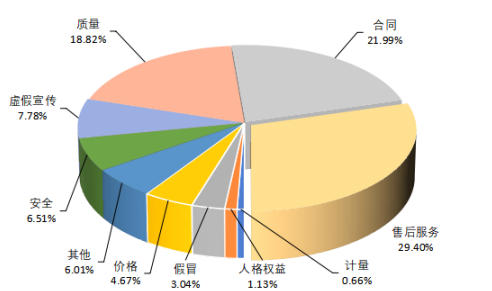
Core Points - The China Consumers Association reported a total of 536,761 consumer complaints in the third quarter of 2025, representing a year-on-year increase of 7.9% [1] - A total of 274,427 complaints were resolved, recovering economic losses of 236 million yuan for consumers [1] - The number of consumer visits and consultations reached 155,900 [1] Complaint Nature Analysis - After analyzing the nature of complaints, after-sales service issues were the most prominent, accounting for 29.4% of total complaints [2] - Compared to the third quarter of 2024, complaints regarding false advertising, safety, and contract issues increased, while complaints about after-sales service, quality, and measurement decreased [4] Complaint Classification by Issues - In the third quarter of 2025, complaints related to after-sales service totaled 157,786, representing 29.4% of total complaints, while contract-related complaints were 118,043 (21.99%) [5] - Quality complaints accounted for 101,001 (18.82%), and false advertising complaints were 41,739 (7.78%) [5] Product and Service Category Analysis - Product-related complaints totaled 283,263, making up 52.77% of total complaints, while service-related complaints were 231,542 (43.14%) [6] - The top five categories for product complaints included home electronics, daily goods, food, clothing, and transportation tools [6] - For service complaints, the leading categories were life and social services, internet services, education and training services, cultural and entertainment services, and sales services [6] Complaint Hotspots and Typical Cases - The rise of the trendy toy economy has led to significant complaints regarding product quality and after-sales service, particularly in blind box and figurine purchases [11] - Complaints about misleading advertising and safety issues in the weight loss product market have also surged, with many consumers reporting adverse health effects [15] - Pet consumption disputes have increased, with issues such as hidden health problems and misleading marketing practices being reported [19] - Complaints related to overseas travel services have highlighted shortcomings in information accuracy and service fulfillment by travel platforms [23] - The issue of automatic renewal services continues to rise, with complaints about hidden terms and lack of cancellation options [27] - Complaints regarding smart driving technology have emerged, focusing on performance limitations and lack of transparency in data sharing [31] - A significant increase in complaints about power banks has been noted, particularly concerning product recalls and safety concerns [37] - Insurance consumption complaints have risen, with issues related to misleading marketing and unauthorized automatic renewals being prevalent [38]
遭遇自动扣费如何投诉?网络时代新选择
Xin Lang Cai Jing· 2025-10-16 09:37
Core Viewpoint - The convenience of automatic billing has become a default option in many services, but it also hides significant risks for consumers, including unexpected charges and difficulties in obtaining refunds [1][2]. Group 1: The Gray Area of Automatic Renewal - The controversy surrounding automatic billing primarily revolves around "informed consent," as many applications set the "automatic renewal" option as the default, often obscuring cancellation options in small print [2]. - For platforms, automatic renewal enhances user retention and provides stable income, leading to a lack of transparency that undermines consumer rights [2]. - Legal experts indicate that failure to prominently inform users about upcoming renewals may violate consumer rights, and continued charges after cancellation could constitute breach of contract or unjust enrichment [2]. Group 2: Consumer Actions When Issues Arise - The most direct action for consumers facing unwanted renewals is to contact platform customer service, with some companies offering a "refund within seven days of automatic renewal" policy [3]. - However, not all platforms respond positively; some users report being denied refunds with excuses related to system limitations or lengthy review processes [3]. - If negotiations fail, consumers can file complaints with regulatory bodies, such as through the "12315" system, to report issues related to inadequate disclosure or misleading practices [3]. Group 3: New Options in the Digital Age - Increasingly, consumers are turning to social complaint platforms, such as "Black Cat Complaints," to report issues related to automatic billing [4]. - These platforms allow users to describe their problems and submit evidence, with the complaint process being publicly displayed to enhance transparency [4][5]. - The "red and black list" feature on such platforms provides consumers with pre-purchase insights, allowing them to see past complaint volumes and response rates, which serves as a warning for potential issues [6]. Group 4: Preventing Automatic Billing Traps - Prevention is easier than remedy; users should carefully read service terms, especially regarding renewal clauses, before subscribing [8]. - Many apps allow users to disable automatic renewal, but the option may be buried in settings, requiring thorough navigation [8]. - Regularly checking bank and payment records can help identify unusual charges, and users should cancel automatic renewals on both the platform and payment channels [8]. Conclusion - The original intent of automatic billing is to provide convenience, but a lack of transparency can lead to unfair charging practices [9]. - A healthy consumer environment requires proactive regulation from companies and vigilance from consumers, encouraging them to report issues to promote market fairness [9][10].