
荣耀YOYO

Search documents
字节已开启豆包手机助手正式版项目,新机预计2026年Q2中晚期发布
3 6 Ke· 2026-01-29 05:30
Group 1 - ByteDance is set to launch the official version of the Doubao mobile assistant by the end of 2025, with the new device expected to be released in late Q2 2026, showing significant improvements over the first-generation test version [1] - The Doubao mobile assistant will continue its collaboration with ZTE Nubia for hardware, while ByteDance will focus on AI development, indicating a strategic partnership to enhance product capabilities [1][2] - The competition in the AI mobile assistant market is intensifying, with major players like Huawei, Xiaomi, and OPPO developing their own AI assistants, highlighting the importance of proprietary technology in the industry [2] Group 2 - ByteDance's collaboration with ZTE is partly due to ZTE lacking its own AI assistant, similar to Huawei's initial partnerships, which reflects the reluctance of many manufacturers to rely on external AI solutions [2] - The emergence of AI applications in various hardware, such as glasses and in-car screens, suggests a trend towards deeper integration between AI and hardware manufacturers, with companies like Alibaba also venturing into hardware production [4] - The development of AI phones is transitioning from mere technical demonstrations to a competitive "ecosystem battle," where companies will need to establish robust AI agents that can integrate with their ecosystems effectively [4]


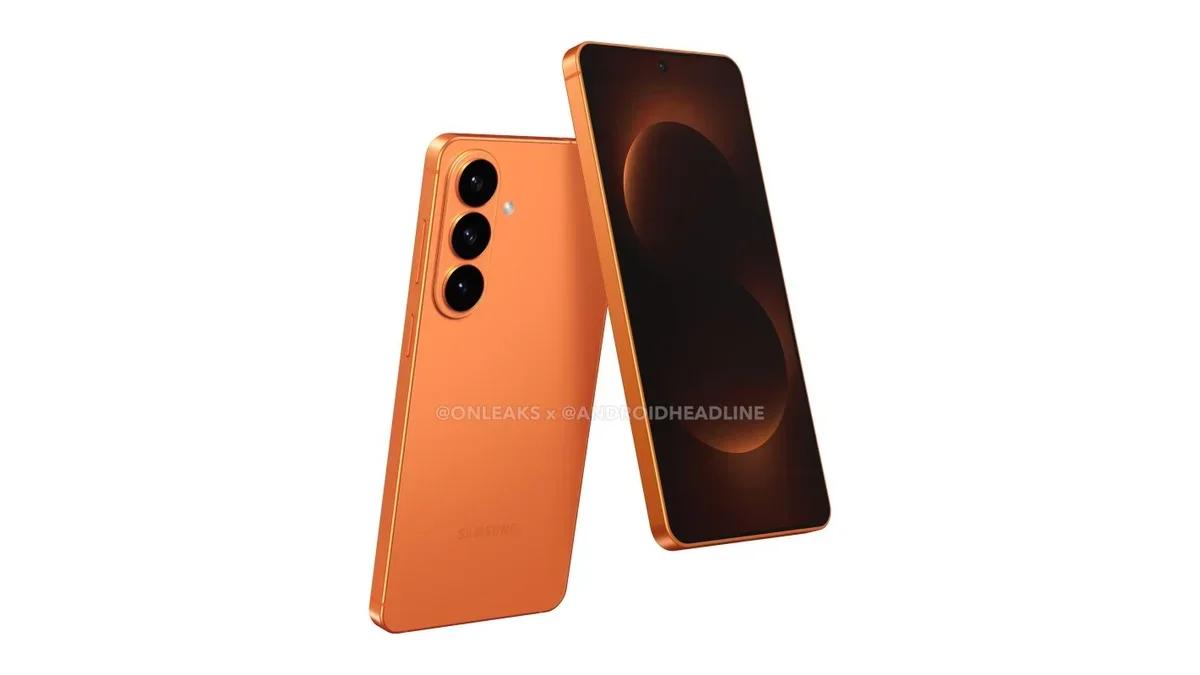
三星憋大招:本地大模型上车S26,手机AI的端侧大战要打响了?
3 6 Ke· 2025-12-20 09:08
Core Insights - Mobile manufacturers are increasingly integrating AI capabilities, with companies like Honor and Huawei enhancing their AI systems for better user interaction [1][3] - Despite advancements, mobile AI still relies heavily on cloud connectivity, indicating that it has not yet fully transitioned to local processing [1][4] - Samsung is set to introduce a local large model in its upcoming Galaxy S26 series, which could signify a shift towards more autonomous mobile AI functionalities [3][10] Group 1: Current Trends in Mobile AI - The integration of AI in mobile devices is becoming more sophisticated, with features that allow for seamless task completion across applications [1][4] - Samsung's local model, previously known as "Gauss," is being revisited as the company aims to enhance its AI capabilities beyond cloud reliance [3][10] - The industry is witnessing a shift where AI is expected to take on more operational roles rather than just answering queries, indicating a move towards more complex interactions [7][16] Group 2: Challenges and Limitations - The current model of cloud-based AI is effective due to the computational power available in cloud servers, which handle complex tasks while mobile devices manage basic interactions [4][12] - Local deployment of AI models faces significant challenges, including hardware limitations related to memory, processing power, and energy consumption [8][10] - The transition to fully local AI models is hindered by the need for stability and maintenance, as local models cannot be updated as rapidly as cloud-based ones [8][11] Group 3: Future Outlook - The advancements in chip technology, such as Qualcomm's Snapdragon 8 Gen 2, are paving the way for more capable local AI models that can handle continuous tasks [10][12] - While local AI models are being discussed, the consensus among manufacturers is that a hybrid approach of cloud and local processing remains the most viable solution for the time being [12][16] - The introduction of local AI capabilities may not drastically change the mobile AI landscape immediately, but it will raise the technical standards for flagship devices [16]
合集回顾:手机智能体的来龙去脉 4个问题带你看
2 1 Shi Ji Jing Ji Bao Dao· 2025-12-12 00:49
Core Insights - The article discusses the evolution of mobile AI assistants, highlighting their transition from basic chatbots to advanced personal assistants capable of performing tasks on behalf of users, thus reshaping the AI ecosystem [1][3][4] Group 1: Core Capabilities - Mobile AI assistants are changing the reliance on traditional apps, with major brands like Xiaomi, Honor, Vivo, OPPO, Huawei, and Samsung integrating their own AI assistants into devices [3][4] - Initial capabilities of these AI assistants were overhyped, with real-world success rates for tasks like food delivery being below 3% for most [3][4] - Two main technical routes for mobile AI assistants are identified: intent frameworks that require app cooperation and GUI agents that simulate user actions, with the latter being more prevalent [4][5] Group 2: Privacy and Security - The use of screen-reading capabilities by mobile AI assistants raises significant privacy concerns, as they can access sensitive information like chat logs and banking details [6][7] - The transfer of control to AI assistants poses risks, including potential misinformation and execution errors, which could lead to legal issues [6][7] - Systemic data security risks arise from high-privilege applications operating without external oversight, leading to potential misuse [7][8] Group 3: Commercial Dynamics - The competition between internet apps and mobile AI assistants is intensifying, with concerns that AI could replace human interactions, impacting app engagement metrics and advertising revenues [10][11] - The introduction of AI assistants like Doubao has sparked discussions about the future of app ecosystems and the potential for apps to become mere tools for AI [10][11] - The ongoing struggle for control over user data and the implications of AI's role in transactions highlight the need for clear regulations and responsibilities [12][13] Group 4: Future Considerations - The article emphasizes the necessity for transparent authorization mechanisms and clear accountability in AI operations to establish trust and legitimacy [13][14] - Proposals for giving AI assistants a distinct identity and establishing a regulatory framework are discussed as potential solutions to current challenges [14][15]
手机之后,字节AI眼镜或跟上
财联社· 2025-12-05 04:52
Core Viewpoint - The competition in the AI industry is shifting from large model parameters to the hardware applications of AI, with major companies vying for the next generation of hardware entry points, particularly AI glasses and smartphones [5][6]. Group 1: AI Hardware Competition - Major companies like Alibaba, ByteDance, and Baidu are rapidly developing AI glasses to establish a foothold in the AI hardware ecosystem [4][6]. - The AI glasses are seen as the next critical terminal after smartphones, with both startups and major internet companies entering the market [6][7]. - The integration of AI capabilities into smartphones and AI glasses aims to create a closed-loop hardware ecosystem, with ByteDance's ambitions being particularly notable [7][13]. Group 2: User Interaction and Functionality - The "Doubao AI Assistant" on the Nubia M153 smartphone can perform tasks such as gaming and controlling smart devices, showcasing the potential of AI in enhancing user experience [8][11]. - AI assistants from various companies, including Alibaba's Qianwen Assistant, are being integrated into AI glasses to enable voice-controlled operations [12]. - The future of smartphones may involve AI generating interfaces and operations based on user intent, reducing reliance on traditional input methods [13]. Group 3: Regulatory Challenges - The integration of AI assistants with third-party applications like WeChat faces significant regulatory hurdles, leading to the suspension of certain functionalities due to compliance issues [15][17]. - Major apps, particularly WeChat, have strict regulations against automated operations, which complicates the deployment of AI assistants [17][22]. - Previous attempts by other smartphone manufacturers to integrate AI functionalities with WeChat have also been halted, indicating a broader trend of resistance from app developers [18][20]. Group 4: Hardware Development Challenges - Internet companies lacking hardware expertise face significant challenges in developing smart terminals, as evidenced by past struggles of companies like Google and ByteDance in the smartphone market [23][24]. - Despite skepticism about the sustainability of hardware ventures, some experts believe that companies like ByteDance can leverage their existing user base to support hardware initiatives [25]. - Alibaba's strength lies in its stable B2B customer base, while Baidu's advantage is its search capabilities, which can enhance the functionality of AI glasses [25].

“豆包AI助手”手机售罄
财联社· 2025-12-02 14:34
Core Viewpoint - The nubia M153 phone, featuring the "Doubao AI Assistant," has gained significant attention, with its technical preview version selling out at a price of 3499 yuan, indicating strong market interest in AI-integrated mobile devices [4][6]. Group 1: Product Overview - The nubia M153 is marketed primarily to industry professionals for experiencing the Doubao AI Assistant, with a caution that it is not a fully mature product for general consumers [6]. - The phone is an engineering sample developed in collaboration with Doubao, which leads the product definition and experience, while nubia focuses on hardware engineering and technology development [8]. Group 2: Market Dynamics - On second-hand platforms, the nubia M153 is being resold for prices ranging from 3999 to 4599 yuan, with F codes being sold for around 100 yuan [8]. - Doubao is in discussions with multiple smartphone manufacturers for potential collaborations, but there are currently no confirmed partnerships [9]. Group 3: Competitive Landscape - Major smartphone manufacturers like Huawei, Xiaomi, and OPPO have already developed their own AI assistants, indicating a competitive landscape in the AI mobile assistant space [9]. - The integration of AI into mobile operating systems is being explored by various manufacturers, with a focus on creating platform-level AI capabilities [9]. Group 4: Challenges and Considerations - The successful implementation of mobile AI assistants requires overcoming ecological challenges, including obtaining permissions from major internet application providers like Alibaba and Tencent [11]. - The integration of AI and mobile technology necessitates modifications to operating systems, which could conflict with the core interests of smartphone manufacturers [12].

两部门发文,DeepSeek、Kimi、豆包等或将入围
21世纪经济报道· 2025-11-23 14:31
Core Viewpoint - The article discusses the newly released draft regulations for personal information protection by large internet platforms in China, emphasizing the responsibilities and obligations these platforms must adhere to in safeguarding user data [1][3]. Group 1: Regulatory Framework - The draft regulations define large internet platforms based on user scale, specifically those with over 50 million registered users or 10 million monthly active users [5]. - Major companies like Tencent, Alibaba, ByteDance, and emerging AI firms such as DeepSeek and MiniMax are included under this definition, indicating a broader scope of regulation [3][5]. - The principle of "with great power comes great responsibility" is highlighted, indicating that larger platforms will face stricter compliance requirements [1][3]. Group 2: Compliance Requirements - Large platforms are required to establish dedicated personal information protection teams responsible for creating and implementing internal management systems and emergency response plans [10]. - The regulations mandate that personal information collected within China must be stored in domestic data centers, and platforms must conduct compliance audits and risk assessments [11]. - There is an emphasis on the need for platforms to publish social responsibility reports regarding personal information protection, which has previously been inadequately addressed by many companies [10]. Group 3: Independent Oversight - The draft regulations propose the establishment of independent supervisory committees composed mainly of external members to oversee personal information protection practices [13][15]. - These committees are tasked with monitoring compliance, evaluating the protection of sensitive personal information, and ensuring regular communication with users [15]. - Concerns are raised about the feasibility of these committees, as many platforms have yet to take significant steps towards establishing them [14].






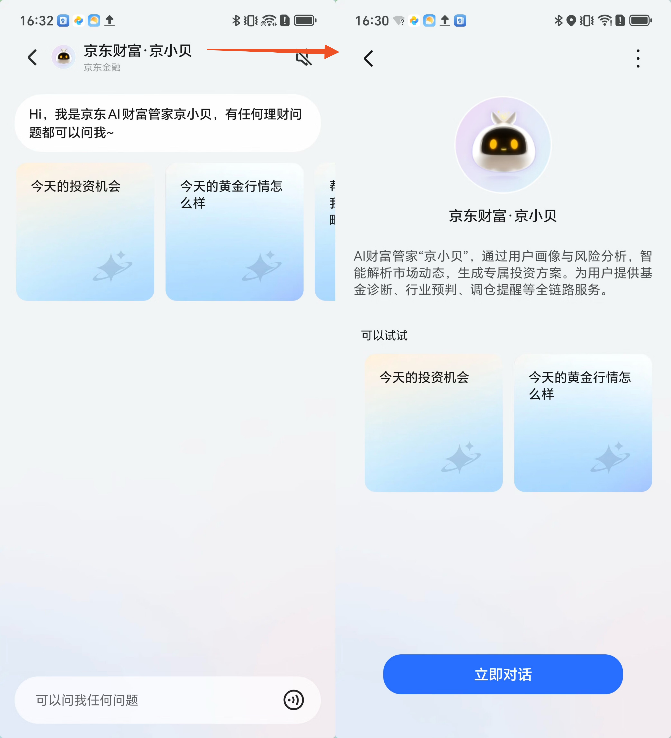
京东金融京小贝接入荣耀YOYO 开启“终端AI+智慧金融”服务新范式
Zhong Jin Zai Xian· 2025-10-24 09:27
Core Insights - JD Finance's AI wealth manager "Jing Xiaobei" is set to launch on Honor YOYO, marking the first integration of JD's intelligent system within Honor's ecosystem [1][3] - The collaboration exemplifies the integration of "terminal AI + smart finance," providing a practical model for industry convergence [1] Company Summary - Jing Xiaobei utilizes a multi-model fusion and multi-agent collaboration architecture, combining JD's large model with its financial intelligence capabilities to offer personalized investment recommendations [1] - The AI system is designed to continuously learn user preferences, enabling tailored asset allocation strategies and reducing the decision-making barrier for average users [1][4] Industry Summary - The partnership breaks down barriers between financial services and terminal scenarios, allowing Honor phone users to access Jing Xiaobei's services easily through voice commands [3] - This collaboration opens new user engagement channels for financial technology companies and provides a viable path for terminal manufacturers to expand high-value service scenarios [3] - Future developments in this partnership are expected to drive the evolution of smart financial services towards more personalized and refined offerings, setting a new benchmark for industry integration [4]
新发安卓三款旗舰手机,重头戏在AI
2 1 Shi Ji Jing Ji Bao Dao· 2025-10-23 03:03
Core Insights - The main focus of the recent product launches by vivo, OPPO, and Honor is the integration of AI capabilities into their smartphones, moving from a tool-level application to a system-level feature [2][3][4] Group 1: AI Integration - The new products highlight AI OS as a key selling point, enhancing the capabilities of smart assistants to perform complex tasks seamlessly [2] - Honor's YOYO features self-evolution capabilities, allowing it to learn and grow across different scenarios, while vivo's Blue Heart assistant has improved continuous dialogue capabilities [2][3] - OPPO's updated assistant can provide targeted recommendations based on user behavior, integrating various data points such as credit card bills and travel preferences [2][3] Group 2: User Understanding - Deep user understanding is emphasized, with OPPO integrating multi-dimensional data to accurately capture user needs without relying on single app data [3] - vivo focuses on filtering and retaining valuable personalized insights from user information [3] Group 3: Ecosystem and Interconnectivity - The rich mobile ecosystem allows for diverse task execution, with Honor's YOYO connecting to over 4,000 ecological MCPs and enabling 3,000 automated scenarios [3] - vivo's Blue Heart platform collaborates with over 50 ecosystem partners, offering more than 200 services across various applications [3] - Cross-device connectivity is a common goal among manufacturers, enabling seamless sharing across smartphones, cars, and smart devices [3] Group 4: Future Outlook - AI remains a primary selling point for smartphone manufacturers, with ongoing developments in understanding user intent and physical world perception [4]