
达必妥

Search documents
赛诺菲拟22亿美元收购美国疫苗商Dynavax,加码成人疫苗布局
Hua Er Jie Jian Wen· 2025-12-24 10:38
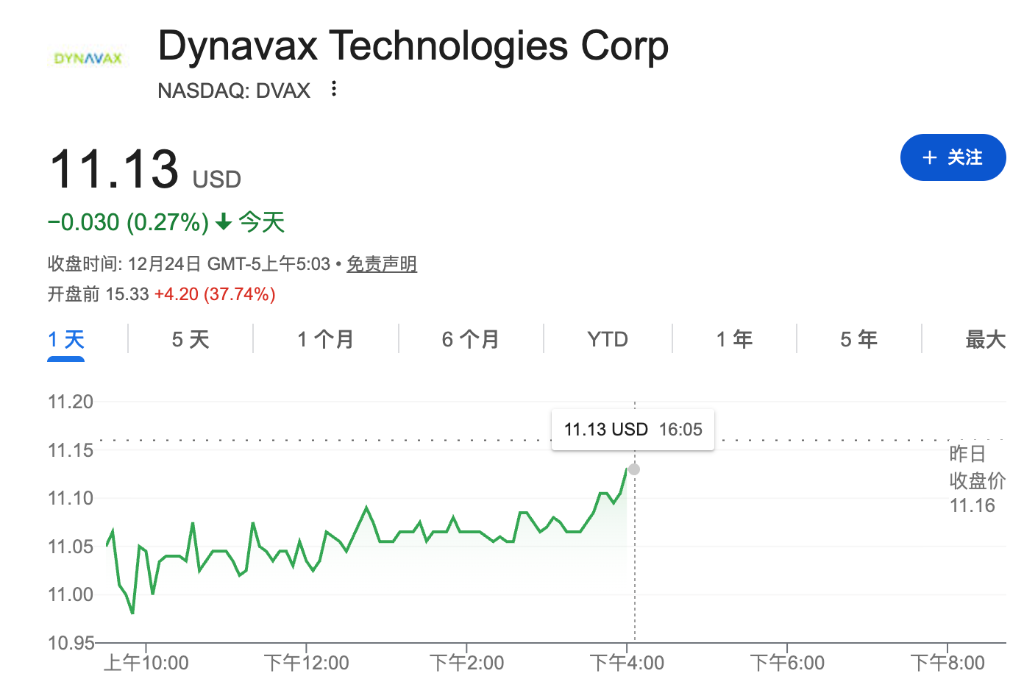
Core Viewpoint - Sanofi has agreed to acquire US vaccine company Dynavax for approximately $2.2 billion to expand its vaccine business, which is currently focused on flu vaccines. This acquisition comes alongside an unexpected FDA rejection of Sanofi's experimental drug for multiple sclerosis, tolebrutinib [1][4]. Group 1: Acquisition Details - Sanofi will purchase Dynavax for $15.50 per share in cash, enhancing its position in the adult immunization market with Dynavax's existing hepatitis B vaccine and an experimental shingles vaccine currently in early human trials [1][3]. - The shingles vaccine has demonstrated commercial potential, as evidenced by competitor GlaxoSmithKline's significant revenue increase from a similar product. Additionally, research suggests a possible link between the vaccine and reduced dementia incidence [3]. Group 2: Market Challenges - The global vaccine market is facing challenges, including a decline in flu vaccine sales, increased price competition in Europe, and a decrease in vaccination rates in the US. The Secretary of Health and Human Services has been disrupting long-standing vaccine guidelines, particularly for childhood vaccines [4]. - Sanofi's CFO noted a general decline in global vaccination rates, attributing it to post-COVID vaccine fatigue and negative sentiments towards vaccines [4]. Group 3: Impact of FDA Rejection - The FDA's rejection of tolebrutinib represents a significant setback for Sanofi, with previous forecasts estimating peak annual sales of the drug at $17 billion. The development process has been challenging, with prior trials indicating potential liver damage risks [4][6]. - Analysts have expressed concerns regarding management's judgment and credibility due to the substantial investment in tolebrutinib's development. The likelihood of the drug receiving FDA approval has now significantly decreased [5][6].


血液肿瘤的15年经验,将如何改写自身免疫产业的竞争版图?
科尔尼管理咨询· 2025-12-12 09:55
Core Insights - The field of autoimmune diseases is rapidly evolving, with a competitive research pipeline reshaping market dynamics, drawing parallels from the advancements in hematologic oncology [1][2] - The significant breakthroughs in hematologic oncology over the past 15 years have led to unprecedented treatment options, which can serve as a model for the development of autoimmune therapies [1][4] Group 1: Treatment Innovations - The rapid expansion of diverse targets such as checkpoint inhibitors (e.g., PD-1), cell therapies (e.g., CD19, CD20), and targeted therapies (e.g., BTK, Bcl2) has provided multiple treatment options in hematologic oncology, emphasizing the need for biomarker-driven patient stratification [3] - The past decade has seen the introduction of several groundbreaking drugs in hematologic oncology, with a similar pace of innovation expected in the immunology field [8] - Multi-indication products like Bcl2 inhibitors and BTK inhibitors have significantly improved treatment outcomes in lymphoid cancers, showcasing the potential for similar advancements in autoimmune diseases [10] Group 2: Patient Outcomes and Quality of Life - The introduction of 15 new therapies from 2003 to 2021 has increased the five-year survival rate for multiple myeloma patients in the U.S. from 29% in the 1990s to 62% in 2021, highlighting the impact of modern treatments on patient outcomes [10] - In the realm of severe asthma, the introduction of biologics has led to a significant reduction in mortality rates, demonstrating the potential for improved patient outcomes in autoimmune diseases [12][13] Group 3: Strategic Insights for the Industry - The evolution of treatment strategies in hematologic oncology, from broad disease control to curative approaches, provides a blueprint for the next phase of autoimmune disease development [14][16] - The industry must learn from the successes and challenges faced in hematologic oncology to navigate the rapidly changing healthcare landscape for autoimmune diseases [18] - Key differences between autoimmune diseases and hematologic cancers include the chronic nature of autoimmune diseases, which require long-term management rather than immediate intervention, and the larger patient population affected [18] Group 4: Future Directions - The future of autoimmune disease treatment is likely to be driven by combination strategies, biomarker-based precision medicine, and sequential approaches rather than solely relying on single-agent efficacy [20] - The current technological environment, including AI-driven drug discovery and real-world evidence integration, presents new opportunities for accelerating innovation and improving patient outcomes [22]
免疫疗法的下一波创新浪潮:全球技术趋势与行业展望
科尔尼管理咨询· 2025-12-09 03:59
Core Insights - The article discusses the trends in the development of autoimmune disease treatments, highlighting the significant growth in the global autoimmune drug market, which reached $156 billion in 2023 with a compound annual growth rate of 15% [1][2]. Group 1: Market Overview - The success of TNFα inhibitors and the emergence of IL inhibitors have marked a new era in treatment innovation [1]. - Leading products like Humira and Stelara are facing competition from biosimilars, while others like Dupixent and Skyrizi have set high efficacy standards in their respective indications [1][3]. - The market is expected to continue growing over the next three to five years, driven by the launch of JAK inhibitors and IL inhibitors across multiple disease areas [1][3]. Group 2: Competitive Landscape - Nine companies have six or more marketed products and pipeline drugs, indicating intense competition for leadership in the immunology field [3][4]. - The market is currently dominated by multi-indication blockbuster drugs, with significant ongoing clinical trials aimed at expanding indications for existing products [9][10]. Group 3: Innovation and Development Trends - Companies are increasingly focusing on new molecular entities (NMEs) and innovative treatment strategies, with 70% of pipelines dedicated to novel drug development [9][13]. - The emergence of Chinese pharmaceutical and biotech companies is notable, with firms like 3SBio and Jiangsu Hengrui actively researching innovative targets and NMEs [13][16]. - The industry is shifting towards more precise therapies, progressive innovations, and complex combination dynamics, with a focus on improving patient adherence and treatment convenience [18][23]. Group 4: Future Directions - The article emphasizes the importance of biomarker-driven patient stratification and the expansion of multi-indication models as foundational strategies in autoimmune drug development [21][22]. - The trend of "test and learn" is gaining traction, leading to increased trial activities in rare indications [21][23]. - The industry is also moving towards combination therapies and innovative drug delivery methods, such as oral formulations, to enhance patient convenience and treatment outcomes [24].


赛诺菲旗下达必妥两项新适应症参展 拓展免疫新版图
Jing Ji Guan Cha Wang· 2025-11-06 23:19
Core Viewpoint - Sanofi showcased its flagship product Dupixent at the China International Import Expo, highlighting its potential breakthroughs in new indications for chronic rhinosinusitis with nasal polyps and bullous pemphigoid [1] Group 1: Product Highlights - Dupixent's new indication for chronic rhinosinusitis with nasal polyps (CRSwNP) made its debut in China at this year's expo [1] - CRSwNP is a recurrent disease causing symptoms like nasal congestion, loss of smell, and runny nose, with high recurrence rates post-surgery [1] - Dupixent is the first and only biologic approved for treating both adults (18 years and older) and adolescents (12-17 years) with CRSwNP [1] Group 2: Regulatory Progress - The supplemental biologics license application for Dupixent in treating CRSwNP has been accepted by the National Medical Products Administration's Drug Evaluation Center [1] - In June, the FDA approved Dupixent for the treatment of adult bullous pemphigoid, marking it as the first targeted biologic for this condition [1]
研报掘金丨华泰证券:微升康诺亚目标价至91.08港元 维持“买入”评级
Ge Long Hui· 2025-11-06 03:33
Core Insights - Huatai Securities reported that Connoa disclosed Phase I clinical results for TSLP/IL-13 dual antibody CM512 for treating AD on November 4, showing promising efficacy and potential for longer dosing cycles [1] Group 1: Clinical Results - After three doses in the first month, the 300mg dose group achieved EAS-75 and EAS-90 rates of 58.3% and 41.7% respectively over 12 weeks, outperforming the placebo group which had rates of 21.4% and 0% [1] - CM512 demonstrated a long half-life of 70 days, indicating potential for extended dosing intervals [1] Group 2: Market Position and Financial Projections - The report suggests that CM512 has shown sufficient drug-like properties and competitive potential compared to other single-target AD drugs, entering a validation phase globally [1] - Adjustments were made to the sales ramp-up expectations for Dupixent due to its short-term insurance sales advantage, with revised loss forecasts for the company at 679 million, 670 million, and 282 million CNY for 2025 to 2027 [1] - Based on the promising early data for CM512, the development success rate was increased, and long-term revenue assumptions post-2027 were raised, leading to a target price adjustment from 90.89 HKD to 91.08 HKD while maintaining a "Buy" rating [1]

进博观察:开放平台引“凤”来,医疗药械焕新健康动能
2 1 Shi Ji Jing Ji Bao Dao· 2025-11-05 12:37
Core Insights - The 8th China International Import Expo (CIIE) opened in Shanghai, attracting 155 countries and regions, with 4,108 overseas enterprises showcasing their latest innovations across 43,000 square meters of exhibition space, marking a new high in the expo's scale [1] - The expo has strengthened its role as a platform for international procurement, investment promotion, cultural exchange, and open cooperation since its inception in 2018, becoming a key venue for multinational companies to showcase products and understand the Chinese market [1] Medical Devices and Healthcare - The medical devices and healthcare exhibition area, covering over 70,000 square meters, focuses on the theme "Healthy China, Healthy Life," showcasing cutting-edge medical technologies and innovations aimed at promoting the "Healthy China 2030" strategy [1] - Sanofi's new indication for Dupixent (dupilumab) for chronic rhinosinusitis with nasal polyps made its debut in China, addressing a significant unmet medical need for approximately 30 million patients suffering from this condition [2] - Gilead Sciences presented two major products, Lenacapavir and Seladelpar, at the expo, with Lenacapavir being a long-acting HIV prevention drug that requires administration only twice a year, marking a significant advancement in HIV prevention [3] Innovations in Cardiovascular and Kidney Treatments - Novartis showcased breakthrough innovations in cardiovascular and kidney treatments, emphasizing the importance of the CIIE in accelerating the availability of innovative drugs in China [4] - The company aims to enhance patient accessibility to cutting-edge therapies and continues to collaborate with government and industry partners to improve the prevention and treatment of cardiovascular and kidney diseases [4] Local Production and Investment - AstraZeneca announced an additional investment of approximately $136 million to expand its production capacity in Qingdao, focusing on inhalation aerosol products for respiratory diseases [9] - Alcon plans to localize the production of its Wavelight excimer laser surgical equipment in China, responding to the growing demand for eye health services in the country [11] - Medtronic highlighted its commitment to local innovation and collaboration in China, showcasing its advanced surgical robotics and precision radiation solutions at the expo [8][12] Industry Trends and Future Outlook - The expo serves as a vital platform for foreign medical companies to deepen their commitment to the Chinese market, with many firms increasing investments and localizing production to meet the growing healthcare demands [9][10] - The focus on high-end medical devices and intelligent upgrades is seen as crucial for improving diagnostic and treatment quality in line with the "Healthy China 2030" strategy [5][6] - The increasing collaboration between global companies and local partners is expected to drive innovation and enhance healthcare services in China, reflecting the country's role as a significant growth engine in the global market [13]
医药生物行业专题:海外制药企业2024Q4&全年业绩回顾
Guoxin Securities· 2025-03-07 15:11
Investment Rating - The investment rating for the pharmaceutical industry is "Outperform the Market" (maintained) [1] Core Insights - The main growth driver remains the launch of innovative products, particularly in the GLP-1 category, with significant revenue increases reported by companies like Eli Lilly and Novo Nordisk [3] - The report highlights the strong performance of key products across various therapeutic areas, including oncology, metabolism, and immunology, with notable sales growth percentages [3] Summary by Sections 01 Overview of Overseas Pharmaceutical Companies Q4 2024 and Annual Performance - Eli Lilly's revenue increased by 32% in 2024, driven by GLP-1 products [3] - Novo Nordisk's sales reached approximately $40.5 billion, a 25% increase, with significant contributions from GLP-1 products [29] - AstraZeneca and Merck also reported strong growth, with revenue increases of 21% and 10% respectively [3] 02 Performance Review of Overseas Pharmaceutical Companies - Eli Lilly's Q4 sales reached $13.5 billion, a 45% increase, with GLP-1 products contributing significantly [18] - Novo Nordisk's GLP-1 products achieved sales of approximately $22.5 billion, with a 20% increase in the diabetes segment [29] - JNJ's pharmaceutical segment reported $14.3 billion in Q4, with oncology products driving growth [40] R&D Investment - The top 15 pharmaceutical companies invested over $150 billion in R&D in 2024, a 7% increase year-on-year, with a research expense ratio of 21.8% [8] Sales Performance in China - Seven overseas pharmaceutical companies reported combined sales of approximately 515 billion RMB in Q4 2024, with a year-on-year growth of 10% [14]


