
联合疗法

Search documents
速递|12周减重9.79%!艾伯维长效减重药最新数据震撼发布
GLP1减重宝典· 2026-03-11 09:13
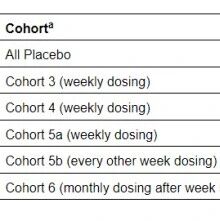
Core Insights - The article discusses the promising clinical data for AbbVie’s Amylin analog ABBV-295, which shows significant weight loss potential compared to placebo groups [5][8] - ABBV-295 demonstrates early efficacy that surpasses competitors like Roche's petrelintide and Novo Nordisk's Cagrilintide, although it requires improvements in safety, particularly regarding gastrointestinal side effects [5][7] Summary by Sections Clinical Data - After 12 weeks of weekly dosing, participants experienced a weight loss of -7.75% to -9.79%, while the placebo group showed a minimal change of -0.26% [5][6] - In the 13th week, with adjusted dosing schedules, weight loss remained significant at -7.86% to -9.73% [5][6] Molecular Design and Treatment Potential - ABBV-295's molecular design combines fragments of human adrenomedullin and amylin, optimized for stability and extended half-life, indicating potential as a long-acting weight loss medication [7] - Future combination therapies may enhance efficacy, as Cagrilintide has shown advantages in combination treatments, and Roche is exploring the use of petrelintide with GLP-1/GIP dual receptor agonists [7] Market Dynamics - AbbVie invested $350 million upfront and $1.875 billion in milestone payments for ABBV-295, highlighting its commitment to the long-acting weight loss drug market [8] - The competitive landscape includes major players like Pfizer and Novo Nordisk, with Pfizer acquiring Metsera and Novo Nordisk launching an oral amylin/GLP-1 dual-target drug that achieved a 13.1% weight reduction in 12 weeks [8] - The future of the weight loss drug market will likely focus on safety, efficacy, and the potential for combination therapies to capture market share [8]


2026年最值得期待的十款创新疗法
Xin Lang Cai Jing· 2026-01-26 07:13
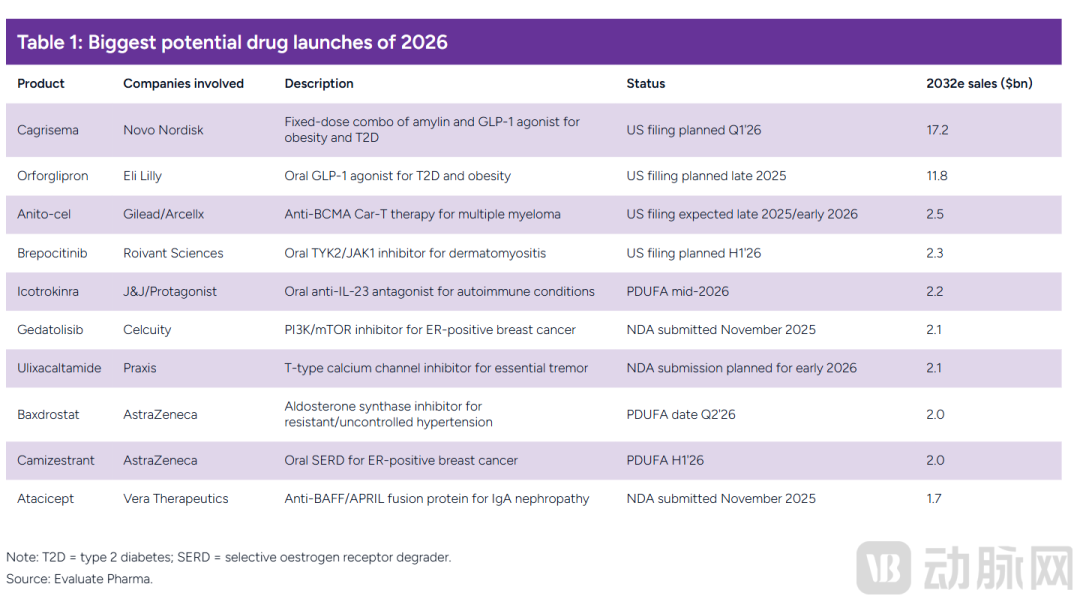
Core Insights - Evaluate's latest report indicates that ten innovative therapies are expected to receive FDA approval in 2026, covering various fields such as metabolic diseases, oncology, and autoimmune conditions, signaling a shift in treatment paradigms for the coming years [1] Metabolic Diseases - The competition between Novo Nordisk and Eli Lilly in the obesity treatment market is intensifying with the upcoming submissions of CagriSema and Orforglipron, which may reshape the treatment landscape for obesity [5] - CagriSema is a fixed-dose combination therapy of cagrilintide and semaglutide, designed for weekly subcutaneous injection, aiming to effectively regulate metabolism and achieve weight loss through multiple mechanisms [5][6] - Orforglipron is an oral GLP-1 receptor agonist that can be taken at any time of the day, enhancing patient compliance due to its convenient dosing regimen [6] - Clinical trials show that CagriSema achieved a weight loss of 20.4% at week 68 compared to 3.0% in the placebo group, while Orforglipron also demonstrated significant weight loss and improvements in metabolic risk factors [7][8] - Both drugs represent trends in obesity treatment: combination therapy and oral GLP-1 agonists, potentially leading to a more competitive market and increased R&D investments in metabolic disease therapies [9] Cell Therapy - Anitocabtagene autoleucel (anito-cel), a CAR-T therapy targeting BCMA, is expected to provide breakthroughs in treating multiple myeloma, addressing challenges in expanding CAR-T therapy to solid tumors [10] - The innovative D-Domain design of anito-cel improves CAR expression stability and reduces immune-related adverse effects, enhancing its therapeutic efficacy [11] - Clinical data shows a total response rate of 96% and a 24-month overall survival rate of 83% for patients treated with anito-cel, indicating its potential as a durable treatment option [12] Autoimmune Diseases - Brepocitinib and Icotrokinra are poised to optimize precision treatment strategies in autoimmune diseases, moving from broad-spectrum immunosuppression to targeted mechanisms [14] - Brepocitinib is a selective TYK2/JAK1 inhibitor that effectively blocks pathogenic signaling pathways without broadly suppressing normal immune function, showing significant clinical improvement in dermatomyositis patients [15] - Icotrokinra is a first-in-class oral therapy targeting IL-23R, demonstrating significant efficacy in treating moderate to severe plaque psoriasis [16][17] - Both therapies utilize oral administration, enhancing patient compliance and potentially transforming treatment paradigms in autoimmune diseases [19] Breast Cancer Treatment - Gedatolisib, a multi-target PAM inhibitor, aims to address resistance issues in HR+/HER2- advanced breast cancer by fully blocking the PAM pathway [20] - Clinical trials indicate that gedatolisib significantly improves progression-free survival (PFS) in patients with HR-positive, HER2-negative advanced breast cancer [21][22] - Camizestrant, a new oral selective estrogen receptor degrader (SERD), shows promise in treating patients with ESR1 mutations, enhancing treatment efficacy [23][24] - The combination of gedatolisib and camizestrant represents a shift towards multi-pathway combination therapies, providing new treatment avenues for resistant breast cancer patients [26][27] Rare Diseases - Baxdrostat, Ulixacaltamide, and Atacicept are innovative therapies targeting unmet needs in hypertension, essential tremor, and IgA nephropathy, respectively, showcasing the industry's focus on rare diseases [28][35] - Baxdrostat is a selective oral aldosterone synthase inhibitor that has shown significant efficacy in treating resistant hypertension [29][30] - Ulixacaltamide is a selective T-type calcium channel inhibitor that has demonstrated efficacy in treating essential tremor [31][32] - Atacicept targets B-cell activation factors, showing promise in reducing proteinuria in IgA nephropathy patients [33][34] Conclusion - The ten therapies highlighted reflect a shift towards precision medicine, optimized delivery strategies, and improved clinical response rates, marking a transition in biopharmaceutical development towards patient-centered and data-driven decision-making [36]
科济药业-B涨近4% 近日宣布与Dispatch Bio达成合作 计划开展赛恺泽相关临床试验
Zhi Tong Cai Jing· 2026-01-22 03:23
Core Viewpoint - 科济药业-B (02171) has seen a nearly 4% increase in stock price, currently trading at 16.27 HKD, with a transaction volume of 4.9417 million HKD. The company announced a clinical collaboration with Dispatch Bio to initiate a Phase I clinical trial in China by 2026, focusing on the application of the combined therapy DISP-11 in solid tumor patients [1]. Group 1 - The collaboration with Dispatch Bio involves the use of the Flare platform to develop a universal treatment for solid tumors [1]. - The combined therapy consists of Dispatch's investigational therapy, including the novel tumor-specific virus DV-10, and 科济药业's targeted BCMA autologous CAR-T cell product,赛恺泽 (泽沃基奥仑赛注射液) [1]. - 赛恺泽 has already received approval from the National Medical Products Administration (NMPA) in China for the treatment of multiple myeloma [1].
2025年GLP_1行业深度:最新进展、市场空间、未来趋势、产业链及相关公司深度梳理
Sou Hu Cai Jing· 2026-01-01 03:43
Core Insights - The GLP-1 (Glucagon-Like Peptide-1) drug class is evolving from a simple diabetes treatment to a comprehensive metabolic therapy, showing potential in weight loss, cardiovascular benefits, and fatty liver disease, leading to intensified competition among pharmaceutical companies [1][2]. Industry Developments - The GLP-1 drug development has transitioned from single-target to multi-target approaches, with drugs like Eli Lilly's Tirzepatide (GLP-1/GIP dual-target) and Innovent's Ma Shidu (GLP-1/GCG dual-target) gaining approval, enhancing metabolic control across various indicators [2][3]. - Chinese pharmaceutical companies are emerging as significant players, with Innovent's Ma Shidu showing promising Phase III clinical trial results for weight loss and liver fat reduction, while other companies like Hengrui and Zhongsheng are advancing their own dual-target and oral formulations [3][4]. Market Expansion - The future growth of the GLP-1 market is shifting from traditional Type 2 diabetes and obesity treatments to broader disease areas, including metabolic dysfunction-related fatty liver disease (MASH), with drugs like Semaglutide already approved for MASH treatment [4][5]. - The concept of "high-quality weight loss" is gaining traction, focusing on preserving muscle mass while reducing fat, with several companies developing combination therapies that include GLP-1 and muscle-preserving agents [5]. Competitive Landscape - The GLP-1 market is dominated by Novo Nordisk and Eli Lilly, with their combined revenue expected to grow from approximately $2.9 billion in 2015 to about $49.4 billion by 2024, indicating a robust growth trajectory [43]. - The sales of Tirzepatide are projected to surpass those of Semaglutide, with significant revenue growth observed in both diabetes and weight loss indications [46][48]. Clinical Advancements - Innovent's Ma Shidu achieved a 20.08% average weight reduction in a Phase III trial, significantly outperforming the placebo group, and demonstrated a 71.9% reduction in liver fat content among non-diabetic participants [32][33]. - Hengrui's dual-target drug HRS9531 has shown positive results in its Phase III trials, with its application for market approval accepted by the NMPA [37]. Future Trends - The GLP-1 industry is at a pivotal point of rapid technological iteration and expanding indications, with a clear trajectory towards more comprehensive, convenient, and personalized metabolic disease management solutions [6].




血液肿瘤的15年经验,将如何改写自身免疫产业的竞争版图?
科尔尼管理咨询· 2025-12-12 09:55
Core Insights - The field of autoimmune diseases is rapidly evolving, with a competitive research pipeline reshaping market dynamics, drawing parallels from the advancements in hematologic oncology [1][2] - The significant breakthroughs in hematologic oncology over the past 15 years have led to unprecedented treatment options, which can serve as a model for the development of autoimmune therapies [1][4] Group 1: Treatment Innovations - The rapid expansion of diverse targets such as checkpoint inhibitors (e.g., PD-1), cell therapies (e.g., CD19, CD20), and targeted therapies (e.g., BTK, Bcl2) has provided multiple treatment options in hematologic oncology, emphasizing the need for biomarker-driven patient stratification [3] - The past decade has seen the introduction of several groundbreaking drugs in hematologic oncology, with a similar pace of innovation expected in the immunology field [8] - Multi-indication products like Bcl2 inhibitors and BTK inhibitors have significantly improved treatment outcomes in lymphoid cancers, showcasing the potential for similar advancements in autoimmune diseases [10] Group 2: Patient Outcomes and Quality of Life - The introduction of 15 new therapies from 2003 to 2021 has increased the five-year survival rate for multiple myeloma patients in the U.S. from 29% in the 1990s to 62% in 2021, highlighting the impact of modern treatments on patient outcomes [10] - In the realm of severe asthma, the introduction of biologics has led to a significant reduction in mortality rates, demonstrating the potential for improved patient outcomes in autoimmune diseases [12][13] Group 3: Strategic Insights for the Industry - The evolution of treatment strategies in hematologic oncology, from broad disease control to curative approaches, provides a blueprint for the next phase of autoimmune disease development [14][16] - The industry must learn from the successes and challenges faced in hematologic oncology to navigate the rapidly changing healthcare landscape for autoimmune diseases [18] - Key differences between autoimmune diseases and hematologic cancers include the chronic nature of autoimmune diseases, which require long-term management rather than immediate intervention, and the larger patient population affected [18] Group 4: Future Directions - The future of autoimmune disease treatment is likely to be driven by combination strategies, biomarker-based precision medicine, and sequential approaches rather than solely relying on single-agent efficacy [20] - The current technological environment, including AI-driven drug discovery and real-world evidence integration, presents new opportunities for accelerating innovation and improving patient outcomes [22]
超13亿美元!不是出海,是换仓!拆解科伦博泰与Crescent的资源置换
Xin Lang Cai Jing· 2025-12-08 04:14
Core Insights - The strategic collaboration between Kelun-Biotech and Crescent Biopharma is valued at over $1.3 billion, involving a $80 million upfront payment and up to $1.25 billion in milestone payments for the global rights to SKB105 outside Greater China, while Kelun-Biotech acquires exclusive rights to CR-001 in Greater China for a $20 million upfront payment [1][2] Strategic Supplementation - The partnership reflects a deep understanding of the competitive landscape in 2025, with a focus on securing foundational assets for the next decade in the evolving field of tumor immunotherapy [1][2] - The PD-1/VEGF dual antibody space has seen over $7 billion in disclosed licensing and collaboration deals in the past three years, indicating its significance in the post-PD-1 era [2] Differentiated Competition - Crescent's interest in SKB105 is driven by its unique design targeting ITGB6, which is seen as a promising ADC target due to its high expression in difficult-to-treat cancers and low expression in normal tissues [3][4] - SKB105 utilizes a novel Topo-I inhibitor as its payload, which may offer improved therapeutic windows compared to traditional payloads like MMAE used by competitors [3][4] Collaborative Model - Crescent Biopharma exemplifies an efficient development model focused on fast-following validated targets and differentiated innovation, enhancing asset value through rapid clinical advancement [5] - The collaboration allows both companies to leverage their strengths: Crescent gains a core ADC asset, while Kelun-Biotech secures funding and access to a critical immune pipeline [5] Industry Implications - The transaction signifies a maturation of the Chinese biotech outbound model, moving from one-way licensing to a more flexible resource exchange approach [6] - This partnership highlights a pragmatic choice in a complex market, emphasizing the importance of external collaborations to build a competitive product portfolio rather than solely relying on in-house development [7]
从“单兵”到“协同”,联合疗法藏着什么玄机?
Ge Long Hui· 2025-12-01 04:26
Core Insights - A paradigm shift in cancer treatment is underway, driven by combination therapies rather than single-agent treatments, as highlighted by Pfizer's strategy to focus on ADC combinations instead of direct comparisons with standard treatments or placebos [1][20] - Combination therapies are emerging as a significant trend in innovative drug development, addressing the limitations of single-agent therapies, such as low response rates and inevitable resistance [1][2] Group 1: Advantages of Combination Therapies - Combination therapies enhance efficacy and response rates, delay the onset of resistance, and maintain durable anti-tumor activity, significantly improving clinical value [2][3] - A notable example is the combination of Osimertinib with chemotherapy, which significantly extended the overall survival (OS) of patients with EGFR-mutant advanced non-small cell lung cancer (NSCLC) [2] Group 2: Market Dynamics and Competitive Landscape - The pharmaceutical industry is experiencing a "combination competition" era, where various combination strategies are being employed across different disease areas, leading to synergistic effects [7][20] - AstraZeneca's Osimertinib, despite being a top-selling drug, faces challenges from competitors and is implementing a comprehensive combination strategy to maintain its market position [5][6] Group 3: Ongoing Research and Development - Numerous clinical trials are underway exploring various combination therapies, including PD-(L)1 inhibitors with chemotherapy and other agents, indicating a robust pipeline in the oncology sector [14][19] - The exploration of combination therapies is not limited to solid tumors; significant advancements are also being made in hematological malignancies, showcasing the broad applicability of this approach [10][12] Group 4: Future Directions - The current landscape of drug development suggests that combination therapies will reshape the research and commercial ecosystem of the pharmaceutical industry, emphasizing the need for companies to adapt to this trend to remain competitive [20]
和誉-B完成口服小分子PD-L1抑制剂ABSK043联合戈来雷塞治疗NSCLC II期临床首例患者给药
Zhi Tong Cai Jing· 2025-11-03 00:18
Core Viewpoint - He Yu Pharmaceutical announced the completion of the first patient dosing in a Phase II clinical study of its oral small molecule PD-L1 inhibitor ABSK043 in combination with the KRAS G12C inhibitor, Goresir, for the treatment of non-small cell lung cancer (NSCLC) with KRAS G12C mutations [1] Group 1: Clinical Study Details - The open-label Phase II clinical study aims to evaluate the safety, tolerability, and efficacy of ABSK043 combined with Goresir in patients with locally advanced or metastatic NSCLC carrying KRAS G12C mutations [1] - The study received approval from the National Medical Products Administration (NMPA) in China for a new drug clinical trial (IND) in August 2025 [1] - The successful dosing of the first patient marks a significant step in the clinical development of this promising combination therapy [1] Group 2: KRAS G12C Mutation Context - KRAS is the most common oncogenic driver gene in human cancers, with an occurrence rate of approximately 14% for KRAS G12C mutations in NSCLC patients [1] - The oral small molecule PD-L1 inhibitor ABSK043 has shown good safety and potential anti-tumor activity as a monotherapy in previous Phase I clinical studies involving advanced solid tumor patients, particularly in groups with high PD-L1 expression, EGFR mutations, and KRAS mutations [1]

Esperion Therapeutics (ESPR) 2025 Conference Transcript
2025-09-03 14:47
Summary of Esperion Therapeutics (ESPR) Conference Call Company Overview - **Company**: Esperion Therapeutics (ESPR) - **Focus**: Commercialization of life-saving medications, specifically Nexlizet and Nexletol, with ongoing development of new compounds [7][8][60] Key Points Industry Context - **Cardiovascular Disease**: Identified as the number one killer globally, emphasizing the need for effective lipid-lowering therapies [10][12][43] - **Statin Intolerance**: Approximately 30% of patients cannot tolerate statins, creating a significant market opportunity for alternative therapies like Nexlizet [19][36] Product Performance - **Growth Metrics**: Double-digit growth reported in all metrics for Q2, indicating strong market momentum [7] - **Combination Therapy**: Emphasis on the need for combination therapies to achieve LDL-C goals, with Nexlizet showing 38% additional efficacy when added to statins [19][28] Market Strategy - **Geographic Expansion**: Strong traction in Europe, with potential for similar success in the U.S. and Japan, where statin intolerance is prevalent [31][32] - **Guideline Influence**: Received a Class 1A recommendation in new guidelines, positioning bempedoic acid as a foundational therapy [34][35][49] Financial Outlook - **Positive Financial Trajectory**: Achieved positive operating income for the first time from ongoing operations, with expectations for full profitability by Q1 2026 [67][68] - **Cash Position**: Ample cash reserves and reduced debt profile, supporting ongoing growth initiatives [69] Future Developments - **New Indications**: Exploring treatment for primary sclerosing cholangitis (PSC), with confidence in the unique mechanism of action of their compounds [60][62] - **Triple Oral Combination**: Development of a triple oral combination therapy expected to enhance LDL-C reduction efficacy [38][39] Consumer Engagement - **Marketing Initiatives**: Upcoming consumer-directed commercials aimed at educating patients about heart health and the importance of treatment adherence [25][27] Competitive Landscape - **Market Positioning**: While competition exists, the unique efficacy and combination potential of Nexlizet provide a strong market position [45][46] Additional Insights - **Patient Education**: Importance of educating patients about their cardiovascular risk to encourage adherence to treatment [21][22] - **Regulatory Milestones**: Anticipated regulatory approvals in Japan tied to significant financial milestones, indicating a robust partnership with Otsuka [70][71] This summary encapsulates the key insights from the conference call, highlighting Esperion Therapeutics' strategic focus, market opportunities, and financial health.

科伦博泰生物(06990) - 2025 Q2 - 业绩电话会
2025-08-18 13:02
Financial Data and Key Metrics Changes - The company reported a revenue of RMB950 million for the first half of 2025, with over RMB300 million coming from commercialized drugs, marking a significant achievement in its first year of commercialization [50][51] - Gross profit was RMB660 million, comparable to the previous year, while the net loss for the first half was RMB145 million, with an adjusted loss of RMB69 million after one-off budget adjustments [52][53] Business Line Data and Key Metrics Changes - The company has three main products ready for the market, with significant progress in approvals and commercialization efforts [12][21] - The commercialization team has expanded to nearly 400 personnel to support the increasing number of products [12] Market Data and Key Metrics Changes - The company has covered over 30 provinces, 300 cities, and over 1,000 hospitals across China, with partnerships established with over 400 pharmacies [28][32] - The company is actively working towards gaining medical insurance coverage for its products, which is expected to enhance market access [33][34] Company Strategy and Development Direction - The company aims to advance differentiated pipelines targeting significant medical needs, optimizing payload linker strategies, and exploring applications in non-oncology areas [26] - The focus is on expanding global partnerships and strengthening strategic collaborations to maximize the value of its pipelines [26] Management Comments on Operating Environment and Future Outlook - Management expressed optimism about the future income from sales revenue, anticipating continued cash flow generation from both R&D partnerships and commercialized drugs [51] - The company is preparing for the implementation of new medical insurance policies, which could significantly impact product sales strategies [97][100] Other Important Information - The company completed a follow-on financing of US$250 million and is included in several global equity indexes, enhancing its financial stability [25] - The company is involved in ongoing litigation regarding IP disputes with several founders, which has been accepted for review by the Sichuan Provincial High Court [101] Q&A Session Summary Question: What is the breakdown of sales revenue for breast cancer and lung cancer? - Lung cancer is the biggest contributor to sales revenue, consistent with patient numbers and indications. The sales expenses are expected to decrease once products are included in medical insurance coverage [62][63] Question: What is the focus for R&D going into the next stage? - The focus is on developing differentiated products targeting clinical demands, with an emphasis on bispecific targets and new payload strategies [68][70] Question: Can you provide guidelines on the sales trend for Q3? - The company expects quarter-over-quarter growth, with significant contributions anticipated from lung cancer indications [72] Question: What is the rationale behind the clinical trial design for PD L1 positive and negative patients? - The company is focusing on first-line treatment for wild-type non-small cell lung cancer, with ongoing projects in development [88] Question: How is the company planning to navigate the new medical insurance policy? - The company is prioritizing entry into the medical insurance catalog and is actively preparing to comply with the new policy [97][98]