钟水饺

Search documents
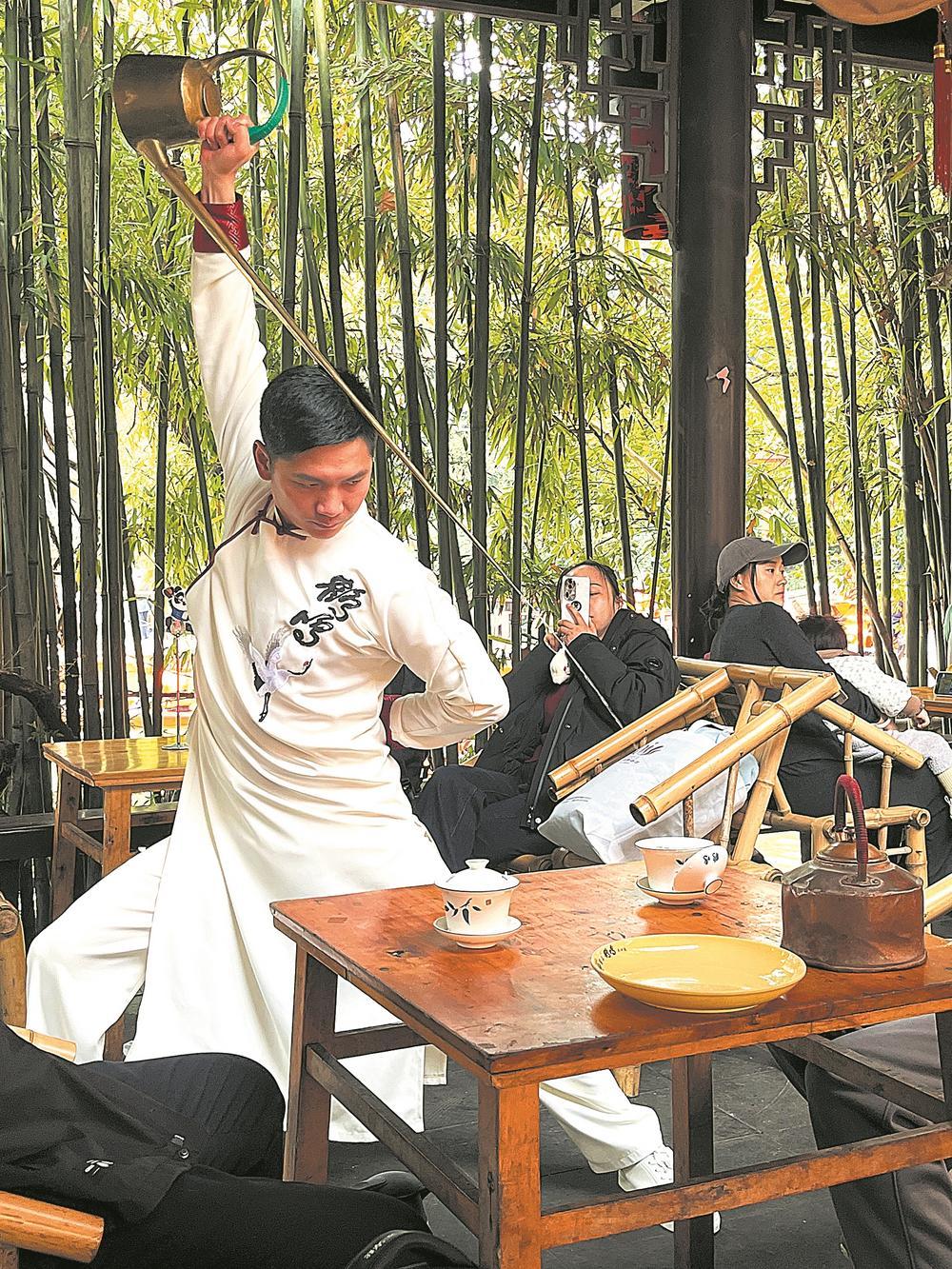
茶馆里 外地游客争看非遗茶艺
Xin Lang Cai Jing· 2026-02-22 17:58
Core Viewpoint - The article highlights the transformation of the traditional tea culture in Chengdu, particularly at the Hemu Tea House, which has adapted to attract a younger, more diverse audience, especially during the Spring Festival [3][4]. Group 1: Changes in Customer Demographics - The customer base at Hemu Tea House has shifted from primarily local patrons to a majority of young visitors and tourists from outside Chengdu [4]. - The traditional tea art, specifically the Long Mouth Pot tea art, has become a popular attraction for visitors, showcasing a blend of heritage and modern appeal [4]. Group 2: Innovations in Tea Art Presentation - The tea artist, Su Xiaojun, has incorporated new names for traditional tea art moves to resonate more with the audience, such as renaming "Weilong Chushui" to "Hongyun Dangtou" [4]. - The performance of tea art is now intertwined with festive greetings, enhancing the cultural experience for guests [4]. Group 3: New Business Ventures - Hemu Tea House has opened its first external location in Chenghua District, marking a significant expansion beyond its original venue in People's Park [7]. - The new location aims to attract local residents and younger demographics by offering innovative products, such as tea powder blended with coffee and creative cultural items [7]. Group 4: Integration with Local Culture and Community - The emergence of the Citang Street Art Community has created a vibrant cultural hub, drawing foot traffic that benefits both the tea house and local businesses [5][6]. - The tea house's new location maintains traditional elements while also adapting to modern consumer preferences, creating a unique community-oriented experience [7].

海外逛庙会 解锁热闹年
Zhong Guo Xin Wen Wang· 2026-02-10 08:31
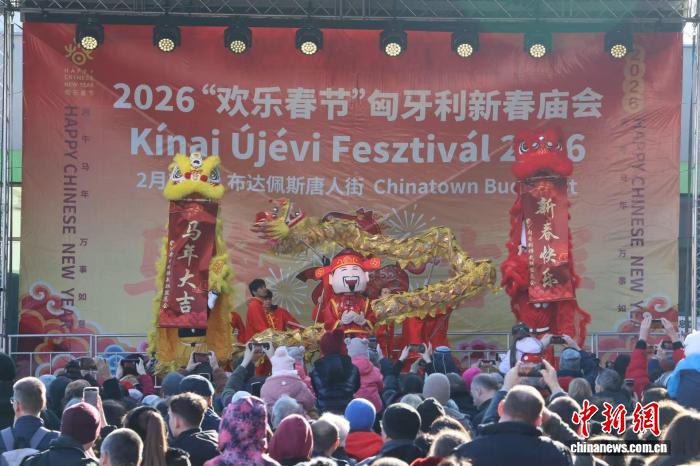
Core Viewpoint - The article highlights the growing popularity of traditional Chinese temple fairs overseas, particularly during the Spring Festival, as a means for local communities to engage with Chinese culture and celebrate the festive season. Group 1: Hungary - The "Happy Spring Festival" temple fair in Budapest has been held for four years, attracting a majority of local attendees [1] - Traditional Chinese foods such as sweet rice balls and spicy chicken are popular among local visitors, with interactive experiences like tea art demonstrations enhancing engagement [3] - Local interest in Chinese culture is evident, with activities like Tai Chi and traditional painting drawing participation from the community [3] Group 2: Peru - The "Friendship Day" celebration in Lima incorporated a temple fair for the first time, featuring a "Made in China" exhibition that attracted many foreign visitors [2] - The temple fair serves as a shared cultural memory for overseas Chinese and offers a fun experience for local residents [2] Group 3: Belgium - The "Chinese New Year Garden Fair" in Dinant is expected to be lively, with many Chinese families participating and local youth showing interest in Chinese martial arts and cultural activities [4] - The event fosters cultural exchange and allows foreign attendees to experience the charm of the Spring Festival [4] Group 4: Chile - The New Year cultural fair in Santiago features traditional performances and activities such as free traditional Chinese medicine consultations and kite-making [5] - The event enhances community spirit and brings joy and a sense of ceremony to the celebration of the New Year [5]
美食节不止于美食
Jing Ji Ri Bao· 2025-12-13 01:20
Core Insights - The 2025 Shenzhen Michelin Food Festival showcased a luxurious dining experience with eight Michelin-starred restaurants and 17 local celebrity restaurants, attracting over 6,000 visitors in just three hours and generating over 3.5 million yuan in total revenue over three days [1][2] Group 1: Event Overview - The festival marked the first Michelin Food Festival in Guangdong Province, featuring renowned restaurants from across the country [1] - The event served as a prelude to the upcoming 2026 Guangzhou and Shenzhen Michelin Guide, highlighting Shenzhen's emergence on the global culinary map [2] Group 2: Economic Impact - The festival significantly boosted the local economy, with the Caiwuwei business district experiencing over 600,000 visitors during the event, a 15% increase year-on-year, and sales exceeding 200 million yuan [3] - The event attracted international tourists, with an average of 150,000 inbound travelers daily during the festival, marking a 7% increase compared to the week prior [3] Group 3: Future Developments - The event is part of a broader initiative by the Luohu District to establish itself as an international consumption center, focusing on attracting flagship stores and new concepts [3][5] - Luohu aims to create a sustainable economic ecosystem through systematic policies and support for businesses, enhancing the region's consumption capacity [3][5]
川式“漂亮饭”飘香墨尔本 华人厨师探路“新中餐”
Zhong Guo Xin Wen Wang· 2025-11-21 03:31
Core Insights - The article discusses the journey of a Chinese chef, Fu Kun, who is exploring "New Chinese Cuisine" in Melbourne, Australia, focusing on the adaptation of Sichuan dishes to local tastes [1][2][3] Group 1: Chef's Background and Initial Challenges - Fu Kun, originally from Chengdu, moved to Australia in 2005 with limited funds and began working in a Chinese restaurant in Melbourne's Chinatown [1] - He identified a significant market opportunity for Sichuan cuisine, which was underrepresented compared to Cantonese cuisine in the area [1][2] Group 2: Culinary Adaptation and Learning - Fu Kun expanded his culinary skills by working with various Michelin-starred chefs and learning Western cooking techniques, such as low-temperature cooking and rapid cooling [2] - He noted the local preference for meat, seafood, and vegetables, and began experimenting with Sichuan dishes to better align with these tastes [2][3] Group 3: Restaurant Development and Menu Innovation - In 2015, Fu Kun opened a restaurant named Bowl Bowl Dumpling, focusing on "Jianghu" cuisine, which emphasizes fresh, home-style cooking [2] - Signature dishes like "Zhong Shui Jiao" (dumplings) were crafted with a unique blend of flavors, appealing to both local and Chinese customers [2][3] Group 4: Balancing Tradition and Local Preferences - Fu Kun made adjustments to traditional Sichuan dishes to reduce oiliness and enhance flavor profiles, such as using Italian black vinegar in Kung Pao Chicken [3] - The presentation of dishes was also refined to create a more appealing dining experience, attracting younger customers through social media engagement [3] Group 5: Future Aspirations - Fu Kun expressed a desire to introduce other regional Chinese cuisines, such as Yunnan's Dai cuisine and various street foods from Chengdu, to the Melbourne dining scene [3]
“健康川菜”“川菜出海3.0”位列2025全球川菜关键词
Xin Jing Bao· 2025-11-03 07:57
Core Insights - The 8th World Sichuan Cuisine Conference recently concluded, highlighting the release of the "2025 Global Sichuan Cuisine Recommended List" and "2025 Global Sichuan Cuisine Top Ten Keywords" [1] - The implementation of the "Sichuan Province Promotion of Sichuan Cuisine Development Regulations" aims to protect traditional techniques and cultural heritage while establishing norms for industry development [1] - An initiative was proposed to establish "November 1st World Sichuan Cuisine Day" to create a dedicated global platform for Sichuan cuisine culture [1] Summary by Sections Sichuan Cuisine Development - The conference emphasized the standardization and localization of Sichuan cuisine as it expands internationally, moving away from the stereotype of "heavy oil and spicy" dishes [1] - The focus is on developing "three low" dishes, which likely refers to lower oil, lower salt, and lower sugar content, and promoting healthier cooking methods such as steaming instead of stir-frying [1] Recommended Dishes - The "2025 Global Sichuan Cuisine Recommended List" includes 10 dishes such as Mapo Tofu, Kung Pao Chicken, and Boiled Fish, along with 10 types of snacks like Dandan Noodles and Zhong Shui Jiao [2] - The list provides accurate English translations for both dishes and snacks, facilitating international understanding and appreciation of Sichuan cuisine [2]
“蓉品出海”暨成都国际美食之都推介活动走进欧洲 成都携手巴黎、都柏林共拓合作新空间
Mei Ri Jing Ji Xin Wen· 2025-10-31 04:55
Core Insights - The event "Rongpin Going Global" and the promotion of Chengdu as an International Food City were successfully held in Paris and Dublin from October 27 to October 30, aiming to enhance economic and cultural exchanges between Chengdu and Europe [1][11] - Chengdu has been recognized as an "International Food City" by UNESCO since 2010, serving as a cultural bridge between China and the world, with a focus on practical cooperation in culture, cuisine, and trade [2][11] Group 1: Event Overview - The event featured a variety of activities including city promotion, project signing, and the "Rongpin Market," which showcased Chengdu's culinary culture and innovative spirit to European audiences [1][5] - The market included five exhibition areas: "Intelligent Machinery Symphony," "Sichuan Flavor and Music," "Sichuan Tea and Wine," "Intangible Cultural Heritage and Creative Products," and "Interactive Experience," allowing guests to engage with Chengdu's culture and technology [5] Group 2: Economic and Cultural Cooperation - Chengdu's Deputy Minister of the Foreign Cooperation Promotion Center presented the "Open Chengdu" partnership plan, highlighting six major actions for resource integration, enterprise services, and brand promotion, inviting European companies to explore opportunities in Western China [6] - Several cooperation projects were signed during the event, including the establishment of a Sino-French economic service station and collaborations in smart manufacturing and cultural arts, indicating a shift from product export to industrial chain collaboration [7] Group 3: Culinary Exchange - A special dialogue between chefs from Chengdu and Paris emphasized the creative fusion of Sichuan cuisine and French culinary arts, with plans to introduce an international chef training program in Chengdu [8] - The establishment of the "Sichuan Cuisine Overseas Promotion Center" in Dublin marked the first official platforms for promoting Sichuan cuisine in Ireland, enhancing cultural ties between Chengdu and Ireland [10] Group 4: Future Prospects - The event underscored Chengdu's commitment to high-level openness and deepening cooperation with European cities, with follow-up exchanges planned with various institutions in France and Ireland [11][14] - Chengdu aims to continue promoting its cultural and economic strengths globally, inviting collaboration and engagement from international partners [14]
《一饭封神》主厨坐镇,广东首个米其林美食节人气爆棚
2 1 Shi Ji Jing Ji Bao Dao· 2025-10-25 02:19
Core Insights - The first Michelin Food Festival in Guangdong has opened in Shenzhen, featuring 8 Michelin restaurants and 17 local star restaurants, highlighting the city's culinary diversity and appeal [1][2] - The event aims to position Luohu District as a core area for international consumption, with plans for more high-impact international events in the future [1] - The Michelin Guide will include Shenzhen for the first time in 2026, merging it with the Guangzhou guide to release the "2026 Guangzhou and Shenzhen Michelin Guide" [2] Group 1 - The Michelin Food Festival attracted over 6,000 visitors within just three hours of its opening [2] - The festival showcases popular dishes like "Zhong Shui Jiao" from the Michelin-starred restaurant Song, which gained popularity through the variety show "Yi Fan Feng Shen" [1] - The event reflects the growing trend of using food as a means to enhance a city's cultural and tourism appeal, similar to other cities known for their unique culinary offerings [1]
国庆四川家庭4日游纯玩攻略,成都四日游人均花费多少
Sou Hu Cai Jing· 2025-09-24 17:17
Core Insights - The article provides a travel guide for a 4-day trip to Chengdu, highlighting its attractions, food, and travel tips for visitors during the National Day holiday [1][3][12] Itinerary Summary - Day 1: Arrival in Chengdu, check-in at the hotel, visit Jinli Ancient Street for local snacks and crafts, explore Wuhou Shrine for historical insights, and enjoy the evening at Kuanzhai Alley with tea and Sichuan opera [6][7] - Day 2: Visit the Chengdu Research Base of Giant Panda Breeding in the morning, followed by lunch and shopping at Chunxi Road and Taikoo Li, known for its vibrant commercial atmosphere [6][7] - Day 3: Explore the UNESCO World Heritage site of Dujiangyan in the morning, then visit Qingcheng Mountain for its natural beauty and cultural significance, with an option to stay overnight nearby [7] - Day 4: Visit Du Fu's Thatched Cottage to appreciate ancient poetry and culture, followed by a trip to Qingyang Palace, a renowned Taoist temple, before preparing for departure [7] Food Recommendations - Hot Pot: Known for its spicy and flavorful broth, recommended restaurants include Shu Daxia and Peijie Old Hot Pot [10] - Chuan Chuan Xiang: A local specialty where various ingredients are skewered and cooked in a hot pot, offering an economical dining experience [10] - Long Chao Shou: A traditional dumpling with a thin skin and rich filling, available in various broths [10] - Zhong Shui Jiao: A famous local snack with a unique flavor profile, served with a special red oil [10] - Dan Dan Noodles: A popular Sichuan dish known for its thin noodles and aromatic sauce [10] Travel Tips - Weather: Visitors should prepare for temperature fluctuations during the National Day holiday and bring a light jacket [12] - Transportation: Due to traffic congestion, especially during holidays, public transport is recommended, and visitors should opt for licensed taxis or ride-hailing services [12] - Attractions: Popular sites like the Giant Panda Base and Dujiangyan may have large crowds, so advance ticket booking is advised [12] - Food: For those sensitive to spice, it is advisable to communicate dietary preferences to restaurant staff to adjust the level of spiciness [12]
四川带娃4日游怎么玩,成都玩四天一个人多少钱?
Sou Hu Cai Jing· 2025-09-21 01:15
Core Points - The article provides a detailed travel guide for a 4-day family trip to Sichuan, highlighting the attractions, activities, and costs involved [1][3][13] Group 1: Travel Experience - The trip was organized with the help of a local guide, who ensured a well-planned itinerary and attentive care throughout the journey [3] - The average cost per person for the trip ranged from 800 to 1400 RMB, offering high value for the experience [3] - Key attractions included Jinli Ancient Street, Chengdu Research Base of Giant Panda Breeding, Du Fu Thatched Cottage, and cultural sites like Wuhou Shrine and Dujiangyan [6][7][13] Group 2: Food and Dining - Chengdu is renowned for its spicy cuisine, particularly hot pot, which is characterized by its rich flavors and variety of ingredients [11] - Other local delicacies mentioned include Chuan Chuan (skewered food), Long Chao Shou (dumplings), and Zhong Shui Jiao (spicy dumplings) [11] Group 3: Travel Tips - Weather in Sichuan can be unpredictable, especially in mountainous areas, so appropriate clothing should be packed [13] - Dining in Chengdu often features spicy food, and it is advisable to communicate dietary preferences to restaurant staff [13] - Transportation in Chengdu can be congested, making public transport a preferable option during peak hours [13] - Safety precautions for children in tourist areas are emphasized, including keeping a close watch to prevent accidents [13]
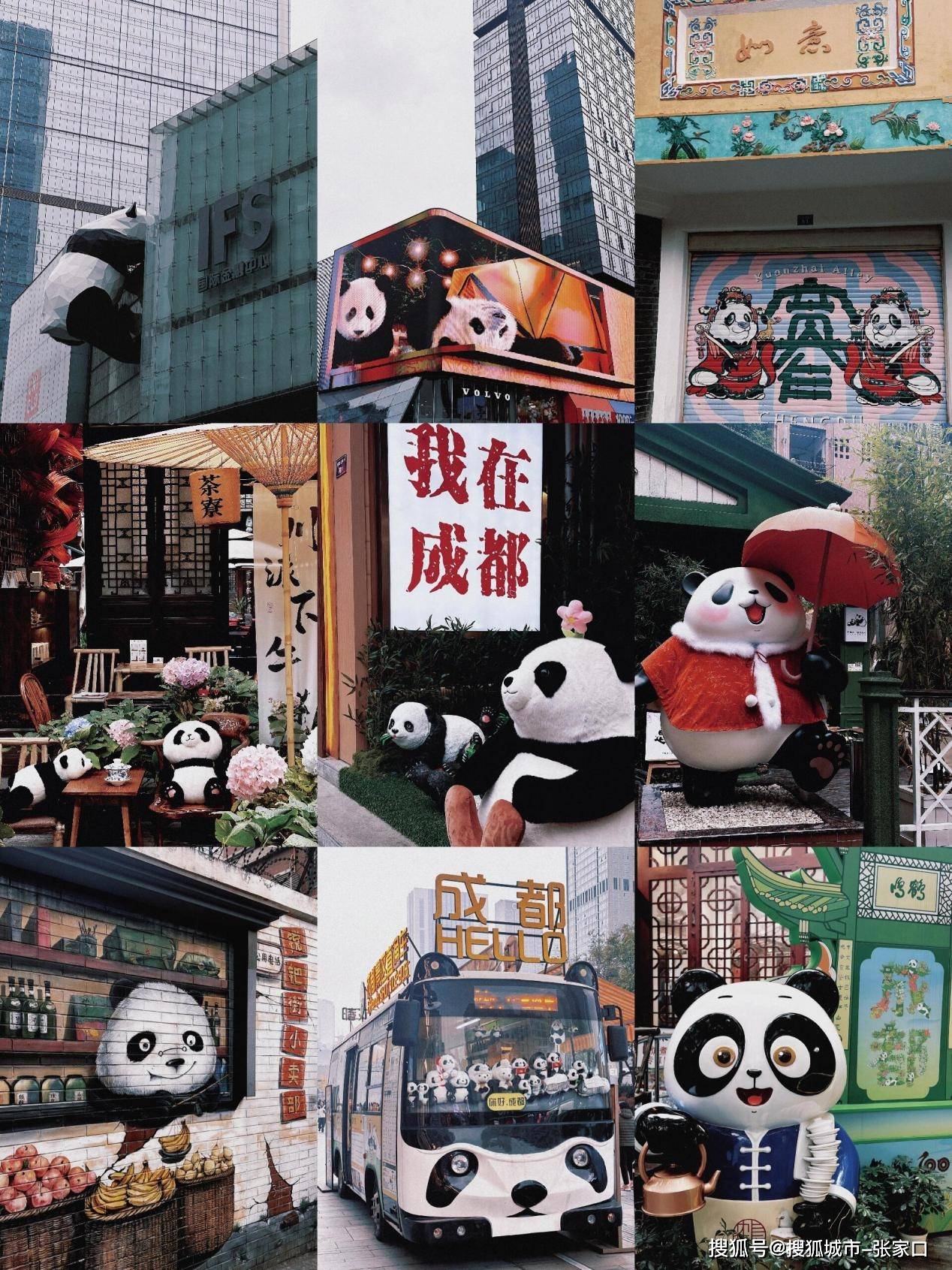
四川成都五日游多少预算?真实经历揭秘!
Sou Hu Cai Jing· 2025-09-20 23:21
Core Points - The article highlights a successful five-day trip to Chengdu, Sichuan, organized by a local guide named Linlin, emphasizing the enjoyable and cost-effective experience [1][9] - The total cost per person for the trip was approximately 800 to 1000 yuan, showcasing high value for the services provided [9] Day-by-Day Summary - **Day 1: Arrival in Chengdu** The first day included a warm welcome with a private car service to the hotel, followed by a visit to Kuanzhai Alley, where traditional architecture and local snacks were enjoyed, culminating in a spicy hot pot dinner [3][4] - **Day 2: Panda Base and Cultural Exploration** The second day featured a visit to the Chengdu Research Base of Giant Panda Breeding, where visitors learned about panda habits, followed by a trip to Wuhou Shrine to explore Three Kingdoms culture [4][5] - **Day 3: Nature and Historical Sites** The third day was spent at Qingcheng Mountain, known for its serene environment, and included visits to historical sites like Tianshi Cave and Dujiangyan, an ancient irrigation system [5][6] - **Day 4: Local Culture and Arts** The fourth day involved exploring Jinli Ancient Street, filled with local crafts and performances, and a visit to the former residence of poet Du Fu, appreciating the cultural heritage [6][7] - **Day 5: Shopping and Departure** The final day was dedicated to shopping at Chunxi Road, a bustling commercial area, before heading to the airport, marking the end of the trip [7][8]