
铅酸电池

Search documents
天能股份20260329
2026-03-30 05:15
Summary of TianNeng Co., Ltd. Conference Call Company Overview - **Company**: TianNeng Co., Ltd. - **Industry**: Battery manufacturing, focusing on lead-acid and lithium batteries Key Points Financial Performance - **2025 Revenue**: Total revenue of 457.92 billion RMB, with main business revenue of 431.37 billion RMB [4] - **Lead-Acid Battery Revenue**: 415.66 billion RMB, up from 388.72 billion RMB in 2023 [4] - **Lithium Battery Revenue**: 15.7 billion RMB, with a loss of approximately 4 billion RMB, significantly reduced from a 9 billion RMB loss in 2024 [4] - **Profit from Lead-Acid Business**: Approximately 20 billion RMB [4] Strategic Focus - **2026 Strategy**: Shift focus towards lithium batteries and overseas markets, aiming to double lithium battery shipments to 8.8 GWh and overseas revenue to 30 billion RMB [2] - **Capital Expenditure**: Expected to decrease to under 10 billion RMB, primarily for overseas projects and lithium battery upgrades [3][18] Overseas Expansion - **Vietnam Factory**: 2 GWh capacity expected to contribute 5-6 billion RMB in revenue by 2026 [2][7] - **Indonesia Factory**: 0.2 GWh capacity planned for production in the second half of 2026 [2][9] - **Turkey Factory**: Planned capacity of 1 million batteries, with evaluations for potential factories in Pakistan and Mexico [2][8] Market Dynamics - **New National Standards**: Increased battery capacity for two-wheeled vehicles by over 5% in 2025, with significant sales fluctuations due to policy impacts [5][6] - **Overseas Pricing**: Average selling price in overseas markets is approximately 0.4 RMB/Wh, higher than the domestic price of 0.38 RMB/Wh, with lower logistics and after-sales costs [12][13] Product Development - **Lithium Battery Goals for 2026**: Targeting to double shipments from 4.4 GWh in 2025, with a focus on reducing losses and achieving profitability [15][16] - **Sodium Battery Development**: Targeting applications in cold regions, with ongoing collaborations for product development [20][21] Challenges and Risks - **Raw Material Costs**: Significant increases in prices for tin, sulfuric acid, and other materials are expected to pressure profit margins [19] - **Market Competition**: New entrants in the market necessitate a strong competitive strategy to maintain market share [11] Future Outlook - **Core Strategy**: Focus on lithium battery and overseas market growth while maintaining stable lead-acid business [22][23] - **2026 Development Focus**: Enhancing lithium battery production capacity and efficiency, with significant investments in overseas market research and development [22][23] This summary encapsulates the key insights from the conference call, highlighting the company's financial performance, strategic direction, market dynamics, and future outlook.

双登股份获机构评级后股价平淡,基本面与技术路线引关注
Xin Lang Cai Jing· 2026-02-21 07:59
Company Fundamentals - In the first half of 2025, the company achieved revenue of 2.246 billion yuan, a year-on-year increase of 26.2%, but the net profit attributable to shareholders decreased by 2.7%, indicating a "revenue growth without profit increase" situation [1] - The gross profit margin fell from 18.8% in the same period of 2024 to 14.95%, primarily due to the increase in the proportion of low-margin lead-acid battery business to 71.8%, while the high-margin lithium-ion battery business revenue shrank to 25.2% [1] - Trade receivables reached 2.371 billion yuan, accounting for 56% of current assets, and inventory surged by 71% to 881 million yuan, indicating significant cash flow pressure [1] Industry Policy and Environment - The energy storage industry is accelerating its transition to lithium batteries, but in the first half of 2025, the company's lead-acid battery revenue increased by 40%, while lithium battery revenue declined by 3.6% [2] - There are concerns about the company's over-reliance on short-term benefits from lead-acid technology driven by AIDC data center demand, which may face long-term technological replacement risks [2] Company Status - Despite mentioning breakthroughs in overseas markets, the company's overseas revenue in the first half of 2025 decreased by 22.6%, accounting for 17.8% of total revenue, creating a discrepancy with the expectation of growth from overseas factory establishment highlighted in a report by CICC [3] Market Environment - Since February 2026, the Hong Kong stock energy storage device sector has declined by 1.04%, while the Hang Seng Index has fallen by 1.10% during the same period, reflecting cautious market sentiment [4] - The company faces short-term debt pressure with only 606 million yuan in cash against short-term borrowings of 899 million yuan, leading to a conservative capital preference [4] Stock Price Movement Reasons - CICC released a rating report in December 2025, setting a target price of 22.9 HKD, indicating a potential upside of 58% from the then-current stock price [5] - As of February 20, 2026, the company's stock price was reported at 14.28 HKD, a 14% decline from the January 2026 peak of 16.60 HKD, suggesting that some investors may have taken profits after early positioning [5]
为什么动力电池不用铅酸电池?
Zhong Guo Zhi Liang Xin Wen Wang· 2026-02-12 05:57
Core Insights - Lead-acid batteries, despite their long history and reliability, are not widely adopted as automotive power batteries due to several performance limitations compared to lithium batteries [1][9]. Performance Comparison - Energy density of lead-acid batteries is only 30-50 Wh/kg, while lithium batteries exceed 200 Wh/kg, making lead-acid batteries 3-4 times less efficient [1]. - For a 48V20Ah specification, lead-acid batteries weigh 25-30 kg, whereas lithium batteries weigh only 7-10 kg, highlighting a significant weight disadvantage [1]. - Lead-acid batteries have a cycle life of only 300-500 charge-discharge cycles under deep discharge conditions, compared to 2000-3000 cycles for lithium iron phosphate batteries and 1500-1800 cycles for ternary lithium batteries [5]. Design and Space Constraints - The low energy density of lead-acid batteries results in a volume and weight that is approximately five times that of lithium batteries, which increases overall vehicle weight and limits design flexibility [3][7]. - The high self-discharge rate of lead-acid batteries leads to rapid energy loss when vehicles are parked for extended periods, making them unsuitable for modern vehicles that require continuous power for complex electronic systems [5]. Economic and Environmental Considerations - Although lead-acid batteries have a lower initial cost, their total lifecycle cost does not present a clear advantage, and frequent replacements can lead to inconvenience [9]. - Lead-acid batteries contain lead, which conflicts with environmental goals and faces stricter regulatory pressures [9]. Specific Use Cases - Lead-acid batteries maintain a strong market position in automotive starting applications and have evolved towards EFB and AGM technologies to meet the auxiliary power needs of hybrid and new energy vehicles [9]. - In low-speed electric vehicles and industrial applications, such as electric forklifts, lead-acid batteries are favored for their cost-effectiveness and high discharge performance [9]. - Lead-acid batteries continue to hold significant importance in backup power and energy storage applications due to their reliable technology and safety features [9].

节前金属价格走势预测:铅、锡、镍谁有机会?
Xin Lang Cai Jing· 2026-02-10 09:49
Group 1: Core Insights - The metal market is experiencing significant divergence, with tin prices surging past 390,000 yuan per ton, lead prices rising steadily, and nickel prices under pressure, highlighting a critical focus for year-end market dynamics [1][2][3] Group 2: Tin Market Analysis - Tin prices have skyrocketed to an average of 390,000 yuan per ton, with a single-day increase of 17,250 yuan, driven by low overseas inventory, pre-holiday demand from electronics manufacturers, and tightening logistics [1] - Despite the surge, there are concerns about potential price corrections as the recent rally may have exhausted some upward momentum, suggesting caution against chasing high prices [1] Group 3: Nickel Market Analysis - Nickel prices are underperforming, with an average price of 139,650 yuan per ton, reflecting a daily decline of 700 yuan, primarily due to high overseas inventory and weakened demand from domestic nickel-iron production [2] - The outlook for nickel remains bleak, with insufficient growth in demand from the renewable energy sector and significant pressure from pre-holiday cash flow needs, making a rebound unlikely in the short term [2] Group 4: Lead Market Analysis - Lead prices are showing a stable upward trend, averaging 16,750 yuan per ton with a daily increase of 150 yuan, supported by consistent demand from lead-acid battery manufacturers [2] - The supply of lead concentrate remains stable, contributing to a balanced supply-demand dynamic that supports lead prices, making it a more reliable investment option compared to the volatility in tin and the weakness in nickel [2][3] Group 5: Overall Market Summary - The pre-holiday metal market is characterized by "strong volatility in tin, weak pressure in nickel, and stable support in lead," indicating a need for cautious investment strategies [3] - Investors are advised to prioritize opportunities in lead due to its stability, exercise caution with the volatile tin market, and avoid risks associated with declining nickel prices to secure year-end profits [3]

铅产业链周度报告-20260208
Guo Tai Jun An Qi Huo· 2026-02-08 10:05
1. Report Industry Investment Rating - Not provided in the content 2. Core Viewpoints of the Report - The lead market shows a pattern of weak supply and demand, with no significant driving force. The price is expected to be in a volatile range of 16,300 - 17,000 yuan/ton. The total inventory of lead in five regions has increased, but the absolute inventory is at a historically low level for the same period. The domestic lead spot premium has expanded [3]. - On the supply side, the production of primary lead is under pressure, and the spot import processing fee for lead concentrates with a 60% grade has been continuously decreasing. Many smelters in Hunan and Yunnan are planning or undergoing maintenance, and the production reduction of secondary lead due to increasing losses is on the rise. It is expected that the post - holiday resumption of work for secondary lead enterprises will be after the Lantern Festival. On the consumption side, the consumption of automotive batteries is weak, some enterprises'开工 rates have decreased significantly, and some large enterprises plan to gradually stop production for holidays. The lead - acid battery enterprises are starting to take holidays, logistics in some areas is gradually stagnant, the inventory of finished batteries is increasing, and the willingness to purchase raw lead ingots is low, resulting in a continuous decline in the battery enterprise's 开工 rate. - For trading strategies, in the unilateral strategy, considering the weak supply - demand pattern of the lead market, it is expected that the lead price will generally remain volatile. One can consider short - volatility operations. Also, due to the large losses in secondary lead, one can pay attention to the opportunity of buying on dips later [6]. 3. Summary by Related Catalogs 3.1 Transaction Aspect: Price, Spread, Inventory, Capital, Transaction Volume, and Open Interest - **Price and Spread**: The closing price of the SHFE lead main contract last week was 16,510 yuan/ton, with a weekly decline of 2.10%. The closing price of the overnight session yesterday was 16,535 yuan/ton, with an overnight increase of 0.15%. The price of LmeS - Lead 3 last week was 2,033.5 dollars, with a weekly increase of 1.93%. The LME lead spot - to - 3 - month spread was - 50.67 dollars last Friday, down 4.8 dollars from the previous week. The bonded area lead premium was 97.5 dollars, up 2.5 dollars from the previous week. The Shanghai No. 1 lead spot premium was 25 yuan/ton, down 25 yuan from the previous week. The spread between secondary lead and primary lead was 25 yuan/ton, up 75 yuan from the previous week. The spread between the near - month and the first - continuous contract was - 20 yuan/ton, down 295 yuan from the previous week [7]. - **Inventory**: The SHFE lead warehouse receipt inventory last week was 35,805 tons, an increase of 6,387 tons from the previous week. The SHFE total lead inventory was 47,824 tons, an increase of 17,240 tons from the previous week. The social inventory was 40,400 tons, an increase of 4,300 tons from the previous week. The LME lead inventory was 232,850 tons, an increase of 27,275 tons from the previous week, and the proportion of cancelled warrants was 6.80%, down 2.26% from the previous week [7]. - **Transaction Volume and Open Interest**: The trading volume of the SHFE lead main contract last week was 50,420 lots, a decrease of 72,439 lots from the previous week, and the open interest was 52,027 lots, a decrease of 4,453 lots from the previous week. The trading volume of LmeS - Lead 3 last week was 5,987 lots, a decrease of 4,655 lots from the previous week, and the open interest was 142,000 lots, an increase of 6,194 lots from the previous week [7]. 3.2 Lead Supply: Lead Concentrates, Waste Batteries, Primary Lead, and Secondary Lead - **Lead Concentrates**: The import volume, actual consumption, and production of lead concentrates from 2021 - 2025 are presented in the report. The import processing fee (TC) and domestic TC of lead concentrates are also provided, and the lead smelting profit (processing) shows fluctuations over the years. The lead concentrate 开工 rate from 2021 - 2026 is also shown [23][25][26]. - **Primary and Secondary Lead**: The production and 开工 rate of primary lead and secondary lead from 2021 - 2026 are provided. The production of primary lead and the combined production of primary and secondary lead are presented in a time - series graph. The production of silver by - products from primary lead smelting is also shown [29][30]. - **Waste Batteries and Secondary Lead**: The raw material inventory of secondary lead smelting enterprises from 2021 - 2026 is presented. The prices of waste electric vehicle batteries, the cost of secondary lead, and the profit and loss of secondary lead are also provided [32][33][34]. - **Import and Export**: The net import of refined lead, monthly import volume of Chinese lead ingots, import profit and loss of lead, and lead ingot export volume from 2021 - 2025 are presented [35]. 3.3 Lead Demand: Lead - Acid Batteries, End - Users - **Batteries**: The 开工 rate of lead - acid batteries, the monthly finished - product inventory days of lead - acid battery enterprises and dealers, and the export volume of batteries from 2021 - 2025 are presented [39]. - **Consumption and End - Users**: The actual consumption of lead, the monthly production of automobiles and motorcycles from 2021 - 2025 are presented [41].
巨头新品发布、核心材料量产,钠电池商业化按下“加速键”
经济观察报· 2026-01-24 05:06
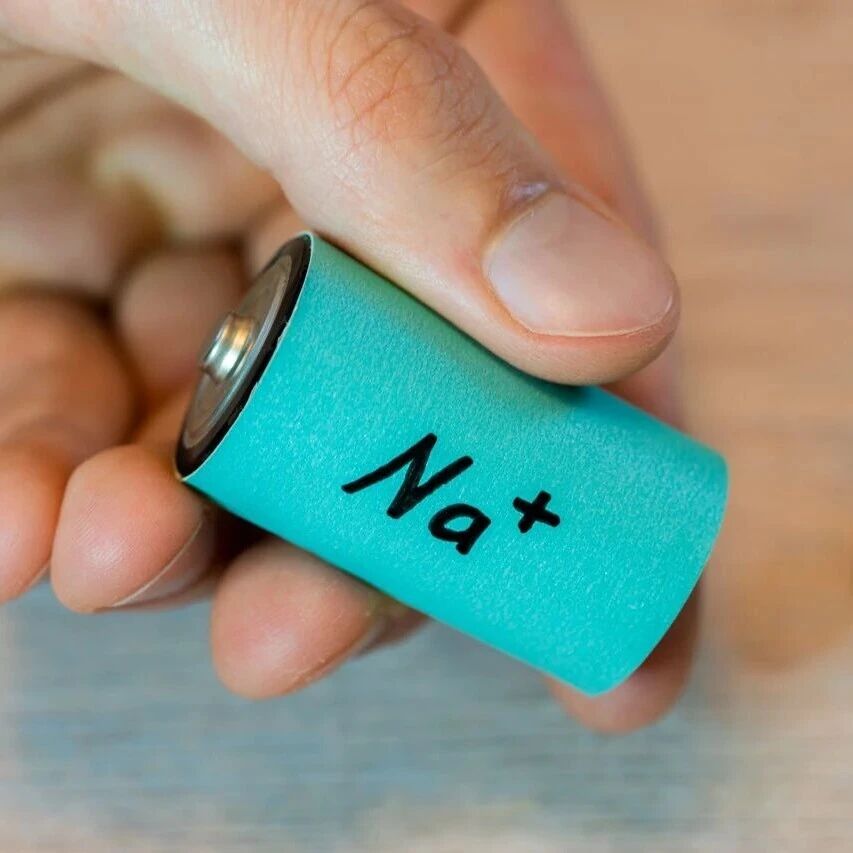
Core Viewpoint - The sodium battery industry is transitioning from concept validation to large-scale delivery, with significant advancements in production and cost reduction, positioning itself as a viable alternative in scenarios where lithium batteries are less effective [2][4][21]. Industry Developments - CATL launched a new series of sodium-ion batteries, including the industry's first mass-produced low-temperature version, achieving an energy density of 175Wh/kg [2]. - Jiangsu Zhongna Energy's sodium iron sulfate cathode material production facility has begun mass production, reducing the cost of sodium battery cells to approximately 0.45 yuan/Wh [5][6]. - By 2025, China's sodium-ion battery production is expected to reach 3.45GWh, nearly doubling from 2024 [4]. Cost and Economic Viability - The cost of sodium battery cells is projected to decrease further, potentially falling below 0.4 yuan/Wh by 2026, making them increasingly competitive with lithium batteries [6][7]. - Despite the cost reductions, challenges remain in achieving consistent material quality and production efficiency, particularly when scaling from laboratory to industrial production [8][9]. Unique Market Opportunities - Sodium batteries are finding unique applications in extreme temperature environments, such as low-temperature commercial vehicles and high-temperature conditions in regions like Saudi Arabia [13][14]. - In the two-wheeler battery swap market, sodium batteries offer longer cycle life compared to lead-acid batteries, leading to lower operational costs over time [16]. - The integration of sodium batteries in energy storage systems is evolving, with hybrid solutions combining lithium and sodium technologies to enhance efficiency [18][19]. Strategic Industry Positioning - The sodium battery sector is increasingly recognized as a strategic backup for energy security, with major players entering the market to leverage their supply chain capabilities [7][21]. - The industry is shifting towards a focus on long-life, lower-cost materials, with a significant portion of production expected to utilize stable, low-energy-density cathode materials by 2025 [22][24]. - The market is evolving to accept sodium batteries as a distinct product category rather than merely a cheaper alternative to lithium batteries, emphasizing their unique advantages in specific applications [10][11][24].

锂电池行业专题研究:新型储能产业链之河南概况(三)
Zhongyuan Securities· 2026-01-22 09:03
Investment Rating - The report maintains an "Outperform" rating for the lithium battery industry relative to the CSI 300 index [2]. Core Insights - The new energy storage market is experiencing significant growth, with global new energy storage installations expected to reach 74.1 GW/177.8 GWh by the end of 2024, representing year-on-year growth of 62.5% and 61.9% respectively. In China, the new energy storage capacity is projected to increase by 103% and 136% to 43.7 GW/109.8 GWh [10][17]. - Lithium batteries are expected to dominate the energy storage technology landscape, with shipments in China reaching 430 GWh in the first three quarters of 2025, marking a year-on-year increase of 99.07% [10][24]. - The report highlights the supportive policy environment for the energy storage industry, with multiple initiatives launched by the Chinese government to promote the development of new energy storage technologies [10][35]. Summary by Sections 1. Energy Storage Industry Overview - The global energy system is undergoing significant changes to meet carbon neutrality commitments, with a focus on increasing the share of renewable energy [15][16]. - Energy storage technologies are categorized into mechanical and electrochemical storage, with pumped storage being the most mature technology [16][22]. 2. Energy Storage Policies - Since 2021, the Chinese government has introduced a series of policies to support the development of energy storage, including the "New Energy Storage Manufacturing High-Quality Development Action Plan" [35][36]. - The goal is to achieve over 100 million kW of new energy storage capacity by 2027, with significant investments expected [36][37]. 3. Electrochemical Energy Storage - Lithium-ion batteries are highlighted as the most mature and widely used technology in energy storage, with a market share of 97.5% in new energy storage technologies [24][29]. - The report discusses the advantages of lithium batteries, including high energy density and long lifespan, while also noting safety risks [22][24]. 4. Mechanical Energy Storage - Pumped storage remains a significant part of the energy storage landscape, accounting for 54.3% of total storage capacity as of the end of 2024 [24][29]. - Other mechanical storage technologies, such as compressed air and flywheel storage, are also discussed, highlighting their respective advantages and limitations [22][24]. 5. Henan Province Energy Storage Overview - Henan Province has implemented policies to accelerate the development of new energy storage technologies, aiming for a scale of over 15 million kW by 2030 [10][36]. - Key companies in the Henan energy storage sector include multiple firms specializing in lithium, sodium, and flow batteries [10][36].


爱玛科技:在电池方面,公司持续推进铅酸电池、锂电池等的应用技术研发
Zheng Quan Ri Bao Zhi Sheng· 2026-01-13 12:09
Core Viewpoint - Aima Technology is actively advancing the research and development of battery technologies, including lead-acid and lithium batteries, while also optimizing smart temperature-controlled timed chargers to enhance charging safety and battery lifespan under various environments and working conditions [1]. Group 1 - The company is focusing on the application technology development of lead-acid and lithium batteries [1]. - Aima Technology is improving the functionality of smart temperature-controlled timed chargers [1]. - The enhancements aim to increase charging safety and battery longevity across different environments and operational conditions [1].

双登股份20260108
2026-01-08 16:02
Summary of the Conference Call for 双登股份 Company Overview - 双登股份 specializes in communication base stations and data center backup power supplies, with revenue split approximately evenly between these two segments [6][16] - The company was established in 2011 and has a significant focus on both lead-acid and lithium battery technologies for backup power solutions [6] Industry Insights - The domestic AIDC (Automatic Identification and Data Capture) industry has shown signs of recovery since late 2025, with expectations for increased investment and bidding activity in 2026 [3] - The backup power market is currently in a tight supply-demand balance, with lead-acid battery production constrained by environmental regulations and production line changes [4] - Global lithium battery penetration in backup power is over 60%, with the overseas market projected to reach RMB 250-300 billion [4][14] Key Financial Projections - For 2026, 双登股份 expects to ship 3.5-4 GWh of lead-acid backup power, up from 2.4 GWh in 2025, with a growth rate of 30%-50% anticipated for 2027 [10] - The company aims to capture a 50% market share in the mid-term, potentially contributing around RMB 400 million in profits [10] - The overall profit for the data center business is projected to reach RMB 1 billion by 2027-2028 [14] Lithium Battery Developments - 双登股份 has established a strong foothold in lithium battery technology, with plans to expand into large-scale energy storage as a second growth curve [7] - The company is collaborating with major clients like Alibaba and ByteDance to develop customized lithium battery products [13] - The iron-lithium battery solution from China is expected to replace the less safe ternary lithium batteries from Japanese and Korean manufacturers in overseas markets [11][12] Market Dynamics - The domestic market is currently dominated by lead-acid solutions, which account for over 95% of data center backup power due to their reliability [8] - In the overseas market, there is a rapid increase in lithium battery adoption driven by high-performance computing needs, despite safety concerns [9] Strategic Partnerships and Expansion - 双登股份 has formed partnerships with key players in the UPS and HVDC sectors, including Schneider and Eaton, and is planning to establish a 2 GWh high-rate production capacity in Malaysia [13] - The company is also working on entering the North American market, with plans to supply customized products to major operators [13] Future Outlook - The company is expected to benefit from the recovery in the IDC bidding process, leading to an upward trend in the backup power sector [5] - With a strong order backlog nearing RMB 10 billion, 双登股份 is positioned for significant growth in 2026, with profit expectations of RMB 5-5.5 billion [16] - Long-term projections suggest that the company could achieve a profit of RMB 1.5 billion by 2027-2028, indicating substantial growth potential [16]
中金首次覆盖双登股份(6960.HK):海外卡位头部客户,市场显著低估其成长空间
Ge Long Hui· 2025-12-22 10:30
Core Viewpoint - China International Capital Corporation (CICC) has initiated coverage on Shuangdeng Group Co., Ltd. (6960.HK), rating it as "outperform" with a target price of HKD 22.90, highlighting its leading position in the communication and data center energy storage sector and the growth potential from the global Artificial Intelligence Data Center (AIDC) market [1] Group 1: Market Position and Share - Shuangdeng Group is ranked first globally in battery shipments for communication and data center energy storage, with a market share of 11.1% in 2024 [1] - The company holds the top position among Chinese enterprises in the global data center energy storage market with a market share of 16.1% and ranks first in the global telecom base station energy storage market with a market share of 9.2% [1] Group 2: Customer Base and Revenue Contribution - By the end of 2024, Shuangdeng Group will cover nearly 30% of the top 100 global telecom operators and equipment manufacturers, including major clients like China Mobile, China Telecom, Ericsson, and France Telecom [2] - The company has an 80% coverage rate among China's top ten proprietary data center companies and a 90% coverage rate among the top ten third-party data center companies, serving large tech firms such as Alibaba, Baidu, and JD.com [2] - Data center and telecom base station energy storage combined will contribute over 88% of the company's revenue by the first half of 2025, indicating a high concentration in these high-growth areas [2] Group 3: International Expansion and R&D - The market previously underestimated Shuangdeng Group's potential for international expansion, with the company establishing subsidiaries in Singapore and the United States, and actively pursuing localized manufacturing to enhance international growth [3] - In 2024, the company's overseas business is expected to generate revenue of CNY 890 million, accounting for nearly 20% of total revenue, with a focus on local manufacturing to reduce geopolitical risks and improve responsiveness [3] - Shuangdeng Group has a strong R&D capability, holding 337 patents and participating in drafting 31 national and industry standards, which creates competitive barriers [3] - The company's lithium battery products for data centers support ultra-fast charging capabilities and integrate multi-level Battery Management Systems (BMS) for real-time monitoring, significantly enhancing safety and operational efficiency [3]