
青提奶皮子糖葫芦

Search documents
冰糖葫芦装进奶茶杯,新茶饮开始“液体化”地方小吃
东京烘焙职业人· 2026-02-09 08:33
Core Viewpoint - The article discusses the rising trend of liquid versions of traditional snacks, particularly the "liquid candied hawthorn," in the beverage industry, highlighting how brands are innovating to attract consumers and differentiate themselves in a competitive market [3][14][34]. Group 1: Product Innovations - Several beverage brands have launched new products inspired by the candied hawthorn, such as Lele Tea's "Snow Top Hawthorn Strawberry Milk" and Ma Wu Beverage Factory's "Green Grape Milk Candied Hawthorn" [3][5]. - Other brands like "Lemon Right" and "Wu Yin Liang Pin" have introduced variations like "Hawthorn Lemon Tea" and "Northeast Hawthorn Berry" series, which are marketed as affordable liquid candied hawthorn options [8][10]. - The trend extends to other regional snacks being transformed into beverages, such as Ningbo's glutinous rice balls and Lanzhou's sweet fermented milk tea, showcasing a blend of traditional flavors with modern beverage formats [16][18][34]. Group 2: Market Dynamics - The beverage industry is experiencing intense competition, prompting brands to innovate and incorporate local snacks into their menus to stand out [15][36]. - The rapid pace of new product launches in the tea beverage sector is noted, with brands exploring various innovations from flavor combinations to seasonal offerings [37]. - The article emphasizes that while these innovations attract consumer attention, they also risk leading to market homogenization and consumer fatigue due to the sheer volume of similar products [40]. Group 3: Consumer Demand and Trends - The liquidization of traditional snacks meets consumer demand for nostalgic flavors while adapting to modern consumption habits, such as convenience for on-the-go drinking [41]. - Brands are leveraging the existing supply chain for core ingredients, allowing for cost-effective innovation without significant investment in new equipment [46]. - The trend aligns with a growing consumer preference for healthier options, as brands are reformulating traditional high-sugar snacks to reduce sugar content and incorporate healthier ingredients [46].

中产快吃不起奶皮子糖葫芦了
3 6 Ke· 2025-11-11 02:43
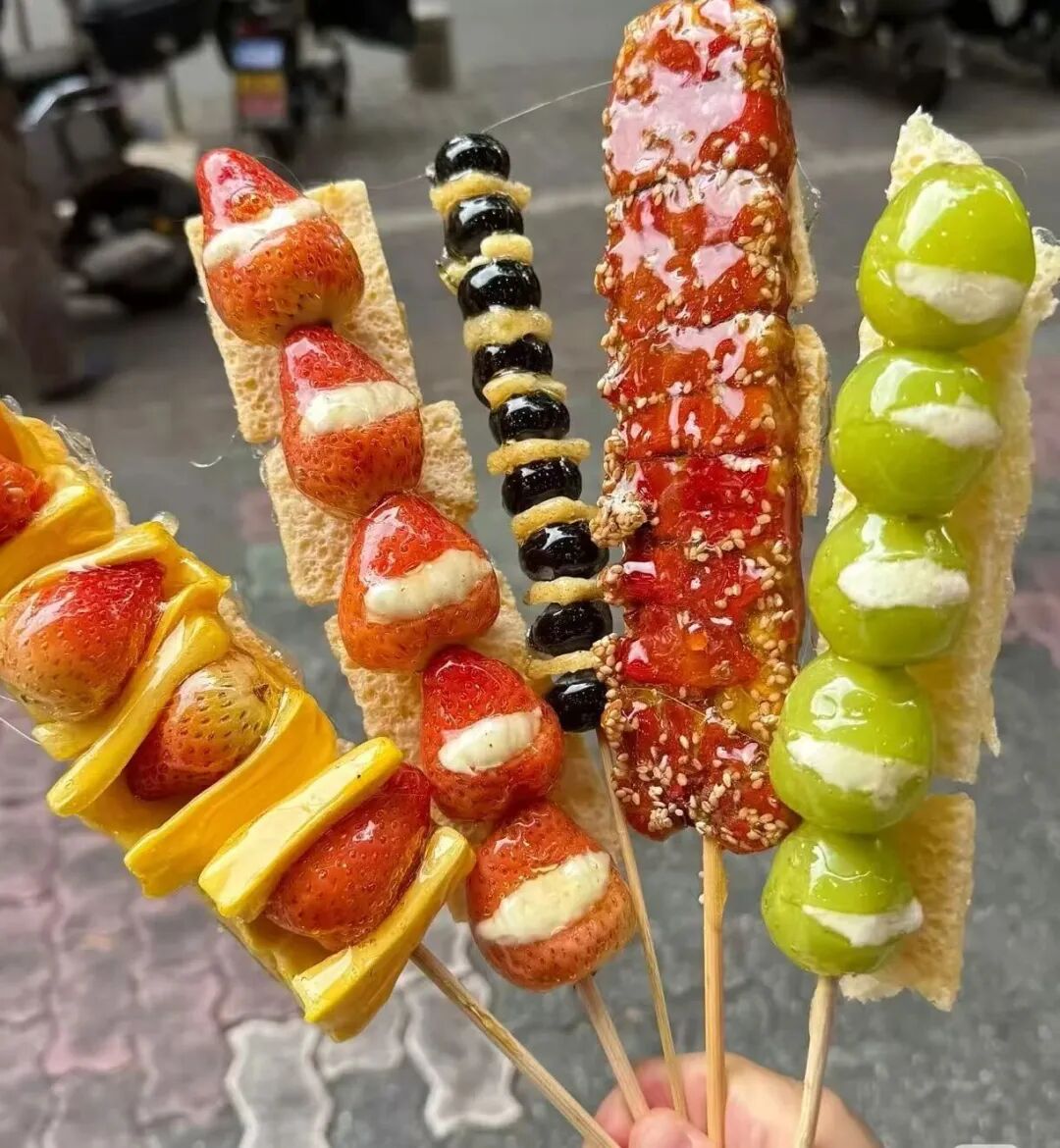
Core Insights - The popularity of "Nai Pi Zi Tang Hu Lu" (milk skin candied hawthorn) has surged this winter, becoming a trending winter snack across China, with long queues and high prices reported in major cities like Beijing and Shanghai [1][3][4] - The combination of milk skin and candied hawthorn, which originated in Baotou, Inner Mongolia, has led to a significant increase in prices, with some varieties costing three to four times more than traditional candied hawthorn [3][8][10] Market Trends - The hashtag "Nai Pi Zi Tang Hu Lu" has garnered 220 million views on Xiaohongshu and 840 million views on Douyin, indicating strong social media engagement and consumer interest [3] - The price of Nai Pi Zi Tang Hu Lu varies significantly, with basic varieties priced between 15-30 yuan, while premium options can exceed 40 yuan, reflecting a substantial markup due to the inclusion of milk skin [8][10] Supply Chain Dynamics - There is a reported shortage of milk skin, which is primarily handmade and labor-intensive to produce, leading to supply constraints and increased prices from 10 yuan to 19 yuan per piece [12][13] - Many businesses, including snack shops and instant retail platforms, are capitalizing on the trend by introducing their own versions of Nai Pi Zi Tang Hu Lu, indicating a competitive market landscape [15][19] Industry Implications - The dairy industry has seen a decline in overall consumption, with major brands like Yili and Mengniu reporting revenue drops, suggesting that while Nai Pi Zi Tang Hu Lu is a trend, it may not provide long-term growth for dairy companies [20] - Experts suggest that while the product is currently popular, it may not lead to sustainable innovation within the dairy sector due to low profit margins and lack of differentiation in production methods [19][20]
需求收缩,乳业价格战加剧?丨消费参考
2 1 Shi Ji Jing Ji Bao Dao· 2025-11-06 09:57
Group 1: Dairy Industry Overview - The dairy market has experienced a significant decline in demand, with overall sales down 16.8% year-on-year in September, and offline sales down 21.3% [1] - Major dairy companies reported revenue declines in Q3, with Yili's revenue down 1.70% to 28.631 billion yuan, Bright Dairy's liquid milk revenue down 8.44% to 3.54 billion yuan, and San Yuan Dairy's liquid milk revenue down 4.42% to 2.917 billion yuan [1] - A price war is ongoing in the dairy industry, with significant price reductions observed in various milk products [1] Group 2: Yili's Strategy and Market Position - Yili has adopted a light inventory management strategy to maintain channel health and mitigate risks for distributors, leading to cautious stocking behavior among distributors [2] - Yili aims to avoid exacerbating the price war while focusing on product innovation and marketing strategies to meet consumer demand [2] Group 3: Market Conditions and Future Outlook - The macroeconomic environment remains weak, contributing to intense price competition in the dairy sector due to ample raw milk supply [1][2]

奶皮子糖葫芦火到饮品圈,门店一杯难求,内蒙工厂都缺货
3 6 Ke· 2025-11-05 02:17
Core Insights - The "Nai Pi Zi Tang Hu Lu" (milk skin candied hawthorn) has become a trending beverage in the tea drink sector, experiencing a 60% increase in sales for brands like Lele Tea, indicating a significant consumer demand for this product [1][4][9] - The rapid rise in popularity has led to supply shortages, with many manufacturers struggling to meet the increased demand, resulting in price hikes of 30-50% for raw materials [9][11][20] - Industry experts are debating whether "Nai Pi Zi" can become a staple ingredient in tea drinks, similar to "pearls" or "thick milk," but face challenges such as unclear definitions, high production costs, and varying quality standards [13][20][22] Group 1: Product Popularity - "Nai Pi Zi Tang Hu Lu" has become a winter consumer favorite, with reports of long queues and high prices, such as 98 yuan for a single skewer in Shanghai [1][4] - Social media platforms like Xiaohongshu have seen over 10,000 posts about "Nai Pi Zi Tang Hu Lu," indicating a strong online presence and consumer interest [4] - Lele Tea's modification to include "Tang Hu Lu" in their product name significantly boosted their sales and in-store traffic [4][9] Group 2: Supply Chain Challenges - The surge in demand has left many milk skin factories overwhelmed, with reports of full production capacities and inability to fulfill orders, leading to nationwide shortages [9][11] - The price of raw milk skin has reportedly increased by nearly 100%, further complicating supply issues for manufacturers [11][20] - The production process for traditional milk skin is labor-intensive, requiring significant amounts of fresh milk and time, which limits scalability [20][22] Group 3: Industry Perspectives - Experts suggest that while "Nai Pi Zi" has potential as a seasonal ingredient, its high cost and production challenges may hinder widespread adoption in the tea drink market [20][22] - The lack of standardized definitions and quality control for "Nai Pi Zi" poses a barrier to its acceptance as a mainstream ingredient [15][18] - The journey of "Nai Pi Zi" reflects broader trends in the Chinese consumer market, highlighting the potential of regional ingredients to gain popularity through social media and innovative supply chains [23]
