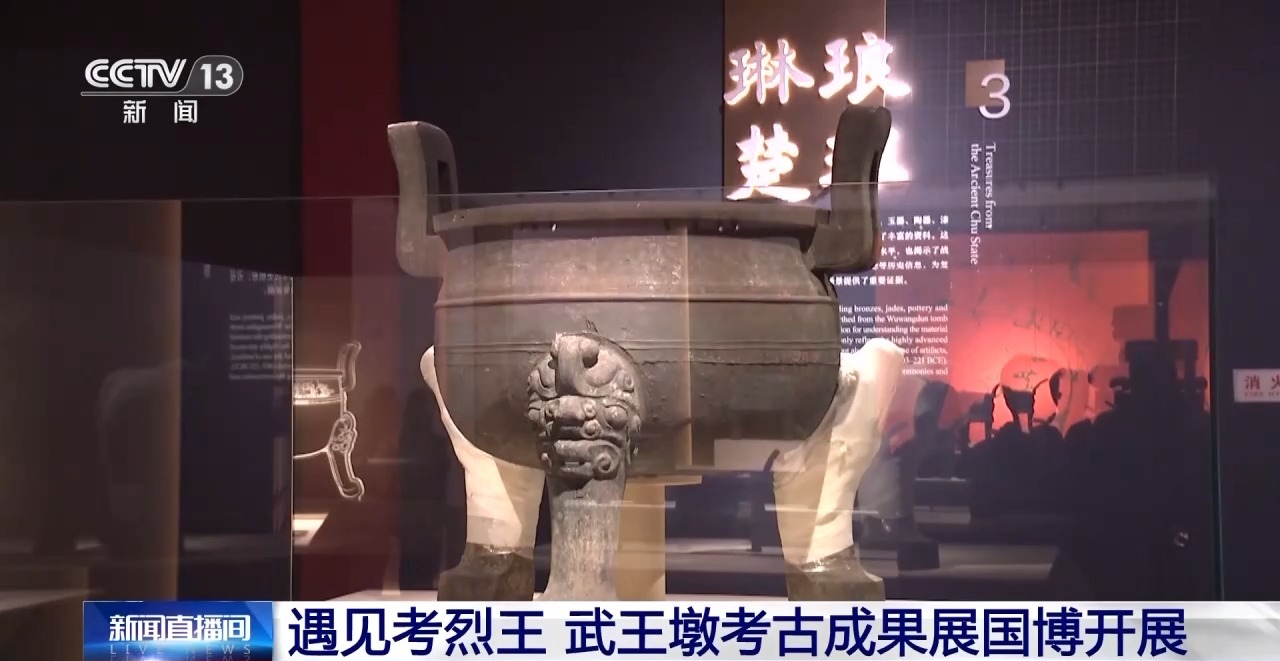
青铜镬鼎

Search documents
当年轻人“遇见”楚考烈王
Xin Lang Cai Jing· 2026-02-15 14:49
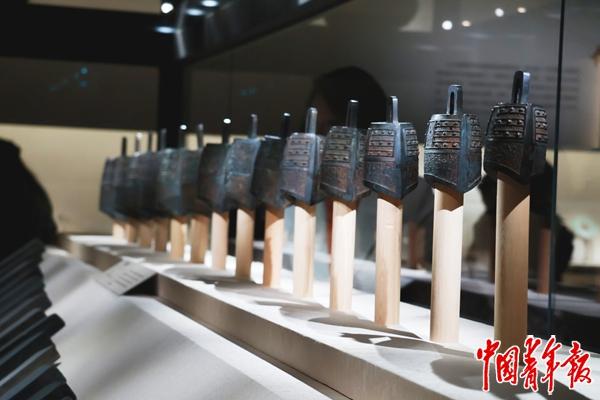
Core Viewpoint - The archaeological exhibition "Meeting the King of Kao Lie" showcases the significant findings from the excavation of the Wangdun No. 1 tomb in Huainan, Anhui, which is the largest and most complex royal tomb of the Chu state discovered to date, providing valuable insights into the burial customs and royal tomb systems from the Chu state to the Western Han dynasty [2][12]. Group 1: Archaeological Findings - The Wangdun No. 1 tomb is the burial site of King Kao Lie of Chu, containing over 10,000 precious artifacts, which are crucial for studying the royal burial customs and tomb planning of the Chu state [2][12]. - The tomb features a well-preserved collection of ceremonial objects, including a set of bronze bells that have been confirmed to possess excellent musical qualities [5][12]. - The excavation team, primarily composed of young archaeologists, has faced numerous challenges, including the need for urgent protective measures due to the risk of looting and environmental degradation [4][8]. Group 2: Team Dynamics and Challenges - The excavation team has shown resilience, with many members being recent graduates who have taken on significant responsibilities in the project [3][4]. - The team has developed innovative techniques for artifact extraction and preservation, including the use of water gel and epoxy resin for large artifacts [9][12]. - The work environment has been demanding, with team members often working long hours to ensure the careful extraction and documentation of artifacts [4][8]. Group 3: Public Engagement and Cultural Impact - The exhibition has sparked public interest, with local residents and students actively engaging with the archaeological process and expressing their support for the project [12][13]. - Educational initiatives, such as student competitions related to the Wangdun site, have fostered a deeper understanding of archaeology among younger generations [12]. - The successful preservation of artifacts, such as lacquerware, has exceeded public expectations and highlights the effectiveness of the conservation efforts undertaken by the team [12].

当年轻人“遇见”楚考烈王 | 文化中国行
Zhong Guo Qing Nian Bao· 2026-02-15 13:32
Core Viewpoint - The archaeological exhibition "Meeting the King of the Examined" showcases the significant findings from the excavation of the Wangdun No. 1 tomb in Huainan, which is the largest and most complex royal tomb of the Chu state discovered to date, providing valuable insights into the burial customs and royal burial systems from the Chu state to the Western Han period [2][3]. Group 1: Archaeological Findings - The Wangdun No. 1 tomb is the burial site of King Xiong Yuan of the Chu state, with over 10,000 precious artifacts unearthed from 2020 to 2024, contributing to the understanding of royal burial practices [2]. - The tomb features a well-preserved array of ceremonial objects, including a set of bells that have been confirmed to possess excellent musical qualities [5][6]. - The excavation team, primarily composed of young archaeologists, has faced numerous challenges, including the need for rapid extraction and preservation of fragile artifacts [4][8]. Group 2: Team Dynamics and Challenges - The excavation team, mostly comprised of individuals born in the 1990s, has shown remarkable resilience and capability, with many members transitioning into professional roles in various cultural heritage departments across China [3][4]. - The team has developed innovative techniques for artifact extraction and preservation, such as using water gel and epoxy resin for large artifacts, which can serve as a reference for future archaeological projects [9][8]. - The work environment has been demanding, with team members often working long hours to ensure the successful extraction and documentation of artifacts [4][8]. Group 3: Public Engagement and Cultural Impact - The exhibition has sparked significant public interest, with local residents and students actively engaging with the archaeological process and expressing their support for the project [11]. - Educational initiatives, such as student competitions and community events, have been organized to raise awareness about the importance of archaeology and cultural heritage [11]. - The preservation efforts have exceeded public expectations, particularly regarding the condition of lacquerware artifacts, highlighting the effectiveness of the conservation techniques employed [11].
回望楚风余韵的绚烂
Xin Lang Cai Jing· 2026-01-14 10:20
Core Insights - The exhibition "Encountering King Kao Lie" showcases archaeological findings from the Wangdun No. 1 tomb in Huainan, Anhui, featuring over 200 artifacts that reflect the glory of the late Warring States period of the Chu state [1] Group 1: Tomb and Artifacts - The Wangdun tomb is a high-status burial site from the late Warring States period, characterized by its luxurious features, including a unique "Y" shaped wooden coffin structure, indicating the high status of the tomb's occupant [2] - A bronze vessel with an inscription is key evidence for identifying the tomb's owner as King Kao Lie of Chu, also known as Xiong Yuan, who was the 39th king of Chu [2][3] - The tomb's excavation exemplifies the integration of archaeology and multidisciplinary technology, showcasing advanced methods in artifact preservation and restoration [3][4] Group 2: Daily Life and Culture - The artifacts, including over 10,000 bronze, jade, pottery, and lacquer items, illustrate the ceremonial and daily life of the Chu royalty, revealing insights into their social customs and aesthetic values [5][6] - The exhibition features a pig-shaped lacquer food box, representing the Chu culture's unique craftsmanship and aesthetic preferences, particularly the use of red and black colors [6] - Various artifacts, such as bronze incense burners and jade ornaments, reflect the luxurious lifestyle and cultural practices of the Chu nobility [6] Group 3: Interactions and Exchanges - The artifacts from the Wangdun tomb indicate that the late Warring States period Chu state was part of a broad and active network of cultural and political exchanges, evidenced by items from different regions [7] - A bronze horse harness fitting found in the tomb illustrates the interaction between Chu culture and northern steppe cultures, highlighting the cross-cultural exchanges of the time [7] - The exhibition also reveals the complex relationship between the Qin and Chu states, with artifacts indicating political alliances through marriage, such as the mention of the Qin empress from the Chu royal family [8]
走近考烈王,感受楚文化魅力
Ren Min Ri Bao Hai Wai Ban· 2026-01-12 22:49
Core Viewpoint - The exhibition "Encountering King Kao-Lie" showcases the archaeological findings from the tomb of King Kao-Lie of the Chu state, highlighting the cultural and material achievements of the late Warring States period in China, with over 200 selected artifacts displayed from more than 10,000 unearthed items [9][10]. Group 1: Archaeological Significance - The tomb of King Kao-Lie, located in Anhui Province, is the largest and most complex royal tomb from the late Warring States period, recognized as one of the "Top Ten Archaeological Discoveries of 2024" [9]. - The tomb's structure includes a "甲" shaped vertical pit wooden coffin burial, covering an area of approximately 12,000 square meters, featuring multiple chambers and representing the highest burial standards of the time [10]. Group 2: Artifacts and Cultural Insights - The exhibition features significant artifacts such as large bronze cauldrons used in sacrificial rituals, with three massive cauldrons found in the tomb, indicating adherence to the highest sacrificial standards of the Zhou dynasty [11][14]. - A notable bronze vessel with a 88.9 cm diameter is recognized as the largest bronze round cauldron from the Eastern Zhou period, referred to as the new "Chu Great Cauldron" [11]. Group 3: Ritual and Music Instruments - The tomb also yielded a complete set of ritual vessels, including nine cauldrons and eight food containers, symbolizing the highest status in the Zhou ritual system [14]. - Two sets of bronze bells and a set of stone chimes were discovered, indicating the importance of music in ceremonial activities during the period [15]. Group 4: Artistic Craftsmanship - The tomb's artifacts reflect exquisite craftsmanship, including jade items and colorful lacquerware, showcasing the romantic characteristics of Chu culture [16][17]. - The exhibition includes a large lacquer table adorned with intricate dragon and phoenix designs, exemplifying the vibrant artistry of the Chu state [16]. Group 5: Cultural Exchange - Artifacts from other regions, such as a bronze vessel with inscriptions from the State of Zhongshan, illustrate the cultural interactions and exchanges during the late Warring States period [18]. - The unique design of a pair of bronze urns found in the tomb reflects both northern cultural influences and distinct Chu stylistic elements, highlighting the diversity of the era [18].
武王墩200多件套文物亮相国博
Xin Lang Cai Jing· 2026-01-01 23:53
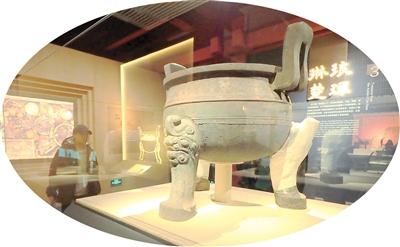
Core Viewpoint - The Wuwangdun archaeological exhibition at the National Museum showcases over 200 newly unearthed artifacts, marking the first comprehensive public display of findings from the Wuwangdun tomb, which belongs to the late Warring States period of the Chu state [1][2]. Group 1: Artifacts and Their Significance - The Wuwangdun tomb is identified as the burial site of King Xiong Yuan of the Chu state, with a bronze vessel inscribed with "Chu Wang Zai Qian made a gold vessel for annual offerings," serving as a key piece of evidence for identifying the tomb's owner [1]. - Among the artifacts, the largest bronze ding (cauldron) discovered has set a new record in China's ranking of large dings [1]. - The exhibition features a significant set of nine dings, visually representing the historical Nine Ding system, with two dings showcasing intricate scales and decorative motifs, indicating the cultural context of the late Warring States period [2]. Group 2: Cultural Exchange and Artistry - The Wuwangdun tomb yielded a unique bronze ding with an iron base, notable for its 18-character inscription, which references the "Left Envoy Vehicle (Warehouse)," a term specific to the state of Zhongshan, reflecting the cultural exchanges during the late Warring States period [2]. - The exhibition includes exquisite artifacts such as bronze bells, stone chimes, jade discs, and rare ball-shaped jars, collectively illustrating the ceremonial significance and material achievements of the Chu state [2].
国博重磅大展“遇见考烈王”启幕
Xin Lang Cai Jing· 2025-12-27 07:24
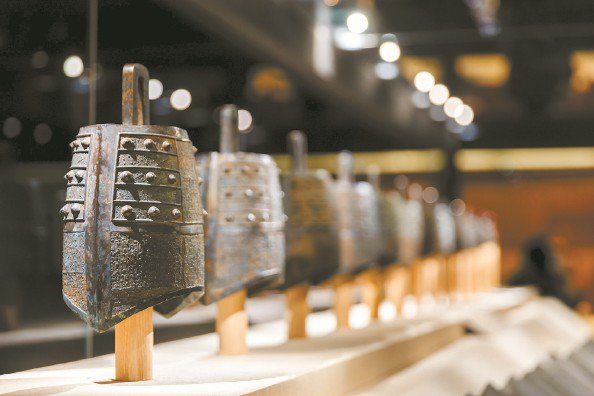
Core Insights - The exhibition "Encountering King Koryo - Archaeological Discoveries from the No. 1 Tomb of King Wu Wang Dun in Huainan, Anhui" opened at the National Museum of China, showcasing the largest and most complex royal tomb of the Chu state from the Warring States period [2] - Over 10,000 precious artifacts have been unearthed from the site between 2020 and 2024, with the exhibition featuring more than 200 selected items [2] - The exhibition is divided into four sections: "Sealed Treasures," "Coffin Inscriptions," "Exquisite Chu Treasures," and "Belonging to Huaxia," highlighting significant bronze ritual vessels and exquisite jade artifacts [2] Group 1 - The No. 1 Tomb of King Wu Wang Dun is recognized as a "cultural treasure trove" of the Chu state, with artifacts that span over a thousand years [2] - The exhibition will last for four months, allowing visitors to engage with the historical artifacts directly [2] - Notable items include a set of bronze ritual vessels, a complete set of bronze bells, and intricately designed jade pieces, showcasing the craftsmanship of the era [2] Group 2 - The tomb also revealed two sets of musical bells, known as "Niu Bells," which are characterized by their decreasing sizes and intricate designs, reflecting the musical culture of the Chu people [3] - A rare spherical bronze urn, believed to have been used for holding fine wine or soup, exemplifies the romantic aesthetic of Chu culture [3] - The exhibition features a painted lacquer wood table adorned with dragon and phoenix motifs, along with a matching lacquer cup, highlighting the unique artistic expression of the Chu civilization [3]
武王墩考古成果展开幕 200多件套文物亮相国博
Yang Shi Wang· 2025-12-26 19:18
Core Viewpoint - The archaeological exhibition of the Wuwangdun site showcases over 200 newly unearthed artifacts, marking the first comprehensive public display of these findings related to the tomb of King Koa of the late Warring States period in the Chu state [1][9]. Group 1: Artifacts and Their Significance - The exhibition features a significant bronze vessel, a bronze zun, inscribed with a key phrase that helps identify the tomb's owner, King Koa [1]. - A notable highlight is a set of nine bronze ding, which visually represents the historical nine ding system, with two pieces exhibiting intricate craftsmanship that reflects the cultural decline of the Chu state [3]. - The largest bronze pot unearthed from the tomb has set a new record in China's ranking of large ding [4]. Group 2: Cultural Insights - The Wuwangdun tomb excavation team leader, Gong Xicheng, noted that the unique design of the bronze ding, characterized by a waist and flat bottom, distinguishes it from round ding, indicating the craftsmanship of the Chu state during its peak [6]. - A bronze vessel with iron feet, inscribed with 18 characters, reveals cultural exchanges during the late Warring States period, as it features elements from the Zhongshan state, indicating a blend of cultures [8]. - The exhibition includes a complete set of bronze bells, exquisite jade artifacts, and rare ceremonial items, collectively illustrating the rich material culture and ceremonial practices of the Chu state [9]. Group 3: Exhibition Details - The exhibition is part of the National Museum's important exhibition plan, aiming to provide an immersive archaeological experience and enhance understanding of Chu culture's role in the broader context of Chinese civilization [11].