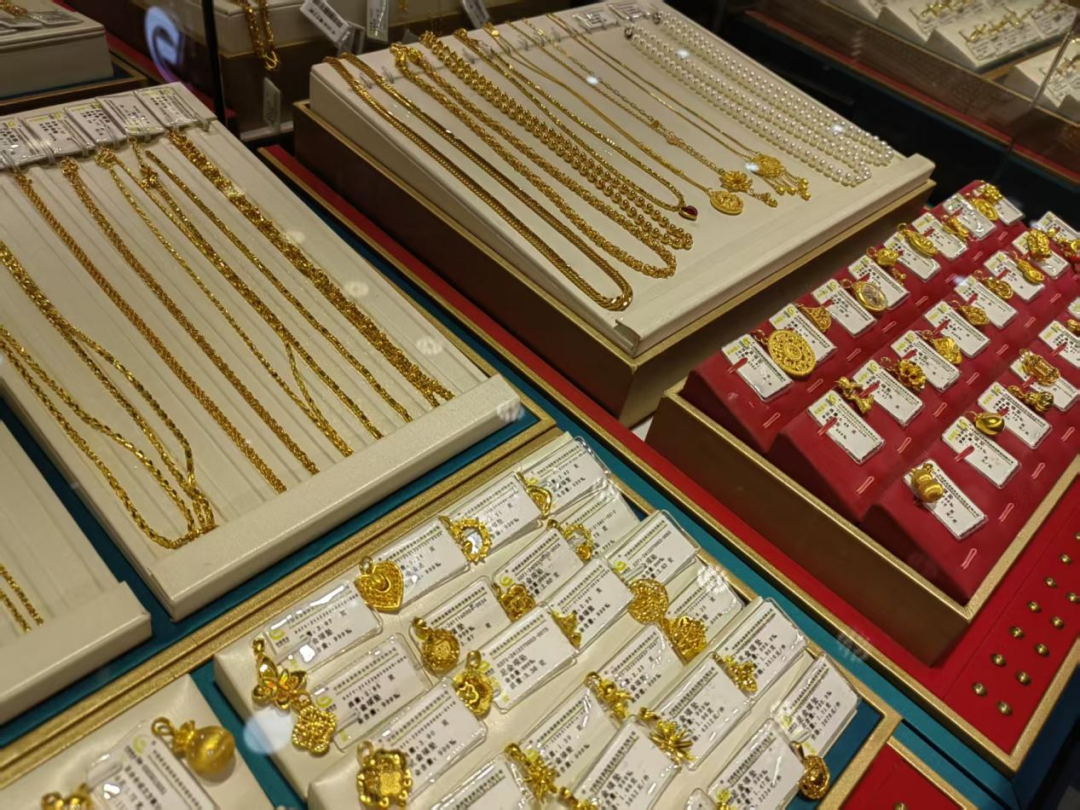
黄金理财产品

Search documents
系好安全带!避险黄金进入大波动时代
Jing Ji Guan Cha Bao· 2026-02-07 08:25
Core Viewpoint - The recent volatility in gold prices has transformed the market dynamics, leading to increased demand for gold investment products and a shift in perception from gold as a stable asset to a high-risk investment opportunity [1][4][10]. Group 1: Market Dynamics - Gold prices experienced a dramatic fluctuation, with COMEX gold futures reaching a historical high of $5,626 per ounce on January 29, 2026, followed by a sharp decline of 9.25% the next day [1]. - The volatility has led to a surge in demand for gold bars, with customers increasingly purchasing gold during price dips, indicating a shift in investor behavior [1][5]. - The average daily price fluctuation of gold has exceeded 5% more than 50 days since 2025, a significant increase compared to previous years [3][12]. Group 2: Investor Behavior - There has been a notable increase in inquiries about gold investment products at banks, with approximately 75% of clients consulting about gold-related investments since the price drop on January 30 [3][6]. - Many investors are now viewing gold as a high-volatility asset rather than a safe haven, with a significant increase in the number of clients willing to invest despite the risks [4][6]. - The demand for gold has also attracted attention from international investment institutions, with many hedge fund managers recognizing the strong demand from Chinese investors [7][10]. Group 3: Institutional Investment Trends - Global central banks and large investment institutions have significantly increased their gold holdings, raising the allocation to 15%-20% of their portfolios, with some family offices allocating over 30% [10][11]. - The shift in investment strategy has led to a more pronounced impact on gold prices, as increased demand from institutional investors has contributed to the upward trend in gold prices [11][12]. - The changing investment logic has resulted in a higher volatility in gold prices, with annual price increases and volatility levels reaching unprecedented levels in recent years [12][19]. Group 4: Future Outlook - Analysts predict that gold prices may continue to rise, with UBS raising its target price for gold to $6,200 per ounce for the first three quarters of 2026, reflecting ongoing geopolitical tensions and economic uncertainties [18]. - The potential for further capital inflow into the gold market could exacerbate price volatility, as the perception of gold shifts from a safe haven to a risk asset [18][19]. - Investment strategies are evolving, with institutions now considering hedging against price volatility when increasing their gold allocations, indicating a more cautious approach to gold investments [19].
系好安全带!避险黄金进入大波动时代
经济观察报· 2026-02-07 05:53
Core Viewpoint - The article discusses the transformation of gold from a stable "safe haven" to a high-volatility "risk game," highlighting the significant changes in market dynamics and investor behavior in response to recent price fluctuations [1][7]. Market Dynamics - The gold market has experienced extreme volatility since 2026, with COMEX gold futures reaching a historical high of $5,626 per ounce on January 29, followed by a sharp decline of 9.25% the next day [3][4]. - The recent price movements have led to a split in the market, where some investors are taking profits while others are increasing their positions despite the volatility [4][6]. Investor Behavior - There has been a noticeable increase in demand for gold bars, with customers returning to purchase more after the price drop on January 30, indicating a trend of buying on dips [2][4]. - In banking sectors, approximately 75% of clients are inquiring about gold investment products, reflecting a shift in investment strategies as traditional low-risk products yield lower returns [6][10]. Historical Context - The article notes that prior to 2016, gold was primarily viewed as a safe asset, with daily price fluctuations of over 3% causing significant concern. In contrast, fluctuations exceeding 5% have become commonplace in recent years [7][15]. - The average annual price increase for gold has surged from less than 7% to over 60% in recent years, with corresponding increases in volatility [17]. Institutional Insights - Major financial institutions have significantly increased their gold allocations, with some family offices allocating over 30% of their funds to gold, reflecting a shift in asset allocation strategies [15][17]. - Central banks have also increased their gold reserves, with gold accounting for 20% of global reserve assets by 2024, surpassing the euro [16]. Future Outlook - Analysts predict that gold prices may continue to rise, with UBS raising its target price to $6,200 per ounce and JPMorgan forecasting a rise to $6,300 by the end of 2026 [26]. - The article warns that as gold's volatility increases, it may become more of a risk asset disguised as a safe haven, urging investors to exercise caution and avoid high leverage [26][27].


经观头条|金价高波动时代来了
Sou Hu Cai Jing· 2026-02-07 04:54
Core Viewpoint - The recent volatility in the gold market has transformed gold from a stable "safe haven" asset into a high-volatility "risk game," attracting both retail and institutional investors amid fluctuating prices [8][9][20]. Group 1: Market Dynamics - Since January 30, 2026, gold prices have experienced extreme fluctuations, with a peak of $5,626 per ounce followed by a sharp drop of 9.25% [3][21]. - The gold market has seen a significant increase in demand, with many investors buying gold bars during price dips, indicating a shift in consumer behavior [4][10]. - Retail gold purchases surged, with customers frequently buying 50 to 100 grams of investment gold bars, leading to a rapid depletion of inventory [10][11]. Group 2: Investor Behavior - A notable increase in inquiries about gold investment products has been observed, with approximately 75% of clients at a major bank seeking gold-related financial products [6][7]. - The drastic price drop on January 30 acted as a catalyst for increased interest in gold investments, with many investors viewing it as an opportunity to buy at lower prices [7][10]. - Despite warnings about the risks associated with high volatility, many investors remain focused on the potential for price increases, viewing fluctuations as temporary [14][29]. Group 3: Institutional Perspective - Institutional investors are increasingly recognizing the strong demand for gold in China, leading to a shift in investment strategies towards gold assets [15][19]. - The allocation of gold in global reserves has risen significantly, with central banks increasing their gold holdings to around 20% of total reserves by 2024 [18]. - The changing investment logic surrounding gold has led to a substantial increase in its volatility, with annual price fluctuations now exceeding 30% [20][28]. Group 4: Future Outlook - Analysts predict that gold prices may continue to rise, with forecasts suggesting a target price of $6,200 per ounce by the end of 2026, driven by ongoing geopolitical tensions and economic uncertainties [28][29]. - The potential for gold to become a high-volatility asset rather than a safe haven is increasing, as more capital flows into the market [28][29]. - Investors are advised to exercise caution and avoid high leverage in the current volatile environment, focusing on risk management strategies [29][30].

投资者疯抢黄金理财,惊呆了理财公司
Jing Ji Guan Cha Bao· 2026-02-04 13:40
Group 1 - The conflict between revenue-driven investment departments and risk-averse risk control departments within financial institutions has intensified as gold prices reach high levels [2][4] - Following a significant drop in gold prices on January 30, there has been a surge in demand for gold investment products among residents, with many seeking to capitalize on perceived buying opportunities [3][6] - The average annual yield of "gold+" investment products is projected to be around 4.08% by the end of 2025, significantly higher than the 2.24% yield of traditional fixed-income products, attracting more investors [6] Group 2 - Risk control departments are cautious about increasing gold allocations in investment products due to the high volatility associated with gold, which they believe may not align with the stability required for such products [10][11] - Some financial institutions are exploring innovative strategies to mitigate risks associated with gold investments, such as limiting gold allocation to 10% and utilizing structured products to manage price fluctuations [10][15] - Despite the cautious stance of some institutions, there is a growing interest in developing gold investment products, indicating a potential expansion in the market for these offerings [14][9]
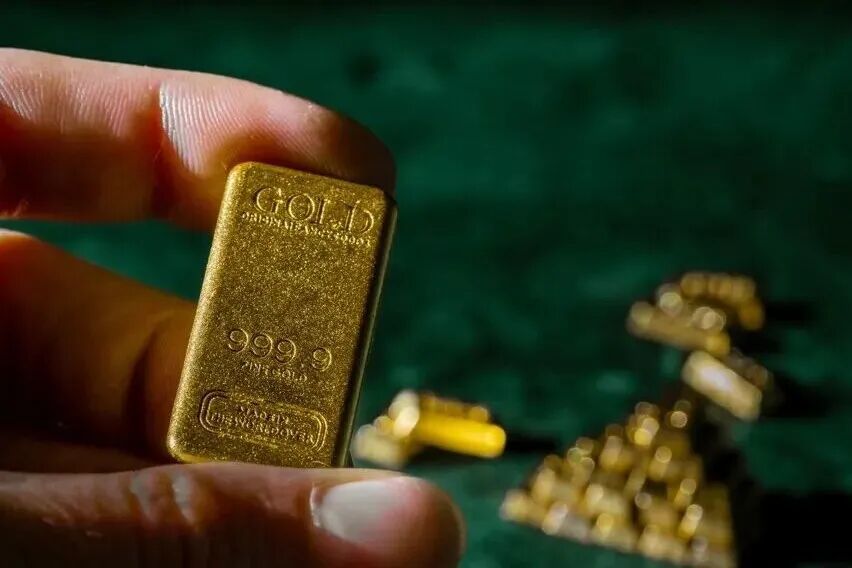
投资者疯抢黄金理财 惊呆了理财公司
经济观察报· 2026-02-04 13:12
Core Viewpoint - The article discusses the conflict between profit-oriented investment departments and risk-averse risk control departments within financial institutions as gold prices enter a high-level era, particularly following a significant drop in gold prices that has sparked increased interest in gold investment products among residents [2][4]. Group 1: Market Reaction to Gold Price Fluctuations - Following a historic drop in gold prices on January 30, there was a surge in demand for gold investment products, with financial advisors reporting increased inquiries from clients [2]. - A significant portion of clients, approximately 30%, shifted from purchasing physical gold bars to gold investment products due to supply shortages, while 70% sought to invest in gold products anticipating better returns compared to traditional fixed-income products [6]. - The average annualized return for "gold+" investment products is reported to be around 4.08%, significantly higher than the 2.24% for traditional fixed-income products, indicating a shift in investor preference towards gold [6]. Group 2: Internal Conflicts in Financial Institutions - The investment department's proposal to increase gold allocations in products faced rejection from the risk control department, which deemed gold a high-volatility asset following the recent price drop [2][10]. - The risk control department highlighted the potential for significant losses in investment products if gold prices were to experience further drastic declines, citing historical data showing increased volatility during high price periods [10][11]. - Despite the pushback, some investment departments are exploring innovative strategies to mitigate risks associated with gold investments, such as increasing the use of options to stabilize returns [12]. Group 3: Changing Perspectives on Gold Investment - There is a noticeable shift in the attitudes of senior management within financial institutions regarding gold investments, moving from a diversified asset approach to a more cautious stance due to recent market volatility [11]. - Some financial institutions are still pursuing gold investment opportunities, with plans to enhance product offerings that include gold options to manage risks while capitalizing on potential price increases [12].

居民抢购黄金理财,理财公司却变谨慎了
Sou Hu Cai Jing· 2026-02-04 12:41
Core Viewpoint - The recent significant drop in gold prices has unexpectedly increased residents' enthusiasm for gold investment products, despite concerns about volatility and risk management within financial institutions [3][5][8]. Group 1: Market Reaction to Gold Price Drop - Following the historic drop in gold prices on January 30, there has been a surge in demand for gold investment products among residents [3][5]. - Financial institutions are witnessing a notable increase in inquiries about gold investment products, with many clients shifting from physical gold purchases to financial products due to supply shortages [8][9]. - Statistics indicate that the average annualized return of "gold+" investment products is approximately 4.08%, significantly higher than the 2.24% return of traditional fixed-income products [8]. Group 2: Internal Conflicts in Financial Institutions - There is a conflict between revenue-driven investment departments and risk-averse risk control departments regarding gold investments, particularly after the recent price volatility [7][14]. - Risk control departments have expressed concerns that the recent price drop categorizes gold as a high-volatility asset, which may not align with the stability requirements for investment products [5][14]. - Despite the push for gold investment, risk control departments remain cautious, citing the potential for significant losses if gold prices experience further drastic declines [12][13]. Group 3: Strategies for Gold Investment Products - Some financial institutions are exploring ways to incorporate gold into their investment products while managing associated risks, such as limiting gold's allocation to 10% of the total investment [12][15]. - There are proposals to utilize structured products and options to mitigate risks associated with gold price fluctuations, aiming for stable returns in a volatile market [12][15]. - Certain investment departments are accelerating the development of gold investment products, planning to increase the allocation of options to manage risks effectively [15].
华侨系非法集资案又遇波折
Di Yi Cai Jing Zi Xun· 2026-01-20 13:49
Core Viewpoint - The "Qiaohang Tianxia APP," a key evidence carrier in the illegal fundraising case involving the Zhejiang Overseas Chinese group, is at risk of being shut down due to login issues, which could lead to the loss of dynamic evidence crucial for civil litigation and liability determination [2][3]. Group 1: APP's Operational Challenges - Investors have been pooling funds to maintain the APP's cloud service, raising over 60,000 yuan to extend its service through 2026 after the initial funding in 2025 [3][4]. - The APP's backend login is at risk due to a phone number linked to a former employee of the Overseas Chinese group being out of service, which could lead to the termination of the cloud service by February 6 [5][6]. Group 2: Importance of Dynamic Evidence - The APP contains dynamic evidence that is irreplaceable, as it can demonstrate user operation paths and validate the legitimacy of electronic contracts through embedded electronic signatures [6][7]. - The loss of the APP would mean the permanent loss of the only platform capable of restoring the true operational model of the investment scheme, which has already been implicated in a previous case involving 1.5 billion yuan [7][8]. Group 3: Legal and Regulatory Implications - There is a fundamental disagreement between the investors and the investigation team regarding the necessity of preserving the dynamic APP, with the latter believing that static data backups suffice for criminal evidence [8][10]. - Legal experts emphasize that the original carrier of electronic data, such as the APP, should be prioritized for preservation, as it holds significant evidentiary value in civil litigation [10].

期货日报:金银价格再创历史新高 普通人还能“上车”吗?
Qi Huo Ri Bao· 2026-01-15 01:03
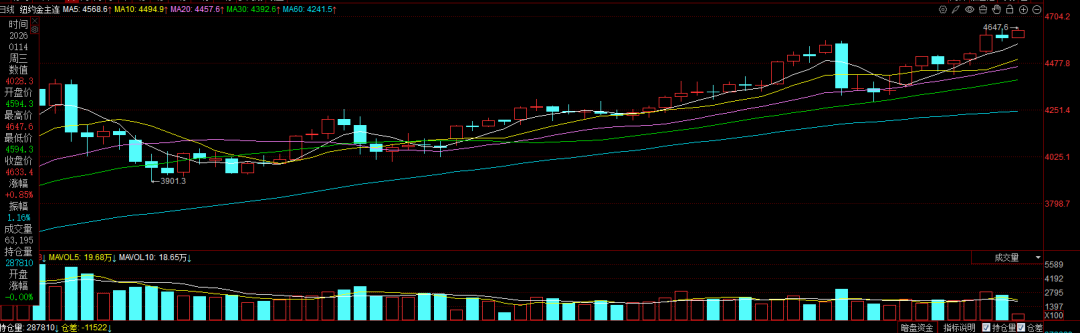
Core Insights - The prices of gold and silver have been rising significantly since last year, leading to increased public interest and investment in these precious metals [1][2] - Despite the overall market interest, retail sales of gold jewelry and bars have seen a decline due to high prices, with many consumers opting for investment in gold bars instead of jewelry [1][2] - Analysts remain optimistic about the long-term prospects for gold, with predictions of prices reaching as high as $5000 per ounce by 2026 [3][4] Group 1: Market Trends - Gold prices have reached historical highs, with COMEX gold futures hitting $4647.6 per ounce and silver futures reaching $91.37 per ounce, marking increases of over 3.5% [2] - Retail gold shops are experiencing lower foot traffic, with promotional activities in place to attract customers, but many consumers are deterred by high prices [1][2] Group 2: Investment Recommendations - Analysts suggest that gold still holds value for investment, but caution against buying at peak prices; they recommend waiting for price corrections to invest in physical gold or ETFs [4] - The current geopolitical tensions and changes in international relations are expected to support the long-term rise in precious metal prices, encouraging investors to consider accumulating gold during price dips [4]
金银价格 历史新高!普通人还能“上车”吗?
Qi Huo Ri Bao· 2026-01-15 00:22
Group 1 - The price of gold and silver has been rising significantly since last year, leading to increased consumer interest and investment in these precious metals [1][2] - Retail demand for gold jewelry and bars has decreased recently due to high prices, with many stores offering discounts to attract customers [1][2] - Despite the decline in retail activity, industry insiders remain optimistic about the long-term prospects for precious metals, with many investors holding gold assets and seeing good returns [2][4] Group 2 - Analysts predict that gold prices could exceed $5,000 per ounce by the second half of 2026, with varying forecasts from different financial institutions [4] - Current geopolitical tensions and changes in international relations are expected to support the long-term rise in precious metal prices [5] - Investment strategies suggest that ordinary investors should consider accumulating gold and silver through low-risk products like bank gold accumulation plans or ETFs, while being cautious about speculative trading [5]
金银价格,历史新高!普通人还能“上车”吗?
Qi Huo Ri Bao· 2026-01-14 23:40
Group 1 - Gold and silver prices have been rising significantly since last year, becoming a hot topic among the public, with individuals like a businesswoman from Shanxi reporting profits from gold investments [1] - Despite the overall increase in gold prices, retail stores are experiencing a decline in customer traffic, particularly during peak hours, indicating a potential shift in consumer behavior [1][3] - Various gold shops are offering discounts, with prices for gold jewelry and bars remaining high, leading to a decrease in purchases as consumers are hesitant due to elevated costs [3] Group 2 - Recent data shows that gold and silver prices have reached new historical highs, with COMEX gold futures hitting $4647.6 per ounce and COMEX silver futures reaching $91.37 per ounce, reflecting significant percentage increases [4] - Analysts from ANZ and Goldman Sachs predict that gold prices could exceed $5000 per ounce by the second half of 2026, while also forecasting potential fluctuations in the near term [6] - UBS commodity strategists suggest that geopolitical tensions and changes in international relations will continue to support long-term price increases for precious metals, recommending a strategy of buying on dips and holding long-term [8]