1664啤酒

Search documents
1664卖不动,乌苏扛大旗,嘉士伯中国2025年营收147亿元
Guan Cha Zhe Wang· 2026-02-25 10:39
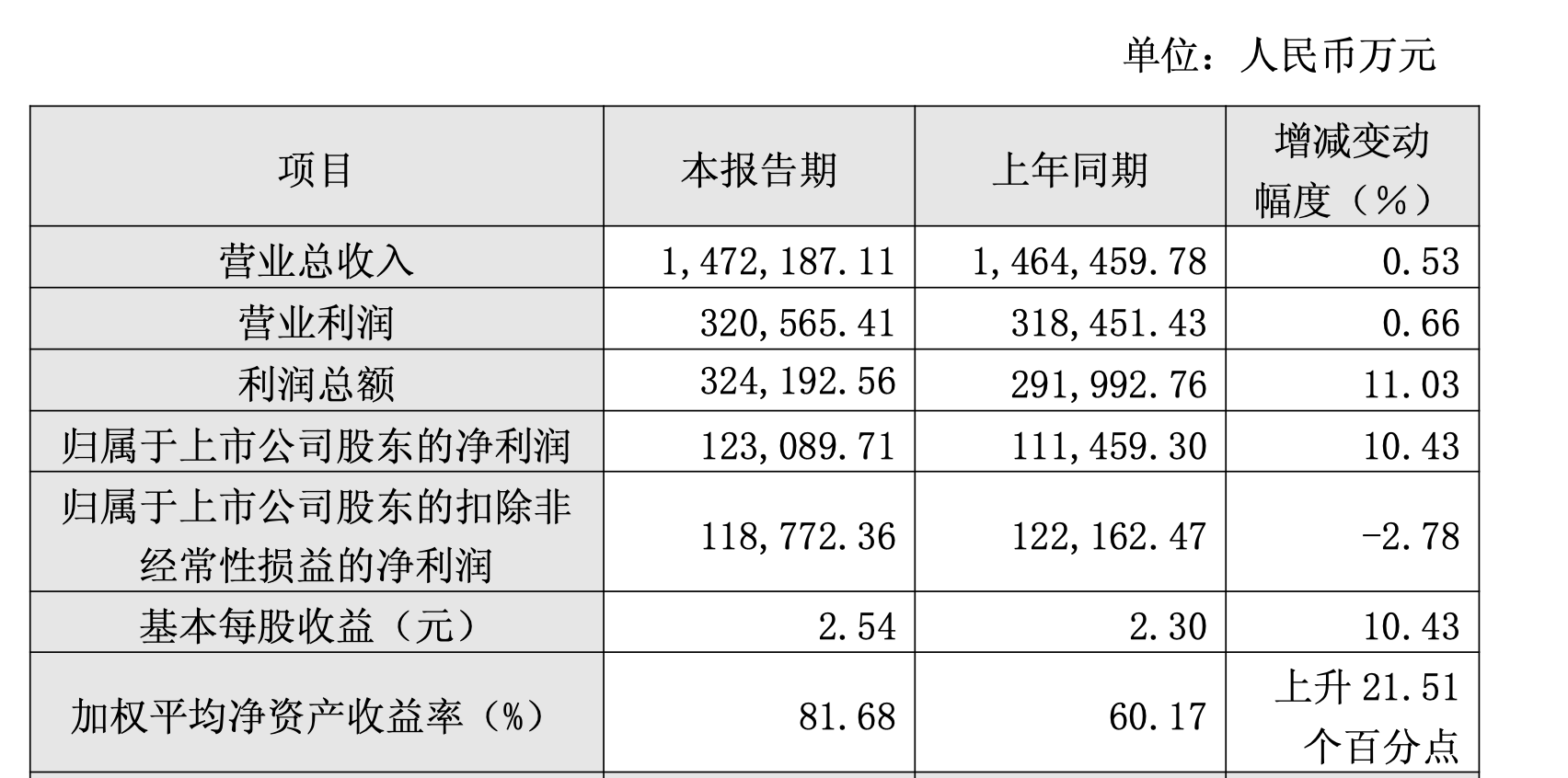
Core Viewpoint - Carlsberg Group reported a revenue of 89.095 billion Danish Krone (approximately 97.7 billion RMB) for 2025, marking an 18.78% year-on-year growth, with adjusted operating profit increasing by 22.65% [1][2] Group 1: Financial Performance - Carlsberg's Chinese operations contributed 14.722 billion RMB, reflecting a 0.53% year-on-year growth, with net profit reaching 1.231 billion RMB, up by 10.43% [1][2] - The overall revenue for the reporting period was 1,472,187.11 million RMB, with a net profit attributable to shareholders of 123,089.71 million RMB [2] Group 2: Market Strategy - Carlsberg's growth in China is attributed to three main factors: strong growth in major cities, performance in emerging channels like O2O and e-commerce, and the introduction of 1-liter packaging [3][6][10] - The company plans to focus on deepening its market presence in existing cities rather than expanding into new ones, aiming to increase market share in cities with less than 5% share to 7-8% and in cities with 15-20% share to around 30% [5][6] Group 3: Product Innovation - Carlsberg is enhancing its 1-liter product offerings, which are designed for social sharing and feature premium packaging to stand out on shelves [10][11] - The company plans to launch over ten new 1-liter beer products in 2025, including various craft beers [11] Group 4: Competitive Landscape - Carlsberg's strategy includes a focus on high-end products and leveraging partnerships with platforms like Meituan to penetrate the fine dining market [10][24] - The company has established a robust product matrix, including local brands like Wusu and international brands such as Kronenbourg 1664, which is facing challenges in the ultra-premium segment [16][22][23] Group 5: Future Outlook - Carlsberg maintains a cautiously optimistic outlook for its Chinese operations in 2026, expecting to sustain growth despite a stabilizing market [29][30] - The company emphasizes that its beverage business is designed to complement its beer operations, providing alternatives for consumers who choose not to drink alcohol [27][28]


重庆啤酒20260115
2026-01-16 02:53
Summary of Chongqing Beer Conference Call Industry Overview - The overall beer market in 2025 is expected to remain flat, with significant product innovations such as tea-flavored beer and one-liter packaging, and changes in distribution channels, particularly the rise of non-on-premise channels, which are growing rapidly. Online sales account for a low percentage of about 4-5% of total sales [2][6]. Company Performance and Strategy - Uusu beer has seen growth in both domestic and international sales, while Lebao has experienced three consecutive years of growth. However, the Chongqing and Dali brands are facing challenges. International brands like Carlsberg and local brands such as Fenghua Xueyue have achieved double-digit growth [2][4]. - The company plans to launch approximately 300 new products in 2024 to meet diverse consumer demands [2]. - The company emphasizes precise advertising spending and has increased the promotion of one-liter canned products, optimizing brand combinations and improving management efficiency to control costs [3][18]. - The dividend payout ratio is expected to remain around 90%-100% in the coming years, and the company is open to acquisitions that align with its industry chain [3][27]. Sales Channels and Consumer Trends - The beer market is currently in a mature state with no significant demand breakthroughs. The shift from on-premise to off-premise consumption is expected to continue, driven by technological advancements and changes in consumer habits [8][16]. - The company has observed a significant increase in canning rates, from approximately 18% in 2019 to nearly 29% by the third quarter of 2025, reflecting the growing importance of non-on-premise channels [16]. Product Innovation and Future Plans - The company is focused on continuous innovation in flavors, packaging, and sales models, with new products like tea-flavored beer and one-liter cans being introduced [9][10]. - The company has plans to launch non-alcoholic beer products and is exploring high-end products to increase unit prices, such as the one-liter can [10][11]. - Future product launches include Uusu brand's Jin Junmei tea beer and amber lager, as well as various regional products tailored to local market demands [10][11]. Cost Management and Raw Material Procurement - The company has locked in prices for major raw materials and packaging for the upcoming year, expecting cost savings on barley and other materials, with a slight increase in aluminum can prices having a minimal impact [13]. - The overall procurement cost savings are anticipated to positively contribute to gross margins [13]. Market Challenges and Opportunities - The company faces challenges in raising selling prices (SP) due to potential declines in overall demand, which is a significant concern for the industry [14]. - The high-end market is growing, with an increasing share of female consumers, leading to the introduction of products that cater to this demographic [15]. Long-term Strategy and Outlook - The company is focused on implementing the "Sail 27" strategy until 2027, aiming to develop the Chinese market while adjusting to the group's overall direction, including potential expansions into beverage categories following acquisitions [21][22]. - The company is also monitoring the impact of imported beers on the domestic market, although specific data on market share is not available [23]. Conclusion - Chongqing Beer is navigating a challenging market landscape with a focus on innovation, cost management, and strategic growth through new product launches and potential acquisitions, while adapting to changing consumer preferences and market dynamics [2][3][10][14].
从营销联动到生态共赢 嘉士伯中国与京东超市达成三年战略合作
2 1 Shi Ji Jing Ji Bao Dao· 2025-12-10 12:33
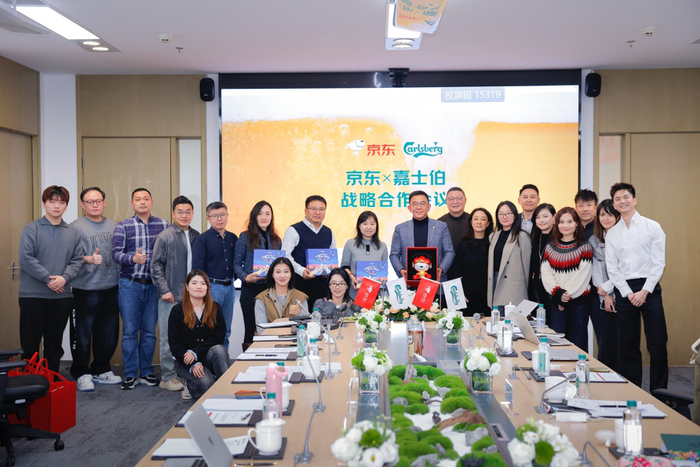
Core Insights - Carlsberg China and JD Supermarket have announced a strategic partnership aimed at enhancing collaboration in brand and supply chain synergy, product exclusivity and innovation, channel co-construction, and comprehensive marketing over the next three years [1][3] Group 1: Partnership Overview - The partnership leverages the complementary resource advantages of both companies, leading to continuous growth in sales [3] - Carlsberg Group is one of the top three global beer companies, established in 1847, with over 180 brands sold worldwide [1] Group 2: Collaboration Areas - **Supply Chain**: The companies will gradually implement a direct supply model to optimize resource alignment and enhance decision-making efficiency [3] - **Product Innovation**: JD Supermarket will customize exclusive products from Carlsberg, including the upcoming launch of 1664 South France Blood Orange Sea Salt White Beer [3] - **Marketing Strategies**: JD Supermarket will utilize its user operations and marketing resources to reach a broader consumer base through various promotional activities [4] Group 3: Channel Development - JD Supermarket will integrate its online platforms, offline stores, and delivery services to provide consumers with a convenient beer purchasing experience [4] - The collaboration aims to meet consumer demands for high-quality, personalized, and convenient drinking experiences, promoting high-quality development in the beer industry [4]

260亿重庆啤酒,6亿增资佛山工厂
Sou Hu Cai Jing· 2025-08-18 20:06
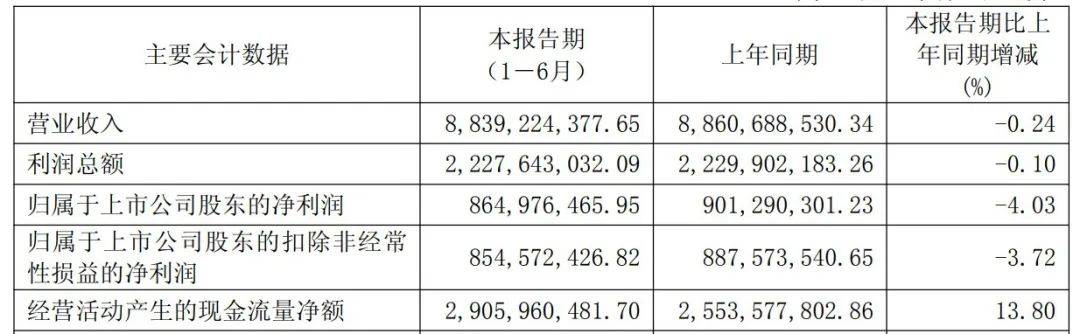
Core Viewpoint - The beer industry is facing challenges, with major players like Chongqing Beer experiencing slight declines in revenue and profit in the first half of the year, particularly in high-end and mainstream products priced above 4 yuan [2][3]. Financial Performance - For the first half of the year, Chongqing Beer reported revenue of 8.84 billion yuan, a decrease of 0.24% compared to the same period last year, and a net profit of 865 million yuan, down 4.03% [3]. - The company's cash flow from operating activities increased by 13.80% to approximately 2.91 billion yuan [3]. Strategic Initiatives - Chongqing Beer plans to invest 600 million yuan in its core factory in South China to enhance operational capabilities and optimize its capital structure [4][5]. - The new brewery in Foshan is expected to have an annual design capacity of 500,000 kiloliters, significantly improving supply and reducing logistics costs [7]. Market Competition - The South China market is highly competitive, with local brands and major players like Qingdao, Budweiser, and Snow Beer vying for market share [8]. - Despite increasing local supply, Chongqing Beer’s revenue in South China fell by 1.47% to 2.48 billion yuan in the first half of the year [8]. Marketing and Branding - Chongqing Beer is actively enhancing its brand presence through high-profile endorsements and targeted marketing campaigns, including partnerships with celebrities and themed events [9][11]. - The company has maintained a strong marketing investment, with total sales expenses of 1.33 billion yuan, including 641 million yuan for advertising and marketing [14]. Product Diversification - The company is exploring non-beer categories, having launched an orange-flavored soda and an energy drink, with plans for further product development [18][20]. - The product lineup includes high-end, mainstream, and economic products, with high-end and mainstream categories contributing over 97% of total revenue [16].
重庆啤酒半年营收下滑,6亿增资佛山工厂寻破局
Sou Hu Cai Jing· 2025-08-18 17:52
Core Insights - Chongqing Brewery reported a slight decline in revenue and net profit for the first half of 2024, with revenue at 8.839 billion yuan and net profit at 864 million yuan, reflecting a year-on-year decrease of 0.24% and 4.03% respectively [1][2] - The company is facing challenges in the current drinking channel and plans to accelerate its layout in non-beer categories to seek new growth points [1][4] Financial Performance - Revenue for the first half of 2024: 8.839 billion yuan, down 0.24% from 8.861 billion yuan in the same period last year [2] - Net profit: 864 million yuan, a decrease of 4.03% from 901 million yuan year-on-year [2] - Operating cash flow increased by 13.80% to 2.906 billion yuan compared to 2.554 billion yuan in the previous year [2] Strategic Initiatives - The company plans to invest 600 million yuan into its core factory in Foshan, aiming to improve its capital structure and enhance operational capabilities [2][3] - The new brewery in Foshan, with a designed annual capacity of 500,000 kiloliters, is expected to significantly improve supply capabilities in the South China region [3] Market Dynamics - The South China market is crucial for Chongqing Brewery, contributing 2.479 billion yuan in revenue in the first half of 2024, down 1.47% year-on-year [3] - The brewery faces intense competition from major brands like Qingdao, Budweiser, and Snow Beer in this region [3] Brand and Product Development - Chongqing Brewery is actively enhancing its brand presence through high-profile endorsements and marketing campaigns for its various brands [4] - The company is exploring the beverage sector with new product launches, including an orange-flavored soda and an energy drink [4] Market Valuation - As of the report's release, Chongqing Brewery's market capitalization is approximately 26 billion yuan, only about 30% of its peak value [5]
重庆啤酒遭遇了高端化增长瓶颈
Xin Lang Cai Jing· 2025-08-16 04:02
Core Viewpoint - Chongqing Beer experienced a less than ideal performance in the first half of 2025, with revenue and net profit both declining despite a slight increase in sales volume, indicating a "volume-price divergence" and suggesting poor sales of high-end products [1][3]. Financial Performance - The company reported a revenue of 8.839 billion yuan, a year-on-year decrease of 0.24%, and a net profit of 865 million yuan, also down year-on-year [1]. - High-end product revenue growth was only 0.04%, while mainstream product revenue fell by 0.92%. The best-performing segment was the economy products priced below 4 yuan, which generated 196 million yuan in revenue [3]. - High-end and mainstream products accounted for 97.72% of total revenue, with high-end products generating 5.265 billion yuan and mainstream products 3.145 billion yuan [3]. Market Dynamics - The decline in high-end beer sales is attributed to external factors such as reduced dining scenarios due to "alcohol bans" [4]. - The company’s performance varied by region, with the Northwest region being the only area to show revenue growth at 2.596 billion yuan, up 1.75% year-on-year. The Central region saw a decline of 0.7% to 3.532 billion yuan, and the South region fell to 2.479 billion yuan, down from 2.515 billion yuan [4]. Strategic Initiatives - Chongqing Beer is focusing on non-on-premise channels and has established an "instant retail task force" to capitalize on the growing trend of instant retail sales, which saw a 160% increase in transaction volume for beer on platforms like Meituan [5][8]. - The company is also diversifying its product offerings, launching new products such as 1L craft beers and non-alcoholic beverages [5]. - An investment of 600 million yuan was announced to enhance the competitiveness of its Foshan operations, aiming to improve production capacity in the South region [8][9].
重庆啤酒(600132):终端需求依然承压,税率变化拖累利润表现
Shenwan Hongyuan Securities· 2025-08-14 14:46
Investment Rating - The investment rating for the company is "Outperform" (maintained) [2] Core Views - The report indicates that terminal demand remains under pressure, and changes in tax rates have negatively impacted profit performance. The company's revenue for H1 2025 was 88.39 billion, down 0.24% year-on-year, while net profit was 8.65 billion, down 4.03% year-on-year. The revenue met expectations, but profit fell short [7][6]. Financial Data and Profit Forecast - Total revenue projections for the company are as follows: 2024: 14,645 million, 2025: 14,758 million, 2026: 15,404 million, 2027: 15,930 million, with year-on-year growth rates of -1.2%, 0.8%, 4.4%, and 3.4% respectively [6]. - Net profit forecasts are: 2025: 1,218 million, 2026: 1,309 million, 2027: 1,372 million, with year-on-year growth rates of 9.3%, 7.5%, and 4.8% respectively [6]. - Earnings per share are projected to be 2.52 for 2025, 2.70 for 2026, and 2.83 for 2027 [6]. Sales and Market Performance - In Q2 2025, the company sold 917,000 tons of beer, which was flat year-on-year, with an average price of 4,888.17 yuan per ton, down 1.9% year-on-year. The decline in price is attributed to weak demand in the dining sector [7]. - Revenue from high-end, mainstream, and economy products in Q2 2025 was 26.62 billion, 15.95 billion, and 1.05 billion respectively, with year-on-year changes of -1.09%, -3.59%, and +4.79% [7]. Cost and Profitability - The cost per ton in Q2 2025 was 2,385.15 yuan, down 3.4% year-on-year, mainly due to lower raw material costs and an increased proportion of revenue from economy beers. The gross margin for Q2 2025 was 51.21%, up 0.75 percentage points year-on-year [7]. - The company's net profit margin for Q2 2025 was 8.75%, down 1.09 percentage points year-on-year, primarily due to an increase in the income tax rate to 27.26% [7].
重庆啤酒陷于「山城往事」
36氪· 2025-03-18 00:00
Core Viewpoint - The ongoing legal battle between Chongqing Beer and its partner Chongqing Jiawei is not merely a commercial dispute but also a significant issue regarding the survival of a national brand, "Shancheng" beer [2][4]. Group 1: Legal Dispute - The lawsuit between Chongqing Jiawei and Chongqing Beer, stemming from a contract dispute, has been ongoing for over a year and has recently reached a first-instance verdict [7][10]. - Chongqing Jiawei claims that since 2011, Chongqing Beer has breached their 20-year exclusive sales agreement, resulting in losses amounting to 632 million yuan [11][12]. - The court ruled that Chongqing Beer must pay 353 million yuan to Chongqing Jiawei, while Chongqing Beer plans to appeal this decision, citing significant errors in the judgment [13]. Group 2: Historical Context - "Shancheng" beer, a well-known brand with over 60 years of history, has seen its production and sales decline from over 100,000 tons in 2013 to less than 10,000 tons recently, according to Chongqing Jiawei [17][19]. - Chongqing Beer argues that Chongqing Jiawei has benefited excessively from the sales agreement, with profits soaring from 20 million yuan in 2008 to over 2 billion yuan in the past 15 years [21]. Group 3: Market Dynamics - The Chinese beer market is highly competitive, and Chongqing Beer must address historical issues related to "Shancheng" beer while facing fierce competition [5]. - In 2023, "Shancheng" beer's sales exceeded 160,000 tons, marking a 17% increase compared to 2019, despite an overall market decline of 5.6% [22]. - The overall revenue for Chongqing Beer is projected to decline by 1.15% in 2024, with net profit expected to drop by 6.84% [31]. Group 4: Corporate Strategy - Carlsberg, as the parent company of Chongqing Beer, has historically been cautious in the Chinese market but is now focusing all resources on Chongqing Beer as its sole operational platform in China [24][29]. - The company has attempted to revitalize its brand presence through aggressive marketing strategies, including celebrity endorsements and innovative market approaches, but has not achieved sustained high growth [30].