
BlueAI

Search documents
迎Web4.0看AI如何赋能应用
Huaxin Securities· 2026-03-05 09:57
Investment Rating - The report maintains a "Buy" rating for the media industry, driven by the transformative impact of Web4.0 and AI agents on content production and interaction models [3][9]. Core Insights - Web4.0 represents a new era of intelligent internet, reshaping the digital landscape with AI as the core driver, leading to personalized services and new business models [4][5]. - The media industry is undergoing a significant transition from digitalization to intelligence, with AI and Web4.0 fundamentally altering content production methods and media forms [7][9]. Summary by Sections 1. Web4.0 Overview - Web4.0 is characterized by intelligent connectivity, human-machine symbiosis, and multi-modal interaction, breaking down barriers between interfaces and infrastructures [19][20]. - The evolution from Web1.0 to Web4.0 highlights a shift from passive consumption to active collaboration between humans and AI agents [22]. 2. AI Empowerment in Web4.0 - AI agents are set to enhance productivity by automating content generation and facilitating new media interactions, transitioning from simple query responses to fully automated task handling [6][40]. - The digital marketing landscape is evolving, with AI agents becoming essential in optimizing advertising strategies and enhancing user engagement [47][63]. 3. Investment Opportunities - Companies such as BlueFocus, Shunwang Technology, and Wanda Film are leveraging AI in digital marketing, enhancing ad conversion rates and creating innovative marketing solutions [7][9]. - The report highlights several companies with strong growth potential, including: - Wanda Film (002739): Focused on integrating AI into its content production and marketing strategies [9]. - BlueFocus (300058): Deepening its "All in AI" strategy through partnerships and AI-driven marketing solutions [7]. - Shunwang Technology (300113): Expanding its cloud services and digital marketing capabilities [7]. 4. Market Projections - The Chinese GEO market is projected to grow from 94.2 billion yuan in 2026 to 633.8 billion yuan by 2030, driven by the adoption of AI in digital marketing [63][64]. - The global AIGC market is expected to expand significantly, with estimates suggesting a rise from $24.08 billion in 2026 to approximately $143.09 billion by 2035 [72]. 5. Company Performance Forecasts - The report provides earnings forecasts for various companies, indicating a positive outlook for firms like: - Wanda Film: Expected EPS growth from -0.43 in 2024 to 0.60 in 2026 [11]. - BlueFocus: Anticipated EPS improvement from -0.12 in 2024 to 0.23 in 2026 [11]. - Shunwang Technology: Projected EPS growth from 0.36 in 2024 to 0.67 in 2026 [11].






赛博贾维斯——开源的Claw bot火遍全球,A股谁受益?| 0127
Hu Xiu· 2026-01-27 15:41
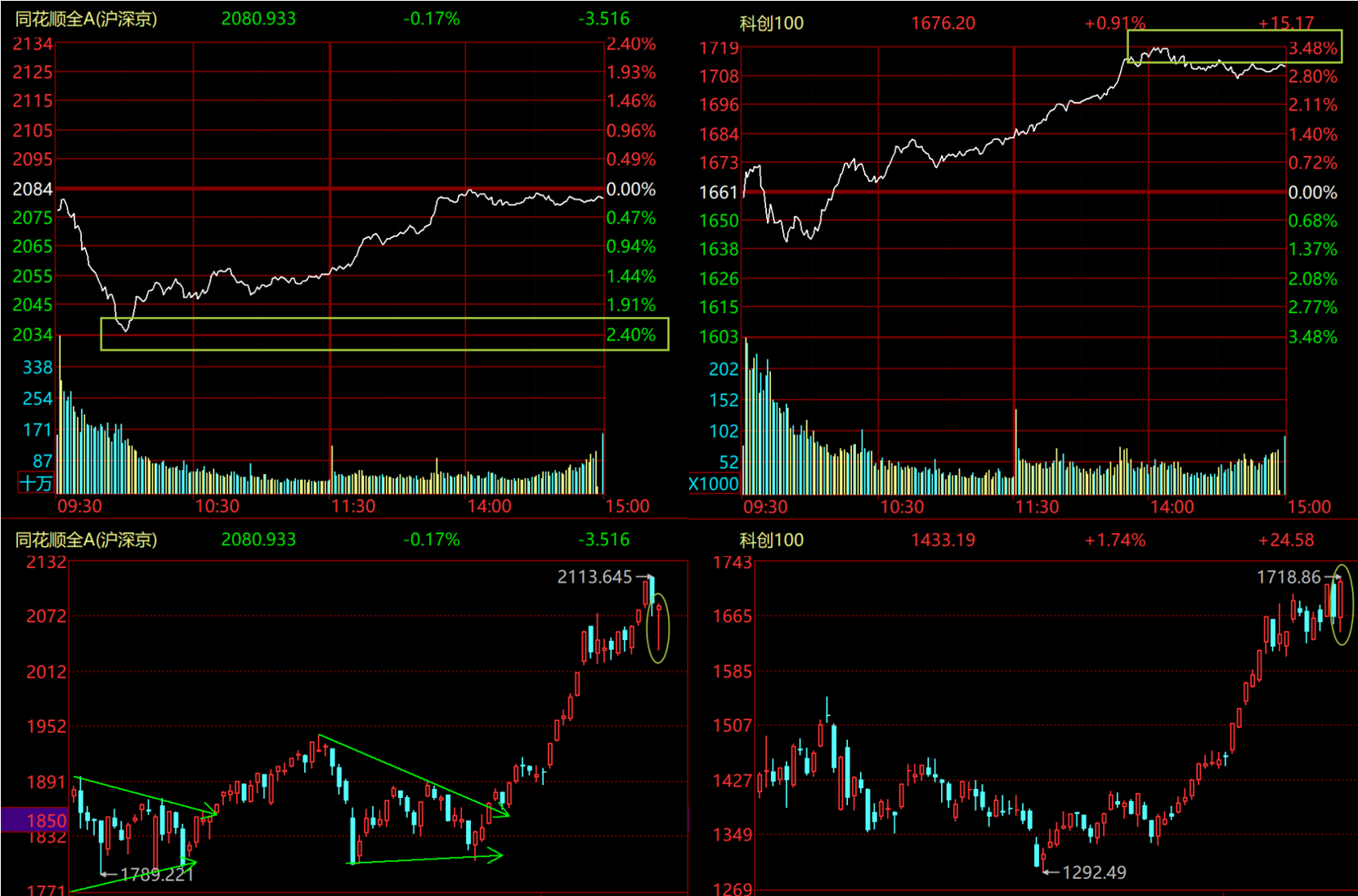
Market Analysis - On January 27, the market rebounded after a dip, with all three major indices turning positive, and the ChiNext Index rising over 1%. The total trading volume in the Shanghai and Shenzhen markets was 2.89 trillion yuan, a decrease of 353.2 billion yuan from the previous trading day. By the close, the Shanghai Composite Index rose by 0.18%, the Shenzhen Component Index by 0.09%, and the ChiNext Index by 0.71% [1]. Sector Performance - The domestic chip sector saw significant gains, with 24 stocks rising, while gold and photovoltaic sectors also performed well, with 22 and 49 stocks respectively showing increases. Other notable sectors included aerospace and medical, with 15 and 8 stocks rising respectively [3]. Geopolitical Impact - Tensions in Sino-Japanese relations are expected to benefit domestic alternatives. Japan's Prime Minister stated that in the event of a crisis in the Taiwan Strait, Japan would not abandon its allies. In response, China's Foreign Ministry emphasized Japan's historical responsibilities regarding Taiwan and urged Japan to reflect on its past actions [4][5]. Gold Market Surge - On January 26, international gold prices surpassed $5,000 per ounce for the first time in history, leading to a surge in consumer demand for gold jewelry during the Chinese New Year shopping season. The price of gold jewelry in Hangzhou was reported to be between 1,500 to 1,800 yuan per gram, prompting long queues of customers [6][7]. DeepSeek OCR 2 Model Launch - On January 27, DeepSeek launched the new DeepSeek-OCR 2 model, which utilizes an innovative DeepEncoder V2 method to dynamically rearrange image components based on their meaning, improving performance in processing complex layouts compared to traditional models. This model aims to enhance visual understanding and causal reasoning capabilities [9][10]. Application and Market Potential - The DeepSeek-OCR 2 model is positioned as a long-term solution with substantial technological advancements and broad application prospects. It addresses the critical bottleneck in AI commercialization by significantly reducing the costs associated with processing long documents and dialogues, making it suitable for various sectors including finance, healthcare, and education [12][13]. Company Spotlight: CaiXun Co., Ltd. - CaiXun Co., Ltd. has a clear but indirect connection to the DeepSeek-OCR 2 topic. While not a direct OCR technology provider, its core business and strategy are closely tied to DeepSeek and its related technologies, making it a market focus [15]. Financial Performance - In the third quarter of 2025, the company reported a revenue of 18.738 billion yuan, a year-on-year increase of 28.65%. The net profit attributable to shareholders was 99 million yuan, up 265.47%, while the net profit excluding non-recurring items surged by 455.17% [29].

开年最热赛道突然刹车
Ge Long Hui· 2026-01-17 02:34
Core Viewpoint - The AI application sector has recently experienced a significant downturn, despite being one of the hottest areas at the beginning of the year, driven by the recent performance of large model companies and the introduction of new technologies [1][2][5][6]. Group 1: Market Dynamics - The recent surge in AI applications was fueled by the successful listings of large model companies like MiniMax and Zhipu, which improved market sentiment and expectations for AI application growth [5]. - The acquisition of the AI application company "Butterfly Effect" by Meta for billions of dollars has increased the recognition of AI applications in China [5]. - The introduction of domestically developed inference chips has drastically reduced AI invocation costs, leading to price reductions by large model companies [5]. Group 2: Marketing and GEO - The marketing and media sector has been the primary focus of the AI application boom, particularly following Elon Musk's announcement to open-source the latest content recommendation algorithm for the X platform [6][10]. - Generative Engine Optimization (GEO) has emerged as a new trend, aiming to enhance brand content visibility in AI-generated responses, with a projected market size of $11.2 billion globally and ¥2.9 billion in China by 2025 [8][14]. - The shift from traditional SEO to AI-driven marketing strategies is transforming the marketing landscape, with AI expected to replace 50% of search engine traffic by 2028 [11][12]. Group 3: Company Performance - BlueFocus has shown impressive performance, with a 12.5% year-on-year revenue growth to ¥51.098 billion in the first three quarters of 2025, and a significant 85.53% increase in net profit [15]. - AI-driven revenue for BlueFocus surged by 310%, although it still represents less than 5% of total revenue, indicating potential for future growth if the company can establish a self-sustaining marketing model [15][16]. - The competitive landscape for BlueFocus includes major players like ByteDance and Alibaba, which have developed their own marketing tools, necessitating BlueFocus to demonstrate the unique capabilities of its self-developed AI [17]. Group 4: Future Outlook - The year 2026 is anticipated to be pivotal for AI applications, with advancements in model capabilities and supportive policies driving demand [20][21]. - The marketing sector is expected to benefit significantly from AI, with companies like AppLovin reporting a 71% increase in advertising revenue due to AI integration [22]. - The rise of AI-generated content, such as AI manga, is creating new market opportunities, with significant production and consumption potential [23][25]. - The integration of AI into traditional industries like manufacturing and finance is expected to yield substantial efficiency gains, enhancing companies' willingness to invest in AI solutions [29].
全线回调!开年最热赛道突然刹车
Ge Long Hui· 2026-01-16 09:37
Group 1 - The AI application sector experienced a significant decline on January 16, with major stocks like Vision China hitting the limit down, following a period of rapid growth at the beginning of the year [1] - The recent surge in AI applications was driven by the successful listings of large model companies MiniMax and Zhipu on the Hong Kong stock market, which increased market enthusiasm [3] - The acquisition of the AI application company "Butterfly Effect" by Meta for billions of dollars at the end of last year has enhanced the recognition of AI applications in China [4] Group 2 - The large-scale deployment of domestically developed inference chips has led to a drastic reduction in AI invocation costs, prompting large model companies to lower their prices [5] - AI application companies with established user bases and traffic pools have become new market hotspots as hardware valuations have soared [6] - The recent collective drop in AI applications raises questions about the sustainability of the initial enthusiasm, particularly in the marketing and media sector [7] Group 3 - Elon Musk's recent announcement to open-source the latest content recommendation algorithm for the X platform has sparked interest in Generative Engine Optimization (GEO), which aims to enhance brand content visibility in AI-generated responses [8][9] - Gartner predicts that by 2028, AI search will capture 50% of search engine traffic, indicating a significant shift in marketing dynamics [9] - The global GEO market is projected to reach $11.2 billion and $1 billion in China by 2025, with compound annual growth rates (CAGR) of 55% and 53% respectively [10] Group 4 - BlueFocus has shown impressive performance, with a revenue of 51.098 billion yuan in the first three quarters of 2025, reflecting a year-on-year growth of 12.5%, and a significant increase in AI-driven business revenue by 310% [13] - Despite the growth, AI-driven revenue still accounted for less than 5% of BlueFocus's total revenue of 32.36 billion yuan in the first half of the year [15] - The company's AI-driven revenue is currently small relative to its overall operations, indicating that while growth is notable, it does not yet significantly impact the company's financial health [16] Group 5 - The GEO model is expected to reshape the marketing industry, but it may take time for marketing companies to see significant performance improvements [13] - BlueFocus's proprietary marketing model, BlueAI, focuses on enhancing marketing efficiency, and if it can establish a closed-loop system, it may significantly elevate the company's profitability [17] - The competition with major tech firms for AI marketing capabilities poses a challenge for BlueFocus, as it relies on foundational models from companies like ByteDance and Alibaba [18] Group 6 - The year 2026 is anticipated to be pivotal for AI applications, driven by advancements in model capabilities and supportive policies [20] - The demand for AI applications is growing across various sectors, including marketing, where AI can generate personalized advertising materials and optimize strategies in real-time [23] - Companies like AppLovin have demonstrated the potential of AI in marketing, with a 71% year-on-year increase in advertising revenue in Q1 2025 [23] Group 7 - AI is transforming the entire content production chain, lowering creative barriers and increasing productivity, with new forms of content emerging [27] - AI-generated animated series are becoming a new trend, with significant production and consumption potential in the market [28] - The global AI visual generation application market is projected to reach $16.6 billion by 2027, indicating substantial growth opportunities [32] Group 8 - The integration of AI with traditional industries such as manufacturing and finance is expected to lead to a surge in AI applications, with companies showing a strong willingness to invest in AI for efficiency gains [34] - The focus on vertical applications that address specific industry pain points is becoming increasingly valuable, countering initial fears that large model giants would dominate the market [34] - The upcoming years will likely see significant investment opportunities in AI applications, particularly in niche markets that leverage unique technologies and data [35]




全线回调!开年最热赛道突然刹车
格隆汇APP· 2026-01-16 09:29
Core Viewpoint - The article discusses the recent downturn in the AI application sector, highlighting the volatility and potential future trends in the industry, particularly focusing on Generative Engine Optimization (GEO) and its implications for marketing and AI applications [2][12][22]. Group 1: Market Trends and Performance - The AI application sector experienced a significant drop, with companies like Visual China hitting a trading halt and others like Liou Co. and Yidian Tianxia facing scrutiny after rapid stock price increases [3][5]. - The recent listing of large model companies such as MiniMax and Zhipu has increased market enthusiasm, indicating a growing commercial viability for AI applications [7][8]. - The cost of AI operations has drastically decreased due to the large-scale deployment of domestically developed inference chips, prompting many large model companies to lower their prices [10][11]. Group 2: Generative Engine Optimization (GEO) - GEO, defined as Generative Engine Optimization, aims to enhance the visibility of brand content in AI-generated responses, potentially increasing citation rates by 40% [15][16]. - The global GEO market is projected to grow significantly, with estimates of $11.2 billion in 2025 and $100.7 billion by 2030, reflecting a compound annual growth rate (CAGR) of 55% [22]. - The marketing landscape is shifting as AI search engines begin to replace traditional search methods, with predictions that AI search will capture 50% of search engine traffic by 2028 [18][19]. Group 3: Company Performance and Future Outlook - BlueFocus, a marketing company, reported a revenue of 51.098 billion yuan in the first three quarters of 2025, with a notable 310% increase in AI-driven business revenue [26][27]. - Despite impressive growth, AI-driven revenue still represents less than 5% of BlueFocus's total revenue, indicating room for expansion [28]. - The article suggests that while GEO may transform marketing strategies, the fundamental competitive dynamics of the marketing industry remain focused on scale [34]. Group 4: Future of AI Applications - The article anticipates that 2026 will be a pivotal year for AI applications, driven by advancements in model capabilities and supportive policies from government bodies [36][38]. - AI applications are expected to proliferate across various sectors, including marketing, industrial, and financial services, enhancing efficiency and driving revenue growth [52]. - The emergence of AI-generated content, such as AI cartoons, is highlighted as a new trend, with significant market potential indicated by the rapid increase in AI-generated media [44][46].

AI大模型新年贺词排首,AI Agent元年来了?
傅里叶的猫· 2025-12-31 12:34
Core Insights - The article emphasizes the growing importance of AI software alongside AI hardware, highlighting recent developments in AI applications and acquisitions, particularly Meta's acquisition of Manus [1][6][10]. Group 1: AI Market Trends - The AI token consumption has surged dramatically, increasing from 4 trillion tokens per day in December last year to 50 trillion tokens this month, representing a growth of over 12 times [5]. - The anticipated explosion of AI applications is expected to occur in 2026, driven by advancements in large model capabilities [5]. Group 2: Meta's Acquisition of Manus - Meta's acquisition of Manus aims to enhance its agent technology and commercial capabilities, addressing its lag in AI development compared to competitors like OpenAI and Google [10]. - Manus has a subscription model with 1.25 billion USD in annual revenue and millions of overseas paying users, which aligns well with the U.S. market's payment habits [10]. - This acquisition is seen as a strategic move to create a commercial loop of "computing power + application" and to diversify Meta's revenue sources beyond traditional advertising [10]. Group 3: Competitive Landscape of AI Applications - Concerns exist regarding the core competitiveness of AI application companies, particularly against large model companies that can leverage their resources to quickly capture market share [12]. - The core competitiveness of AI application companies lies in their ability to integrate technology rapidly and effectively into specific scenarios, achieving higher accuracy in vertical fields compared to general-purpose models [12]. Group 4: Company Profiles - Yidian Tianxia focuses on providing integrated marketing and advertising services for enterprises, leveraging its extensive experience in overseas marketing to develop vertical tools like AdsGo.ai [13]. - BlueFocus offers comprehensive marketing technology services, including advertising agency services and metaverse marketing, while developing over 130 marketing-focused AI agents based on major models like Google Gemini [14].
蓝色光标(300058):Q3业绩高增,AI+全球化战略双轮驱动
NORTHEAST SECURITIES· 2025-10-31 06:21
Investment Rating - The report initiates coverage with a "Buy" rating for the company [4][6] Core Insights - The company reported a significant increase in Q3 performance, with a revenue of 51.098 billion yuan for the first three quarters of 2025, representing a year-on-year growth of 12.49%. The net profit attributable to shareholders reached 196 million yuan, up 58.90% year-on-year [1] - The company's overseas business is a key driver of growth, with ongoing collaborations with major global media platforms such as Meta, Google, and TikTok for Business, alongside rapid growth in emerging channels like Amazon Ads and Moloco [2] - The application and commercialization of AI technology have made significant progress, with AI-driven business revenue reaching 2.47 billion yuan in the first three quarters of 2025, and an annual target of 3-5 billion yuan [3] Financial Performance Summary - For 2025, the company is projected to achieve revenues of 66.615 billion yuan, with a year-on-year growth of 9.57%. The net profit attributable to shareholders is expected to be 309 million yuan, corresponding to a PE ratio of 78X [4][10] - The financial summary indicates a steady increase in revenue and net profit over the forecast period from 2025 to 2027, with revenues projected at 71.294 billion yuan and 76.291 billion yuan for 2026 and 2027, respectively [10]
蓝色光标潘飞:人依然是AI时代最重要的因素
Shang Hai Zheng Quan Bao· 2025-10-27 20:31
Core Insights - Artificial intelligence (AI) is fundamentally transforming the marketing industry, with BlueFocus being a key player in this transition [1][2] - The CEO of BlueFocus, Pan Fei, emphasizes the rapid evolution of AI technology and its disruptive impact on marketing, predicting a shift towards AI-native commercialization within three years [1][2] - BlueFocus has set ambitious goals for AI integration, aiming for significant revenue growth and operational efficiency through AI-driven strategies [3][4] Group 1: AI Implementation and Achievements - BlueFocus has generated 2.47 billion yuan in revenue through AI-driven initiatives over the past three quarters, with token usage exceeding 600 billion and expected to surpass 1 trillion by year-end [2] - The company has built an AI talent team of over 500 individuals, focusing on technology and AI-native roles [2] - The firm aims to achieve AI-driven revenue of 10 billion yuan by 2026-2027, with a target of 70% internal AI customer penetration [3] Group 2: Strategic Focus Areas - BlueFocus's AI strategy is built around five key focus areas, including revenue, customer engagement, efficiency, technology, and organizational structure [3] - The company is investing in AI-native infrastructure and data recovery processes to enhance AI capabilities [3][4] - BlueFocus plans to implement end-to-end automation in marketing processes, with AI taking a leading role in campaign execution [4] Group 3: Future Vision and Organizational Change - The company is prioritizing advancements in multi-modal AI, particularly in video generation, and aims to develop its proprietary AI engine, "BlueAI" [5] - BlueFocus is restructuring its internal organization to foster innovation, creating small AI-focused teams to drive significant revenue and manage complex projects [5][6] - The management philosophy emphasizes a shift from traditional methods to a more entrepreneurial mindset, encouraging employees to lead AI initiatives and embrace cross-functional collaboration [6][7] Group 4: Long-term Commitment to AI - BlueFocus is committed to long-term investments in AI infrastructure, even if it temporarily reduces organizational efficiency [7] - The company believes that the true potential of AI in marketing has yet to be realized, and maintaining an open mindset is crucial for future success [7]
如何在AI浪潮中保留人的独特价值?外滩大会热议 AI 时代人才发展
Sou Hu Cai Jing· 2025-09-13 08:43
Core Insights - The 2025 Bund Conference highlighted the importance of AI in transforming organizational structures and talent development, emphasizing the need for human roles in collaboration with AI [3][5][11] - Key discussions revolved around the shift from traditional job roles to a new paradigm where humans work alongside AI, focusing on creativity, emotional intelligence, and problem definition rather than mere execution [5][7][11] Group 1: Organizational Transformation - Ant Group's Chief Talent Officer, Wu Minzhi, discussed how AGI is driving organizations towards more agile, flexible, and collaborative structures, promoting a virtual project-based approach that enhances team autonomy [5] - The cultural aspect of organizations is crucial, with a focus on creating a safe environment that encourages exploration and embraces uncertainty, highlighting the importance of trust and transparency [5][11] Group 2: Human-AI Collaboration - The concept of "human-machine collaboration" is seen as a new engine for industrial transformation, with companies like BlueFocus integrating AI deeply into performance evaluation and promotion mechanisms, raising AI assessment weight to over 50% [9] - Historical perspectives on AI's role suggest that it acts as an enabler rather than a disruptor, with individuals needing to master AI capabilities and focus on tasks that AI cannot perform, such as emotional and communication skills [7] Group 3: Future of Work - The forum concluded with a consensus on the enduring importance of trust between organizations and employees, even as workflows and efficiency are reshaped by AI [11] - The emergence of "one-person unicorns" reflects a shift towards efficiency over scale, indicating that smaller units can harness significant energy in the AI era [11]

蓝色光标(300058):出海驱动收入稳健增长 程序化平台BLUEX快速迭代
Xin Lang Cai Jing· 2025-09-13 06:37
Core Insights - The company's revenue growth is driven by overseas advertising investments, with a stable overall gross margin [1] - The company is deepening its ALL IN AI strategy and building its own overseas programmatic platform, Blue X [3] - The company is expected to achieve significant revenue growth in the coming years, supported by new media collaborations and AI integration [4] Group 1: Financial Performance - In H1 2025, the company achieved total revenue of 32.36 billion yuan, a year-on-year increase of 4.87%, with a gross margin of 2.83% [1] - The overseas advertising business generated revenue of 27.005 billion yuan, up 13.51% year-on-year, while the overall revenue for Q2 2025 reached 18.1 billion yuan, reflecting a year-on-year increase of 20.07% and a quarter-on-quarter increase of 26.97% [1] - The company reported a non-recurring net profit of 43.24 million yuan in Q2 2025, down 38.27% year-on-year [1] Group 2: Client Structure and Media Partnerships - In H1 2025, the revenue share from gaming, e-commerce, and internet applications was 42.77%, 24.24%, and 21.71% respectively, with internet application revenue growing by 57.0% year-on-year [2] - Major media partnerships with Meta and Google remain stable, while emerging platforms like TikTok For Business and programmatic advertising platforms such as Moloco and Amazon Ads are experiencing rapid growth [2] Group 3: AI Strategy and Programmatic Platform Development - AI-driven revenue reached 1.57 billion yuan in H1 2025, with expectations to reach 3-5 billion yuan for the full year [3] - The company is optimizing its traffic structure and expanding its AI and programmatic advertising purchasing business, with the Blue X platform and BlueTurbo DSP continuing to evolve [3] - As of H1 2025, the BlueAI platform has accumulated over 180 million data annotations and has facilitated over 400 billion token calls through API integration [3] Group 4: Future Projections - The company is projected to achieve revenues of 64.933 billion yuan, 71.256 billion yuan, and 78.094 billion yuan from 2025 to 2027, with net profits of 1.92 billion yuan, 2.49 billion yuan, and 3.38 billion yuan respectively [4]