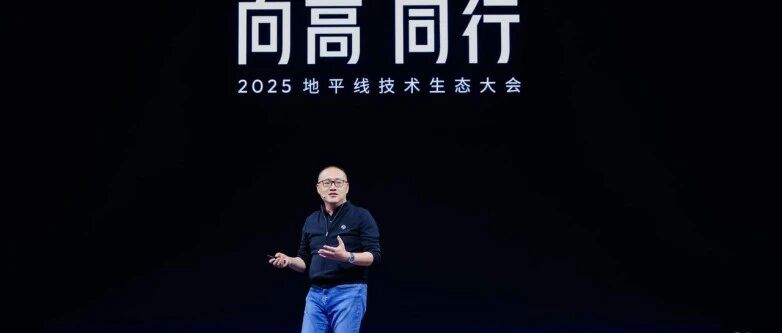
HSD辅助驾驶系统

Search documents
今日新闻丨岚图汽车港股上市!地平线2025年营收37.6亿元!新款小米SU7上市,售价21.99-30.39万元!
电动车公社· 2026-03-19 18:29
Group 1: Xiaomi SU7 Launch - The new Xiaomi SU7 was launched on March 19, with prices ranging from 219,900 to 303,900 yuan [2][3] - The design of the new Xiaomi SU7 remains consistent with the current model, featuring minor adjustments to the grille and new color options [6] - The interior has been upgraded with a dual-tone design, new steering wheel style, and enhanced luxury features, including standard laser radar and upgraded audio systems [8] - The new model has a price increase of 4,000 yuan but offers comprehensive upgrades, addressing many issues of the previous model, and has received strong market recognition with 15,000 units locked in within 34 minutes [12] Group 2: Lantu Automotive IPO - Lantu Automotive officially listed on the Hong Kong Stock Exchange on March 19, becoming the first high-end new energy stock from a central state-owned enterprise [14][15] - The Lantu Taishan X8 was unveiled, featuring a design similar to the Taishan, with a closed front grille and advanced smart features, including Huawei's latest HarmonyOS cockpit [17] - Lantu's rapid development and new technology introductions have led to increased sales, and the IPO is expected to enhance its market presence [19] Group 3: Horizon Robotics Revenue Forecast - Horizon Robotics announced a revenue forecast of 3.76 billion yuan for 2025, representing a year-on-year growth of 57.7% [19] - The company expects to ship over 4 million automotive chips in 2025, marking a 39% increase, and has achieved a leading position in the industry [24] - Horizon's HSD driver assistance system has shown promising performance, and 2026 is anticipated to be a breakout year for the company as these systems become more widespread [24]



首届地平线(09660)技术生态大会开幕,携手生态伙伴“向高同行”共赴智能未来
智通财经网· 2025-12-11 04:45
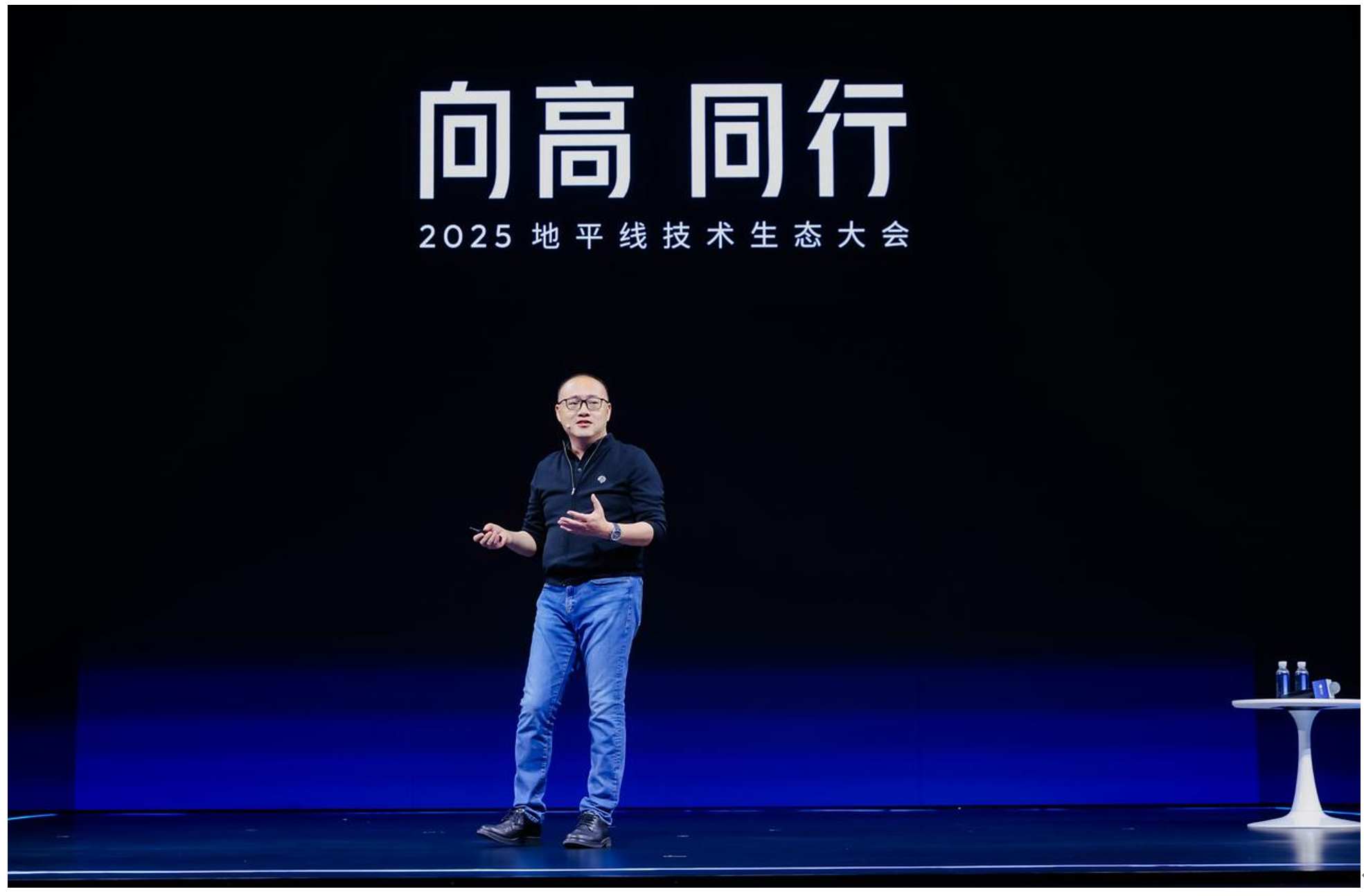
Core Insights - The conference "Horizon Together 2025" focuses on the transition of smart driving from commercialization to widespread adoption, emphasizing collaboration among industry leaders [1][3] - Dr. Yu Kai, CEO of Horizon, highlighted the company's journey from "high aspirations" to "collaborative growth," aiming to democratize advanced technology for a broader audience [3][5] Group 1: Technological Advancements - Horizon has introduced three technological pillars: BPU®, compilers, and algorithms, which are essential for driving advancements in smart driving and robotics [3][10] - The newly released fourth-generation BPU architecture, named Riemann, boasts a tenfold increase in key operator computing power and supports full floating-point calculations, enhancing efficiency for large language models [14][16] - The compiler technology has evolved into an "AI-driven compilation" era, significantly improving compilation speed and model performance [14][16] Group 2: Market Strategy and Collaboration - Horizon is transitioning from a traditional model to an "HSD Together" algorithm service model, allowing partners to focus on their strengths while Horizon provides comprehensive algorithm services [20][21] - The company aims to reduce the time and costs associated with product development by 90% through this collaborative approach, enabling more companies to leverage advanced smart driving capabilities [20][21] - Horizon's products have achieved significant market penetration, with the latest series reaching over one million units shipped in just 12 months [20][29] Group 3: Industry Impact and Vision - Horizon positions itself as a foundational player in the robotics era, aspiring to be the "Wintel of the robotics age," focusing on ecosystem collaboration rather than competing as a vehicle or robot manufacturer [9][24] - The company has expanded its influence beyond automotive applications, becoming a leading platform for consumer robotics with over 100 products and extensive partnerships [24][25] - Horizon emphasizes the importance of making advanced technology accessible to the masses, aiming to transform high-end innovations into everyday solutions for consumers [28][29]

他们为什么愤怒?
Xin Lang Cai Jing· 2025-12-09 13:53
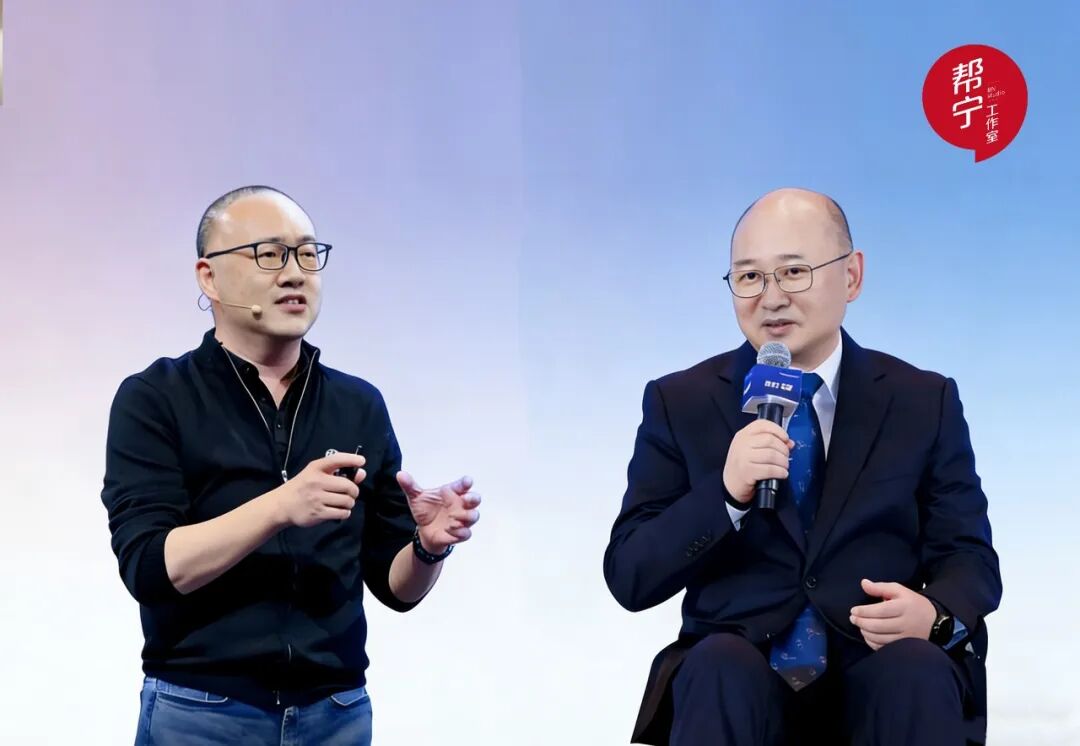
Core Insights - The main argument emphasizes the urgent need for technological equality and the determination for brand elevation within the Chinese automotive industry, as highlighted by the frustrations of industry leaders [8][23]. Group 1: Technological Equality - The automotive market in China shows that vehicles priced above 200,000 yuan account for 30% of the market, while those below 130,000 yuan make up 50%, indicating a gap in high-performance urban driving technology accessibility [2][19]. - Horizon Robotics launched the HSD driver assistance system, aiming to bring urban driving experiences to the mainstream market under 150,000 yuan [2][19]. - The push for technological equality is seen as essential for innovation, with the majority of consumers in the 100,000 to 200,000 yuan range driving the need for industry advancements [23][25]. Group 2: Brand Elevation - Chinese brands have historically been labeled as low-end and cheap, struggling to escape price wars despite technological advancements [25][27]. - The launch of the Zun Jie model, which achieved over 18,000 orders in 175 days at an average price of 900,000 yuan, reflects a shift towards high-quality development and brand elevation [21][25]. - The narrative of luxury in the automotive sector is being redefined by brands like NIO, which focus on user experience rather than traditional markers of luxury such as history and craftsmanship [25][27]. Group 3: Interconnection of Technology and Brand - The relationship between technological equality and brand elevation is complementary; technological advancements provide a solid user base for brands, while elevated brands support ongoing technological development [28][29]. - A healthy ecosystem in the automotive industry should consist of a broad base of technological accessibility supporting a few standout brands, ensuring both market growth and innovation [29].

2025首届地平线技术生态大会召开 10万级国民车将享城区智驾
Zheng Quan Shi Bao Wang· 2025-12-09 07:23
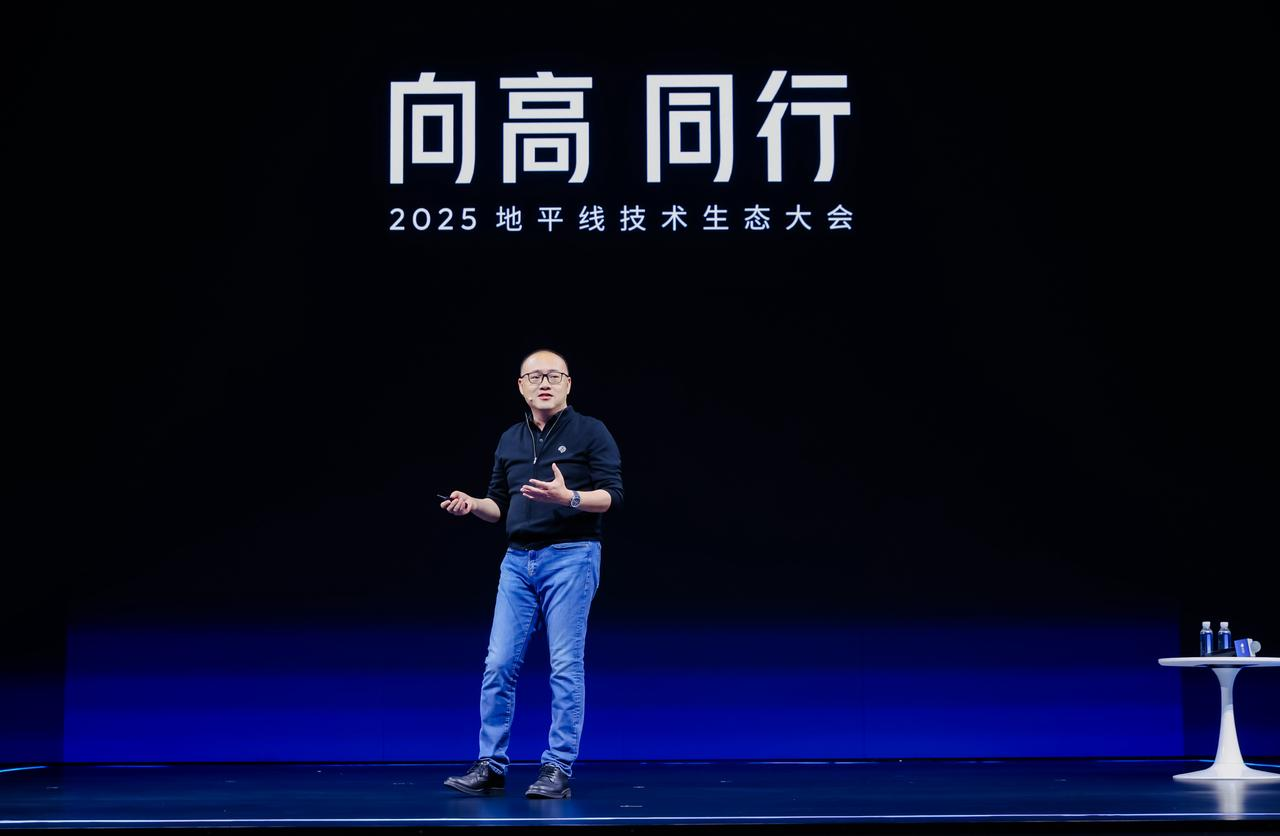
Core Insights - The first Horizon Technology Ecosystem Conference was held on December 8, 2025, focusing on the development of smart vehicles and robots, aiming to promote the integration of smart technology into everyday life [1] Group 1: Technological Advancements - Horizon's founder and CEO, Yu Kai, emphasized the need for a solid technological foundation for the widespread adoption of smart technology, highlighting three core pillars: BPU (intelligent computing architecture), compilers, and algorithms [2] - The newly released fourth-generation BPU architecture "Riemann" achieves a tenfold increase in key computing power and enhances energy efficiency for large language models by five times, marking over a 1000-fold performance improvement in BPU over the past decade [4] - The fourth-generation compiler, OpenExplorer 4.0, reduces compilation time from hours to minutes and improves model performance by 20%, indicating a shift towards machine learning-driven self-evolution in the industry [4] Group 2: Business Model Innovation - Horizon introduced a new collaboration model "HSD Together," which allows partners to focus on their strengths while Horizon provides comprehensive algorithm services, reducing R&D costs, computing power consumption, and time to market by 90% [5] - The HSD driver assistance system has already been applied in models like the Xingtu ET5 and Deep Blue L06, achieving over 12,000 activations within two weeks of launch, making advanced driving assistance accessible in the 150,000 RMB market [5] Group 3: Market Expansion - Horizon aims to democratize advanced urban driving assistance for vehicles priced at 100,000 RMB, with a new solution based on a single Journey 6M chip set to go into mass production [6] - The Journey series chips have achieved significant market penetration, with over 10 million units of the Journey 6B/L models and over 1 million units of the Journey 6E/M models shipped in the first year [6] Group 4: Robotics and Open Source Models - Horizon has expanded its technology ecosystem beyond the automotive sector, becoming China's largest consumer robotics computing platform, collaborating with over 100 partners and connecting more than 100,000 developers [7] - Two open-source models, HoloMotion and HoloBrain, were launched, focusing on motion intelligence and spatial awareness for robots, respectively, while Horizon collaborates with over 500 educational institutions to cultivate talent in the smart industry [8] - Horizon's mission is to empower smart vehicles and robots to enhance safety and quality of life, with a goal of achieving "HSD million-unit production" in the next 3 to 5 years [8]
地平线余凯:正持续加速每家企业、每个用户进入智能汽车和通用机器人时代
IPO早知道· 2025-12-08 15:03
Core Viewpoint - The article emphasizes the transition of Horizon Robotics from "striving for excellence" to "collaborating for excellence," focusing on empowering industries and making advanced driving technology accessible to the public [2]. Group 1: Event Overview - The Horizon Together 2025 technology ecosystem conference was held on December 8 in Shenzhen, featuring a keynote speech by Dr. Yu Kai, the founder and CEO of Horizon Robotics [2]. - The conference highlighted the significance of accelerating the entry of every enterprise and user into the era of smart vehicles and general robotics [2]. Group 2: Product Launch and Market Impact - The HSD (Horizon Smart Driving) system, first implemented in the vehicles Xpeng ET5 and Deep Blue L06, achieved over 12,000 activations within two weeks of launch, bringing advanced driving experiences to the mainstream market under 150,000 yuan [4]. - The HSD system's mass production marks a significant step in fulfilling Horizon's commitment to making high-level intelligent driving more accessible [4]. Group 3: Technological Advancements - Horizon Robotics introduced its fourth-generation BPU architecture named "Riemann," which enhances computing power by ten times for key operators and supports over ten times more high-precision operators, achieving a performance increase of over 1,000 times in ten years [8]. - The new compiler technology, OpenExplorer® 4.0, significantly improves compilation speed from hours to minutes and enhances model performance by 20% through AI-driven optimization strategies [10]. Group 4: Ecosystem and Collaboration - The HSD Together algorithm service model aims to reduce the human input, computing consumption, and time to market by 90% for partners, allowing them to focus on their strengths while leveraging Horizon's proven technology [14]. - Horizon's product family has seen a rapid reduction in time to market, with the latest series achieving a million units shipped in just 12 months [14]. Group 5: Robotics and AI Development - Horizon has become the largest consumer robotics computing platform in China, with over 100 products and connections to more than 100 partners and 100,000 developers [18]. - The company launched two open-source models for embodied intelligence: HoloMotion for motion intelligence and HoloBrain for spatial perception and task planning [18]. Group 6: Educational Initiatives - Horizon is committed to building a prosperous robotics ecosystem by collaborating with over 500 educational institutions to nurture future industry talent [20]. - The article shares inspiring stories of young developers, showcasing the inclusive nature of innovation and the importance of fostering a diverse talent pool [20].