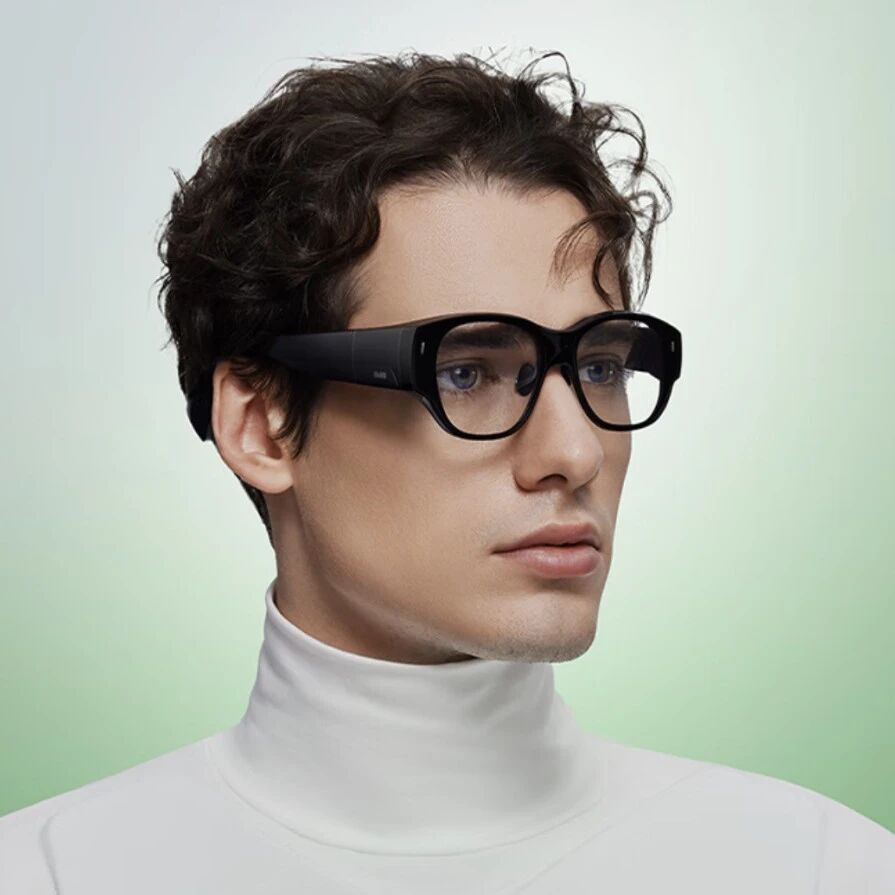
INMO AIR3

Search documents
成都这家眼镜公司,90后掌舵,半年拿了5个亿
创业邦· 2026-01-23 00:14
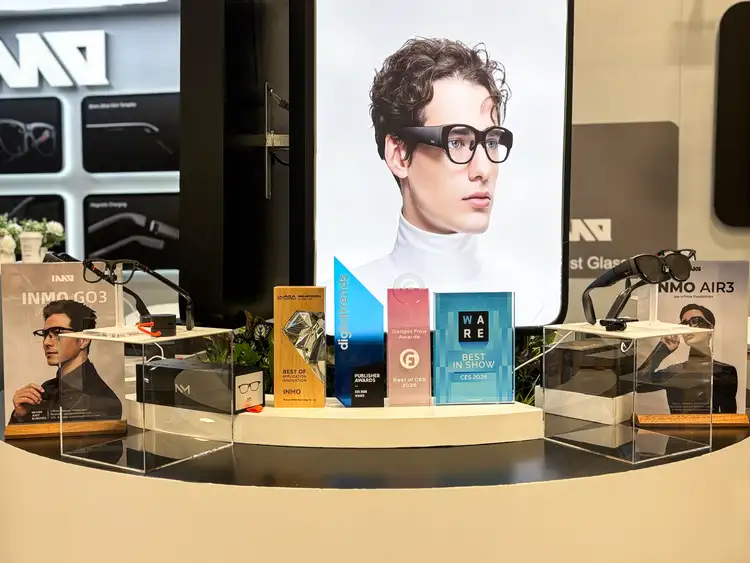
Core Viewpoint - The AR glasses sector is undergoing an unprecedented capital "arms race," with significant financing activities indicating strong market consensus on the future of AR hardware [4]. Financing Activities - In January 2026, three major financing events occurred: Thunderbird Innovation raised 1 billion yuan, XREAL secured 100 million USD, and Yingmu Technology completed its C1 round with a total of 500 million yuan in the last six months [4]. - Yingmu Technology stands out with its rapid financing pace, receiving continuous support from government and market capital [4]. Product Recognition and Awards - At CES 2026, Yingmu Technology's products received multiple prestigious awards, including the "Publisher Awards - CES 2026 Winner" for INMO GO3 and "Best of Application Innovation CES 2026" [7][16]. Market Performance - In 2025, Yingmu Technology's total order volume exceeded 100,000 units, representing a year-on-year increase of 300-500% [8][14]. - The company plans to expand its offline channel by establishing over 2,000 experience stores in collaboration with brands like LOHO [8]. Strategic Focus - Yingmu Technology aims to build an ecosystem by becoming the first AR glasses brand to integrate with Tencent's application platform and establishing a 20 million yuan developer fund [8]. - The company is shifting its business logic from selling "tech toys" to providing "scene services," integrating AI and AR glasses into daily life [8]. Company Background - Founded by Yang Longsheng, a post-90s entrepreneur, Yingmu Technology focuses on creating stylish, lightweight, and affordable AR glasses [10]. - The company adopted a high-barrier technology path using waveguide technology to achieve a design close to ordinary glasses [10]. Market Position - By 2022, Yingmu Technology became a major player in the domestic consumer AR glasses market, with annual production reaching tens of thousands of units [12]. - In 2024, the company launched INMO AIR3 and INMO GO2, establishing a dual product line strategy [13]. Competitive Landscape - The consumer-grade smart glasses market has seen over 100 brands entering since 2025, with significant investments from top firms [18]. - The competition is intensifying among AI glasses, AR glasses, and AI+AR glasses, with a focus on who will become the next core digital device [18]. Future Trends - The trend is shifting towards the integration of AI and AR technologies, with a focus on achieving true "all-in-one" and "lightweight" designs [25]. - The ultimate goal is to create a rich ecosystem of killer applications that will define the future of smart glasses [25].

一年三轮融资,影目INMO将“下一代AI手机”装入眼镜!
Xin Lang Cai Jing· 2026-01-15 14:10
Core Insights - The AR glasses sector is undergoing an unprecedented capital arms race, with companies like影目INMO emerging as key players through significant funding rounds [1][25] -影目INMO has completed three rounds of financing within a year, raising nearly 500 million, signaling strong investor confidence in its potential as a leading player in the market [1][25] Investment Landscape - The C1 round of financing for影目INMO is notable for the diverse composition of its investors, including local government funds, regional strategic investors, and market-oriented VCs, indicating a rare consensus in the hard tech investment space [2][27] - 成都科创投 has positioned影目INMO as a "chain leader" in the AI and metaverse industries in Sichuan, which will provide not only financial support but also integration into regional industrial planning [4][27] -普丰资本's investment reflects a focus on companies with sustained dedication to their sector, highlighting影目INMO's long-term commitment to AR technology [4][27] Technological Differentiation -影目INMO is recognized as a "category creator" in the AR glasses market, having defined product forms and technical standards over the years, including the launch of the first wireless all-in-one AR glasses in China [8][29] - The company has introduced innovative products like INMO AIR and INMO GO, which have set industry benchmarks and are expected to lead the market with upcoming models [8][29][30] - The collaboration with智谱 has transformed影目INMO's AR glasses into AI Agent carriers, enhancing user interaction and functionality beyond traditional display capabilities [11][34] Market Positioning -影目INMO's strategy includes establishing a smart ecosystem independent of smartphones, with predictions that its products may partially or fully replace mobile devices [14][35] - The company has achieved significant market recognition, topping the京东智能眼镜金榜 and receiving multiple awards at CES 2026, which underscores its competitive edge in both domestic and international markets [15][39] - Influential endorsements from celebrities and strategic advertising campaigns have helped影目INMO transition from a niche tech product to a mainstream productivity tool [17][40] Distribution and Channel Strategy - The company is forming partnerships with major eyewear brands to create a comprehensive service network that integrates experience, purchase, and fitting, enhancing its market reach [24][44] - The focus on both online and offline channels indicates影目INMO's confidence in serving a broader consumer base, marking a strategic shift towards brand establishment in the physical retail space [20][40]
智能眼镜赛道资本提速影目INMO一年完成三轮融资近5亿元
Xin Lang Cai Jing· 2026-01-15 12:12
Group 1 - The core viewpoint of the article highlights that INMO, a company specializing in AR glasses, has successfully completed its C1 round of financing, raising nearly 500 million RMB across three funding rounds by 2025, positioning itself as a leader in the AI+AR glasses niche [1][3][5] - INMO was established in 2020 and is one of the few early manufacturers focusing on integrated smart glasses, differentiating itself from competitors by adopting an "all-in-one" technology path from the outset [3][4] - The company has launched several innovative products, including the INMO AIR, the first wireless all-in-one AR glasses in China, and the INMO GO, which integrates large model capabilities into the glasses [3][4] Group 2 - INMO's flagship products for 2025 include the INMO AIR3 and INMO GO3, with AIR3 being the world's first mass-produced 1080P wireless AI+AR glasses, and GO3 achieving over 20,000 orders within three days of launch [3][4] - The company has developed a proprietary IMOS spatial operating system and an array waveguide display solution, achieving a technological advantage of approximately two years over competitors like Meta [3][4] - The CEO of INMO stated that the recent funding will be used to enhance product experience and technology implementation, aiming to transition smart glasses from niche products to mainstream consumer goods, with plans to expand into North America, Japan, and Europe by 2026 [5]
影目INMO一年内完成三轮共近5亿融资:一体式AI+AR智能眼镜品类开创者
IPO早知道· 2026-01-15 03:44
Core Viewpoint - The article highlights the rapid globalization strategy of INMO, a leading player in the AI+AR smart glasses sector, which has successfully completed multiple funding rounds totaling nearly 500 million yuan within a year, indicating strong capital interest in the company [2][3]. Group 1: Financing and Market Position - INMO has completed three rounds of financing (B2, B3, and C1) within a year, with a total amount close to 500 million yuan, making it one of the most capital-attractive companies in the AI+AR smart glasses market [2]. - As a pioneer in the smart glasses industry, INMO launched the first wireless all-in-one AR smart glasses, INMO AIR, in 2022, leading the industry into a "full-color lightweight" phase [3]. - The introduction of INMO GO, the world's first AI glasses, in 2023 marked the entry of the industry into the "AI era," transforming futuristic concepts into reality [3]. Group 2: Product Innovation and Market Response - INMO GO2 has become a breakout product, validating the company's product strategy and attracting significant consumer interest [4]. - The upcoming flagship models, INMO AIR3 and INMO GO3, are set to launch in 2025, with INMO AIR3 being the world's first mass-produced 1080P all-in-one AI+AR glasses, which sold out immediately upon release [4]. - INMO GO3 has achieved over 20,000 orders within three days of its launch, showcasing its strong market performance across various metrics [7]. Group 3: Technological Advancements - INMO is the only smart glasses company committed to the "next-generation phone" mission, leveraging self-developed core technologies and partnerships to create AI glasses with proactive service capabilities [6]. - The INMO GO3 features advancements such as context understanding and real-time user assistance, enhancing user interaction and experience [6]. - INMO AIR3 utilizes AutoGLM technology to optimize on-device inference efficiency, enabling practical functionalities like voice-controlled operations and automated task execution [6]. Group 4: Brand Influence and Global Expansion - INMO has increased its brand visibility through offline advertising in key urban areas and endorsements from celebrities, transitioning smart glasses from a tech product to a lifestyle symbol [8]. - The INMO GO series has gained popularity on social media and entertainment platforms, further solidifying its market presence [8]. - Following a successful showcase at CES, INMO plans to expand its global footprint with new product versions and a comprehensive online and offline distribution network [10][11].

一年拿下三轮融资!影目INMO正在鼻梁上“复刻”一个AI手机
量子位· 2026-01-15 02:30
Core Viewpoint - The company INMO has rapidly advanced in the smart glasses sector, achieving three rounds of financing within a year, indicating strong market demand and investor confidence [1][2][10]. Financing - INMO completed its B2 round financing of 150 million yuan in July 2025, followed by a B3 round shortly after, showcasing a fast-paced fundraising strategy [7][10]. - The total financing amount for the year reached nearly 500 million yuan, highlighting the company's ability to attract significant capital [10][12]. Product Development - INMO launched the GO3 smart glasses, which achieved over 20,000 pre-orders within three days of its release, indicating strong consumer interest [3][51]. - The GO3 is the first smart glasses to implement real-time translation and two-way dialogue, focusing on high-demand scenarios such as translation and meeting assistance [17][32]. Market Position - INMO has established itself as a leader in the lightweight, all-in-one AI+AR smart glasses category, with a valuation of 2 billion yuan and recognition as a category creator [19][60]. - The company has consistently ranked first in sales among startup companies in the all-in-one smart glasses sector for five consecutive years [52]. Technological Innovation - INMO's products utilize the self-developed IMOS operating system and the GLM large model, enhancing interaction capabilities and making AI more proactive [25][30][29]. - The GO3 and AIR3 models incorporate advanced features such as voice control for everyday tasks and real-time translation, showcasing the integration of AI capabilities into wearable technology [33][38]. Market Expansion - INMO is expanding its market presence through partnerships with major players like Tencent and Ant Group, and plans to invest 20 million yuan to foster AI application development [45][46]. - The company is also focusing on offline retail partnerships to enhance customer experience, addressing the challenge of online-to-offline transitions in smart glasses sales [49][51]. Industry Context - The global smart glasses market saw a shipment of 4.296 million units in Q3 of the previous year, but investment patience is tightening, making INMO's rapid financing pace stand out [8][7]. - As the industry shifts towards usability and long-term wearability, INMO's approach of creating lightweight, integrated AI+AR glasses is gaining traction [60][61].

中国AI眼镜军团CES霸场,27家公司组团秀肌肉,2026百镜大战
Xin Lang Cai Jing· 2026-01-09 09:01
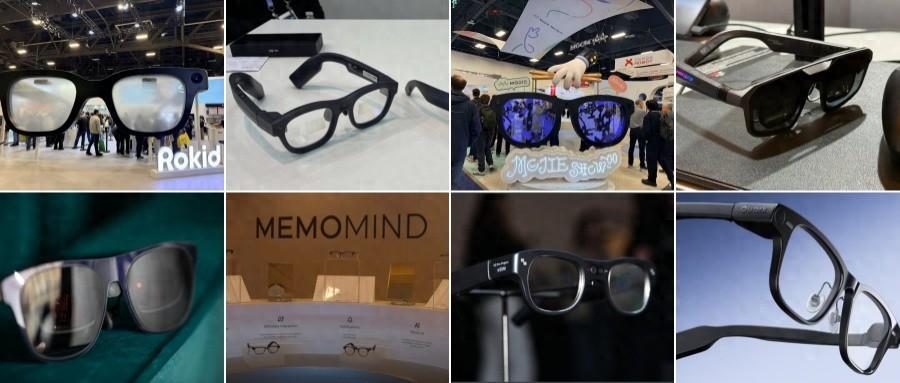
Core Insights - The CES 2023 showcased a significant presence of Chinese manufacturers in the smart glasses and VR/AR market, indicating a shift in industry dynamics with local players gaining traction [2][44] - The Chinese smart glasses market is projected to see substantial growth, with shipments expected to reach 623,000 units by Q3 2025, reflecting a year-on-year increase of 62.3% [4][46] - The event highlighted the competitive landscape, with numerous companies unveiling innovative products, suggesting a "battle of the glasses" in the coming years [42][85] Group 1: Major Players - Rokid attracted attention with its giant glasses display and launched the Rokid Style, claimed to be the lightest full-feature AI glasses at 38.5 grams, starting at $299 [7][48] - INMO introduced two key products: INMO Go3, which offers real-time translation in 261 languages, and INMO AIR3, the first mass-produced 1080P wireless AR glasses, which sold out quickly [9][53] - XREAL showcased the ROG Xreal R1, the first gaming glasses with a 240Hz refresh rate, and announced the upcoming XREAL 1S, featuring a proprietary chip for 3D content conversion [14][57] Group 2: Cross-Industry Innovations - Alibaba presented the Quark AI glasses S1, which allows interaction through voice commands and boasts a battery life of 7 hours, powered by dual flagship chips [22][66] - XGIMI launched its MemoMind AI glasses, marking its entry into the smart glasses market with two series [27][70] Group 3: Emerging Startups - Gyges Labs introduced the world's first AI note-taking ring, which gained significant media attention for its unique functionality [30][73] - MicroVision unveiled the M6 series of AR glasses, which feature hardware that can be sustainably upgraded without replacing the entire device [32][75] - Various smaller companies showcased innovative products, contributing to a diverse and competitive landscape in the smart glasses sector [40][83]
补贴与展会双重加持,智能眼镜迎来“成人礼”
Jin Rong Jie· 2026-01-09 06:34
Core Insights - The Chinese government has introduced a subsidy for consumers purchasing smart glasses priced under 6000 yuan, offering a 15% discount, with a maximum of 500 yuan [2] - The CES 2026 event has showcased a significant shift towards AI glasses, with various companies presenting innovative products that enhance user experience [3][4] Policy Support - The new policy, effective from 2026, includes smart glasses in the consumer goods trade-in subsidy program, reflecting government support for the AI terminal industry [2] - This policy change indicates a move from conceptual products to mainstream consumer acceptance of smart glasses [2] Exhibition Highlights - CES 2026 featured 4112 companies, with major players like Nvidia, AMD, and Hisense showcasing their latest AI glasses [3] - The event highlighted AI as a core driver in product development, moving beyond being an additional feature [3] Technological Differentiation - Companies are adopting various technological paths, with some focusing on ultra-lightweight designs while others emphasize functional integration [4] - Innovations include modular designs and advanced interaction technologies, such as Meta's EMG handwriting recognition [4] Practical Applications - The maturity of smart glasses is evident, with many products weighing under 30 grams and offering diverse interaction methods [5] - Companies are exploring accessibility features, such as special subsidies for visually impaired users [6] Market Opportunities - The subsidy policy is expected to lower the entry barrier for consumers, making smart glasses more attractive [6] - Different market segments are emerging, with companies like BleeqUp targeting professional sports and others like MemoMind focusing on everyday use [6] Future Trends - The smart glasses market is shifting from general-purpose devices to specialized solutions tailored for specific scenarios [7] - The integration of AI models is expected to transform smart glasses into proactive assistants, enhancing user experience and driving market growth [7]
AI泡沫退潮、落地为王,芯片巨头“拉帮结派”激战CES 2026
Tai Mei Ti A P P· 2026-01-07 08:01
Group 1 - NVIDIA's founder Jensen Huang emphasized the shift of AI from mere model competition to practical applications, focusing on "last mile" implementations during his keynote at CES 2026 [2][6] - The industry is transitioning from a "technology demonstration phase" to a "value realization phase," centering around real user scenarios [2] - AI technology is moving from "cloud-side intelligence" to "edge-side integration," becoming a fundamental infrastructure for human-computer interaction [2][6] Group 2 - CES serves as a platform for both tech giants and startups, particularly for Chinese companies to convert algorithms and technologies into tangible hardware [3] - AMD's CEO Lisa Su highlighted that AI is becoming a default capability in PCs, with AI performance improved by 1000 times over the past four years [9] - Intel introduced its third-generation AI PC processor, showcasing advancements in energy efficiency and CPU performance [11] Group 3 - Qualcomm launched the Snapdragon X2 Plus platform, featuring a 35% increase in single-core performance and a 43% reduction in power consumption [13] - IDC predicts that global AI PC shipments will reach 150 million units by 2027, with a penetration rate of 79% [13] - Major home appliance brands are now integrating AI into their products, focusing on enhancing core functionalities rather than superficial features [18] Group 4 - Companies like Hisense and TCL are showcasing advanced display technologies and AI-integrated home appliances at CES, with Hisense's RGB-Mini LED technology expected to see a significant increase in shipments [18][20] - Samsung plans to increase the number of mobile devices equipped with Google Gemini AI to 800 million by 2026 [22] - The competition among chip manufacturers is intensifying as they seek to define the future of physical AI [17] Group 5 - The CES 2026 highlighted the emergence of embodied intelligent robots and AI+AR glasses, indicating a shift from demonstration to market-ready products [29][34] - Startups are increasingly participating in CES to showcase innovative technologies and seek market opportunities [45] - The event serves as a critical platform for companies to adapt their strategies in response to rapid industry changes [47]


黄仁勋到处赶场站台,中国军团角逐AI明日终端
Tai Mei Ti A P P· 2026-01-04 10:13
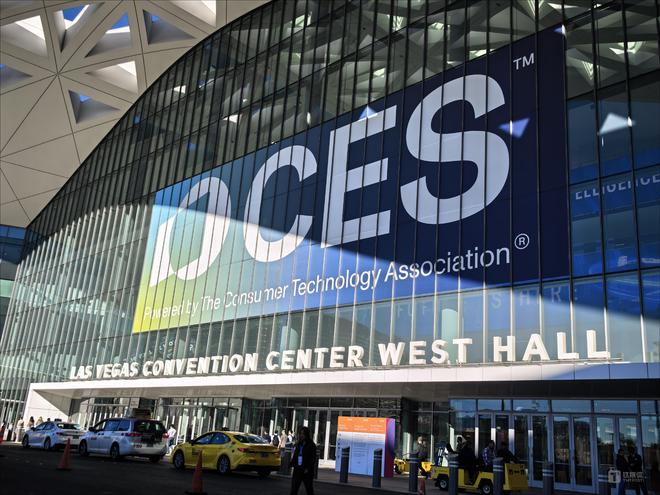
Group 1 - The CES 2026 will take place from January 6 to January 9, focusing on AI as it transitions into practical applications, marking the year as the beginning of AI technology integration and industrialization [2][9] - A total of 4,112 companies will participate in CES 2026, with major players like AMD, Lenovo, Hisense, and TCL showcasing innovations across various sectors, including chips, hardware, and vertical applications [2][3] - The event will highlight the integration of AI in various industries, including automotive and supply chains, demonstrating deep connections and applications across the entire industry chain [2][6] Group 2 - NVIDIA's CEO Jensen Huang will not deliver a keynote this year but will participate in discussions about AI's impact on consumer electronics and infrastructure [3][7] - AMD is expected to unveil its next-generation mobile processor, the Ryzen AI 400 series, featuring 12 Zen 5 cores and enhanced NPU capabilities [6][4] - Siemens' CEO will present advancements in industrial AI, showcasing how AI, digital twins, and automation are transforming manufacturing and infrastructure [6][9] Group 3 - The home appliance sector will see significant AI integration, with major companies like Hisense and TCL leading the charge in redefining the future of home electronics [10][11] - Hisense will introduce the world's first display technology upgraded to a "four-core architecture," along with a humanoid robot capable of multi-language interaction [10][11] - The cleaning appliance market, particularly robotic vacuums, is dominated by Chinese brands, while iRobot faces bankruptcy, highlighting a shift in market leadership [13][19] Group 4 - The CES 2026 will feature a strong presence of embodied intelligence products, with over 50% of exhibitors being Chinese companies, showcasing advancements in humanoid robots and smart assistants [20][22] - New AI-native devices, including AI glasses and AI headphones, will be introduced, indicating a shift towards AI as the next generation of consumer electronics [24][26] - The event will also host discussions on the future of technology, including topics like AI's role in industrial transformation and the commercialization of embodied intelligence [30][28]


一副眼镜 “看见”更多数字文创新场景
Xin Lang Cai Jing· 2025-12-30 20:11
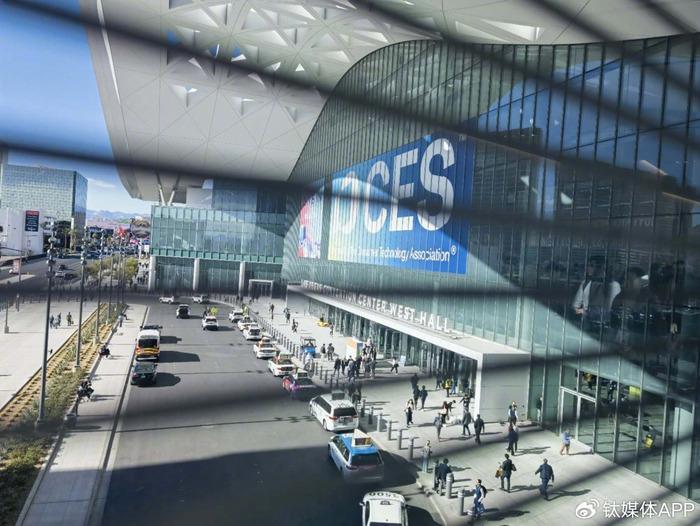
Core Insights - The article highlights the innovative advancements of Yingmu Technology, showcasing their AI+AR smart glasses, which are set to revolutionize digital cultural experiences and communication [3][4]. Company Developments - Yingmu Technology launched two new products at the China International Import Expo: the INMO AIR3, the world's first mass-produced 1080P wireless AI+AR glasses, and the INMO GO3, which supports real-time translation in over 260 languages [3][4]. - The company anticipates a revenue growth of nearly three times from 2024 to 2025, indicating a robust market potential in the digital cultural equipment sector [3]. Product Features - The INMO GO3 has expanded its language coverage from over 40 to 260 languages, achieving a translation accuracy of 98%, with offline translation capabilities for 9 languages [4]. - The glasses are being integrated into cultural tourism experiences, such as at the Chengdu Panda Base, where users can learn about the daily lives of pandas [4]. Strategic Location - Yingmu Technology relocated its headquarters from Shenzhen to Chengdu, citing the city's strong electronic information industry, talent pool, and cultural heritage as key factors for this decision [4][5]. - Chengdu is positioned as a prime testing ground for digital cultural scenarios, with plans to collaborate with local cultural IPs to create unique AI+AR interactive experiences [5]. Industry Context - Chengdu ranks fourth in the "2025 China Digital Cultural City Index," reflecting its strong talent reserves, stable industrial ecosystem, and urban vitality [6]. - The city has implemented a comprehensive "1+4" policy package to support the digital cultural industry, covering key sectors such as film and gaming [6].