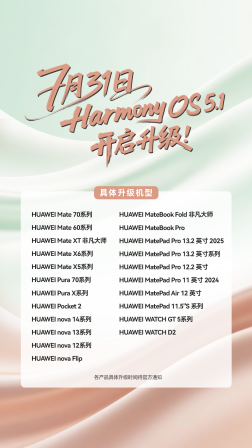
Mate 70

Search documents
特斯拉gen3预期走强-行情持续的关键在于共识
2025-12-29 01:04
Summary of Conference Call Records Company and Industry Overview - **Company**: 汇同新材 (Hui Tong New Materials) - **Industry**: Robotics and New Materials - **Market Position**: The only high-end metal fiber company listed on the Beijing Stock Exchange, benefiting from the robotics, AI, and new energy sectors. Expected valuation in 2025 is 1.8 billion RMB, with a current P/E ratio of approximately 30 times and a projected P/E ratio of 15-16 times for next year, indicating strong growth potential [1][4] Core Insights and Arguments - **Technological Advancements**: 汇同新材 is leveraging metal fiber products for perception upgrades and lightweight structures in robotics, collaborating with companies like 小鹏 (Xiaopeng) to meet electromagnetic compatibility needs and expanding applications in nuclear and new energy power plants with 中广核 (China General Nuclear Power Group) [1][5][6] - **Partnership with Huawei**: The company has a deep partnership with Huawei, providing composite conductive materials for high-end devices, with sales to Huawei expected to exceed 40% of total revenue in 2024, benefiting from domestic substitution [1][7] - **Market Dynamics**: The third-generation robot is anticipated to be released in Q1 2026, with positive evaluations from Tesla's CEO Elon Musk. However, there are industry disagreements regarding the practicality of humanoid robots and the evolving supplier landscape [1][9] Important but Overlooked Content - **Investment Strategy**: Recommended companies for investment include 蓝思科技 (Lens Technology), 汇川技术 (Inovance Technology), 地平线 (Horizon Robotics), 瑞芯微 (Rockchip), and others, which possess core advantages and growth potential in their respective fields [3][16] - **Challenges in Humanoid Robotics**: Key challenges include hardware costs, processing capabilities, and AI capabilities. The market is expected to see faster adoption of non-humanoid robots due to simpler operations and broader applicability [10][11] - **Future Market Space**: The market for intelligent robots is vast, with a trend towards autonomy replacing human labor. A defensive investment strategy is recommended, focusing on larger companies with proven capabilities [18] Key Technologies and Components - **Critical Technologies**: The supply chain for robotics relies heavily on capabilities in the 3C manufacturing sector, with essential components including rotary joints, motors, control systems, and edge computing [13][14][15] - **Emerging Components**: Visual and tactile sensors are crucial for robot coordination, and domestic chip manufacturers are expected to play a significant role due to potential supply chain issues with foreign chips [15] Conclusion 汇同新材 is positioned strongly within the robotics and new materials industry, with significant partnerships and growth potential. The market dynamics indicate a shift towards non-humanoid robots, while investment strategies should focus on established companies with robust supply chains and technological capabilities.
华虹三季报创新高,半导体景气向上动能强劲
Ping An Securities· 2025-11-10 02:58
Investment Rating - The industry investment rating is "Outperform the Market" [1][38] Core Views - Huahong Semiconductor reported impressive results for Q3 2025, achieving record highs in multiple key operational metrics [3] - The semiconductor industry is entering a high prosperity cycle driven by AI demand and domestic substitution [6] - The global semiconductor market is showing strong recovery, with Q3 2025 global sales reaching $208.4 billion, a 15.8% increase quarter-on-quarter and a 25.1% increase year-on-year [6] Summary by Sections Company Performance - Huahong Semiconductor achieved sales revenue of $635.2 million in Q3 2025, marking a historical high with a year-on-year growth of 20.7% and a quarter-on-quarter growth of 12.2% [4] - The gross margin for Q3 improved to 13.5%, exceeding company guidance, with a year-on-year increase of 1.3 percentage points and a quarter-on-quarter increase of 2.6 percentage points [4] - The overall capacity utilization rate reached 109.5% by the end of Q3, up 1.2 percentage points from the previous quarter, indicating full operational capacity [4] Market Trends - The embedded non-volatile memory revenue grew by 20.4% year-on-year, driven by increased demand for MCU products, while standalone non-volatile memory saw a remarkable revenue surge of 106.6% year-on-year [4] - Consumer electronics remained the largest market for Huahong Semiconductor, contributing $407.5 million in sales, accounting for 64.1% of total revenue, with a year-on-year growth of 23.2% [4] - The semiconductor industry is experiencing a significant increase in advanced process demand, with expectations for global advanced process capacity to grow at a CAGR of 14% [6] Investment Recommendations - It is recommended to focus on key companies in the semiconductor manufacturing sector, such as SMIC and Huahong Semiconductor, as well as the storage industry chain [6]
三季度国内手机市场排名出炉:vivo份额居首位,荣耀销量降幅最大
Xin Lang Cai Jing· 2025-11-06 10:03
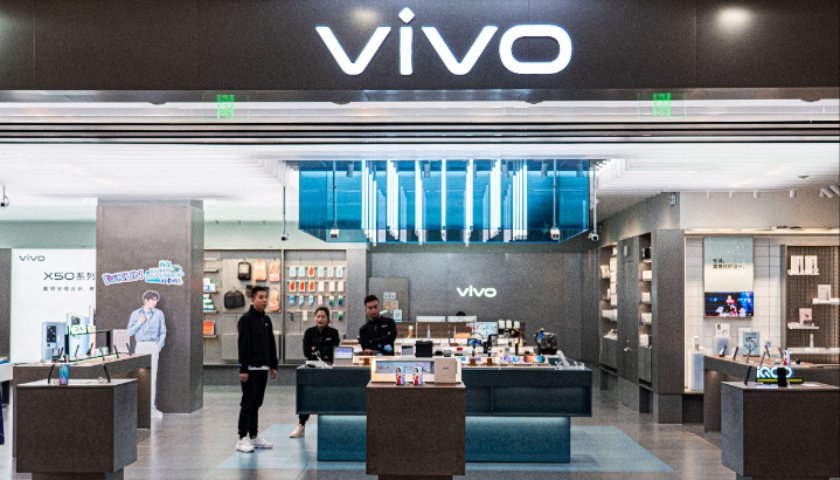
Core Insights - The overall smartphone sales in China declined by 2.7% year-on-year in Q3 2025, attributed to weak consumer demand influenced by the summer vacation and back-to-school season [1] - Vivo leads the market with an 18.5% share despite a 5.9% drop in sales, while Honor experienced the largest decline, with its market share falling to 14.4% [1] - Huawei maintained a stable market share of 16.4% with a slight sales decrease of 2.6%, supported by the Nova 14 series despite challenges with its HarmonyOS [2] - OPPO showed a recovery with a 2.1% year-on-year growth, driven by the stable performance of the Reno 14 series and its sub-brand OnePlus [4] - Xiaomi achieved a 1.1% increase in sales, bolstered by the REDMI Note 15 and K80 series, and its new Xiaomi 17 series has gained traction in the high-end market [4] - Apple’s market share rose to 13.6% with a 2% sales decline, maintaining strong competitiveness in the high-end segment due to the iPhone 17 series [5] - Despite the overall market downturn, smartphone sales in China grew by 11% year-on-year in the first two weeks of October, indicating a positive start to Q4 [7] Company Summaries - **Vivo**: Holds the top market share at 18.5%, with a 5.9% decline in sales; successful in mid-range and entry-level segments with models like S30 and Y500 [1] - **Honor**: Experienced the largest sales drop of 8.1%, with challenges in product innovation and brand positioning, despite some success in the entry-level market with the X70 series [4][2] - **Huawei**: Maintained a stable market share of 16.4% with a 2.6% sales decline; the Nova 14 series performed well, but the HarmonyOS's development is still ongoing [2] - **OPPO**: Achieved a 2.1% growth in sales, with the Reno 14 series contributing to its recovery [4] - **Xiaomi**: Recorded a 1.1% increase in sales, with the new Xiaomi 17 series enhancing its presence in the high-end market [4] - **Apple**: Increased market share to 13.6% with a 2% sales decline; the iPhone 17 series continues to perform well in the high-end market [5]



体验iPhone 17后,我想说苹果终于要回击国产机了
3 6 Ke· 2025-09-23 04:11
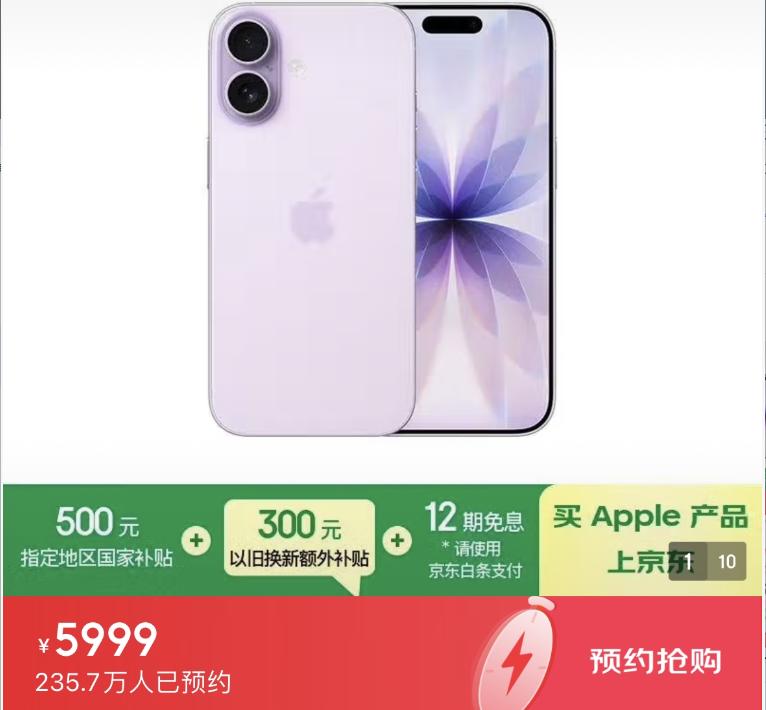
Core Insights - The iPhone 17 series has been officially launched and is experiencing high demand, particularly the standard version, which has seen a significant increase in pre-orders compared to the previous year's model [1][3][5] - The iPhone 17's pricing strategy, maintaining the same starting price as the iPhone 16 while doubling storage capacity, is seen as a strategic response to competitive pressures from domestic brands [9][10][12] - Apple's market share in China has declined, with the company now ranking third behind competitors like Vivo and Huawei, indicating increased pressure in its traditionally strong market [16][18][44] Product Performance - The iPhone 17 standard version has received over 2 million pre-orders on a single e-commerce platform, a tenfold increase compared to the iPhone 16 [1][3] - The iPhone 17 Pro features enhancements such as VC cooling, larger battery, and new design elements, contributing to its strong market presence [3][31] - The introduction of high refresh rate screens and dual-frequency GPS in the standard version marks a significant shift in Apple's product strategy, previously reserved for Pro models [9][12][42] Competitive Landscape - Domestic brands have intensified competition, leading to a decline in Apple's market share in China, where it now holds 17.4%, down from 20% year-over-year [16][18] - The aggressive pricing and feature enhancements from domestic competitors have forced Apple to adapt its strategy, including potential price reductions for the iPhone 17 [10][11][27] - The competitive landscape is expected to remain dynamic, with upcoming releases from Xiaomi, OPPO, and Vivo further challenging Apple's position [44] Market Dynamics - Apple's global smartphone shipments remain strong, with IDC data indicating it retains the top position despite a slight year-over-year decline [13][14] - The shift in consumer preferences towards more feature-rich and competitively priced domestic alternatives has prompted Apple to rethink its product offerings and pricing strategies [30][44] - The ongoing competition has led to a scenario where both Apple and domestic brands are forced to innovate and enhance their offerings, ultimately benefiting consumers [44]
体验iPhone17后,我想说苹果终于要回击国产机了
Hu Xiu· 2025-09-22 23:40
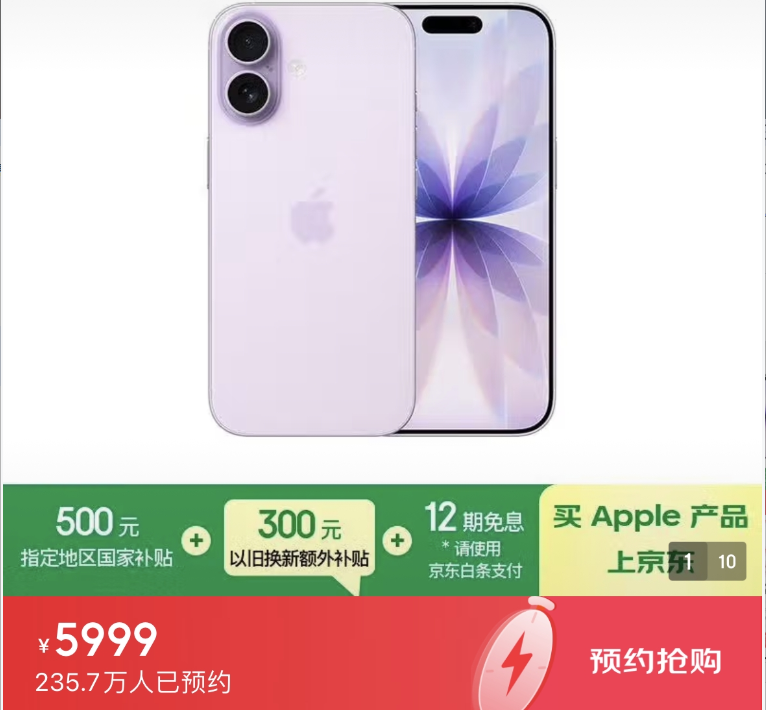
Core Insights - The iPhone 17 series has been officially released and is experiencing high demand, particularly the standard version, which has surpassed previous years' sales figures significantly [2][4][7] - The iPhone 17's pricing strategy remains competitive, with the starting price unchanged from the iPhone 16 at 5999 yuan, but with additional subsidies making it even more attractive [13][16][19] - Apple's market share in China has been declining, facing increasing pressure from domestic brands like Vivo, Huawei, and Xiaomi, which have improved their offerings and pricing strategies [9][27][29][66] Group 1: Sales Performance - The iPhone 17 standard version has received over 2 million pre-orders on a single e-commerce platform, a tenfold increase compared to the iPhone 16's pre-orders [2][4] - The iPhone 17 series is expected to revive iPhone sales, which had been struggling in the previous year [7][31] - The iPhone 17 Pro has also gained attention due to its enhanced features, including better cooling and battery performance [5][57] Group 2: Competitive Landscape - Domestic brands have been aggressively competing with Apple, leading to a significant drop in Apple's market share in China, where it fell to third place [9][27][29] - The introduction of high-refresh-rate screens and dual-frequency GPS in the standard version of the iPhone 17 marks a shift in Apple's strategy to counteract competition [14][22] - The competitive pressure has forced Apple to adopt a more aggressive pricing and feature strategy, which was previously not characteristic of the brand [10][46][66] Group 3: Market Dynamics - IDC data indicates that while Apple remains a global leader in smartphone shipments, its performance in the Chinese market is declining, with a year-over-year drop in market share [25][28] - The iPhone 17 series is seen as a response to the increasing capabilities of domestic brands, which have been able to offer similar features at lower prices [19][34][68] - The ongoing competition is expected to benefit consumers, as brands continue to enhance their offerings in response to each other [68][70]
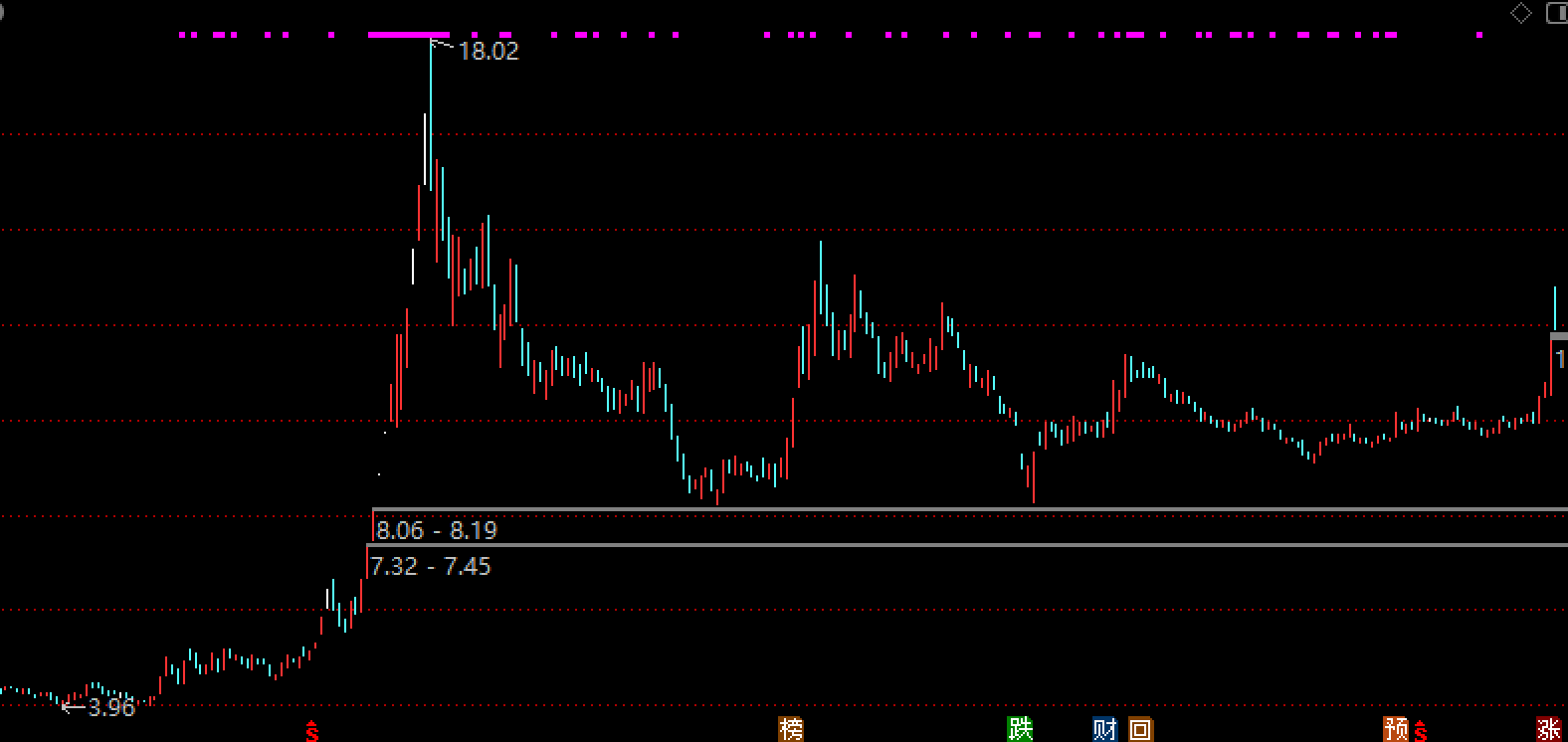
大“妖股”四川长虹归来,80万股民坐上华为+AI“快车”,924行情曾创历史新高,谨防中报突发利空
Jin Rong Jie· 2025-08-20 03:08
Group 1 - Sichuan Changhong's stock price surged by 4.5% in early trading, reaching a peak of 12.80 yuan and a trading volume of nearly 9 billion yuan, with a turnover rate exceeding 15% [1][3] - The stock previously experienced a significant rise during the "924 market," where its price increased from approximately 4.5 yuan to 18 yuan, marking a 300% increase [3] - The company is benefiting from its partnership with Huawei, particularly with the launch of Huawei's HarmonyOS and Mate 70 products, which has generated market enthusiasm [3] Group 2 - Sichuan Changhong is associated with multiple concepts, including artificial intelligence, military-civilian integration, and the Western Development strategy, making it a popular target for speculative trading [3] - The company's controlling shareholder, Changhong Holdings, holds equity in Huawei's Kunpeng ecosystem company, Huakun Zhenyu, which is a major player in the domestic computing sector [3] - Despite the positive market sentiment, Sichuan Changhong's mid-year performance forecast indicates a potential decline in net profit after excluding non-recurring gains, marking the first drop in five years [3]

鸿蒙5.1生态加速跑 超多设备可升级解锁独有体验
Huan Qiu Wang· 2025-07-31 09:18
Core Viewpoint - The launch of HarmonyOS 5.1 marks a significant advancement in Huawei's self-developed operating system, aiming to enhance user experience through seamless integration across devices and improved performance [1][9][13] Performance Optimization - HarmonyOS 5.1 features substantial performance enhancements, including faster application launch speeds and improved multitasking capabilities, exemplified by the Mate 70 maintaining smooth operation with multiple large applications open [2][4] - The system's real-time window function has been upgraded to provide clearer delivery progress and estimated arrival times for services like food delivery and ride-hailing [2][4] AI Capabilities - The introduction of AI features such as AI magic photo editing allows users to manipulate elements within photos easily, while AI portrait enhancement optimizes facial details and skin tones [4] - The upgrade of the Xiao Yi intelligent assistant enhances user interaction with more natural dialogue and visual effects [4] Ecosystem Development - The success of an operating system heavily relies on its ecosystem, and HarmonyOS has garnered support from over 30,000 native applications and services, with major apps like WeChat and Douyin adapting to the platform [4][9] - The ecosystem is experiencing rapid growth, with over 1 billion devices running HarmonyOS and more than 8 million developers engaged in application development [9] Technological Innovation - HarmonyOS 5.1 introduces system-level capabilities that enhance user experience, such as direct camera access in WeChat and improved video creation tools in Douyin [7][13] - The system fosters a positive feedback loop between applications, scenarios, and the operating system, enhancing overall user engagement [7] Strategic Shift - The upgrade signifies a paradigm shift in operating system competition, focusing on "system-level AI, scenario innovation, and ecosystem co-construction" to create a differentiated competitive edge [13] - As the global operating system market matures, HarmonyOS aims to redefine user and developer engagement through enhanced ecosystem value [13]