NVIDIA IGX Thor

Search documents
Advantech to Showcase Edge AI and Physical AI Innovations at NVIDIA GTC 2026
Prnewswire· 2026-03-17 02:59
Core Insights - Advantech will showcase its innovations in Edge AI and Physical AI at NVIDIA GTC 2026, highlighting applications in robotics, medical systems, smart logistics, and intelligent retail environments [1][2][8] - The company emphasizes the transition from cloud-based AI to real-world applications, focusing on edge computing and scalable deployment [2][8] Edge AI Innovations - Advantech will present robotics-ready edge AI platforms, such as the ASR-A702/AFE-A702, which support key perception capabilities like object detection and pose tracking [3] - The MIC-742 platform, delivering up to 2,070 TFLOPS AI performance, will be showcased for humanoid robotics, enabling ultra-low-latency sensor-to-inference pipelines [4] Medical AI Solutions - The AIMB-294 medical AI board will be featured, capable of real-time surgical instrument anomaly detection and operating at only 130W [5] - Advantech will also highlight the USM-500 platform for advanced AI-powered medical applications, supporting real-time multimodal sensor fusion [6] Logistics and Retail Applications - The AIR-075 visual AI platform will be demonstrated for intelligent logistics, enabling safety monitoring and incident response with high-bandwidth video streaming [6][7] - For retail environments, the DS-015 edge AI system will run generative AI models, enhancing customer engagement while ensuring data privacy [7] Company Overview - Advantech is a global leader in IoT intelligent systems and embedded platforms, focusing on Edge Computing and Edge AI across five key markets: Edge Intelligence Systems, Manufacturing, Energy and Utilities, iHealthcare, and iCity Services & iRetail [8]



Planet to Build World's First GPU-Native AI Engine for Planetary Intelligence with NVIDIA
Businesswire· 2026-03-16 20:45
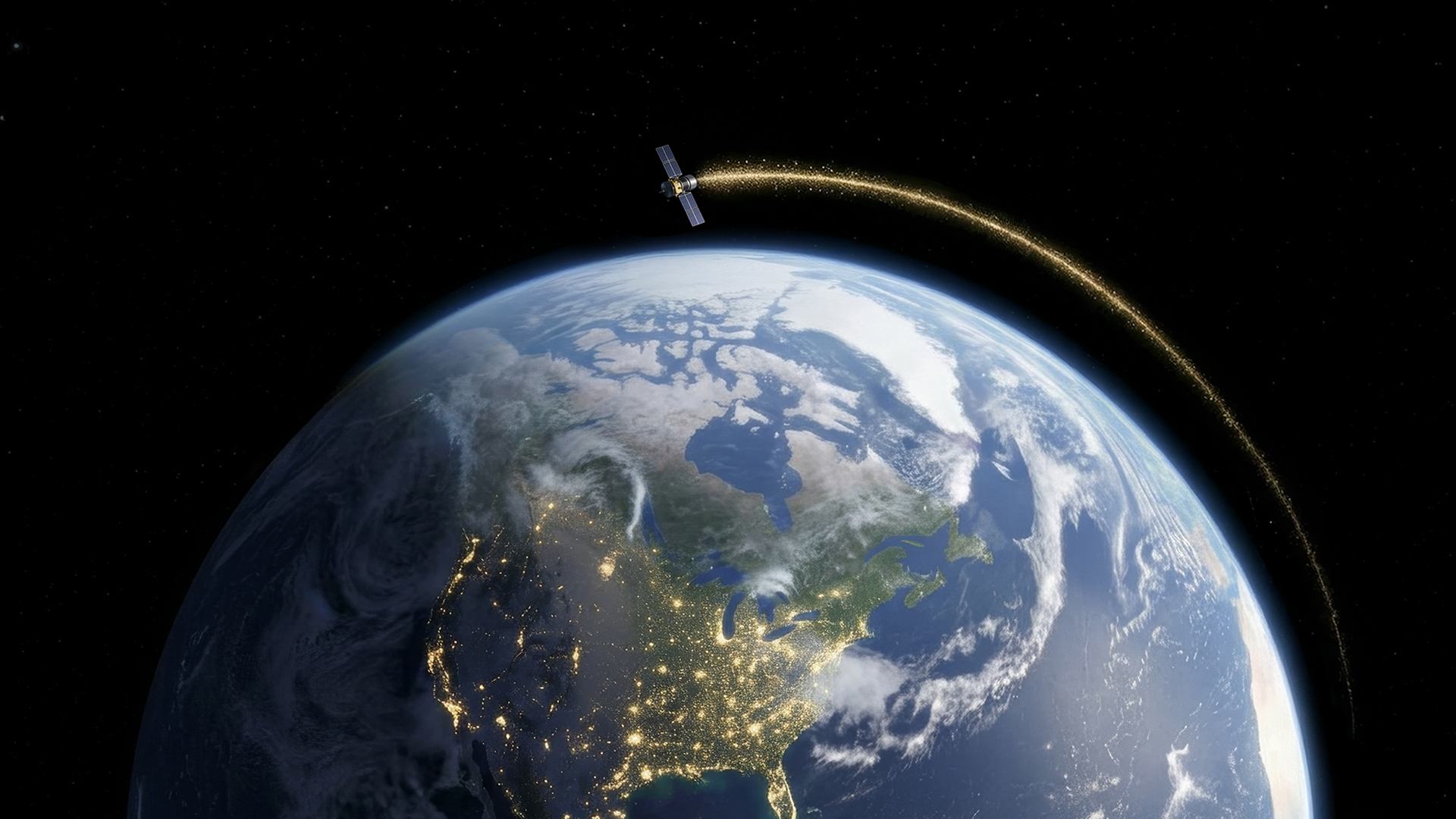
Core Insights - Planet Labs PBC is initiating a project to transform satellite imagery processing and analysis [1] - The collaboration with NVIDIA aims to utilize GPUs for faster imagery processing and insight delivery [1] - Planet is employing NVIDIA's Blackwell and IGX Thor platforms to convert raw data into actionable insights within seconds [1]


Novanta Joins NVIDIA Halos AI Systems Inspection Lab
Businesswire· 2026-03-16 20:40
Core Insights - Novanta Inc. has joined NVIDIA Halos AI Systems Inspection Lab, the first ANSI National Accreditation Board accredited inspection lab for AI-driven physical systems, aimed at accelerating certification and enhancing trust in robotics and physical AI systems [1][4]. Collaboration and Technology Validation - Through its participation in the Halos AI Systems Inspection Lab, Novanta will collaborate with NVIDIA to validate the interoperability of its motion control and sensing technologies with NVIDIA platforms, including NVIDIA IGX Thor, to simplify integration for original equipment manufacturers (OEMs) [2][4]. - The collaboration is intended to reduce integration complexity, accelerate time-to-market, and advance the adoption of robotic safety standards [2][4]. Safety and Standards - The Halos AI Systems Inspection Lab provides support for ecosystem participants in validating and certifying technologies for AI-powered systems, reinforcing Novanta's commitment to safety and interoperability standards in robotics [4][5]. - As physical AI applications transition to real-world deployment, the adoption of safety, performance, and interoperability standards is deemed critical [4]. Novanta's Technological Focus - Novanta's portfolio includes core robotic technologies designed for accurate control, safe movement, and reliable perception in demanding applications, which are essential as the adoption of physical AI accelerates across various industries [5][6]. - The company aims to be a pivotal player in establishing a standards-based foundation for scaling the deployment of robotics [5].


NVIDIA Launches Space Computing, Rocketing AI Into Orbit
Globenewswire· 2026-03-16 20:03
Core Insights - NVIDIA's latest accelerated computing platforms are revolutionizing space innovation by enabling AI compute capabilities in orbital data centers, geospatial intelligence, and autonomous space operations [1][6] Group 1: Product Innovations - The NVIDIA Space-1 Vera Rubin Module offers up to 25 times more AI compute for space-based inferencing compared to the NVIDIA H100 GPU, enhancing capabilities for orbital data centers and advanced geospatial intelligence [3] - NVIDIA's IGX Thor and Jetson Orin platforms provide energy-efficient, high-performance AI inference and data processing, facilitating edge computing in space [4][12] - The NVIDIA RTX PRO 6000 Blackwell Server Edition GPU delivers up to 100 times faster performance for geospatial intelligence processing compared to traditional CPU-based systems [5][19] Group 2: Industry Applications - Industry leaders such as Aetherflux, Axiom Space, and Kepler Communications are leveraging NVIDIA's platforms for next-generation space missions, enhancing real-time data processing and connectivity in space [7][8][17] - The integration of NVIDIA's technology allows companies to manage and route data intelligently across satellite constellations, improving efficiency and reducing latency [8] - The rapid growth of the commercial space industry is driving demand for real-time data processing capabilities in orbit, which NVIDIA's platforms are designed to meet [9] Group 3: Future Potential - The NVIDIA Space-1 Vera Rubin Module enables large language models and advanced foundation models to operate directly in space, unlocking on-orbit analytics and autonomous scientific discovery [10] - NVIDIA's platforms are engineered for size, weight, and power constraints, making them suitable for mission-critical edge environments in space [11][17] - The ability to process sensor data locally on spacecraft enhances responsiveness and optimizes bandwidth use, complementing ground control systems [11]
Archer Aviation Inc. (ACHR) to Develop the Next Wave of Aviation AI Technology With NVIDIA IGX Thor
Yahoo Finance· 2026-02-21 11:03
Group 1 - Archer Aviation Inc. (NYSE:ACHR) is focusing on developing next-generation aviation artificial intelligence in collaboration with NVIDIA IGX Thor, aiming for high-reliability, real-time onboard computing for safety-critical applications [2][6] - The integration of AI technology will be launched at Hawthorne Airport in Los Angeles, which will serve as an operational hub for the planned LA air taxi network and a test bed for AI-powered aviation technologies [2] - The company emphasizes pilot safety, predictive awareness, autonomy-ready flight systems, and airspace integration in its development efforts [2] Group 2 - Archer Aviation has formed a partnership with the Government of the Republic of Serbia, which has selected the company as its preferred eVTOL partner and has the option to purchase up to 25 Midnight aircraft [3] - The company specializes in the production of electric vertical take-off and landing aircraft and was founded on October 16, 2018, with its headquarters in San Jose, CA [4]

EndoQuest to Bring AI-Powered Vision and Precision to Endoluminal Robotic Surgery with NVIDIA IGX Thor
Businesswire· 2026-01-12 15:05
Core Insights - EndoQuest Robotics, Inc. is collaborating with NVIDIA to integrate NVIDIA IGX Thor into its next-generation robotic system [1] Group 1: Collaboration Details - The partnership focuses on integrating EndoQuest's visualization system, robotic control, and secure cloud services [1] - The integration will utilize NVIDIA's Physical AI software stack [1]

机器人,突传重磅!黄仁勋:ChatGPT时刻已来!英伟达放大招,波士顿动力、卡特彼勒、NEURA、LG......
券商中国· 2026-01-06 06:41
Core Viewpoint - The robotics industry is entering a transformative phase, akin to the "ChatGPT moment," as highlighted by NVIDIA's CEO Jensen Huang during the 2026 CES, emphasizing advancements in AI and robotics technology [1][4]. Group 1: NVIDIA's Innovations - NVIDIA announced new open models and frameworks for physical AI, accelerating the robotics development lifecycle and enabling the creation of versatile professional robots capable of learning multiple tasks [3][4]. - The introduction of NVIDIA Cosmos and GR00T models, along with the Isaac Lab-Arena for robot evaluation, aims to simplify the training workflow for robots [1][3]. Group 2: Industry Collaboration - Major industry players such as Boston Dynamics, Caterpillar, and LG Electronics are leveraging NVIDIA's technology to launch new AI-driven robots, indicating a shift from experimental prototypes to commercially viable products [4][6]. - Caterpillar is expanding its collaboration with NVIDIA to integrate advanced AI and autonomy into construction and mining equipment [6]. Group 3: Commercialization and Market Potential - The humanoid robot sector is rapidly moving towards commercialization, with companies like UBTECH and Tesla already deploying small batches, projecting a demand of 736,400 units in the automotive sector by 2028 [8]. - The logistics industry is also seeing advancements, with companies like Hangcha Group and Jingsong Intelligent introducing high-load, multi-scenario adaptable products, expecting a demand of 59,100 units by 2028 [8]. Group 4: Market Strategy and Technological Evolution - The humanoid robot market is adopting a dual strategy focusing on both B2B and B2C, with products evolving towards high cost-performance, modular, and platform-based designs [9]. - The integration of AI large models with embodied intelligence is becoming mainstream, with applications expanding from industrial to home and healthcare sectors [9].

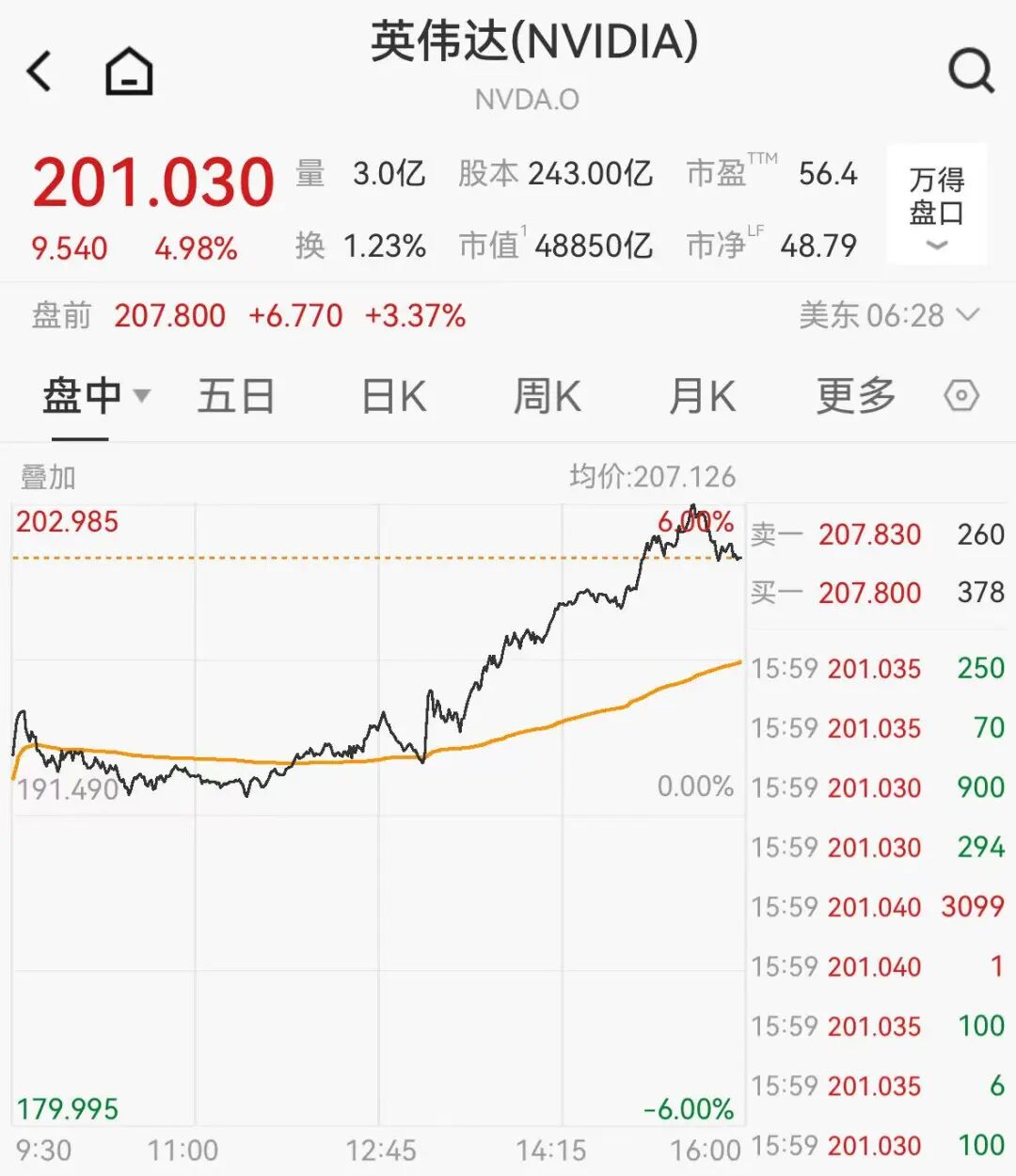
英伟达盘前涨超3%,史上首家5万亿美元市值公司或将诞生
2 1 Shi Ji Jing Ji Bao Dao· 2025-10-29 11:02
Group 1: Core Business Developments - NVIDIA's CEO Jensen Huang announced that the expected sales for the Blackwell and Rubin chips will exceed $500 billion, with an order volume of approximately 20 million GPUs [2][4] - The next-generation Vera Rubin chip, with a computing power of 100 Petaflops, is set to be mass-produced next year, while the Blackwell architecture continues to see strong market demand [5][6] - NVIDIA's data center business achieved $41.1 billion in revenue in the second quarter, a 56% year-over-year increase, accounting for 88% of total revenue [6] Group 2: Strategic Partnerships and Investments - NVIDIA announced a $1 billion investment in Nokia to accelerate the development of 6G and AI network infrastructure, which led to a nearly 23% increase in Nokia's stock price [8] - The company is collaborating with Oracle and the U.S. Department of Energy to build AI supercomputers for scientific discovery, with significant GPU deployments planned [7][11] - NVIDIA's partnerships with Intel and OpenAI aim to enhance AI infrastructure, with investments potentially reaching $100 billion for OpenAI's next-generation AI systems [11] Group 3: Innovations in AI and Quantum Computing - NVIDIA introduced NVQLink, a new interconnect technology that combines GPU computing with quantum processors to accelerate quantum supercomputing [2] - The company is focusing on "Physical AI" applications, collaborating with Uber to develop a large-scale Level 4 autonomous driving network, with plans to expand to 100,000 vehicles by 2027 [12][14] - NVIDIA's new products, such as the BlueField-4 data processor and IGX Thor platform, are designed to support AI-driven manufacturing and real-time AI performance in industrial applications [15][16]
英伟达盘前涨超3%,史上首家5万亿美元市值公司或将诞生
21世纪经济报道· 2025-10-29 10:56
Core Viewpoint - Nvidia is on the verge of becoming the first company to surpass a market capitalization of $5 trillion, driven by strong demand for its GPUs and strategic investments in AI and telecommunications [1][3]. Group 1: Financial Performance and Projections - Nvidia's data center business achieved $41.1 billion in revenue in the second quarter, a 56% year-over-year increase, accounting for 88% of total revenue [9]. - The anticipated revenue from Blackwell and Rubin GPUs is projected to exceed $500 billion by 2026, with an order volume of approximately 20 million GPUs [6][9]. - Nvidia has shipped 6 million Blackwell GPUs in recent quarters, while the previous Hopper architecture shipped 4 million units over its lifecycle, generating $100 billion in revenue [6]. Group 2: Strategic Partnerships and Investments - Nvidia has invested $1 billion in Nokia to accelerate the development of 6G and AI network infrastructure, with the AI-RAN market expected to exceed $200 billion by 2030 [12]. - The company has also partnered with Oracle and the U.S. Department of Energy to develop AI supercomputers for scientific discovery, with significant GPU deployments planned [10]. - Nvidia's collaboration with Intel involves a $5 billion investment to develop AI infrastructure and personal computing products, focusing on seamless integration of CPU and GPU technologies [13]. Group 3: Technological Innovations - Nvidia introduced the Vera Rubin chip, which boasts a computing power of 100 Petaflops, set to enter mass production next year [6]. - The company is advancing "Physical AI" through partnerships with Uber and various robotics firms, aiming to create a large-scale L4 autonomous driving network [14][19]. - New products like the NVIDIA BlueField-4 data processor and IGX Thor platform are designed to support AI factory operations and real-time physical AI applications [20].
CMR Surgical Adopts NVIDIA IGX THOR for AI-Powered, Next Generation Surgical Robotics
Globenewswire· 2025-10-29 09:00
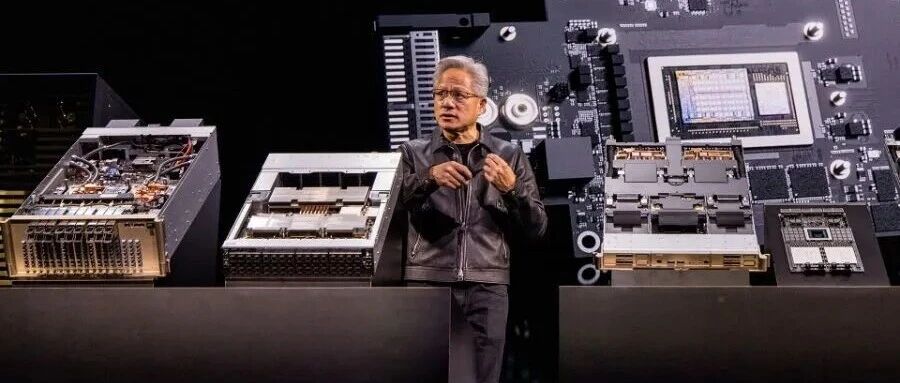
Core Insights - CMR Surgical is adopting NVIDIA IGX Thor to enhance its Versius Surgical Robotic System with AI capabilities aimed at improving patient outcomes and supporting continuous learning for surgeons [1][3][5] - IGX Thor is NVIDIA's advanced platform for physical AI and robotics, providing significant computational power and energy efficiency [2] - The integration of AI into the Versius system is intended to empower surgeons rather than replace them, facilitating real-time insights during surgical procedures [5] Company Overview - CMR Surgical is a global medical devices company focused on transforming surgery through its next-generation surgical robot, Versius [10][11] - The company aims to make robotic minimally invasive surgery universally accessible and affordable, collaborating with surgeons and hospitals [11] - Versius has been utilized in approximately 40,000 surgical cases across various specialties, demonstrating its versatility and adaptability in different healthcare settings [5] Technology and Innovation - Versius captures extensive data, including telematic, video, and patient outcomes, to provide meaningful insights to healthcare professionals [4][8] - The system's design allows for easy integration into existing operating room workflows, enhancing the likelihood of robotic minimally invasive surgery [6][7] - Versius features a modular design that enables surgeons to use only the necessary number of robotic arms for each procedure, optimizing efficiency [6][7] Future Directions - CMR Surgical is committed to exploring the potential of NVIDIA IGX Thor to revolutionize AI capabilities within the Versius ecosystem [5] - The collaboration with NVIDIA aims to enhance the intelligent support provided to surgeons, ultimately improving surgical care [3][5]