NeMo

Search documents
Nvidia plans open-source AI agent platform ‘NemoClaw' for enterprises: Wired
CNBC· 2026-03-10 05:52
Core Insights - Nvidia is set to launch an open-source platform for AI agents named 'NemoClaw' to capitalize on the increasing demand for AI tools [1] - The company is actively seeking partnerships with major enterprise software firms such as Salesforce, Cisco, Google, Adobe, and CrowdStrike [2] - The platform is designed to allow companies to deploy AI agents for various tasks, incorporating security and privacy features [3] Partnerships and Collaborations - Nvidia has begun pitching the NemoClaw platform to potential partners, although no official partnerships have been confirmed yet [2][3] - Partners are expected to receive free access to the platform in exchange for contributions to its development [3] Platform Features and Capabilities - The NemoClaw platform will enable companies to utilize AI agents regardless of whether their products are based on Nvidia's chips [4] - Nvidia is focusing on AI agents as the industry shifts from large language models to specialized tools capable of independent reasoning and multi-step task execution [4] - The company has recently released foundational models for AI agents, including Nemotron and Cosmos [4] Expansion of Existing Platforms - Nvidia is enhancing its 'NeMo' platform, which supports clients in managing the entire lifecycle of AI agents, from data curation to optimization [5] - The rise of "claws," or open-source AI tools that operate locally on user machines, is influencing Nvidia's strategy in the AI agent space [5] Industry Context and Competition - The AI agent concept gained traction with OpenClaw, which was acquired by OpenAI earlier this year, highlighting the competitive landscape [6] - Security risks associated with nascent AI tools have been raised, particularly concerning enterprise customers targeted by Nvidia [6] Upcoming Events - Nvidia is preparing for its annual developer conference in San Jose, where it is expected to announce new hardware and software developments [7]


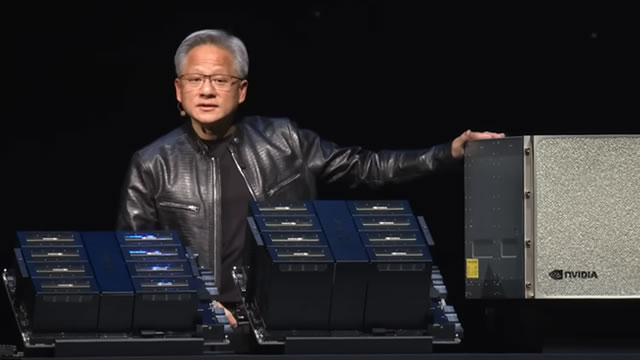
英伟达涉版权侵权诉讼,被指从影子图书馆获取 500TB 盗版数据
Huan Qiu Wang Zi Xun· 2026-01-21 03:07
Core Viewpoint - Nvidia is facing a significant copyright class-action lawsuit from multiple authors, accusing the company of intentionally obtaining vast amounts of pirated data from various "shadow libraries" to train its AI models, with the involved data size reaching 500TB and containing millions of copyrighted books [1][3]. Group 1: Legal Allegations - The lawsuit claims that Nvidia used the Books3 dataset, which includes pirated works, for training its AI models, despite Nvidia's defense arguing that this usage falls under "fair use" [3]. - New evidence revealed in the lawsuit indicates that Nvidia's data strategy team sought to acquire millions of pirated materials from the "Anna Archive," a controversial shadow library, and proceeded with the collaboration despite knowing the data's illegal status [3][4]. - The lawsuit has expanded to include claims of contributory and vicarious infringement, asserting that Nvidia facilitated the acquisition of pirated datasets for its clients [4]. Group 2: Company Operations and Market Impact - Nvidia has been a key beneficiary in the AI boom, with its revenue significantly increasing due to the demand for AI training chips and data center services [1]. - The company has actively developed its own AI models, such as NeMo and Retro-48B, which rely on extensive text data for training, raising questions about the legality of its data sourcing methods [1]. - The ongoing legal issues with the "Anna Archive" and other platforms like LibGen, Sci-Hub, and Z-Library have heightened public scrutiny of Nvidia's data acquisition practices [4].

利空突袭!数据中心冷却股集体大跌 什么情况?
Zhong Guo Neng Yuan Wang· 2026-01-07 00:29
Group 1: Data Center Cooling Stocks - Data center cooling stocks experienced a significant decline, with companies like Johnson Controls and Trane Technologies dropping by 10%, Modine falling by 20%, and Carrier and Vertiv Technologies decreasing by over 5% [4] - The drop was influenced by Jensen Huang's comments at CES regarding new server racks using the Rubin chip, which can operate without water cooling, requiring similar airflow to racks using the Blackwell chip [4] Group 2: Semiconductor Stocks - Semiconductor stocks saw a broad increase, with Microchip Technology rising by 11.65%, reaching its highest level since July, NXP Semiconductors increasing by nearly 10%, and TSMC gaining over 1.5% [4] - SanDisk experienced a significant surge of 27.56%, marking its largest intraday gain in ten months, while Micron Technology's stock rose by 10.02%, reaching a historical high of $343.43 per share, with a total market capitalization of $386.5 billion [4] Group 3: Chinese Concept Stocks - The Nasdaq Golden Dragon China Index fell by 0.78%, with mixed performance among popular Chinese concept stocks [5] - Companies like Hesai surged over 10%, Pony.ai increased by over 5%, and Huazhu, UMC, and others rose by over 4%, while BOSS Zhipin dropped over 6%, Tencent Music fell by over 4%, and Alibaba decreased by over 3% [5] Group 4: Precious Metals - Spot gold increased by 1.07%, reaching $4,496.66 per ounce, while spot silver rose by 6.15%, reaching $81.32 per ounce [6]

利空突袭!数据中心冷却股,深夜暴跌
Zheng Quan Shi Bao· 2026-01-06 22:48
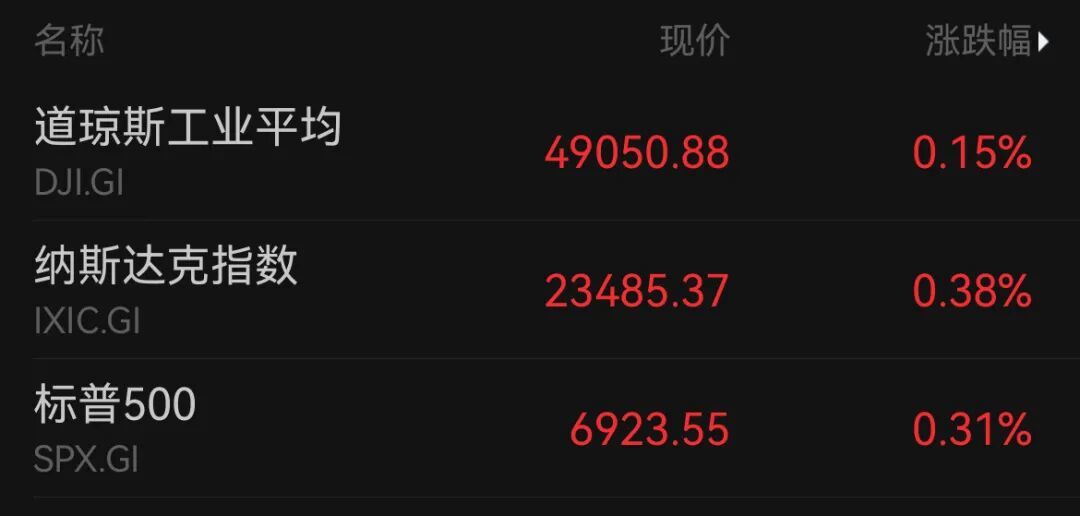
Group 1 - Data center cooling stocks experienced a significant decline, with companies like Johnson Controls and Trane Technologies dropping by 10%, and Modine falling by 20% following comments from Jensen Huang regarding new cooling technologies [2][3] - Huang stated that servers equipped with the new Rubin chip could be cooled without water cooling systems, requiring similar airflow to those using the Blackwell chip [2] - The overall stock market showed mixed results, with the Dow Jones Industrial Average up by 0.15%, the S&P 500 up by 0.31%, and the Nasdaq Composite up by 0.38% [1][2] Group 2 - Nvidia's core mission is to build a full-stack AI platform, enabling participation in the AI revolution across various sectors [3] - Nvidia has released a comprehensive toolchain, including NeMo for large language models and Clara NeMo for medical AI, supporting the entire lifecycle from data processing to deployment [3] - Semiconductor stocks saw a rise, with Microchip Technology increasing by 7.7%, reaching its highest level since July, and other companies like NXP and TSMC rising over 2% [3]
NVIDIA (NasdaqGS:NVDA) 2026 Conference Transcript
2026-01-05 22:02
Summary of NVIDIA Conference Call Company Overview - **Company**: NVIDIA (NasdaqGS: NVDA) - **Event**: 2026 Conference at CES - **Date**: January 05, 2026 Key Industry Insights - **Platform Shifts**: The computing industry is experiencing two simultaneous platform shifts: the transition to AI and the development of applications built on AI [2][3] - **Investment Trends**: Approximately $10 trillion of computing from the last decade is being modernized, with hundreds of billions in venture capital funding directed towards AI advancements [3][4] - **AI Evolution**: The introduction of large language models and agentic systems has transformed AI capabilities, allowing for real-time reasoning and decision-making [5][6][16] Core Technological Developments - **Agentic Systems**: These systems can reason, plan, and simulate outcomes, significantly enhancing problem-solving capabilities in various domains [6][7] - **Open Models**: The rise of open-source AI models has democratized access to AI technology, leading to rapid innovation and widespread adoption across industries [8][12] - **Physical AI**: Advances in physical AI are enabling machines to understand and interact with the physical world, which is crucial for applications in robotics and autonomous vehicles [25][26] Product Innovations - **AlphaMyo**: NVIDIA's new autonomous vehicle AI, capable of reasoning and decision-making based on real-time data, is set to revolutionize self-driving technology [33][34] - **Cosmos**: A foundation model for physical AI that integrates various data types to enhance AI's understanding of the physical world [31][32] - **Vera Rubin Supercomputer**: A new AI supercomputer designed to meet the increasing computational demands of AI, featuring advanced architecture and high-speed data processing capabilities [55][56] Strategic Partnerships - **Collaboration with Siemens**: NVIDIA is integrating its technologies into Siemens' platforms to enhance industrial automation and simulation capabilities [49][50] - **Enterprise Integration**: Partnerships with companies like Palantir, ServiceNow, and Snowflake are transforming enterprise AI applications, moving towards more intuitive user interfaces [24][25] Market Outlook - **Autonomous Vehicles**: The transition to autonomous vehicles is anticipated to accelerate, with a significant percentage of cars expected to be autonomous within the next decade [42][43] - **AI in Industries**: The integration of AI into various sectors, including manufacturing and design, is expected to drive a new industrial revolution [50][51] Additional Insights - **Investment in R&D**: A significant portion of R&D budgets is shifting towards AI, indicating a long-term commitment to AI development across industries [3][4] - **Customization of AI**: Companies can now customize AI models to fit specific needs, enhancing their operational efficiency and effectiveness [19][20] This summary encapsulates the key points discussed during the NVIDIA conference, highlighting the company's strategic direction, technological advancements, and market implications.
Advantest Pioneers a New Era of AI-Powered Semiconductor Testing
Globenewswire· 2025-10-06 07:00
Core Insights - Advantest America is revolutionizing semiconductor testing by integrating real-time AI technology from NVIDIA, aiming to enhance efficiency, reduce costs, and improve yields in semiconductor production [1][2][6] Group 1: Technology Integration - Advantest is utilizing NVIDIA's advanced machine learning capabilities alongside its ACS RTDI to transition from traditional testing methods to adaptive AI-driven systems [2][4] - The integration of NVIDIA AI inference into high-volume production is expected to bring real-time intelligence to semiconductor testing, optimizing the test set for each chip through GPU-accelerated computing [4][6] Group 2: Process Transformation - The ACS RTDI system shifts testing from a validation phase to a predictive model, enabling a continuously adaptive process in semiconductor production [3][5] - This new approach allows for the concurrent training of multiple machine learning models, leading to significant improvements in yield, test coverage, and reductions in latency, power, and costs [4][5] Group 3: Future Developments - Advantest plans to incorporate NVIDIA's NeMo and NIM microservices into its semiconductor test analytics solutions, which will enhance the evaluation of models and deployment of AI agents in testing environments [6][7] - The collaboration is setting the foundation for a new era in semiconductor innovation, where AI will not only expedite chip development but also transform testing and validation processes [7]

Advantest Pioneers a New Era of AI-Powered Semiconductor Testing
Globenewswire· 2025-10-06 07:00
Core Insights - Advantest America is revolutionizing semiconductor testing by integrating real-time artificial intelligence (AI) into its processes [1][2] - The collaboration with NVIDIA aims to enhance efficiency, reduce costs, and improve yields in semiconductor production through advanced machine learning (ML) and the Advantest Cloud Solutions Real-Time Data Infrastructure (ACS RTDI) [2][4] Group 1: Transformation of Testing - Traditional semiconductor testing involved lengthy data collection and analysis cycles, but ACS RTDI shifts this paradigm to a predictive, AI-driven approach [3][4] - The integration of NVIDIA AI inference allows for real-time intelligence in testing, optimizing the test set for each chip and enabling continuous operation [4][6] Group 2: Scalability and Flexibility - ACS RTDI has proven its effectiveness in high-volume production environments, supporting AI/ML-driven test automation across various applications [5] - The architecture of ACS RTDI allows for rapid adaptation to evolving production needs by separating data preparation, algorithms, and decision-making processes [5][6] Group 3: Future Innovations - Advantest plans to incorporate NVIDIA's NeMo and NIM microservices into its semiconductor test analytics, enhancing the ability to evaluate models and deploy AI agents in testing environments [6][7] - This integration is expected to drive the next wave of semiconductor innovation, transforming the testing, validation, and market delivery processes for chips [7]

CrowdStrike Stock Set for Breakout as Agentic AI Demand Surges
MarketBeat· 2025-09-17 14:04
Core Viewpoint - CrowdStrike Holdings Inc. is currently in a quiet period before its earnings report at the end of November, with limited stock movement expected unless driven by significant news [3] Group 1: Partnerships and AI Development - Salesforce Inc. has announced a partnership with CrowdStrike to develop fortified agentic AI agents, enhancing cybersecurity for enterprise AI systems by integrating CrowdStrike's Falcon platform with Salesforce's tools [4] - The collaboration is expected to increase demand for cybersecurity as companies seek to create agentic AI tools while ensuring digital safety [5] - CrowdStrike's Charlotte AI is designed to track agents back to their human creators, detect abnormal behavior, and prevent overprivileged accounts from being exploited [8] Group 2: Technical Analysis and Stock Forecast - CrowdStrike's stock is showing a bullish outlook, with a 12-month price forecast of $460.10, indicating a potential upside of 3.40% [12] - The stock has previously faced resistance at the 50-day simple moving average (SMA), and a break above this level could lead to prices reaching between $480 and $488 [14] - Immediate support levels are identified between $427 and $430, with deeper support around the 200-day moving average at approximately $412 [15][17] Group 3: Market Position and Analyst Ratings - CrowdStrike currently holds a Moderate Buy rating among analysts, but top-rated analysts have identified other stocks as better buys [18]

NVIDIA Leads in Data Center GPU Market: Will Blackwell Keep It Ahead?
ZACKS· 2025-07-29 13:36
Core Insights - NVIDIA Corporation (NVDA) is leading the data center market, with Q1 fiscal 2026 revenues of $39.1 billion, a 73% year-over-year increase, primarily driven by the Blackwell GPU architecture [1][10] - Blackwell GPUs account for nearly 70% of NVDA's data center compute revenues, with demand fueled by AI factories and advanced reasoning models [1][10] - The company is set to launch the next-gen GB300 chip in Q3 2025, promising a 50% performance increase over the GB200 [3][10] Data Center Market Performance - NVDA's data center revenues surged 73% year-over-year in Q1 FY26, driven by the high demand for Blackwell GPUs [10] - The Blackwell platform, especially the GB200, is designed for large-scale AI inference, with major cloud providers deploying nearly 72,000 GPUs weekly [2] - The company anticipates a compound annual growth rate (CAGR) of 30.3% in data center revenues from fiscal 2025 to fiscal 2028 [5] Competitive Landscape - Competitors like Advanced Micro Devices (AMD) and Intel are enhancing their capabilities in the AI data center chip market [6] - AMD's MI300X GPUs are being tested by hyperscalers as alternatives to NVIDIA's offerings, focusing on high memory and power efficiency [7] - Intel is promoting its Gaudi 3 AI chips as cost-effective solutions for training and inference, collaborating with major cloud providers [8] Financial Performance and Valuation - NVIDIA's stock has increased approximately 31.6% year-to-date, outperforming the Zacks Computer and Technology sector's gain of 10.9% [9] - The forward price-to-earnings ratio for NVDA is 35.84, exceeding the sector average of 27.86 [11] - Earnings estimates for fiscal 2026 and 2027 indicate year-over-year increases of about 42.5% and 32.2%, respectively, with upward revisions in the past 30 days [13]
英伟达的下一个统治阶段开始了
美股研究社· 2025-07-22 12:13
Core Viewpoint - Nvidia has transformed from a leading chip manufacturer to a full-stack AI infrastructure leader, with a 50% stock price increase in three months, driven by strong product offerings and robust financial performance [1][2][9]. Financial Performance - Nvidia maintains a gross margin of over 75% and expects Q2 revenue to reach $45 billion, exceeding market expectations [1][9]. - The company has a free cash flow margin exceeding 60%, indicating strong operational efficiency [1][14]. Product Roadmap - The upcoming GB300 series (Blackwell Ultra) is expected to enhance inference throughput and memory utilization by 50% [4]. - By Q4 2025, the NVL72 will achieve scale in large data centers, becoming a cornerstone for Nvidia's high-margin data center inference workloads, which currently account for over 70% of its data center business [4][9]. - The Vera Rubin architecture, set to launch in H2 2026, will offer over three times the inference computing capability compared to GB300, while maintaining backward compatibility [4][5]. - The Rubin Ultra design, expected by 2027, aims to deliver up to 15 exaFLOPS of FP4 throughput, significantly enhancing Nvidia's position in AI inference cloud [5][9]. Market Position and Competitive Landscape - Nvidia's structural advantages, including dominant platform economics and a deep ecosystem, position it as a core holding in AI infrastructure [2][10]. - The long-term potential market for AI is projected to reach $1 trillion, with infrastructure needs estimated at $300 billion to $400 billion [10][12]. - Despite competitive pressures from AMD and other custom chip developers, Nvidia's established software stack (CUDA, NeMo) and supply chain integration provide a buffer against market share erosion [12][17]. Valuation Metrics - Nvidia's current P/E ratio stands at 54, with a forward P/E of 40, indicating a premium valuation compared to industry averages [12][14]. - The company's PEG ratio is 0.68 (GAAP) and 1.37 (non-GAAP), suggesting that its valuation is at least partially supported by growth [14]. - Nvidia's expected EV/Sales ratio is 21, and EV/EBIT ratio is 34, reflecting a significant premium over industry standards, which reinforces its growth assumptions [14]. Strategic Outlook - Nvidia's roadmap for the next three years includes the launch of Blackwell GB300 in 2025, Vera Rubin in 2026, and Rubin Ultra in 2027, ensuring continued product leadership and predictable profitability [9][17]. - The company plans to invest over $10 billion in next-generation AI research and development, indicating a commitment to maintaining its competitive edge [12][15].