
Pelacarsen

Search documents
华西证券:小核酸药物凭借技术突破性与治疗差异化 成为精准医疗核心赛道
Zhi Tong Cai Jing· 2026-02-03 02:01
Group 1 - The small nucleic acid drug industry is recommended to focus on three categories: clinical progress type (key targets with Phase III data + beneficiaries of medical insurance), technology platform type (extracellular delivery + multi-target technology companies), and international cooperation type (local companies endorsed by MNCs) to capture dual dividends from new drug launches and data readout windows [1] - Small nucleic acid drugs have become a core track in precision medicine due to their technological breakthroughs and therapeutic differentiation, covering thousands of rare and chronic disease-related targets [1] - The global market for small nucleic acid drugs is expected to grow from $2.7 billion in 2019 to $5.7 billion in 2024, with a CAGR of 16.2%, and projected to reach $20.6 billion by 2029, driven by the increase in chronic diseases and significant drug commercialization [2] Group 2 - The industry is entering a high growth phase, with over 50% of the 19 drugs currently on the market targeting rare diseases, while the proportion of chronic diseases is expected to gradually increase [2] - Key players in the industry include Alnylam and Ionis, which dominate the market with their technological barriers, while local companies like Reebio and Bowang Pharmaceutical are focusing on niche areas [2] - 2025 is anticipated to be a pivotal year for small nucleic acid drugs, with several key drugs expected to achieve significant sales milestones and clinical endpoints [3]

医药周报20260130:从JPM大会挖掘FIC靶点三期数据验证节点-20260201
Guolian Minsheng Securities· 2026-02-01 05:23
Investment Rating - The report maintains a "Hold" rating for the pharmaceutical industry [3] Core Insights - The report highlights the focus on innovation and internationalization within the pharmaceutical industry, with an emphasis on the development of innovative drugs and the exploration of new technological avenues [9][41] - The report suggests a dual investment strategy: one focusing on the rotation of technological innovation from 0 to 1 and the other on value recovery, emphasizing stocks with reasonable valuations and performance growth catalysts [9] - Key investment opportunities are identified in the CRO sector, with specific companies recommended for attention, including Tigermed, Baioo, and WuXi AppTec [9] Summary by Sections 1. Insights from JP Morgan Conference - The report discusses several new therapeutic targets presented at the JP Morgan conference, including Lp(a) siRNA therapy, FXI monoclonal antibodies, and TL1A monoclonal antibodies, all expected to yield phase III data in 2026 [12][18][22][34] - Notably, the Lp(a) siRNA drug Pelacarsen aims to reduce cardiovascular risks associated with Lp(a) levels through a novel mechanism [12][15] - FXI monoclonal antibodies are being developed for stroke prevention in atrial fibrillation patients, with promising data expected in 2026 [18][20] - TL1A monoclonal antibodies are being explored for ulcerative colitis, with data readouts anticipated in 2026 [22] 2. Pharmaceutical Market Review and Hotspot Tracking - The pharmaceutical index experienced a week-over-week decline of 3.31%, underperforming both the ChiNext and CSI 300 indices [41] - The total trading volume for pharmaceuticals was 685.97 billion yuan, accounting for 4.52% of the total market, which is below the historical average of 7.10% [62] - The report notes that the pharmaceutical sector's valuation is currently below the historical average, with a PE ratio of 29.40, indicating a relative undervaluation [58] 3. Individual Stock Performance - The report lists the top-performing stocks for the week, including Cap Bio and Hualan Biological, while highlighting underperformers such as *ST Sailong and Hexin Instruments [66] - Monthly performance rankings show significant gains for stocks like Hongbo Pharmaceutical and Baolait, while others like Hezhong China faced substantial declines [66]


康方生物入选“2026全球产业重塑关键药物”榜单
Nan Fang Du Shi Bao· 2026-01-29 11:47
Core Insights - The article highlights the inclusion of Ivonescimab, a PD-1/VEGF bispecific antibody developed by Kangfang Biopharma, in the FirstWord Pharma's "Spotlight On: The drugs that will shape 2026" list, marking it as the only drug from a Chinese innovative pharmaceutical company [1][2] Company Overview - Kangfang Biopharma, established in 2012 in Zhongshan, focuses on addressing unmet clinical needs through technological innovation and has developed over 50 innovative drug candidates targeting major diseases [4] - The company is the only pharmaceutical firm globally with two tumor immune bispecific antibody drugs, with seven new drugs already commercialized and four additional indications under review [4] Drug Development and Market Potential - Ivonescimab is set to receive approval from the National Medical Products Administration of China in May 2024 for treating locally advanced or metastatic non-small cell lung cancer (nsq-NSCLC) after progression on EGFR-TKI therapy [2] - The drug has been recognized for its clinical value and commercial potential, being included in the national medical insurance catalog in November 2024 [2] - The global development of Ivonescimab, in collaboration with Summit Therapeutics, positions it as a leader in the PD-(L)1/VEGF bispecific antibody space, with significant attention on its potential in broader clinical applications beyond second-line NSCLC [3] Industry Context - The trend of developing PD-(L)1/VEGF bispecific antibodies is largely driven by China, with clinical studies indicating enhanced efficacy in treating non-small cell lung cancer compared to PD-1 monotherapy [3] - The biopharmaceutical industry in Zhongshan is recognized as a key sector, with the city expanding its health base and establishing a comprehensive support system for biopharmaceutical innovation, including a 10 billion yuan angel fund [4][5]

小核酸赛道,挤满了下一代大药
Ge Long Hui· 2026-01-26 21:06
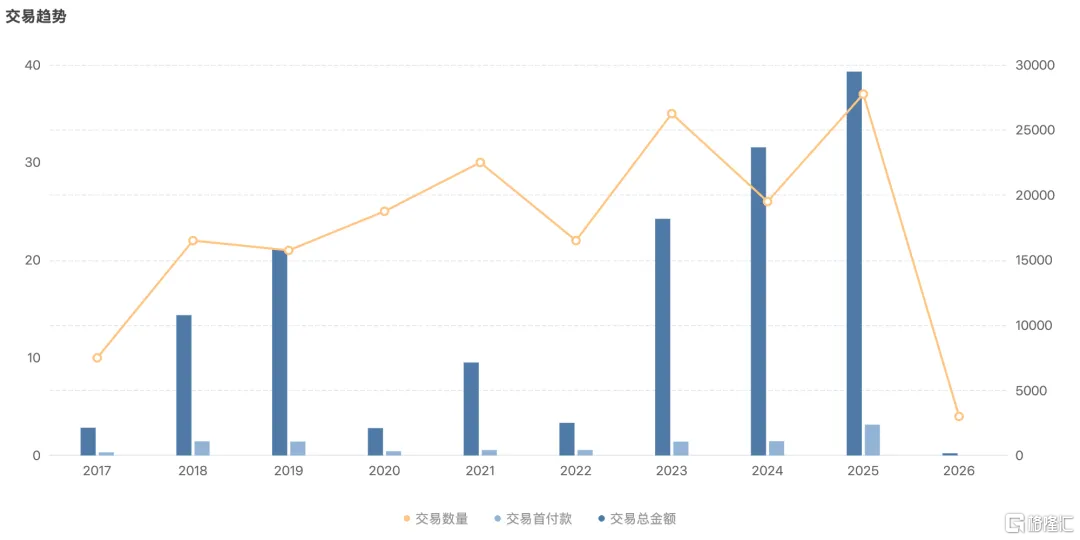
Core Insights - The small nucleic acid drug sector is experiencing a significant surge, marking the beginning of a golden era driven by technological breakthroughs and capital enthusiasm [2][11][22] Industry Developments - On January 5, 2026, Sanofi's APOC3 siRNA drug Plozasiran was approved for domestic market use to treat hyperlipidemia [1] - On January 9, 2026, Rebio Biotech, known as "China's first small nucleic acid stock," successfully listed on the Hong Kong Stock Exchange, with its stock price soaring by 40% on the first day, leading to a market capitalization exceeding 13 billion HKD [1] - China National Pharmaceutical Group announced a 1.2 billion CNY acquisition of Hegia Biotech, securing the world's first clinically validated liver-targeted delivery platform capable of annual dosing [1] Market Trends - The global small nucleic acid drug market has seen nearly 100 business development (BD) collaborations in the past three years, with transaction numbers and amounts increasing annually, reaching over 30 BD deals in 2025 totaling nearly 30 billion USD [4][9] - Notable transactions in 2025 included Novartis acquiring Avidity Biosciences for 12 billion USD and multiple other significant deals involving RNA therapies [7][9] Clinical Advancements - Ionis's APOC3 ASO drug Olezarsen showed promising results in reducing triglyceride levels by up to 72% in patients with severe hypertriglyceridemia, leading to an increase in peak annual sales forecast from 1.5 billion USD to 2.5 billion USD [12] - GSK's ASO therapy Bepirovirsen is expected to be the first drug to achieve functional cure for chronic hepatitis B, with a peak annual sales potential of 2 billion USD [12] Emerging Opportunities - The small nucleic acid drugs are expanding into various therapeutic areas, including obesity and kidney diseases, with promising results from clinical trials demonstrating significant weight loss and metabolic health improvements [13][15] - The number of small nucleic acid drugs in development globally has surpassed 1,200, with siRNA and ASO therapies being the most prominent [17] Strategic Collaborations - Domestic companies are increasingly recognized for their innovative value in small nucleic acid drugs, with active BD transactions, including significant collaborations by Rebio Biotech and other firms [18][21] - Companies like Saintin Biotech are forming strategic partnerships with major pharmaceutical firms to advance their small nucleic acid drug pipelines [19] Conclusion - The convergence of technological advancements, capital influx, and successful clinical outcomes is propelling small nucleic acid drugs into a pivotal position within the pharmaceutical industry, with China poised to become a global innovation hub [22]




Royalty Pharma (NasdaqGS:RPRX) FY Conference Transcript
2025-12-03 21:52
Summary of Royalty Pharma FY Conference Call (December 03, 2025) Company Overview - **Company**: Royalty Pharma (NasdaqGS:RPRX) - **Key Speakers**: Terrance Coyne (CFO), Marshall Urist (EVP of Investments) - **Year**: 2025 described as a transformational year for the company with significant strategic transactions and financial performance improvements [2][37] Core Industry Insights - **Strategic Transactions**: Internalization of external management to consolidate operations, enhancing strategic and financial positioning [2][37] - **Financial Performance**: Record capital returned to shareholders and strong financial results, indicating positive momentum and a robust pipeline [2][37] Financial Metrics - **Leverage**: Total debt to EBITDA ratio is around 3 times, indicating a conservative financial strategy. The company has the flexibility to increase leverage to 4 times if necessary [4][40] - **Portfolio Growth**: Projected portfolio receipts growth to exceed $4.7 billion by 2030, reflecting a 9% annual CAGR, with $2 billion to $2.5 billion in annual capital deployment [7][43] Growth Drivers - **Existing Portfolio**: Approximately 50% of growth expected from existing products, with key contributors including Voranigo, Tremfya, Trelegy, Cobenfy, Trodelvy, and Imdelltra [10][47] - **New Investments**: The remaining growth will come from new investments, with a conservative approach to capital deployment [8][44] Key Products and Pipeline - **Frexalimab**: A Sanofi product for multiple sclerosis with a peak sales potential of over $5 billion and a double-digit royalty [12][49] - **LP(a) Products**: Two royalties from Novartis (Pelacarsen) and Amgen (Olpasiran), with the latter expected to have significant market impact by 2027 [16][54] - **RevMed**: Focus on pancreatic cancer treatments with a unique deal structure that may set a precedent for future partnerships [27][63] Market Dynamics - **China Market**: Royalty Pharma is exploring opportunities in China, recognizing the potential for royalty monetization and the need for local operations [32][69] - **Synthetic Royalties**: The company is innovating in synthetic royalty funding, which could provide a viable alternative to traditional pharma partnerships [28][65] Upcoming Milestones - **Vertex Resolution**: Expected by the end of 2026 [34][70] - **RevMed Phase 3 Data**: Anticipated in 2026 [35][71] - **LP Little A Data**: Expected in 2026 [35][71] Conclusion Royalty Pharma is positioned for continued growth through strategic internalization, a strong existing portfolio, and innovative deal structures. The company is actively exploring new markets, particularly in China, and is focused on maintaining financial flexibility to capitalize on future opportunities.

Novartis (NYSE:NVS) Update / Briefing Transcript
2025-11-20 10:17
Novartis Immunology Update Summary Company Overview - **Company**: Novartis (NYSE:NVS) - **Date of Briefing**: November 20, 2025 Key Industry and Company Insights Immunology Performance - Novartis reported a strong year for its immunology team, particularly with the performance of **Cosentyx**, aiming for an **$8 billion** guidance in PIC/SAILS [3][29]. - Positive Phase III results for **Cosentyx** in **Polymyalgia Rheumatica (PMR)** were highlighted, with plans for early registration submission next year [3][4]. Product Approvals and Pipeline - **Rapsido (remibrutinib)** received FDA approval for **chronic spontaneous urticaria (CSU)**, marking it as the first BTK inhibitor approved in immunology [3][4]. - The launch of Rapsido is progressing well, with strong feedback from patients and physicians regarding its rapid onset of action and broad label [4][18]. - Upcoming Phase III trials for Rapsido in **hidradenitis suppurativa (HS)** and **food allergies** are in the pipeline, with promising Phase II results already reported [4][18][19]. Clinical Trials and Future Expectations - Novartis expects **13 pivotal readouts** before 2030, including two Phase III readouts in multiple sclerosis next year [7]. - **Enalumab** showed positive results in Phase III trials for **Sjogren's disease**, with potential for approval in an area with significant unmet need [5][6]. - Ongoing trials for Enalumab in **lupus** and **systemic sclerosis** are set for readouts in 2027 [6][10]. Market Opportunities - The CSU market is estimated to have **415,000** patients in the U.S. who could benefit from Rapsido, with a total of **1.1 million** patients suffering from CSU [22][23]. - The food allergy market is vast, with over **3 million** patients with severe food allergies across major markets, presenting a significant opportunity for Rapsido [25][26]. - The HS market is projected to be worth **$3 billion to $5 billion**, with Novartis aiming to introduce an oral therapy that could replicate Phase II efficacy [24][25]. Competitive Landscape and Strategy - Novartis is focusing on areas with high unmet medical needs and less crowded markets, such as Sjogren's disease and CSU, to ensure clinical differentiation [49][50]. - The company is confident in maintaining a **50% market share** in HS, with ongoing efforts to diagnose and treat more patients [60][61]. Life Cycle Management - For **Cosentyx**, Novartis plans to leverage life cycle management strategies to protect its franchise against potential biosimilars and maintain growth [21][26]. - The company is exploring options to enhance patient retention on Cosentyx, including dose adjustments and better communication with physicians [64][65]. Regulatory Alignment - Novartis is aligned with regulatory authorities regarding the data required for submissions related to Enalumab and YTB, with expectations for transformative data by 2027 [72]. Additional Important Insights - The company is optimistic about the potential of its CAR-T therapies, particularly YTB, which aims to reset the immune system in autoimmune diseases [37][41]. - Manufacturing capabilities for YTB are robust, with a two-day manufacturing time and a 14-day delivery window, positioning Novartis well for future launches [43][44]. This summary encapsulates the key points from the Novartis immunology update, highlighting the company's strategic focus, product pipeline, market opportunities, and future expectations in the immunology sector.
招商证券国际:降血脂市场潜力巨大 PCSK9/Lp心血管新药将迎来黄金时代
Zhi Tong Cai Jing· 2025-11-18 09:20
Core Insights - The lipid-lowering market is projected to reach $35 billion, with some drugs entering the long-term prevention field for cardiovascular event risk reduction (CVRR) [1][2] - Two significant lipid-lowering drugs are expected to report critical Phase III results in 2026, targeting PCSK9 and Lp(a) [1][2] - The development of cardiovascular and cardiac drugs is entering a harvest phase, with a focus on Phase III progress [1] Group 1: Key Developments in Lipid-Lowering Drugs - Novartis' PCSK9 small nucleic acid Leqvio and ASO drug Pelacarsen are under close observation for their Phase III trials, which could expand the market for lipid-lowering therapies [1][2] - Merck's MK-0616, the first oral cyclic peptide PCSK9 to enter Phase III, is expected to influence the long-term trajectory of the PCSK9 market [2] Group 2: Emerging Targets and Innovations - Arrowhead Pharmaceuticals' Plozasiran (ARO-APOC3) is set for FDA approval for treating familial chylomicronemia syndrome (FCS), marking a significant advancement in the siRNA field [3] - Eli Lilly's Lp(a) small molecule inhibitor Muvalaplin has initiated Phase III trials, with plans to enroll 10,450 participants, expected to complete by 2031 [3] Group 3: Direct-to-Consumer (DTC) Transformation - Major pharmaceutical companies like Eli Lilly, AbbVie, and Pfizer are launching online Direct-to-Consumer platforms, breaking traditional barriers in drug sales [4] - This shift aims to attract more self-paying users, particularly in the chronic disease sector, which is anticipated to capture the largest market share in the future [4]


招商证券国际:降血脂市场潜力巨大 PCSK9/Lp(a)心血管新药将迎来黄金时代
智通财经网· 2025-11-18 09:16
Core Insights - The lipid-lowering market is projected to reach $35 billion, with some drugs entering the long-term cardiovascular event risk reduction (CVRR) prevention field [1][2] - Two significant lipid-lowering drugs are expected to report critical Phase III results in 2026, targeting PCSK9 and Lp(a) [1][2] - The development of cardiovascular and cardiac drugs is entering a harvest phase, with a focus on Phase III progress [1] Group 1: Lipid-Lowering Drugs and Market Potential - Novartis' PCSK9 small nucleic acid Leqvio and ASO drug Pelacarsen are under close observation for their Phase III trials, which could expand the market for lipid-lowering treatments [1][2] - The potential success of Novartis' VICTORION trials could signify a shift of PCSK9 from merely lowering cholesterol to long-term cardiovascular protection, with expectations of exceeding $6 billion in future market potential [2] - Merck's MK-0616, the first oral cyclic peptide PCSK9 entering Phase III, is anticipated to influence the long-term trajectory of the PCSK9 market [2] Group 2: Breakthroughs in Other Lipid-Lowering Targets - Arrowhead Pharmaceuticals' Plozasiran (ARO-APOC3) is set for FDA approval for treating familial chylomicronemia syndrome (FCS), marking a significant advancement in the siRNA field [3] - Eli Lilly's Lp(a) small molecule inhibitor Muvalaplin has initiated Phase III trials, aiming to enroll 10,450 participants, with completion expected by 2031 [3] - The Lp(a) field is becoming a competitive space with multiple large pharmaceutical companies advancing their candidates into Phase III trials, indicating a robust development landscape [3] Group 3: Direct-to-Consumer (DTC) Transformation - Major pharmaceutical companies like Eli Lilly, AbbVie, and Pfizer are launching online Direct-to-Consumer platforms, signaling a shift in drug sales strategies [4] - This transformation aims to break traditional barriers between serious medical endpoints and consumer markets, potentially attracting more self-paying users [4] - The focus on chronic disease management is expected to yield significant market share in the future [4]
New Novartis ESC data highlights strength of cardiovascular portfolio
Globenewswire· 2025-08-18 05:15
Core Insights - Novartis will present data from 19 abstracts related to its cardiovascular portfolio at the 2025 European Society of Cardiology Congress in Madrid from August 29 to September 1, 2025 [2][3] - The company aims to showcase innovative treatments that can significantly improve cardiovascular outcomes, focusing on established treatments like Entresto and Leqvio, as well as pipeline assets such as pelacarsen and abelacimab [3][7] Presentation Highlights - Pelacarsen will be featured in multiple presentations, including its effect on reducing the need for lipoprotein apheresis in patients with elevated lipoprotein(a) and cardiovascular disease [4][5] - Leqvio's impact on patient quality of life will be highlighted in two VictORION studies, along with its efficacy as a cholesterol-lowering monotherapy [5][6] - The PARACHUTE-HF study will evaluate the efficacy and safety of Entresto in treating heart failure with reduced ejection fraction due to chronic Chagas disease [5][6] Research Focus - Novartis is dedicated to addressing significant unmet needs in cardiovascular disease through advanced science and technology, particularly in genetically driven risk factors and common heart conditions [7][10] - The company collaborates with patients, healthcare professionals, and organizations globally to enhance cardiovascular care beyond medication [8][10]

小核酸药物:治疗潜力显现,蕴藏BD机遇
Orient Securities· 2025-07-27 09:44
Investment Rating - The report maintains a "Positive" outlook for the pharmaceutical and biotechnology industry in China [6]. Core Insights - Small nucleic acid drugs are expected to become the third major class of drugs after small molecules and antibodies, with unique advantages such as broad targets, strong specificity, high development efficiency, and long dosing intervals [9][38]. - The commercialization of rare diseases is maturing, and the long-term advantages for chronic diseases are becoming evident, with significant sales growth for products like Spinraza and Leqivo [9][60]. - There is a notable increase in business development (BD) activities, highlighting the potential of early-stage chronic disease pipelines [9]. Summary by Sections 1. Small Nucleic Acids: Potential as a New Drug Class - Small nucleic acid drugs, including ASO, siRNA, and Aptamer, interact with mRNA to regulate gene expression, offering a new technological pathway for drug development [13]. - The global market for small nucleic acid drugs has grown from $1.04 billion in 2017 to $5.09 billion in 2024, with a CAGR of 25.5% [60]. 2. Milestones in Overseas and Domestic Markets - In the overseas market, significant developments are expected in the TTR field and cardiovascular diseases, with drugs like Vutrisiran and Pelacarsen showing promise [9]. - In China, new therapies for chronic hepatitis B and competitive advancements in cardiovascular drugs are emerging, with several companies making progress in their pipelines [9][60]. 3. Investment Recommendations and Targets - The report suggests focusing on high-quality domestic companies involved in the development of small nucleic acid drugs targeting chronic hepatitis B and cardiovascular diseases, such as HengRui Medicine, China National Pharmaceutical Group, and others [9].



